English
  Deutsch


How Can Braided Aluminum Wire Support Flexible Connections
Article Directory
- 1 Why Is Flexibility Important in Electrical Connections?
- 2 How Does Aluminum Braided Wire Handle Bending Requirements?
- 3 How Can Braided Aluminum Wire Support Vibration Environments?
- 4 What Makes a Braided Structure Useful for Conductive Connections?
- 5 How Does Structural Design Influence Flexible Electrical Connections?
- 6 How Are Flexible Connections Used in Different Industrial Scenarios?
- 7 How Are Braided Aluminum Wire and Welding Wire Applications Different?
- 8 What Should Manufacturers Consider When Developing Flexible Electrical Connections?
- 9 How Can System Designers Integrate Flexible Connections Into Equipment Upgrades?
Electrical connections don't always sit in one fixed spot for the life of a machine. Many systems need conductors that can handle movement, bending, vibration, or shifts in equipment position as parts age, get serviced, or get repositioned during a rebuild.
Braided Aluminum Wire offers a practical way to address this need in flexible electrical connection design. A rigid conductor mainly holds a fixed route between two points, while braided wire is built from many fine strands woven into a structure that gives a little when pushed or pulled.
That structure lets the connection move in a more natural way while still carrying current between the parts it links. The demand for this kind of flexibility shows up across electrical equipment, power connections, industrial machinery, transportation systems, and any assembly that shifts position during normal work.
Making a wire bend easily isn't the whole job, though. The conductor also has to fit into the space actually available, join properly with the parts around it, and hold up under the specific kind of movement its application throws at it. These practical demands are shaping how engineers and manufacturers think about braided aluminum conductors across a wide range of equipment.
Why Is Flexibility Important in Electrical Connections?
Machinery in daily operation rarely stays perfectly still. A motor housing might shake while running, a bracket might shift slightly during routine adjustment, or two joined parts might drift apart bit by bit through ordinary wear.
A stiff connection has little room to absorb that kind of shifting without eventually cracking at a weak point. Bending the same spot over and over also loads stress onto a fixed conductor and its terminals, slowly wearing down the connection point itself.
A flexible braided structure offers a different path forward, since it spreads movement across many strands instead of forcing one section to take the full load.
| Connection Situation | Flexible Design Consideration |
| Moving equipment | Allows controlled movement |
| Vibrating machinery | Helps accommodate repeated motion |
| Adjustable components | Supports changing positions |
| Compact assemblies | Fits curved connection paths |
| Electrical interfaces | Provides a conductive connection |
Flexibility, then, works as part of the whole connection plan rather than a bonus feature added at the end. How much movement a given connection actually needs depends on the job it's doing.
A connection that barely moves might only need a small amount of give built in. A part that shifts often during regular use calls for a structure that can keep adapting without complaint. Recognizing this difference helps engineers pick a conductor design that matches the real conditions on site, rather than a generic default.
How Does Aluminum Braided Wire Handle Bending Requirements?
Bending is a key reason flexible conductors are selected for certain applications. A braided structure consists of strands that can move against one another as the assembly flexes around a corner or curve.
That gives the conductor a noticeably different feel compared with a solid metal rod locked into one shape. Aluminum Braided Wire can follow an installation path that curves around obstacles, something a straight conductor would struggle to manage cleanly.
The braid also absorbs small shifts in position between the parts it connects without cracking under the strain. That comes in handy when electrical equipment leaves little room around its connection points, tucked into a crowded panel or housing.
Designers typically weigh the direction of expected movement, the space available for routing, where the connection sits, and how often the conductor will actually flex over its working life. The shape of the braid itself can also affect how smoothly it goes into place during assembly.
| Design Factor | Connection Consideration |
| Braid structure | Supports bending and movement |
| Connection length | Affects installation flexibility |
| Terminal shape | Influences attachment |
| Routing position | Determines movement direction |
| Surrounding space | Affects installation options |
Flexibility has limits, though, and shouldn't be mistaken for bending without restriction. Every conductor has a working range tied to how it's built and what it's meant to do, and going past that range invites trouble down the road. Sticking to the manufacturer's installation guidance helps keep stress from building up during assembly and later, day-to-day operation.
How Can Braided Aluminum Wire Support Vibration Environments?
Vibration is common around industrial machinery and moving equipment that operates through repeated work cycles. Motors, mechanical assemblies, transportation systems, and other machines can transmit continuous movement through their electrical connection points.
A connection that can't absorb that motion tends to pick up extra mechanical wear that shortens how long it lasts. A braided conductor gives a bit of room to move precisely because its structure isn't locked rigid from one end to the other.
That quality makes Braided Aluminum Wire a reasonable fit for jobs where a connection needs to stay flexible near vibrating parts nearby. How well it actually performs still comes down to how the conductor is built and the conditions of the specific installation it's placed into.
The way the surrounding hardware is mounted matters just as much here. If a connection gets routed so it's forced into an awkward bend, the braid's flexibility won't do much good in that spot. Sound structural design treats the conductor and its connection points as one working system, not two separate puzzles solved independently.
The aim is letting expected movement happen freely while keeping unnecessary tension, twisting, or sharp folds out of the picture. This kind of thinking pays off in equipment where small movements repeat constantly through ordinary daily operation.
What Makes a Braided Structure Useful for Conductive Connections?
A flexible connection still has one core job: carrying current reliably, no matter how much it flexes along the way. The braid brings together many aluminum strands into a single working structure that keeps current flowing along its length.
That setup lets the conductor stay bendable while doing its actual electrical job at the same time. The structure can also take different shapes depending on what kind of connection it needs to form.
A braided conductor, for instance, might arrive with connection areas already shaped to match the terminals or hardware used in a specific assembly. That turns it into something more considered than just a flexible strip of metal cut to length.
| Structural Element | Role in Connection Design |
| Aluminum strands | Carry electrical current |
| Braided arrangement | Provides flexibility |
| Connection ends | Interface with equipment |
| Protective treatment | Supports application requirements |
| Overall form | Fits the installation layout |
The quality of the connection depends heavily on how the braid actually attaches to the parts around it. A well-made conductor can still underperform if the attachment area was designed poorly or installed carelessly.
Manufacturers need to think about strand arrangement, connection prep, and attachment methods as one combined package, not separate concerns. That matters even more when the conductor sits in an assembly where movement happens close to the connection point itself.
How Does Structural Design Influence Flexible Electrical Connections?
How a braided conductor is built shapes how it behaves once it's installed and running. A braid built too stiff may fall short of the flexibility the application actually needs from it.
A braid built too loose, meanwhile, can create its own headaches during handling or when it's time to make the connection. Manufacturers have to weigh flexibility, shape, ease of handling, and connection demands against each other with care.
Flexibility
The braid needs enough movement to follow the requirements of the intended connection.
Shape
The overall form should fit the available installation path and surrounding equipment.
Handling
The conductor should remain practical to position and attach during assembly.
Connection
Connection ends need to transition effectively between the flexible braid and equipment.
The specific installation guides decisions about how the braid should be shaped and how the connection should be arranged from the start. A compact assembly might call for a narrow path threaded through tight quarters. A larger industrial setup might have more room to work with but face heavier movement around its connection points instead. Different jobs, in other words, call for genuinely different structural choices.
The connection ends deserve particular attention here, since they bridge the flexible braid with equipment that's often stiffer by comparison. A thoughtfully designed transition helps spread movement between these two areas, rather than dumping it all onto one joint.
That takes pressure off the flexible section, so it isn't forced to absorb every shift in position at a single vulnerable spot. Looked at this way, the whole connection becomes a combination of conductor structure, attachment method, and the layout of the equipment surrounding it.
How Are Flexible Connections Used in Different Industrial Scenarios?
Flexible electrical connections turn up across a wide range of equipment, not just one corner of manufacturing. Movement and vibration touch electrical systems in plenty of different industries, so the need for flexibility isn't confined to a single niche.
Industrial machinery often relies on flexible conductors around assemblies that move during normal production cycles. Power equipment often needs adaptable connections between components that cannot remain in a fixed position throughout operation. Transportation equipment brings its own version of the challenge, where space and movement both need attention inside a tightly packed frame.
| Application Scenario | Potential Connection Need |
| Industrial machinery | Accommodation of vibration |
| Power equipment | Flexible component connection |
| Transportation systems | Space-conscious routing |
| Electrical cabinets | Adaptable internal connections |
| Moving assemblies | Controlled bending |
The specific job at hand should drive the conductor design, not a one-size-fits-all default. A connection that moves only now and then has different needs from one facing steady vibration around the clock.
The installation environment also influences material selection and the type of protective treatment applied. Flexible electrical connections should therefore be considered within the broader equipment setup rather than assessed in isolation.
The conductor is one piece within a larger electrical and mechanical arrangement that all has to function together.
How Are Braided Aluminum Wire and Welding Wire Applications Different?
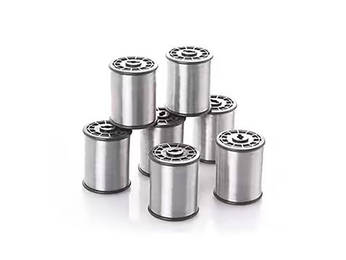
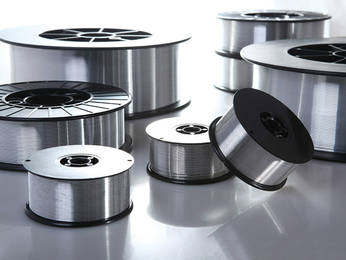
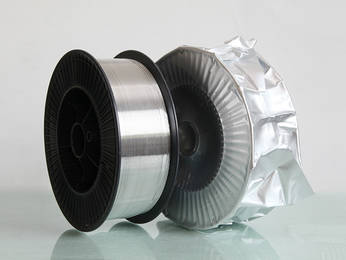
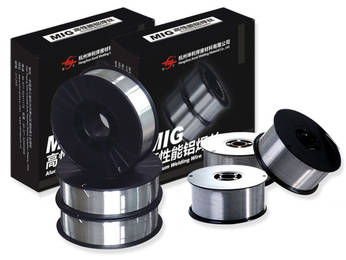
Braided electrical conductors and welding wires both involve aluminum, but the two serve entirely different purposes on the shop floor. 5183 Aluminum Mig Wire Welding, 4943 Aluminum Welding Wire, and 5183 Aluminum Mig Wire all belong to welding work, not flexible electrical connection design.
These welding products supply filler material for specific welding processes that fuse metal pieces together. A braided aluminum conductor, by contrast, does its work as part of an electrical connection, where flexibility and the ability to carry current are what count.
That distinction matters a great deal when picking materials for an industrial job. Sharing the word "aluminum" doesn't mean two products can stand in for each other on a parts list.
| Product Category | General Application Role |
| Braided Aluminum Wire | Flexible electrical connections |
| Aluminum Braided Wire | Conductive connection assemblies |
| 5183 Aluminum Mig Wire | Welding applications |
| 4943 Aluminum Welding Wire | Welding applications |
| 5183 Aluminum Mig Wire Welding | Welding-related material use |
| China 4043 Welding Wire | Welding applications |
A China 4043 Welding Wire product might be exactly right when a manufacturing process needs an aluminum welding material to join parts together. It has no business standing in for a braided electrical conductor doing a completely unrelated job.
This distinction becomes especially important when a procurement team is comparing quotes with similar-sounding material descriptions. Application, construction, and actual function should steer the decision, not a shared material name printed on a spec sheet.
What Should Manufacturers Consider When Developing Flexible Electrical Connections?
Product development should begin with the movement the final application will experience, rather than treating the conductor as a separate component. Engineers can consider whether the connection needs to bend, vibrate, shift position, or remain largely stationary during its working life.
Available installation space is another factor worth mapping out early in the process. A flexible conductor may need to trace a curved path around equipment without crowding nearby components packed into the same enclosure.
Connection points deserve attention during the design stage itself, not as something patched in after the fact. The conductor needs a secure attachment while still leaving room for the intended movement inside its flexible section without added strain.
Manufacturers can work through several areas in a sensible order during development.
- Movement requirements — should reflect how the connected components actually behave during operation.
- Bending needs — should be considered when deciding the shape and placement of the braid.
- Connection structure — should match the terminals or equipment used in the assembly.
- Installation space — should allow the conductor to move without unnecessary interference.
- Material selection — should suit the electrical and environmental conditions of the intended application.
Working through these points keeps the conductor from getting chosen in a vacuum, separate from the equipment it has to work alongside, which is where mismatches creep in later.
It also gives manufacturers room to build different braided structures suited to different connection scenarios across a broader product lineup.
Custom production becomes worthwhile once standard shapes stop fitting a particular assembly on hand. A manufacturer can work directly with buyers on shape, connection arrangement, or overall construction based on whatever the application actually calls for.
Customization works well when it responds to a genuine installation need rather than adding extra features without a clear purpose.
How Can System Designers Integrate Flexible Connections Into Equipment Upgrades?
Older equipment often needs its electrical connections to adjust once parts get relocated or a system gets reorganized during an upgrade. A rigid connection that worked fine under the old layout can turn into a genuine headache once things get rearranged around it.
Flexible conductors offer another route when a new connection path involves movement or imperfect alignment between parts that weren't part of the original design. An Aluminum Braided Wire connection can be routed around equipment while still allowing some give between the points it links on either end.
That approach can save a facility from redesigning an entire electrical system just to accommodate one localized change. Even so, the surrounding structure still needs a careful check before installation, rather than an assumption that everything will simply line up.
Clearance
Check the available space around the conductor and nearby equipment before installation.
Attachment Points
Confirm that connection locations support the intended routing and movement.
Movement Direction
Consider how connected components shift during normal equipment operation.
Maintenance Access
Leave practical access for inspection, servicing, and future equipment changes.
Clearance, attachment points, direction of movement, and access for future maintenance all shape how the final setup turns out. Upgrades also give teams a chance to look back at whether existing connection points have been quietly absorbing more stress than intended.
A more flexible structure can help absorb shifts in equipment position when the job genuinely calls for that kind of give. The decision should rest on actual operating conditions, rather than treating flexibility as a selling point on its own.
That keeps the whole design focused on practical electrical and mechanical needs that matter out on the floor. As industrial equipment keeps getting more compact and more tightly interconnected, flexible conductive structures continue drawing attention wherever bending, vibration, movement, and tight installation space shape how an electrical connection gets designed.
NEXT:How Can Spooling Improve Aluminum Welding Wire Handling