English
  Deutsch


How Can Spooling Improve Aluminum Welding Wire Handling
Article Directory
- 1 Why Does Spooling Matter for Aluminum Welding Wire Feeding?
- 2 How Does Winding Tension Influence Wire Feeding?
- 3 How Does Wire Arrangement Affect Feeding Resistance?
- 4 What Role Does Spool Design Play in Feeding?
- 5 How Can Spooling Affect Different Aluminum Welding Wire Products?
- 6 Why Does Feed Resistance Matter During Welding?
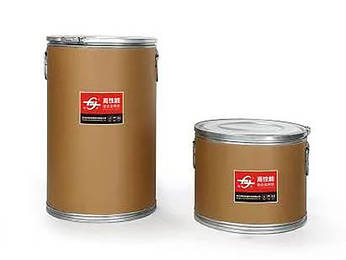
- 7 How Can Production Packaging Protect Spooling Quality?
- 8 How Can Manufacturers Improve Spooling During Product Development?
Aluminum welding wire may look simple when viewed as just a continuous strand of metal, but its journey from the spool to the welding point depends heavily on how that wire was prepared and arranged beforehand. Spooling connects directly with feeding, since the wire has to leave the package in a controlled and predictable way once a welder actually pulls the trigger.
Spooling connects directly with feeding, since the wire has to leave the package in a controlled and predictable way once a welder actually pulls the trigger. For manufacturers, this makes winding tension, wire arrangement, spool structure, and packaging part of the overall product experience, not separate boxes to check off. The issue becomes especially noticeable when different aluminum welding wires get prepared for different welding jobs on the floor.
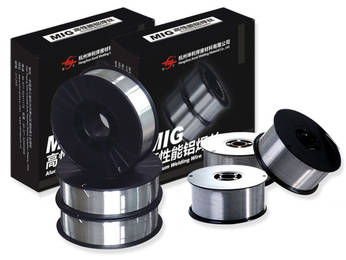
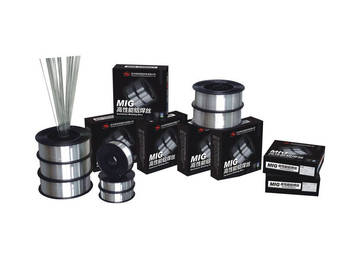
Products such as 5183 Aluminum Mig Wire Welding, 4943 Aluminum Welding Wire, and 5183 Aluminum Mig Wire need suitable packaging and winding practices, so users can handle the wire without fighting it mid-weld. At the same time, products such as Braided Aluminum Wire and Aluminum Braided Wire serve entirely different connection purposes and shouldn't get treated as interchangeable with welding wire just because the name sounds similar.
Understanding how spooling affects feeding can help manufacturers improve packaging decisions and help buyers evaluate welding wire with a more critical eye before placing an order.
Why Does Spooling Matter for Aluminum Welding Wire Feeding?
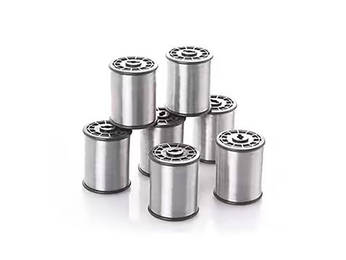
A spool does more than simply hold welding wire during shipping from the factory to the shop. It provides an organized path the wire follows as it gets pulled during welding, layer by layer.
If the winding arrangement comes out inconsistent, the wire may run into unnecessary resistance as it leaves the spool mid-job. A well-organized winding pattern helps the wire move through the feeding path with fewer hiccups along the way.
| Spooling Factor | Possible Feeding Effect |
| Wire arrangement | Influences how smoothly wire leaves the spool |
| Winding tension | Affects how tightly the wire is held |
| Spool structure | Supports stable storage and handling |
| Wire surface | Can influence contact during feeding |
| Packaging condition | Helps protect the winding arrangement |
This relationship between factors becomes a lot more noticeable once welding wire gets used continuously through a long shift. A spool that looks fine from the outside may still hide an internal arrangement that quietly affects how the wire moves once it's threaded into the feeder.
This is why manufacturers need to treat the winding process as part of product preparation, rather than something bolted on after the wire itself is finished. The goal is creating a package that protects the wire while still letting it leave the spool in an orderly way when someone actually needs it.
How Does Winding Tension Influence Wire Feeding?
Winding tension determines how tightly the wire sits wrapped around the spool from the layer to the last. If the winding process comes out inconsistent, different sections of the spool may end up with different levels of tightness.
That inconsistency can change how the wire leaves the package once welding starts. Wire held too loosely may shift around inside the winding structure, while excessive tension can make unwinding feel stiff and unnatural under the gun.
A balanced winding approach keeps the spool organized through handling and storage alike. What counts as appropriate tension depends on the wire itself, the spool design, the winding method used, and the intended application on the shop floor.
Manufacturers therefore shouldn't treat winding tension as one fixed setting that works across every product they ship.
| Winding Condition | Potential Concern |
| Uneven winding | Irregular wire release |
| Loose winding | Wire movement within the spool |
| Excessive tightness | Greater resistance during unwinding |
| Consistent winding | More predictable wire arrangement |
The winding process also has to account for what happens after the spool leaves the factory floor. Transportation, storage, and handling can all disturb the original arrangement if the packaging doesn't offer enough protection along the way. This makes winding and packaging closely tied together in practice.
A stable package helps preserve the intended condition right up until the wire reaches the person actually welding with it.
How Does Wire Arrangement Affect Feeding Resistance?
Wire arrangement describes how individual layers get positioned across the spool as it's built up. An orderly arrangement lets the wire follow a more predictable path as it gets pulled from the package during a weld.
Poor arrangement can create crossing, overlapping, or uneven sections that get in the way of smooth release. These problems can raise feeding resistance or cause interruptions right in the middle of welding, which nobody wants.
The problem gets particularly inconvenient when the operator is focused on holding a steady weld bead and doesn't want to fight the wire feeder too. Manufacturers can address this by paying close attention to how each layer gets placed during production, not just eyeballing the finished spool.
A consistent arrangement helps cut down on unnecessary movement between adjacent sections of wire sitting on the same spool.
| Wire Arrangement | Feeding Consideration |
| Even layers | Supports predictable release |
| Irregular layers | May increase resistance |
| Crossed wire | Can interrupt unwinding |
| Loose sections | May create movement inside the spool |
The arrangement also needs to stay stable once the spool is finished and boxed up. Handling the finished package roughly can disturb the wire even when the original winding process was carefully controlled from the start.
Packaging design can help cut down this risk during transportation and warehouse storage. This is one reason spool preparation deserves attention alongside outer packaging, not after it.
What Role Does Spool Design Play in Feeding?
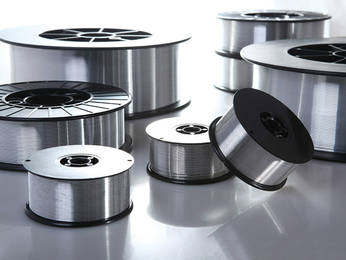
The spool itself shapes how the wire gets stored and eventually released during a job. Its shape needs to provide a suitable surface for winding while still letting the finished package get handled and loaded into whatever feeding equipment the shop uses.
The central area supports the wound wire, while the outer sections help keep the winding contained where it belongs. A suitable spool structure can make the package a lot easier to move around a shop and position near the welder.
It can also help protect the wire from unnecessary movement before anyone actually starts welding with it. Different welding jobs may call for different spool arrangements depending on the equipment involved.
Manufacturers may therefore think through the relationship between spool structure and the way users actually load the package into their equipment on the floor.
| Spool Feature | General Purpose |
| Central winding area | Holds the wire |
| Side support | Helps contain the winding |
| Stable base | Supports handling |
| Smooth wire exit | Helps controlled release |
| Protective packaging | Helps preserve spool condition |
The spool also needs to hold up during ordinary storage between jobs. Users may keep welding wire sitting in a workshop corner, a production area, a warehouse shelf, or some other working space before it actually gets used.
A stable package can make moving and organizing that inventory a lot simpler. This ties spool design directly to both feeding performance and general day-to-day product handling.
How Can Spooling Affect Different Aluminum Welding Wire Products?
Different aluminum welding wire products may get supplied for different welding jobs across an operation. 5183 Aluminum Mig Wire is one example of a welding wire product that needs packaging supporting practical handling on the floor.
The same consideration applies just as much to 4943 Aluminum Welding Wire and other aluminum welding wire products moving through a warehouse. The raw material itself is only one piece of the user's actual experience with the product.
How the wire gets wound and packaged can influence how easily it moves from storage straight into the feeding process without a fight. This is why product preparation should reflect the actual characteristics of the wire being packaged, rather than a generic approach applied across the board.
| Product | Packaging Consideration |
| 5183 Aluminum Mig Wire | Organized winding and protected storage |
| 4943 Aluminum Welding Wire | Stable spool arrangement |
| 5183 Aluminum Mig Wire Welding | Suitable packaging for welding use |
| China 4043 Welding Wire | Controlled winding and practical handling |
A China 4043 Welding Wire product may also need careful spool preparation when it's supplied for welding jobs on a production line. The specific packaging approach should match both the product and its intended use in the field.
Welding wire should also stay clearly separate from products serving different functions altogether. Braided Aluminum Wire is generally tied to flexible electrical connection work, rather than welding filler material meant for a torch. Aluminum Braided Wire similarly describes a braided conductive structure and shouldn't get chosen simply because it happens to contain aluminum.
Clear product classification helps buyers understand exactly what they're purchasing and how it's meant to get used once it arrives.
Why Does Feed Resistance Matter During Welding?
Feed resistance describes the effort needed for the wire to move through its intended path from spool to torch. When that resistance changes unexpectedly mid-job, the welding process can become a lot less consistent for the person running the gun.
Spooling influences this experience directly, since the wire has to leave the spool before it can continue through the feeding system at all. A tangled section can interrupt movement right when it's least convenient.
An uneven layer can raise resistance without warning. A damaged wire section can also create handling problems partway through a weld. These issues show why spool preparation has a genuinely practical connection with day-to-day welding operations.
| Potential Spooling Issue | Possible User Experience |
| Uneven winding | Irregular wire movement |
| Wire crossing | Increased unwinding resistance |
| Damaged section | Difficult feeding |
| Loose winding | Unstable release |
| Poor packaging | Greater risk during handling |
The feeding path outside the spool matters just as much as what happens inside it. The wire needs to travel from the package toward the welding equipment without unnecessary bends or interference along the route.
This means manufacturers can improve the package all they want, but users still need to follow suitable installation and handling practices on their end. A well-prepared spool supports the feeding process, but it can't make up for every other issue somewhere else in the setup.
How Can Production Packaging Protect Spooling Quality?
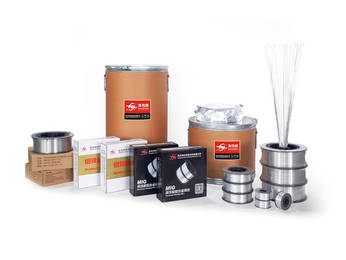
Spooling doesn't end the moment the last layer of wire gets placed on the package. The finished spool still has to survive handling, storage, transportation, and final preparation before anyone puts it to use.
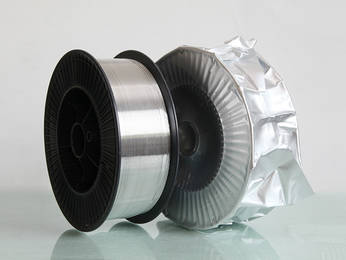
Each of those stages can disturb the original winding arrangement if things aren't handled carefully. Packaging can provide physical protection around the spool and help cut down on unwanted movement during transit.
It can also help keep the product organized while it sits in warehouse storage waiting for an order. A practical packaging system should protect the wire without making the package needlessly difficult to inspect or open when it's time to use it.
Manufacturers may consider several areas during production packaging worth reviewing together.
- Spool stability can help prevent movement inside the outer package.
- Wire protection can reduce the chance of damage during normal handling.
- Package strength can support transportation and storage.
- Product identification can help buyers distinguish different wire products.
- Opening design can make the package easier to prepare for use.
These considerations tie production packaging directly to the eventual feeding experience out on the floor. A spool that reaches the customer in good condition is a lot more likely to retain its intended winding arrangement once it's finally loaded up.
Packaging therefore plays a role that goes beyond how the box looks sitting on a shelf. It becomes part of the process protecting the product all the way from production through to actual application.
How Can Manufacturers Improve Spooling During Product Development?
Spooling deserves consideration during product development itself, rather than getting tacked on after the welding wire has already been finalized. Manufacturers can examine how the wire behaves during winding, storage, unwinding, and feeding as one connected sequence.
This creates a broader view of product performance that goes beyond the material spec sheet alone. A product may meet its basic material requirements on paper while still creating handling headaches if the spool arrangement doesn't match the wire well.
Manufacturers can review the complete path from production floor to end use in the field.
| Development Stage | Spooling Question |
| Wire preparation | Is the wire suitable for organized winding? |
| Winding | Can the layers remain consistent? |
| Spool selection | Does the package suit the product? |
| Packaging | Is the winding protected during handling? |
| User preparation | Can the spool be positioned conveniently? |
Production teams can also inspect finished spools directly for visible winding problems before they ship out. Irregular layers, loose sections, and damaged packaging can get caught before the product ever reaches a customer's workshop.
This kind of inspection supports consistency across production batches over time. It also gives manufacturers useful feedback when they need to adjust winding and packaging processes going forward.
For buyers, clear product descriptions and suitable packaging information can make it a lot easier to understand exactly how the wire is supplied. The distinction between welding wire and braided electrical products should stay clear throughout this whole process, not blurred by similar-sounding names.
Wire Preparation
Prepare the wire so its structure is suitable for organized winding and handling.
Winding
Maintain a consistent arrangement as the wire builds across the spool.
Packaging
Protect the finished spool during storage, transportation, and handling.
Inspection
Check winding condition and packaging before the product reaches the customer.
5183 Aluminum Mig Wire, 4943 Aluminum Welding Wire, and China 4043 Welding Wire all belong to welding-related product categories, while Braided Aluminum Wire and Aluminum Braided Wire are tied to flexible conductive connections instead.
Keeping these applications separate helps manufacturers design packaging around the actual function each product serves. As aluminum welding wire continues to get supplied in different product forms, spooling remains closely tied to how the wire is stored, transported, released, and fed during the practical welding work happening on shop floors every day.
NEXT:Special Al Alloy Welding Wire: Properties & Uses