English
  Deutsch


Guide to Industrial Aluminum Welding Wire — The Basics
Article Directory
- 1 What is Aluminum Welding Wire and how does it work in MIG and TIG processes?
- 2 How modern demand patterns influence filler selection and availability?
- 3 What differences appear between MIG and TIG when using aluminum wire?
- 4 Choose wire chemistry according to the base metal and final use
- 5 How mechanical feeding systems affect aluminum wire behavior
- 6 Why wire feed problems occur and how to resolve them
- 7 Can storage and handling make wire feed problems worse?
- 8 How to setup MIG parameters for clean aluminum welds
- 9 Why TIG filler handling improves surface quality
- 10 Typical wire diameter choices and their shop uses
- 11 Why choice between spool gun and push-pull matters for everyday work
- 12 How to identify poor-quality wire before it reaches the torch
- 13 What common mistakes waste time and scrap in Aluminum Welding
- 14 How to improve bead appearance and mechanical properties with routine steps
- 15 How external trends reshape consumable choices and business strategy
- 16 What inspection and QA steps catch hidden quality problems
- 17 Compact incoming inspection checklist
- 18 Which wire options are practical for collision repair and light fabrication?
- 19 How small procedural changes reduce porosity and discontinuities
- 20 Why continuous training extends consumable life and improves throughput
- 21 How to adapt when a preferred alloy becomes scarce
- 22 Why supplier relationships matter to routine production
- 23 How to test the health of a spool in five minutes
- 24 Fixing Common Aluminum MIG Welding Problems
- 25 Preparing for a New Aluminum Welding Job
- 26 Techniques that reduce distortion when working on thin assemblies
- 27 Filler wire selection and handling
- 28 What everyday improvements reduce consumable waste
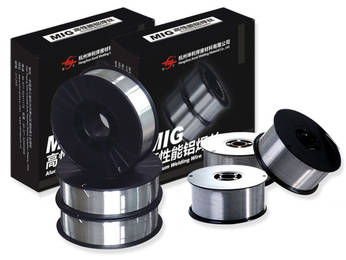
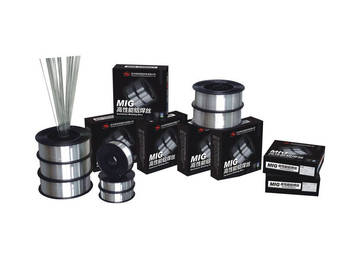
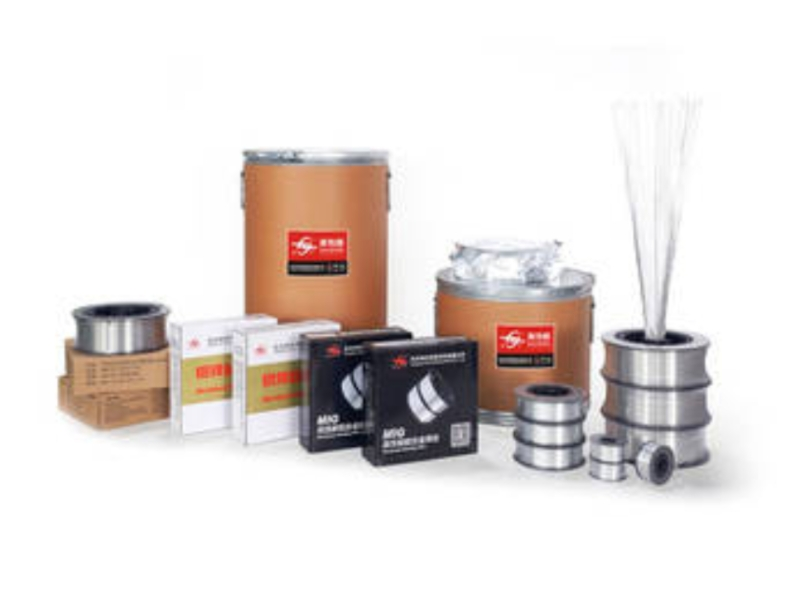
In welding tasks across fabrication, maintenance, and production sectors, the durability, cleanliness, and overall quality of aluminum welds are directly tied to the characteristics of the filler wire. Accomplished Aluminum Welding Wire Manufacturers serve as foundational partners, supplying material that enables steady arcs, reliable feeding, and exceptional weld outcomes. They integrate advanced metallurgical principles with exacting production disciplines to formulate wire ideally configured for the specific behaviors of MIG and TIG aluminum welding. Details ranging from alloy optimization, surface purity, diameter precision, spooling integrity, and robust protective packaging collectively establish the wire's effectiveness in routine shop environments.
What is Aluminum Welding Wire and how does it work in MIG and TIG processes?
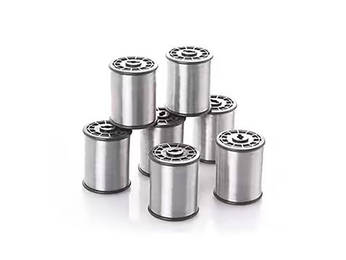
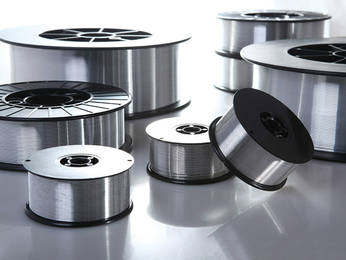
Aluminum Welding Wire is the filler metal used specifically for joining aluminum materials. It is produced from aluminum or specific aluminum alloys to supply the additional metal required in the joint, while aligning with the base material's properties for suitable strength, flexibility, and corrosion resistance in the finished weld.
How Aluminum Welding Wire works in MIG welding
In MIG welding, aluminum wire is stored on a spool and advanced steadily through the feeder, liner, and torch by drive rolls. The wire acts as the consumable electrode—current flows through it to form an arc at the tip, melting the wire and transferring molten droplets into the weld pool. The softer nature of aluminum wire necessitates dedicated setup features like U-groove drive rolls, non-metallic liners, and frequently a spool gun or push-pull system to ensure smooth, uninterrupted feeding. Argon shielding gas safeguards the molten metal, and parameters are tuned for spray transfer to yield efficient, clean welds with good deposition rates.
How Aluminum Welding Wire works in TIG welding
In TIG welding, filler is generally supplied as straight rods held in the welder's free hand. The arc is produced and controlled by a non-consumable tungsten electrode, while the operator manually dips or feeds the rod into the front of the weld pool as required. Alternating current is typically employed for aluminum, delivering oxide cleaning in one phase of the cycle and focused heat input in the other. This manual feeding technique provides outstanding control over filler volume and heat distribution, making it especially suitable for thin stock, precise or out-of-position work, and applications where weld aesthetics and low heat distortion are priorities.
The metal behaves differently when welded, and why that matters
Aluminum instantly develops a durable oxide film with a melting point far above that of the base metal, requiring the arc to clean or breach this layer for the filler to flow and bond effectively. Its high thermal conductivity also rapidly draws heat away from the weld zone, often demanding higher current, adjusted travel speeds, or preheating to obtain proper fusion without incomplete penetration or excessive melt-through. These properties directly influence filler alloy selection—such as 4043 for its good flow characteristics or 5356 for greater tensile strength—as well as choices regarding wire or rod size, gas shielding, and equipment, in order to produce sound, consistent welds.
How modern demand patterns influence filler selection and availability?
Shifts in manufacturing patterns and materials sourcing are changing downstream availability for aluminum consumables. Growing industrial demand for aluminum in lightweight structures and recycled material flows that cross borders can introduce supply variability and pressure on certain alloy series and spool formats. Fabrication operations should monitor supplier notices and maintain a flexible inventory plan to reduce production interruptions when particular wire grades become tight.
What differences appear between MIG and TIG when using aluminum wire?
Welding aluminum with MIG or TIG processes reveals notable differences in wire management, arc stability, welding efficiency, precision levels, and preferred applications. Recognizing these helps select the right method for the specific job, material, and quality expectations.
Wire feeding and handling
In MIG welding, aluminum wire is delivered automatically and continuously from a spool via the feeder system and torch. The wire's inherent softness calls for specialized components—U-groove drive rolls, smooth non-metallic liners, and frequently a spool gun or push-pull setup—to ensure steady, problem-free feeding without kinks or interruptions. The wire doubles as electrode and filler.
In TIG welding, filler is supplied as straight rods and fed entirely by hand into the weld pool. This approach avoids all mechanical feeding complications but requires solid technique and coordination to add the rod consistently at the proper rate and angle.
Arc characteristics and heat control
MIG welding produces a stable, uninterrupted arc with heat regulated primarily through voltage and wire feed speed settings. This reliable energy delivery supports uniform deposition on extended welds or heavier sections.
TIG welding separates heat control from filler addition, allowing the welder to adjust amperage instantly via pedal or control while managing filler independently. This flexibility is particularly useful for handling aluminum's quick heat dissipation and maintaining control on irregular or thin material.
Productivity versus precision
MIG welding emphasizes productivity with its continuous feed, permitting higher travel speeds and increased filler deposition—well-suited for high-volume work or long continuous seams.
TIG welding sacrifices speed for exceptional precision. The manual process enables meticulous bead shaping, exact penetration, and reduced distortion, making it the better option when weld integrity and visual quality are critical.
Typical application differences
- Aluminum Mig Wire is regularly employed for structural assemblies, heavy repairs, automotive frames, tanks, and general fabrication where speed and metal fill are priorities.
- Aluminum Tig Wire is the go-to choice for thin-gauge sheet, piping systems, aerospace components, custom fabrication, and any work requiring outstanding cosmetics, tight tolerances, or minimal heat-affected zones.
These differences highlight how the same aluminum wire can behave very differently depending on whether MIG or TIG welding is used, influencing equipment choice, technique, and final weld characteristics.
Choose wire chemistry according to the base metal and final use
Select filler alloy based on the specific aluminum series being welded to ensure crack resistance, strength retention, and corrosion performance. Commonly selected options include 4043, known for its favorable flow characteristics and lower hot cracking tendency with various alloys, and 5356, valued for its notable tensile strength and compatibility with structural or anodized components. Also consider any finishing processes—certain fillers provide better color match after anodizing or improved paint adhesion.
Quick pairing table for common workplace scenarios
| Base material condition | Typical filler family to consider | Practical notes |
|---|---|---|
| Thin sheet body panels | Softer, more ductile filler | Ease of wetting, low distortion |
| Structural extrusions | Stronger matching filler | Attention to post-weld strength |
| Cast parts | Filler for cast-to-wrought joins | Preheat and slower travel may help |
| Radiators and heat exchangers | Corrosion-tolerant filler | Watch for porosity control |
How mechanical feeding systems affect aluminum wire behavior
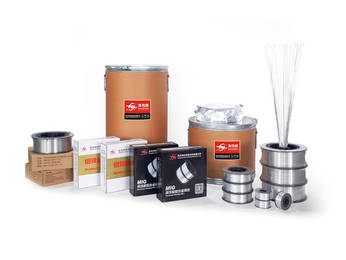
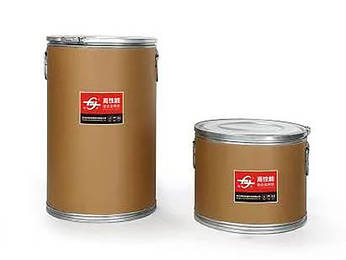
Feeding soft aluminum across a long cable exposes it to friction, kinking, and compression. A short feed path such as a spool gun greatly reduces these problems by placing the drive mechanism at the gun; a push-pull system combines a remote drive at the feeder with a small assist motor in the torch for medium-length runs. Proper system choice alters setup steps, consumable life, and operator technique. Practical demonstrations from manufacturers explain setup and common adjustments for large spools and drum packaging.
Why wire feed problems occur and how to resolve them
Birdnesting, inconsistent feed, and burnback are frequent symptoms when aluminum wire does not cooperate. Causes include incorrect drive-roll geometry, insufficient or excessive spool tension, contaminated liners, worn wire guides, and damaged spool flanges that alter how the wire unreels. A methodical inspection regime—checking grooves on drive rolls, verifying liner compatibility with the wire diameter, and confirming spool seating—eliminates the majority of mechanical feeding faults. Authoritative shop guides provide step-by-step diagnostics and remedies that reduce downtime.
Can storage and handling make wire feed problems worse?
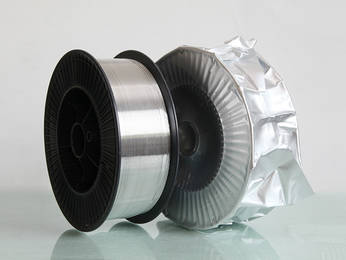
Yes. Exposure to moisture, oils, and particulate will change the surface condition of the wire and promote slippage within liners and contact tips. Rewinding from compromised or inadequately packaged coils can result in coil memory and kinks that cause tangling. Recommended practice includes storage in sealed containers, the use of desiccants in storage cabinets, and careful handling to maintain the coil's round form. When a spool shows discoloration or visible contamination, quarantine it and perform a simple feed test before placing it into production.
How to setup MIG parameters for clean aluminum welds
MIG performance hinges on arc control and shielding. Pure inert gas or argon-rich blends are typical; gas flow and nozzle condition influence shielding coverage and help prevent porosity. Adjust voltage and wire speed so the transfer mode produces a stable spray or pulsed-spray transfer with a smooth cone and good wetting. Torch angle, stick-out, and travel speed together shape bead profile and penetration. Operators commonly record machine presets for recurring jobs to improve consistency.
Why TIG filler handling improves surface quality
TIG enables precise control of heat input and filler placement, which helps achieve cosmetically smooth beads on visible surfaces. Alternating current parameters assist oxide cleaning during the cycle, while manual filler control permits delicate transitions when joining thin gauges. Shielding concentration and pre-cleaning remain important; even a small residue can trap gas and create pinholes.
Typical wire diameter choices and their shop uses
| Wire diameter (approx.) | Typical application | Handling remark |
|---|---|---|
| Small | Thin sheet and panel repairs | Less heat, easier to control |
| Medium | General fabrication | Good compromise for feedability |
| Large | Heavy plate and thicker assemblies | Higher deposition, needs robust feeder |
Why choice between spool gun and push-pull matters for everyday work
Spool guns shorten the drive path and are convenient for frequent handheld welding on thin panels; push-pull setups produce reliable feeding over longer cable runs and reduce operator arm fatigue by keeping the heavier drive unit at the feeder. Budget, reach, and maintenance skillsets steer the decision: spool guns simplify immediate welding but require more frequent spool changes, while push-pull systems add complexity to setup but allow larger spool sizes and longer reach. Practical maintenance routines differ between systems and influence consumable replacement cadence.
How to identify poor-quality wire before it reaches the torch
Visual inspection reveals many supply problems: flattened or kinked lengths, inconsistent sheen, and debris trapped between turns. Mechanical tests—feeding a sample through the intended liner and drive rolls—catch hidden problems such as inconsistent diameter or a tendency to compress. Supplier transparency about mill testing and packaging helps purchasing decisions; shops that receive irregular batches should implement incoming inspection and a short-run qualification weld before committing a spool to production.
What common mistakes waste time and scrap in Aluminum Welding
- Choosing filler without testing on representative scrap panels.
- Running steel consumable settings and expecting similar behavior.
- Ignoring liner wear signs until birdnesting stops the line.
- Using contaminated wire or opening spools in dirty environments.
- Relying on a single supplier without verifying batch consistency.
Each of these errors is avoidable through a combination of operator training, incoming QA, and a documented maintenance cadence for feeders and torches.
How to improve bead appearance and mechanical properties with routine steps
Focus on joint cleanliness, predictable heat input, and consistent shielding coverage. For MIG, minimize stick-out, match drive-roll grooves to wire diameter, and keep contact tips fresh. For TIG, set AC balance to maintain oxide disruption while protecting base metal integrity. Peening and controlled cooling can influence deposit grain structure in certain alloys; choose these interventions carefully and test their effect on mechanical performance before applying them to critical parts.
How external trends reshape consumable choices and business strategy
Broader shifts in materials sourcing and manufacturing decisions affect what wire grades are available and at what rhythm. Growing demand for aluminum from multiple industries leads suppliers to focus production on specific alloy series and spool configurations, resulting in periodic delays in availability. Fabrication shops that diversify supplier networks and plan for flexible inventory levels can dampen the impact of sudden procurement constraints. Reports and industry commentary highlight ongoing pressure points in scrap flows and manufacturing, underscoring the advantage of proactive supply management.
Incoming spool verification, including a visual pass/fail checklist and a short feed test, reveals dimensional and surface defects. Periodic sample welds taken from new batches help reveal porosity trends or unwanted chemistry mismatches. When suspect spools are found, document batch identifiers and provide feedback to the supplier; consistent documentation speeds follow-up and corrective action.
Compact incoming inspection checklist
| Check item | Accept/reject criteria |
|---|---|
| Visual roundness | No flattened turns or kinks |
| Surface finish | No oil, heavy discoloration, or residue |
| Packaging integrity | Seals intact, desiccant present |
| Feed test | Smooth feed through liner and drive rolls |
Which wire options are practical for collision repair and light fabrication?
Automotive body repair often requires delicate heat control, cosmetically acceptable bead appearance, and good corrosion resistance under painted surfaces. Smaller-diameter wire and spool guns are popular for hand-held sheet work, while larger shop jobs benefit from medium-diameter spool-fed systems with appropriate drive roll geometry. Cast-part repair and certain structural joins may require different filler chemistry; in those situations, trial joints and metallurgical consultation are prudent.
How small procedural changes reduce porosity and discontinuities
Cleanliness is the baseline: degreasing, mechanical oxide removal where necessary, and ensuring tight joint fit-up shrink the pathways for gas entrainment. Shielding gas flow that is sufficient and free of drafts, a nozzle free of spatter, and contact tips that match the wire reduce turbulence in the arc and contact resistance at the feed point. When intermittent porosity appears, inspect filler spools for contamination and the torch liner for trapped debris.
Why continuous training extends consumable life and improves throughput
Operators who understand how drive-roll pressure, liner length, and spool seating affect feed reliability spend less time recovering from birdnesting or tip burnback. Simple shop standards—documenting drive-roll groove choices for each diameter, labeling spools with intended process settings, and scheduling liner replacements—translate into measurable reductions in downtime.
How to adapt when a preferred alloy becomes scarce
If a particular filler grade is unavailable, select a compatible alternative that preserves mechanical and corrosion characteristics for the intended component. Compatibility tables and weld testing on representative material remain the safest path; avoid improvising without a test weld and mechanical verification.
Why supplier relationships matter to routine production
Transparent communication with suppliers about packaging practices, available spool sizes, and batch traceability reduces surprises. Suppliers that provide specimen welds, certificate traceability, or pre-inspection options help shops standardize processes. When an issue occurs, documented batches and photographs of defects accelerate supplier responses and reduce repeat occurrences.
How to test the health of a spool in five minutes
- Examine the coil for flattened turns and debris.
- Cut away the starting portion of the wire, then measure for consistency in its diameter.
- Run a short feed through the actual liner and drive rolls to observe behavior.
- Fit a fresh contact tip and perform a short arc on scrap; observe bead shape.
- Record and label the spool condition for future traceability.
Fixing Common Aluminum MIG Welding Problems
Aluminum MIG welding can be tricky due to the wire's softness, the material's quick heat loss, and the ever-present oxide layer on the surface.
| Problem Seen | Main Cause | How to Fix It |
|---|---|---|
| Wire piles up or "birdnests" at the drive rolls | Too much drive roll pressure or a worn liner | Ease off the tension knob and replace the liner with a clean, correctly sized one |
| Wire feeds unevenly or stutters | Dirt, shavings, or wear inside the liner | Blow out the liner with compressed air or replace it if the problem continues |
| Drive rolls turn but wire stays still | Using knurled or smooth rolls unsuitable for soft aluminum | Fit U-groove aluminum drive rolls and set tension just tight enough to feed without slipping |
| Arc burns the wire back into the tip | Feed interruptions or tip bore too large | Resolve any feeding issues first, then install a tip with the right inside diameter |
| Porosity—small pinholes in the bead | Oil, dirt, or oxide on the base metal or wire | Clean the aluminum with a dedicated stainless brush and solvent; keep the wire clean |
| Too much spatter | Voltage too high or arc unstable | Lower voltage or adjust wire speed until you get a smooth, quiet spray arc |
| Bead looks rough or inconsistent | Torch angle changing or travel speed varying | Hold a steady push angle and maintain even hand movement |
| Weld doesn't penetrate deeply enough | Not enough heat for the thickness | Bump up the amperage or slow your travel speed slightly |
| Wire kinks or coils as it comes off the spool | Spool brake set too tight | Loosen the brake so the spool stops immediately when feeding stops—no coasting |
| Contact tip fills up quickly with debris | Wire has oxide buildup or contamination | Run fresh wire from a new spool and store unused spools in a dry place |
Preparing for a New Aluminum Welding Job
Begin by conducting a short trial using the specific wire, feeder, and joint setup planned for production. Assess the weld's appearance, carry out non-destructive inspections if feasible, and note the settings that yielded suitable outcomes. Retain this trial record with the project documentation to support consistent replication.
Techniques that reduce distortion when working on thin assemblies
Lower heat input, rapid tack sequencing, back-step tacking, and mechanical fixturing limit warpage. When carrying out thin-gauge repairs, consider peening or staggered weld sequencing to distribute residual stress; each approach should be tested for its effect on joint properties.
Filler wire selection and handling
| Situation | Wire Characteristic to Prefer | Handling Note |
|---|---|---|
| Fast panel repairs | Small diameter, spool gun | Short feed, minimize heat |
| Large fabrications | Medium diameter | Push-pull, robust feed path, larger spools |
| Cast repairs | Tailored chemistry filler | Preheat and controlled travel |
What everyday improvements reduce consumable waste
Maintain a visible inventory rotation system, train staff to conduct quick spool checks, and store spools in sealed cabinets. Even small process changes, such as matching drive-roll grooves immediately when installing a new diameter, add up over months to significant savings.
For welders, project leads, and supply coordinators, associating with manufacturers who excel in material rigor, manufacturing steadiness, and thoughtful packaging design yields substantial operational gains. Using wire of reliable quality, maintained in good condition, and engineered for proper metal compatibility lowers the occurrence of porosity, feeding issues, and substandard joints. The result is more predictable welding performance, reduced downtime, and better overall resource utilization. Manufacturers that conduct exhaustive quality evaluations, furnish detailed traceability information, and implement packaging resilient to external elements enable welding specialists to fulfill an extensive scope of requirements with proficiency and dependability. Aligning with distinguished manufacturers secures ongoing weld excellence, advances operational productivity, and solidifies long-standing reliability in aluminum construction throughout varied professional landscapes.
NEXT:Choosing the Right Aluminum Alloy Welding Wire