English
  Deutsch


Why ER4943 Differs from Common Aluminum Fillers
Article Directory
- 1 Alloy chemistry and deposit behaviour explain why ER4943 performs differently than common fillers
- 2 When should a fabricator select ER4943 instead of other aluminum fillers?
- 3 How the filler chemistry helps reduce hot cracking and other solidification problems
- 4 Which welding processes pair well with ER4943 and why?
- 5 How ER4943 can improve fatigue behavior in welded structures
- 6 ER4043 versus ER4943: how to pick the better fit for your project
- 7 Five practical welding challenges ER4943 can help manage
- 8 How to tune parameters and technique to boost fusion and fluidity
- 9 Joint design and preparation that support crack-free welding
- 10 Field-friendly handling, spool storage, and contamination control
- 11 Troubleshooting common weld defects and practical remedies
- 12 Fabrication examples where ER4943 provides practical gains
- 13 Comparing alloys for repair and fabrication: qualitative guidance
- 14 Procurement notes and quality assurance cues
- 15 Handling fatigue-prone welds on assemblies in service
- 16 Small bench and shop test plan for adopting ER4943
- 17 Regulatory and specification reminders when welding aluminum structures
- 18 Practical finishing and post-weld treatment tips
- 19 Common misconceptions about stronger deposit fillers
- 20 Shop checklist for daily use of ER4943
- 21 Field repair tips for service technicians
- 22 How procurement choices affect downstream performance
- 23 Final operational considerations before switching fillers
Aluminum Welding Wire ER4943 stands as a workable filler material for diverse fabrication and repair duties, uniting weld deposit strength with practical fluidity and steady resistance to ordinary solidification faults. This wire advances the known attributes of silicon-based aluminum fillers via purposeful chemical alterations that steer weld pool conduct and the deposit's management of loads or heat-involved stages. Fabricators engaged with 6000-series alloys or differing assemblies typically choose ER4943 to ensure stable joint behavior in structural sections, frames, and servicing roles where prolonged effectiveness remains relevant.
Alloy chemistry and deposit behaviour explain why ER4943 performs differently than common fillers
Aluminum Welding Wire ER4943 is positioned between traditional aluminum–silicon fillers and higher-strength aluminum consumables, and its alloy chemistry is the main reason its weld deposits behave differently in daily fabrication and repair work. Instead of focusing on a single performance attribute, the formulation balances fluidity, crack resistance, and deposited strength, which changes how the weld pool forms, solidifies, and responds to stress after cooling.
At the alloy level, ER4943 modifies the silicon-based filler concept by adjusting the overall chemistry so the solidified weld metal develops a more favorable internal structure. During welding, this chemistry influences the way liquid metal transitions into a solid state. The weld pool remains stable and controllable, while the solidification path discourages the formation of long, continuous weak zones inside the bead. For welders, this is experienced as a smoother pool that is easier to manage across varying joint geometries, especially where section thickness changes within the same assembly.
Deposit behaviour is also shaped by how ER4943 interacts with common aluminum base materials. The weld metal tends to dilute in a more predictable manner, which supports consistent bead appearance and mechanical response across multi-pass welds. In contrast to more conventional fillers, the deposited metal shows reduced sensitivity to restraint conditions that often cause cracking as the joint cools. This makes the wire suitable for frames, brackets, and components where fit-up cannot be made perfectly uniform.
From a practical standpoint, ER4943 produces a weld bead that wets well into the joint without excessive spreading. This balance helps maintain bead shape while still achieving good fusion at the toes. Welders often notice that less corrective grinding is needed, particularly on fillet welds, because the transition from weld metal to base material is smoother. These characteristics support better stress distribution once the component is placed in service. Rather than forcing major changes in parameters or operator habits, ER4943 works within existing processes, making its metallurgical differences visible primarily in weld consistency and long-term performance rather than in added complexity on the shop floor.
When should a fabricator select ER4943 instead of other aluminum fillers?
In the practical world of aluminum welding, the filler wire decision often comes down to matching the weld's capabilities to the actual demands the part will face in service. ER4943 has gained strong recognition among experienced fabricators as the preferred filler when the deposited weld needs to supply significant strength and resilience independently, surpassing the performance levels of many everyday aluminum fillers.
Many shops specify ER4943 for work on structures or components that will see regular mechanical loads or challenging operating environments, including items like fencing systems, hydraulic cylinders, roof racks, or assemblies subject to constant motion and force. This alloy reliably forms weld metal with tensile strengths generally around 35 ksi, providing meaningful boosts in yield strength and shear endurance compared to typical silicon-based fillers. These enhancements create joints that better withstand stretching, twisting, or long-term fatigue, which is especially advantageous when welding the frequently specified 6000-series alloys in construction, vehicle, and machinery applications.
ER4943 proves particularly valuable when the fabrication process includes heat treatment or aging stages after the welds are completed. Its optimized alloy makeup allows the weld zone to develop strength effectively through thermal processing, producing final properties that integrate well with the strengthened base metal. This is a key benefit for manufacturing products such as off-road bumpers, display stands, or protective casings, where the whole assembly requires balanced, high-performance characteristics once heat cycles are finished.
Weld configurations that involve mismatched thicknesses, limited joint access, or heavy restraint from fixtures also make ER4943 the stronger option. Differences in heat absorption and cooling speeds can build troublesome stresses with standard fillers, but ER4943 handles solidification more steadily and shows considerably less tendency toward hot cracking. Repair operations on shaped profiles, die-cast pieces, or adapted equipment run more predictably, resulting in fewer flaws and less time spent on rework.
Within the workshop setting, ER4943 is well-regarded for improving weld quality while working comfortably alongside established equipment and techniques. Welders maintain their usual parameter choices—amperage levels, wire feed rates, and gas mixtures—while often achieving better puddle stability, sharper bead edges, and reduced finishing needs. This practical fit enables fabrication crews to deliver more robust and reliable welds efficiently, without complicating standard procedures or demanding new skills.
In essence, ER4943 is the professional-grade selection for any job where the weld must serve as a true structural contributor, offering solid protection against cracking and ensuring dependable performance under tough conditions. For fabricators handling significant aluminum projects and seeking a recognizable enhancement over conventional fillers, ER4943 offers material strength, process consistency, and ease of use that support favorable results and client expectations.
How the filler chemistry helps reduce hot cracking and other solidification problems
Solidification cracking often begins at weak interdendritic regions and propagates along grain boundaries under residual stress. Aluminum Welding Wire ER4943 shifts solidification pathways so that the weld metal is less likely to develop long, continuous cracking paths during cooling. In practice this is observed as fewer long weld-time cracks and improved continuity across complex joint geometries when the procedure is properly controlled. Guidance from manufacturers highlights the low sensitivity to hot cracking in many applications.
Operational measures amplify the alloy's intrinsic resistance: controlled heat input, appropriate travel speed, and deliberate joint geometry reduce stress concentrations that otherwise open up crack nuclei. For thin-gauge work, the combination of wire selection and tight control of arc energy prevents excessive melt-through while keeping the weld bead compact and well fused.
Which welding processes pair well with ER4943 and why?
ER4943 works across common aluminum fusion processes. Gas metal arc welding (MIG/GMAW) adapts well because the wire feeds smoothly and creates a stable arc when the operator uses argon shielding and tuned parameters. Gas tungsten arc welding (TIG/GTAW) also benefits from the alloy when manual control over bead shape and heat input is critical. Pulse variants of MIG reduce overall heat input per pass and help manage weld pool dynamics in positional work.
Process choice depends on joint thickness, access, and production rhythm. For volume work on extruded sections and body members, MIG with proper spool and drive selection allows high deposition rates and repeatable bead quality. For precision welds, overlap repair, and thin panels, TIG provides the control needed to prevent burn-through while securing good fusion. kunliwelding. supports both process types with wire options and welding parameter guidance suited to production and repair environments.
How ER4943 can improve fatigue behavior in welded structures
Fatigue performance is influenced by weld toe geometry, microstructural features in the fusion zone, and residual stress distribution. Deposits made with Aluminum Welding Wire ER4943 tend to form weld beads with good wetting and smoother transitions when the operator uses consistent technique and the right heat input, and that smoother geometry reduces stress raisers where fatigue cracks typically initiate.
Recent studies and comparative tests indicate that filler chemistry adjustments that increase solute content in the weld metal can raise cyclic life in certain alloy pairings, particularly when the weld receives post-weld condition control or heat treatment. Applying appropriate finishing practices, such as controlled grinding and toe profiling, together with the chosen filler, extends the service interval before fatigue-related inspections are required.
ER4043 versus ER4943: how to pick the better fit for your project
A qualitative comparison clarifies selection without invoking numeric values.
| Selection factor | ER4043 (qualitative) | ER4943 (qualitative) |
|---|---|---|
| Typical weldability for general repairs | Widely used for routine repairs | Similar arc stability with higher deposited strength |
| Fusion zone appearance | Consistent bead appearance | Good wetting with slightly altered bead profile |
| Resistance to solidification cracking | Low to moderate sensitivity | Reduced sensitivity in many base alloys |
| Suitability for post-weld heat treatment | Dependent on base metal | Often compatible with heat treat plans |
| Preferred applications | General-purpose welding and brazing-like flows | Structural repairs, fatigue-exposed joints, heat-treatable work |
The choice moves beyond trend and into fit-for-purpose assessment. When the job requires a stronger as-welded deposit without changing the weld shop's base setup, ER4943 is often the wire that saves time by reducing procedure changes. Manufacturer guidance should be reviewed and process trials performed before committing filler choice to production.
Five practical welding challenges ER4943 can help manage
- Longitudinal cracking in long seam welds — ER4943's solidification characteristics reduce the occurrence of continuous cracks when combined with proper joint restraint and heat input control.
- Inconsistent bead wetting on varying substrate geometries — the alloy's flow helps produce consistent weld tie-in across sheet and extrusion transitions.
- Mismatch between required deposit strength and filler capability — ER4943 offers higher deposited strength than traditional silicon-only fillers, helping match structural requirements.
- Fatigue initiation at weld toes — improved bead profile and the ability to support finishing treatments reduce local stress concentrations.
- Unpredictable post-weld mechanical condition — because this filler can produce weld metal that responds favorably to heat treatment plans, weld outcomes are easier to control when downstream thermal treatment is part of the process.
How to tune parameters and technique to boost fusion and fluidity
Weld pool dynamics govern fusion and bead profile. For a given joint, reduce variables by setting a narrow parameter window, using stable wire feed, and applying controlled travel angles to shape the weld pool. Pulse strategies are useful for thick-to-thin transitions and positional welding where heat input must be constrained.
Operators should prioritize consistent arc length, steady travel speed, and a welding angle that encourages smooth fillet formation. Where spatter or smut appear, inspect shielding gas purity and wire surface for contamination. Small changes in wire speed or torch movement often yield substantial improvements in bead wetting without changing consumables.
Joint design and preparation that support crack-free welding
Reliable weld joints rely on thorough preparation before the initial tack. Align parts to avoid sharp gaps that concentrate stress and use chamfers or design features that provide consistent root access. Cleanliness is essential: remove oils, paints, and scale from the weld path. For repair work on painted panels, mechanical cleaning to bare metal is recommended ahead of any fusion process.
Fit-up tolerances influence dilution and cooling rates. For ER4943, aim for consistent gaps and predictable root faces; welding sequences that distribute heat evenly and limit long uninterrupted weld runs reduce residual stresses that otherwise increase cracking risk.
Field-friendly handling, spool storage, and contamination control
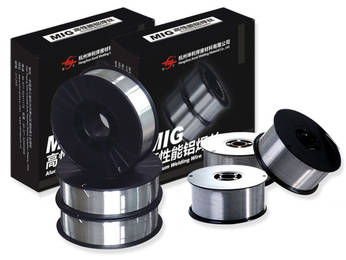
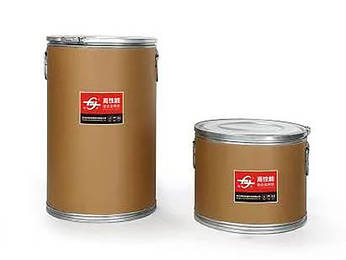
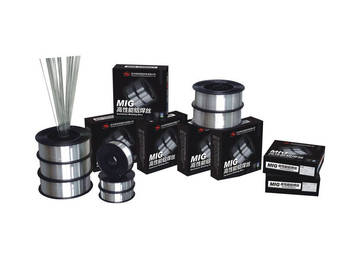
Wire condition directly affects arc stability and porosity. Store spools in a low-humidity environment, avoid oil contact, and maintain clear packaging until the spool is loaded. When transporting wire between stations, keep reels covered to minimize dust pickup.
At the bench, practice good feed path maintenance. Replace liners and contact tips on schedule, and inspect the wire for surface oxidation or debris before use. kunliwelding. provides product handling recommendations and quality checks for spools destined for production lines and mobile repair vans.
Troubleshooting common weld defects and practical remedies
| Symptom | Likely cause | Practical remedy |
|---|---|---|
| Intermittent porosity | Contaminated joint or shielding gas disturbance | Re-clean joint, confirm gas flow and nozzle condition |
| Longitudinal cracks | High restraint or excessive interdendritic weakness | Reduce heat input, alter sequence, or change joint design |
| Poor wetting or cold lap | Low heat input or incorrect travel angle | Increase heat moderately, adjust travel technique |
| Excessive spatter or arc instability | Wire contamination or incorrect polarity | Replace wire spool, check machine settings and current type |
| Inconsistent bead profile | Variable travel speed or erratic feed | Stabilize wire feed and practice consistent travel speed |
Field remedies should be verified with test welds before altering production procedure specifications. A small trial run that documents changes reduces downtime and ensures predictable results.
Fabrication examples where ER4943 provides practical gains
- In a repair bay handling body panels and structural brackets, choosing ER4943 reduces the number of filler changes required across mixed alloy repairs and makes heat treatment scheduling simpler when assemblies are rebuilt. kunliwelding. supports fleet shops with spool sizing and process checklists that match mixed repair volumes.
- In a small structural fabrication shop producing extruded frames, the wire's wetting behaviour aids in forming clean joints without repeated grinding, saving labor while maintaining reliable joint continuity for fatigue-prone members.
Comparing alloys for repair and fabrication: qualitative guidance
When assessing filler choice against a palette of base alloys, consider the match between intended service loads and the filler's as-welded mechanical profile. Where designers need a deposit that will accept post-weld thermal processing without excessive reliance on base metal dilution, ER4943 is commonly considered. For purely cosmetic work or where very high ductility is required, traditional silicon fillers retain utility.
Avoid treating filler selection as purely a materials exercise; overlay it with production realities such as operator skill, process stability, and inspection capability.
Procurement notes and quality assurance cues
When buying wire, request vendor documentation that confirms material conformance to applicable standards and that describes spool packaging and storage recommendations. Inspect spools on receipt for surface condition and consistent coil geometry. Keep traceability records for lots used on critical assemblies so that any post-production inquiry can identify the consumable batch used.
kunliwelding. issues technical data guidance with shipments and recommends small qualification runs for new combinations of base metal, joint design, and process before scaling to production.
Handling fatigue-prone welds on assemblies in service
Designers and welders can act together to reduce fatigue initiation. Favor bead shapes that create smooth transitions at weld toes, specify surface finish practices that remove sharp transitions, and consider local grinding or peening where service loads concentrate stress. ER4943's deposit behaviour supports these practices by forming weld metal that accepts finishing without introducing adverse microstructural features that compromise cyclic life.
Small bench and shop test plan for adopting ER4943
A low-cost test plan speeds adoption and documents outcomes:
- Select representative base metal samples and joint styles.
- Record baseline welds with existing filler using standard shop parameters.
- Trial ER4943 under matched and slightly varied heat input conditions.
- Inspect for bead profile, fusion, and surface defects; perform simple mechanical checks if available.
- Finalize process window and update weld documentation.
This sequence reduces surprises when the wire is introduced to production runs and preserves shop rhythm.
Regulatory and specification reminders when welding aluminum structures
Weld procedure specifications should reflect the filler choice and be validated before use on assemblies subject to structural inspection. Buy wire with declared conformance notes and maintain those documents in quality files. For assemblies requiring third-party inspection, include filler lot numbers in the records to help traceability and post-fabrication review.
Practical finishing and post-weld treatment tips
To enhance appearance and functional performance, clean the weld bead with non-abrasive finishing where corrosion protection is required, and perform blending at toes to remove abrupt transitions. Where assemblies will see finish coats or protective films, ensure surface preparation follows paint system guidance so that bond and corrosion protection are maintained.
Common misconceptions about stronger deposit fillers
A frequent misconception is that higher deposited strength automatically eliminates the need for good joint design and control of residual stress. In reality, stronger deposits reduce but do not remove the need to design welds and weld sequences that limit stress concentration and distortion. ER4943 performs predictably when used alongside robust welding practices.
Shop checklist for daily use of ER4943
| Task | Action |
|---|---|
| Pre-shift spool check | Verify spool condition and wire cleanliness |
| Machine setup | Confirm liner and contact tip condition |
| Shielding gas | Use recommended gas and check flow stability |
| Trial weld | Run a short coupon before starting production |
| Documentation | Log lot number and machine settings for traceability |
A short checklist keeps teams aligned and reduces the probability of process drift over a shift.
Field repair tips for service technicians
For mobile repair where access and cleanliness are challenges, keep a compact cleaning kit, portable gas regulator, and small spool of wire on hand. Use tack sequence techniques to control distortion and prefer short, repeatable runs over long continuous welds on confined structures.
How procurement choices affect downstream performance
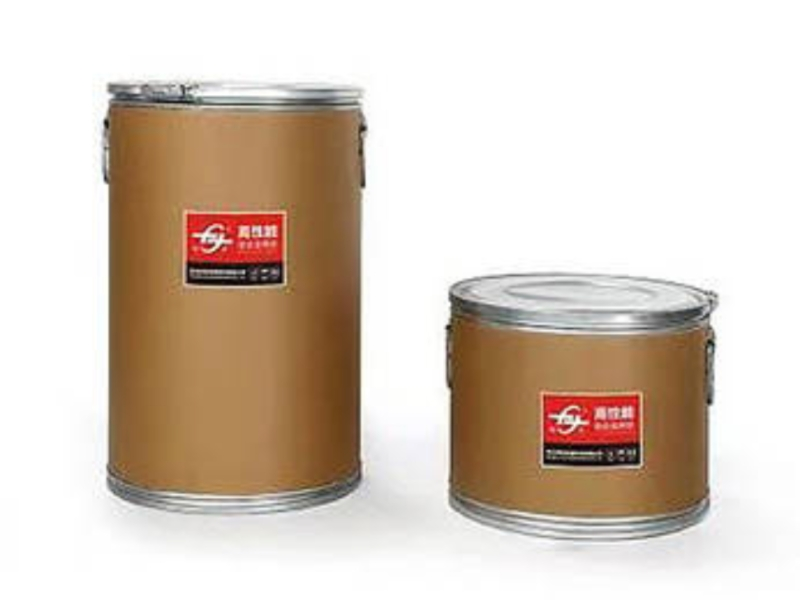
Smaller spool sizes may be appropriate for repair vans to minimize exposure and contamination risk, while larger spools work in steady production lines. Choose package sizes that match consumption to storage capabilities and reduce the risk of reusing partially contaminated spools.
Final operational considerations before switching fillers
Before moving to ER4943 in production, complete a cross-functional review that includes engineering, welding, quality, and procurement to align expectations for mechanical performance, inspection criteria, and supplier support. Validate the final process with a controlled set of assemblies to confirm behaviour under shop conditions.
The elements reviewed—from alloy conduct and process coordination to defect correction, parameter refinement, and actual occurrences—deliver fabricators viable tactics for integrating ER4943 into habitual procedures. Connecting the filler to joint arrangement, base material attributes, and planned operational settings permits workshops to confront difficulties like cracking, fluctuating wetting, and fatigue while upholding reliable throughput. Functional in MIG and TIG modes for primary creations or alterations, ER4943 promotes the formation of resilient welds that advance part longevity when linked with detailed readiness, dependable execution, and required ensuing processes. Consulting supplier references and executing initial welds offers a beneficial avenue for adapting this wire to distinct shop configurations and assignment specifics.
NEXT:Guide to Industrial Aluminum Welding Wire — The Basics