English
  Deutsch

What Are the Optimal MIG Welding Parameters to Prevent Porosity When Using ER5183 Welding Wire?
Article Directory
- 1 1. Shielding Gas Dynamics and Flow Rate Optimization
- 2 2. Electrical Parameters: Voltage, Wire Feed Speed, and Arc Length
- 3 3. Quality Control and Material Integrity
- 4 Conclusion: Achieving Engineering Excellence
- 4.1 Frequently Asked Questions (FAQ)
- 4.1.1 1. Why is my ER5183 welding wire producing black soot?
- 4.1.2 2. How to prevent porosity in aluminum MIG welding when working outdoors?
- 4.1.3 3. ER5183 welding wire storage and handling: How should I store opened spools?
- 4.1.4 4. Choosing between ER5356 and ER5183 wire: Which is better for salt water?
- 4.1.5 5. What aluminum welding wire certification should I look for?
- 4.2 Industry References
- 4.1 Frequently Asked Questions (FAQ)
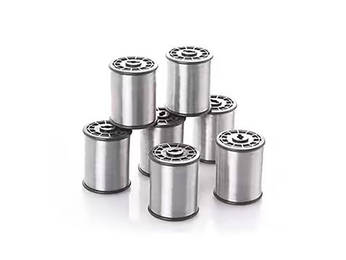
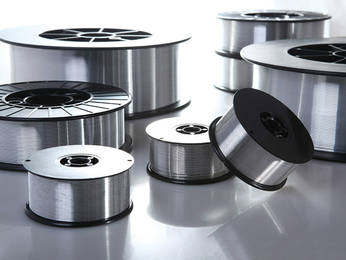
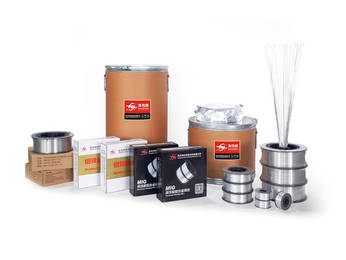
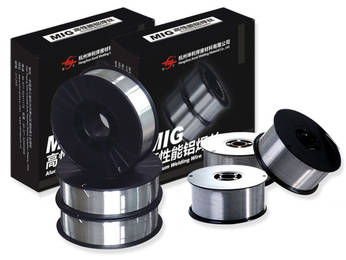
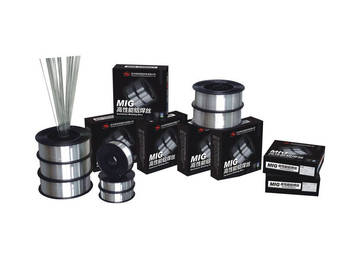
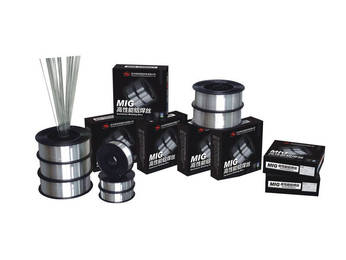
In high-performance aluminum fabrication, particularly within the marine and heavy structural industries, ER5183 welding wire is the gold standard for welding high-magnesium 5000-series alloys. However, the technical challenge of hydrogen-induced porosity often plagues even experienced fabricators. Hangzhou Kunli Welding Materials Co., Ltd., located in Xiaoshan District, Hangzhou, leverages over 20 years of expertise to manufacture premium ER5183 welding wire. Our facility integrates international advanced manufacturing equipment and a strict quality control system, breaking the reliance on imported materials for major entities like China CRRC and Maersk.
1. Shielding Gas Dynamics and Flow Rate Optimization
Porosity in aluminum welding is primarily caused by hydrogen trapped in the molten weld pool. Because aluminum has a high hydrogen solubility in its liquid state but very low in its solid state, gas management is critical. When comparing Argon vs Helium-Argon mixtures for ER5183, pure Argon is typically used for thinner sections, while Helium additions are preferred for thicker plates to increase heat input and allow more time for gas to escape before solidification. Maintaining a stable ER5183 welding wire gas flow rate is essential; too low a flow allows atmospheric contamination, while too high a flow creates turbulence that draws in air. For preventing porosity in aluminum MIG welding, a steady flow of 15-20 L/min is generally recommended depending on the nozzle size.
Shielding Gas Impact Analysis
- Pure Argon (I1): Provides good arc stability and cleaning action for many ER5183 aluminum wire applications.
- Argon/Helium Blends (I3): Enhances penetration and reduces the risk of fusion defects in heavy-duty structural work.
| Gas Type | Penetration Profile | Porosity Risk Management |
| Pure argon | Finger-like / Shallow | Optimal for thin sheets; high arc stability |
| 75% Ar / 25% He | Broad / Deep | Reduced risk in thick sections due to slower cooling |
| Argon with 0.03% Nitric Oxide | Consistent | Advanced protection against ozone and surface oxidation |
2. Electrical Parameters: Voltage, Wire Feed Speed, and Arc Length
The transition from globular to spray transfer is vital when using ER5183 welding wire. Operating in the spray transfer mode minimizes spatter and ensures a clean, non-porous bead. Setting the correct MIG voltage for ER5183 is a balancing act; excessive voltage creates a long arc that can break the gas shield, while low voltage causes short-circuiting and cold-lap. Engineers must also consider ER5183 wire feed speed vs current ratios. Because ER5183 contains approximately 5% Magnesium, it is more susceptible to "dross" formation if the arc is unstable. Proper MIG welding aluminum techniques for ER5183 involve a "push" angle of 10-15 degrees to allow the cleaning action to precede the weld pool.
Recommended Parameter Sequence
- Current Selection: Match current to the base metal thickness (e.g., 180-240A for 6mm plate).
- Voltage Adjustment: Typically 22-26V to maintain a crisp spray transfer.
- Contact Tip to Work Distance (CTWD): Maintain 15-20mm to avoid overheating the tip and ensuring consistent ER5183 welding wire feeding.
| Parameter Variable | Effect of "Too Low" Setting | Effect of "Too High" Setting |
| Arc Voltage | Short-circuiting, high spatter | Arc instability, atmospheric suction (Porosity) |
| Wire Feed Speed | Insufficient penetration | Weld bead "humping," excessive heat |
| Travel Speed | Burn-through / Large grain size | Lack of fusion / Gas entrapment |
3. Quality Control and Material Integrity
Even with carefully chosen parameters, porosity can occur if the wire itself is contaminated. Hangzhou Kunli ensures ER5183 welding wire quality control through advanced shaving and cleaning processes, removing surface oxides that harbor moisture. Our aluminum welding wire certification from DB, CE, ABS, DNV, and CCS guarantees that the wire meets international standards for cleanliness and chemistry. When choosing between ER5356 and ER5183 wire, the latter provides higher tensile strength in the as-welded condition for 5083 and 5456 base materials. Furthermore, the benefits of high-magnesium ER5183 wire include favorable corrosion resistance in marine environments, provided the ER5183 welding wire storage and handling protocols are strictly followed to prevent hydration of the surface oxide layer.
Critical Preparation Steps
- Base Metal Cleaning: Use stainless steel wire brushes exclusively for aluminum to remove surface oxides.
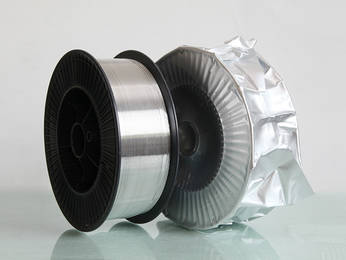
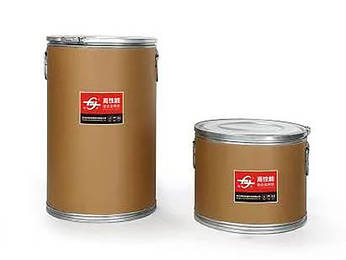
- Moisture Control: Store ER5183 welding wire in a temperature-controlled environment to prevent condensation.
- Preheating: In heavy sections (>12mm), a moderate preheat (65°C) can help drive off moisture and reduce the cooling rate.
Conclusion: Achieving Engineering Excellence
Preventing porosity with ER5183 welding wire requires a holistic approach that combines high-purity consumables with optimized electrical and gas parameters. Through proper application of ER5183 aluminum wire and adherence to appropriate MIG parameters, fabricators can achieve high-strength, marine-grade joints that meet rigorous international certifications.Hangzhou Kunli Welding Materials Co., Ltd. remains committed to providing high-performance aluminum alloy welding wire that successfully replaces imported products, serving the global market with professional capabilities and stable quality.
Frequently Asked Questions (FAQ)
1. Why is my ER5183 welding wire producing black soot?
Black soot is usually magnesium oxide. It often results from an incorrect work angle or insufficient shielding gas flow. Ensure you are using a "push" technique to allow the arc's cleaning action to work effectively.
2. How to prevent porosity in aluminum MIG welding when working outdoors?
Outdoor welding is difficult for aluminum MIG because wind disrupts the shielding gas. You must use wind screens and potentially increase the ER5183 welding wire gas flow rate to maintain protection.
3. ER5183 welding wire storage and handling: How should I store opened spools?
Opened spools should be stored in a dry cabinet or a heated storage room. If left on the machine overnight in humid conditions, the wire can hydrate, resulting in noticeable porosity during subsequent use.
4. Choosing between ER5356 and ER5183 wire: Which is better for salt water?
While both are good, ER5183 welding wire is specifically designed to match the high-strength and corrosion-resistant properties of 5083 and 5456 alloys commonly used in ship hulls.
5. What aluminum welding wire certification should I look for?
For critical structural or marine work, ensure the wire has certifications from recognized bodies such as ABS (American Bureau of Shipping), DNV (Det Norske Veritas), or CE for European compliance.
Industry References
- AWS A5.10: Specification for Bare Aluminum and Aluminum-Alloy Welding Electrodes and Rods.
- ISO 18273: Welding consumables — Wire electrodes, wires and rods for welding of aluminum and aluminum alloys.
- Aluminum Association: "Welding Aluminum: Theory and Practice."
- Kunli Technical Archive: "Hydrogen Solubility and Porosity Control in 5000 Series Alloys" (2025).
NEXT:Aluminum Alloy Wire: 5 Tips to Prevent Corrosion With Copper