Introduction
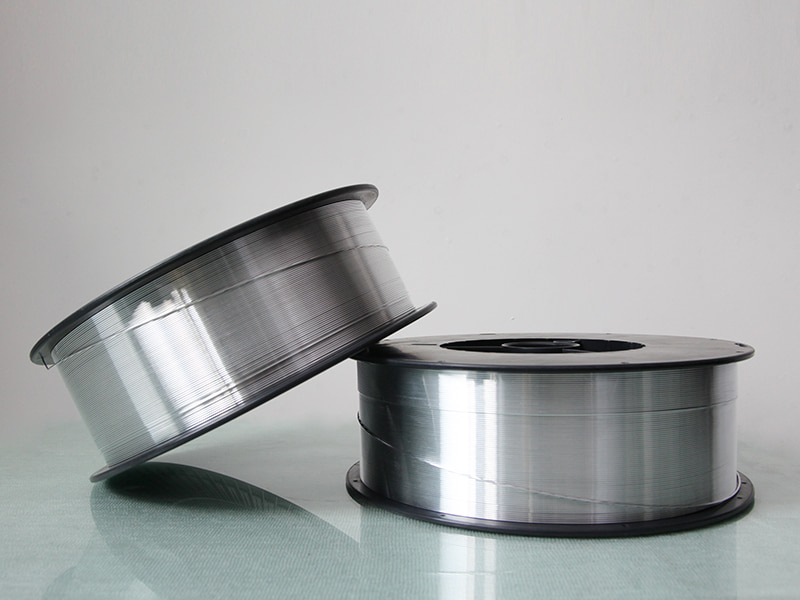
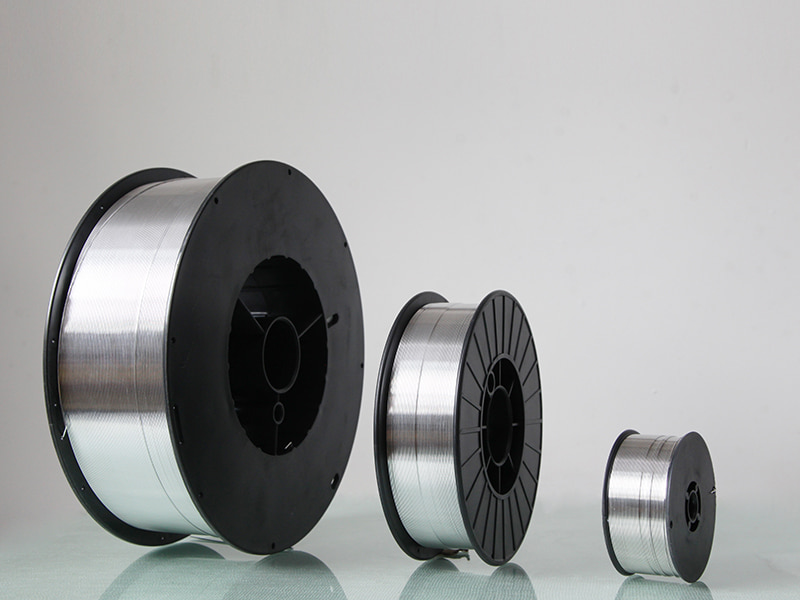
Porosity—tiny trapped gas pockets—is the most common defect in aluminum welding and severely compromises the fatigue life and static strength of a weld. Our low porosity filler line is our premium commitment to weld integrity. We control the hydrogen content from the raw billet stage via vacuum degassing, and continuously remove surface oxides that carry moisture into the weld pool. By providing an ultra-clean wire, we drastically simplify the fabricator's job, ensuring that even under less-than-perfect shop conditions, the resulting weld meets the most stringent Non-Destructive Testing (NDT) requirements.
Specification
| Key Process Control | Mechanical Shaving (Die Shaving) and Vacuum Degassing of Billet |
| Porosity Metric | Guaranteed volumetric porosity <0.5% in standardized weld pads |
| Primary Source | Hydrogen (absorbed moisture and residual gas in billet) |
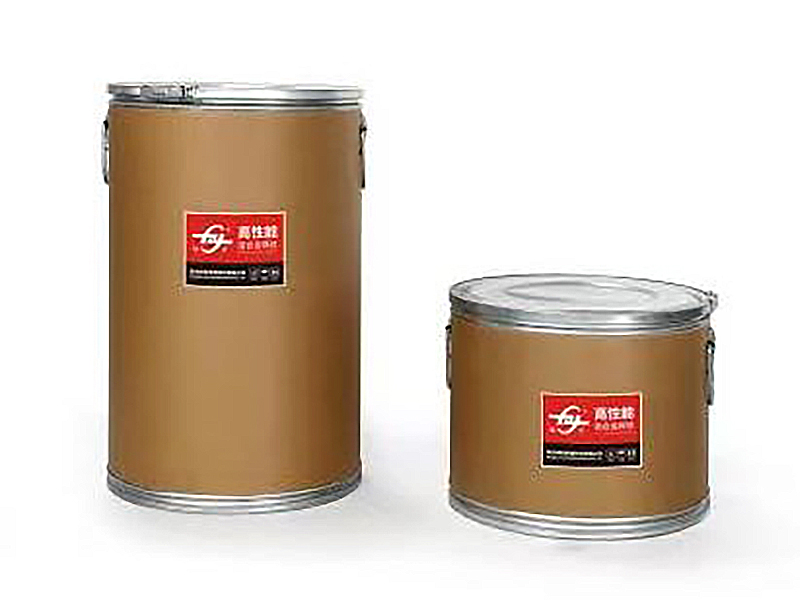
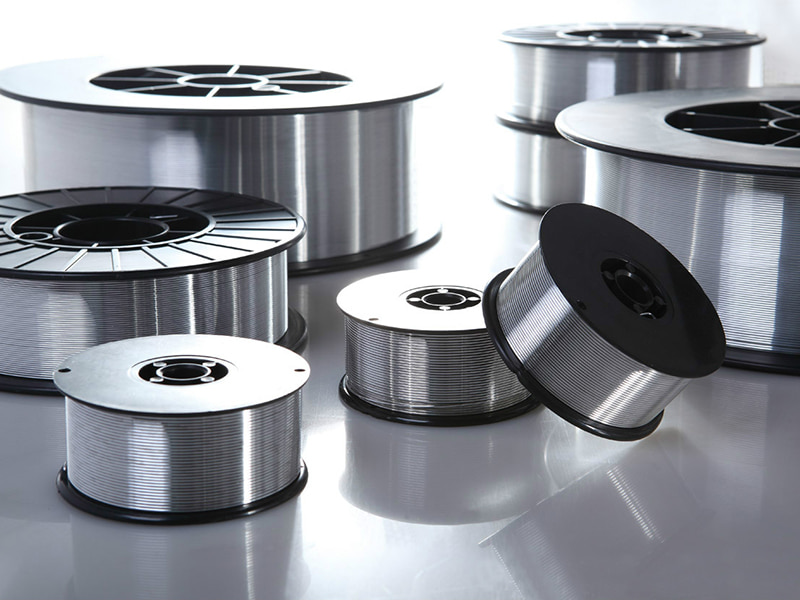
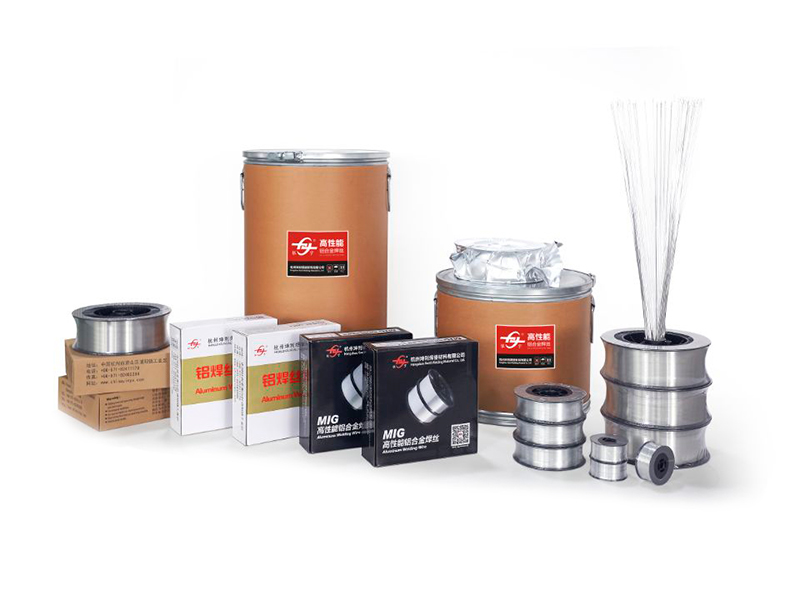
| Packaging Method | Hermetically sealed, foil-laminate or metalized bags/drums |
| Test Compliance | Designed to pass AWS D1.2, API 1104, and ASME Section IX NDT standards |
Applications and Solutions
Pressure Vessels and Pipelines: Mandated for components built to ASME Boiler and Pressure Vessel Codes where X-ray quality welds are compulsory.
Aerospace and Defense Structures: Critical load-bearing joints requiring sub-0.5% volumetric porosity for fracture toughness and fatigue performance.
Subsea and Offshore Fabrication: Welding components designed for continuous submerged service where high structural integrity is essential.
High-Cycle Fatigue Applications: Any structure subject to constant stress reversal where internal defects must be eliminated to prevent crack initiation.
FAQ
- Q: What is the main cause of porosity in aluminum welding?A: Hydrogen. Aluminum readily dissolves hydrogen gas in its liquid state. As the weld pool solidifies, the solubility drops drastically, and the hydrogen precipitates out, becoming trapped as spherical pores within the solid metal. The sources are primarily moisture (from oxides, air) or residual gas in the base metal/filler.
- Q: Does a smooth weld bead mean the weld is free of porosity?A: No. Surface appearance relates to arc stability and technique. Internal porosity is only detectable through volumetric Non-Destructive Testing (NDT) methods like X-ray radiography or ultrasonic testing.
- Q: How does mechanical shaving reduce porosity?A: Mechanical shaving removes the outer layer of the aluminum wire, which contains the majority of the surface oxides and adsorbed moisture. This prevents these contaminants from entering the weld pool and generating hydrogen gas.
English
Deutsch
English
Deutsch