Enduring Environmental Extremes
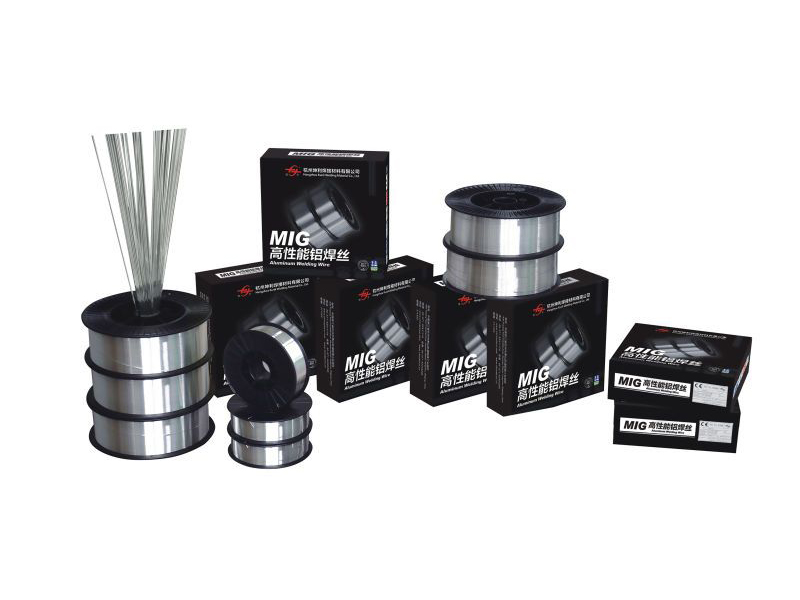
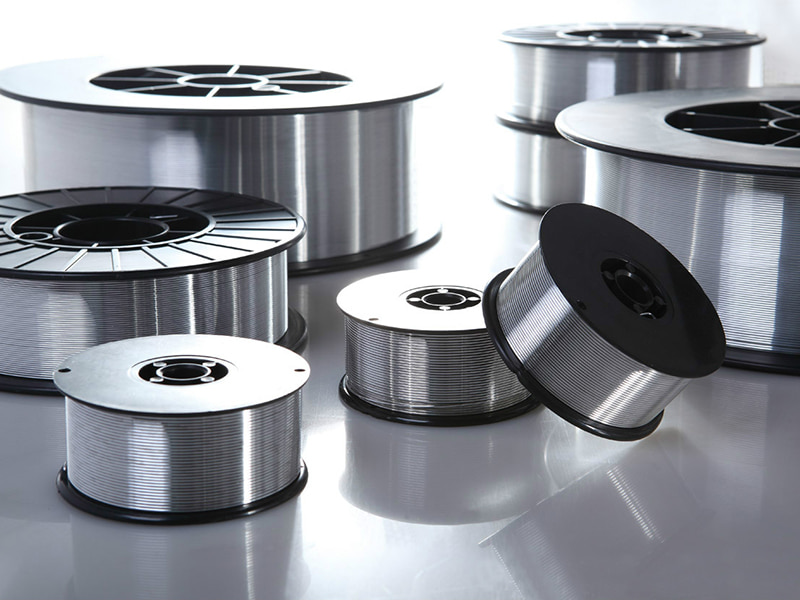
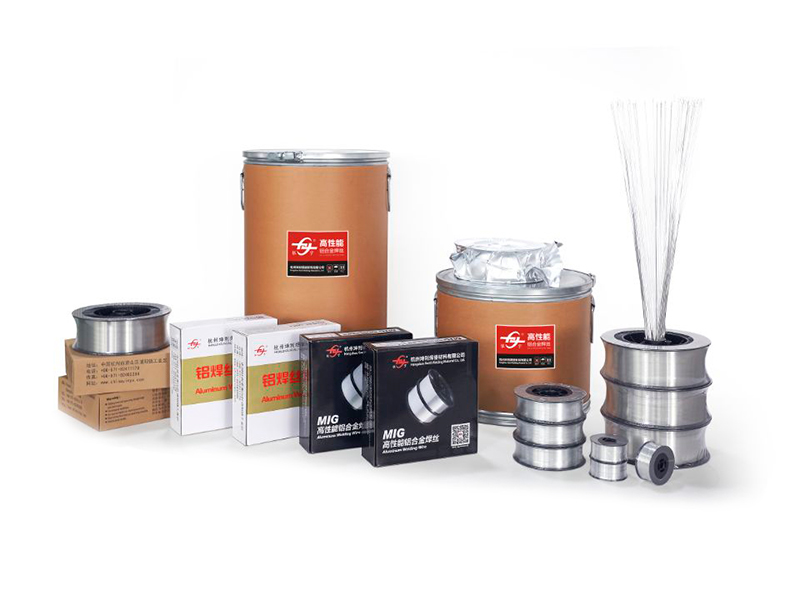
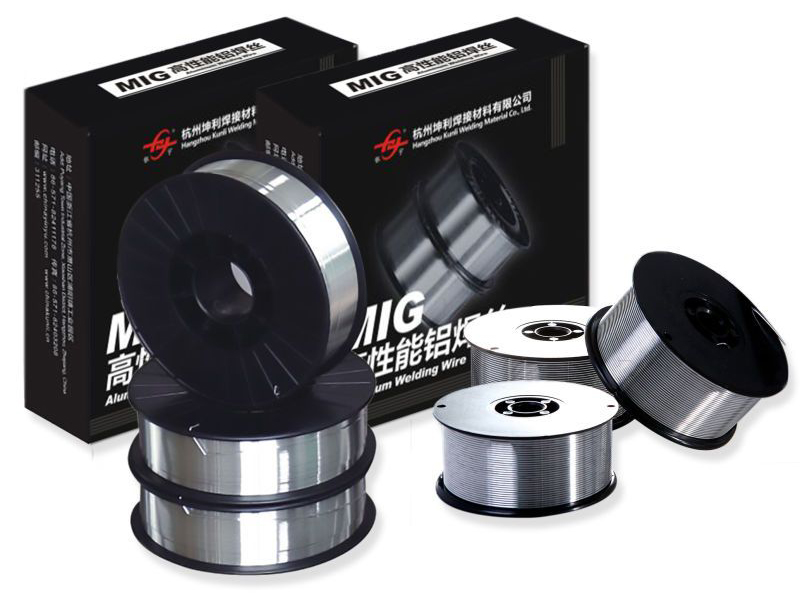
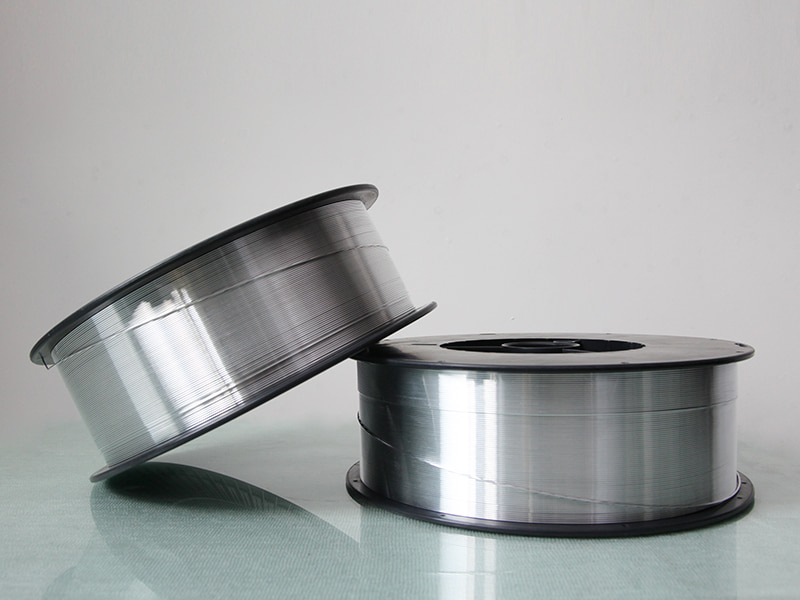
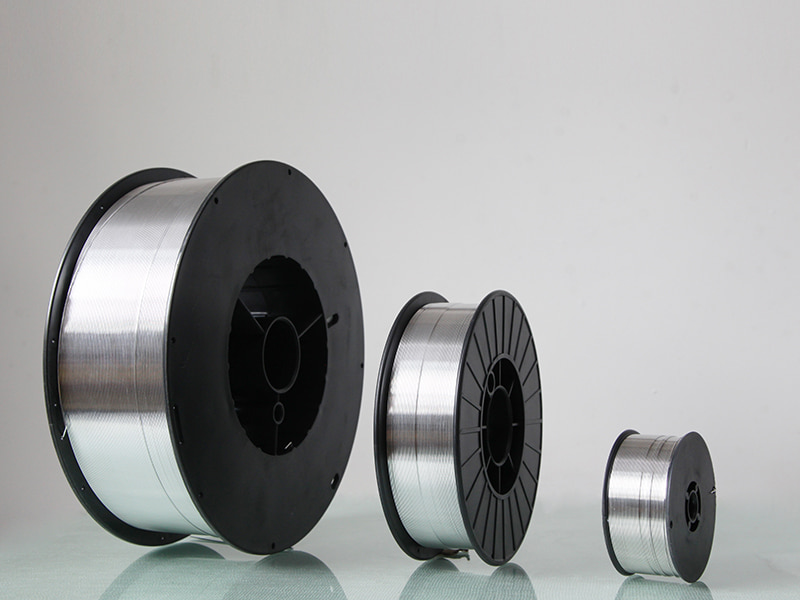
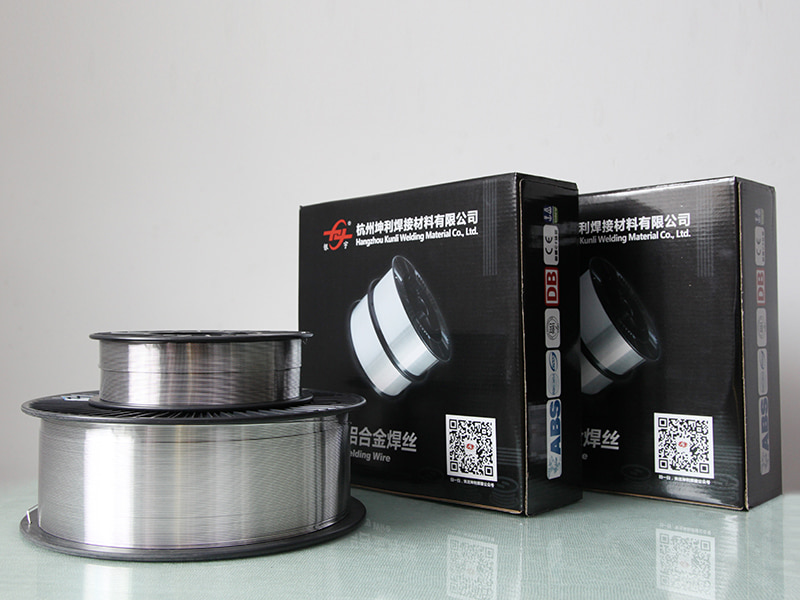
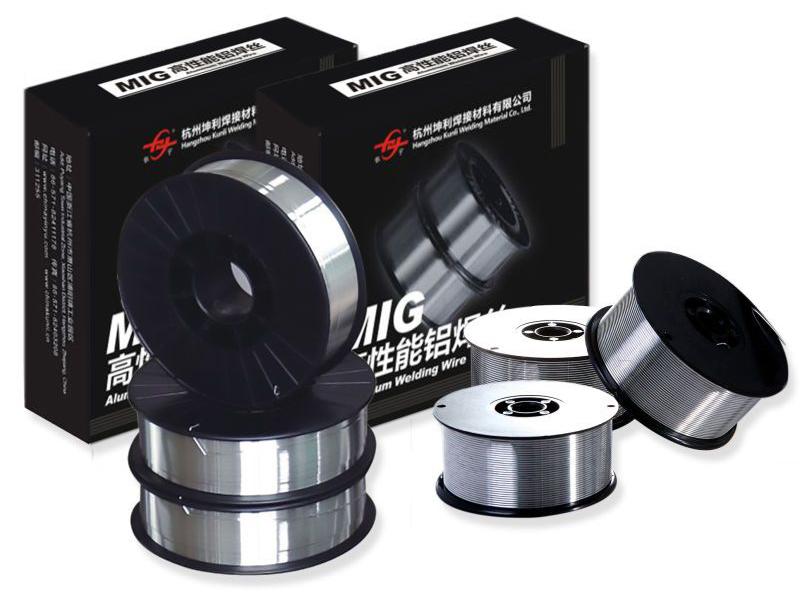
We believe that structural integrity should never be compromised by the environment. Our "Corrosion-Guard" aluminum wire is the result of decades of metallurgical research into alloy stability. We provide manufacturers with a filler metal that doesn't just join parts—it protects them. By ensuring chemical homogeneity between the weld and the base metal, we help our clients build infrastructure that survives in the most aggressive industrial and coastal atmospheres without the need for expensive coatings.
Corrosion Technical Specs
| Alloy Type | ER5183 / ER5356 (Low Cu) |
| Salt Spray Test | >10,000 hours (No pitting) |
| Pitting Potential | −0.75 to −0.80 V (vs SCE) |
| Tensile Strength | ≥275 MPa |
| Standard | ASTM G66 / G67 Compliant |
Corrosion-Resistant Scenarios
Desalination Plants: Welding 5083-grade aluminum piping for high-salinity brine processing.
Chemical Scrubbers: Fabrication of exhaust systems exposed to acidic or alkaline vapors.
Coastal Infrastructure: Welding structural components for bridges and piers in salt-mist zones.
Solution: Eliminating "weld-decay" in acidic environments by utilizing our low-impurity ER5183 wire with stabilized magnesium content.
Professional FAQ
- Q: Is 4043 corrosion resistant?A: No. Silicon-based fillers (4043) have poor corrosion resistance in seawater compared to magnesium fillers (5XXX).
- Q: Does welding heat affect corrosion resistance?A: Excessive heat can cause magnesium migration; use pulsed-MIG to maintain optimal corrosion properties.