Introduction
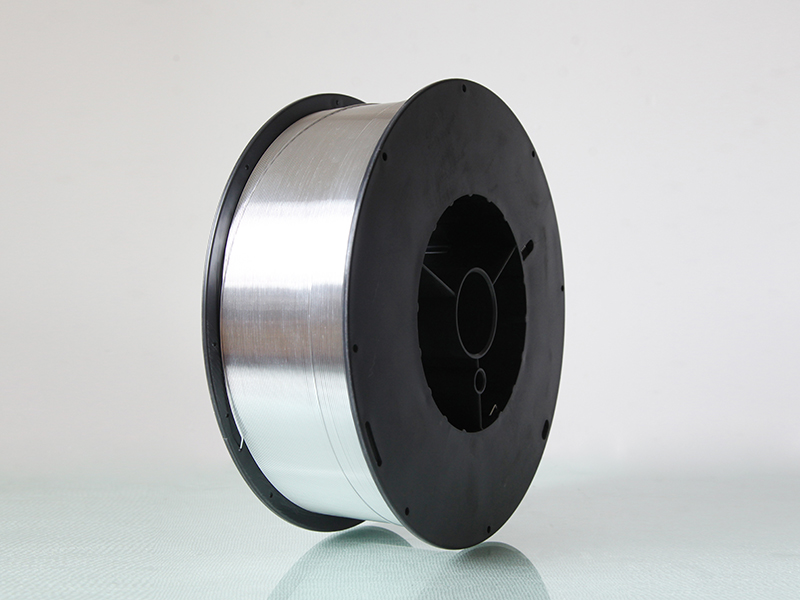
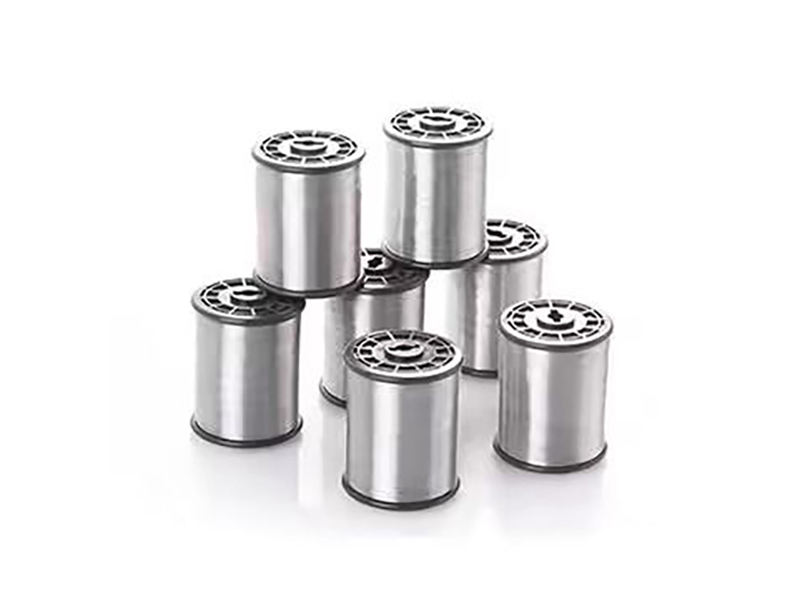
Corrosion is the single greatest threat to aluminum structures in coastal and chemical environments. Using the wrong filler metal can create a cathodic or anodic region in the weld bead, accelerating localized corrosive attack and leading to premature structural failure. Our corrosion-resistant wire portfolio focuses exclusively on high-Magnesium content alloys that achieve a corrosion potential (measured in the Galvanic Series) that is closely matched to the corrosion-resistant base metals they join. This material is your first line of defense against pitting, crevice, and stress corrosion cracking (SCC).
Specification
| Alloy Focus | ER5183, ER5356, ER5556 (High Mg content) |
| Corrosion Type Targeted | Pitting, Stress Corrosion Cracking (SCC) in saltwater |
| Key Property | Galvanic Potential Match to Base Metal, Tough Oxide Film Formation |
| Impurity Limit | Strict limits on Cu(<0.10%) and Fe to prevent galvanic sites |
| Test Standard | ASTM G44 or G47 Salt Spray/Alternate Immersion Testing |
Applications and Solutions
Marine and Shipbuilding: Welding hulls, decks, piping, and fixtures exposed to saltwater and spray (often 5083 or 5052 base metals).
Offshore Platforms: Fabrication of walkways, railings, non-slip surfaces, and accommodation modules in splash zones.
Chemical and Petrochemical Plants: Welding tanks and piping exposed to acidic or alkaline environments.
Coastal Infrastructure: Fabrication of aluminum components for bridges, docks, and coastal rail systems.
FAQ
- Q: Can ER4043 be used in saltwater environments?A: No. ER4043 (Al-Si) alloys are highly susceptible to pitting corrosion in saltwater due to the galvanic potential difference between the Al-Si eutectic phases and the aluminum matrix. Always use 5XXX alloys for marine exposure.
- Q: Which 5XXX filler offers the highest corrosion resistance?A: ER5356 and ER5183 offer excellent resistance. ER5183 generally provides slightly higher strength and is often preferred for welding high-strength base metals like 5083.
- Q: What is the risk of SCC with high Mg alloys?A: High Mg alloys (like ER5183 and ER5556) can become susceptible to SCC if subjected to prolonged temperatures above 65∘C. For high-temperature corrosion service, specialized low-Mg alloys are needed.
English
Deutsch
English
Deutsch