Introduction
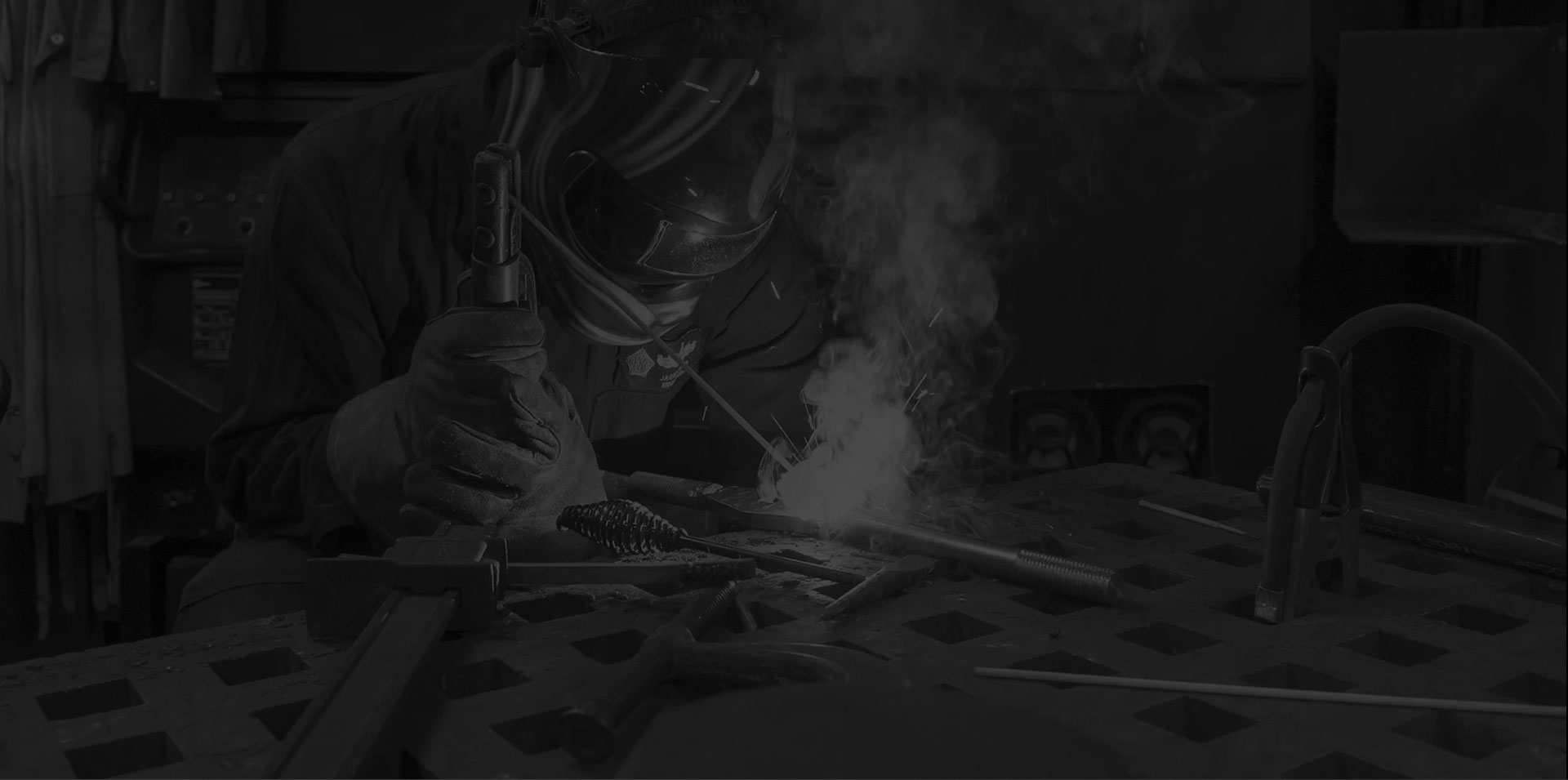
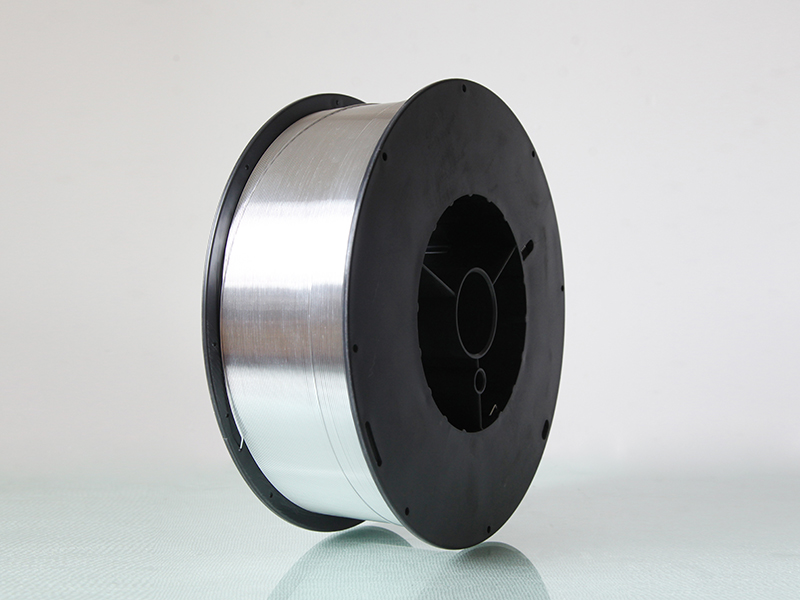
Offshore environments combine high structural stress, dynamic wave loading, and continuous exposure to corrosive saltwater. Our offshore wire represents the pinnacle of Al-Mg consumable technology, focusing on ER5183 for its balance of structural performance and corrosion immunity. We ensure that every batch is tested not just for chemistry, but for mechanical properties in simulated cold/corrosive conditions, providing the reliability required to prevent catastrophic failure in remote, high-consequence structures where inspection and repair are extremely challenging and costly.
Specification
| Target Environment | Offshore Splash Zone (Saltwater, Dynamic Load) |
| Standard Alloy | ER5183 (High Strength Marine/Offshore) |
| Compliance Code | DNV GL, API 2FB, ISO 9015-1 (Toughness) |
| Key Test | Low-Temperature Charpy V-Notch, UT/RT Inspection |
| Strength Focus | High Weld Tensile Strength (∼300 MPa) |
Applications and Solutions
Topsides Modules: Welding structural framework for accommodation, equipment skids, and pipe racks to minimize platform top-heaviness.
Helidecks: Fabrication of high-strength landing decks exposed to the continuous, highly corrosive marine atmosphere.
Subsea Housings (Ambient Temp): Welding protective aluminum housings and enclosures for subsea equipment and sensors.
Offshore Crane and Jib Repair: High-strength repair of boom and jib components exposed to heavy dynamic loads.
FAQ
- Q: Why is ER5183 preferred over ER5356 for offshore?A: ER5183 offers higher tensile strength and typically better fatigue performance than ER5356, making it the preferred choice for primary, high-stress structural welding on offshore platforms.
- Q: Is there any risk of hydrogen cracking in offshore aluminum welding?A: Aluminum does not suffer from hydrogen embrittlement like steel. However, hydrogen causes porosity. Due to the high humidity offshore, filler metal and base metal must be kept impeccably clean and dry to prevent porosity.
- Q: Are specialized welding processes used offshore?A: Yes. Low heat input processes like Pulsed MIG or CMT are often preferred to minimize distortion and reduce the softening of the HAZ in large, expensive 5083 plates.
English
Deutsch
English
Deutsch