Containing the Pressure
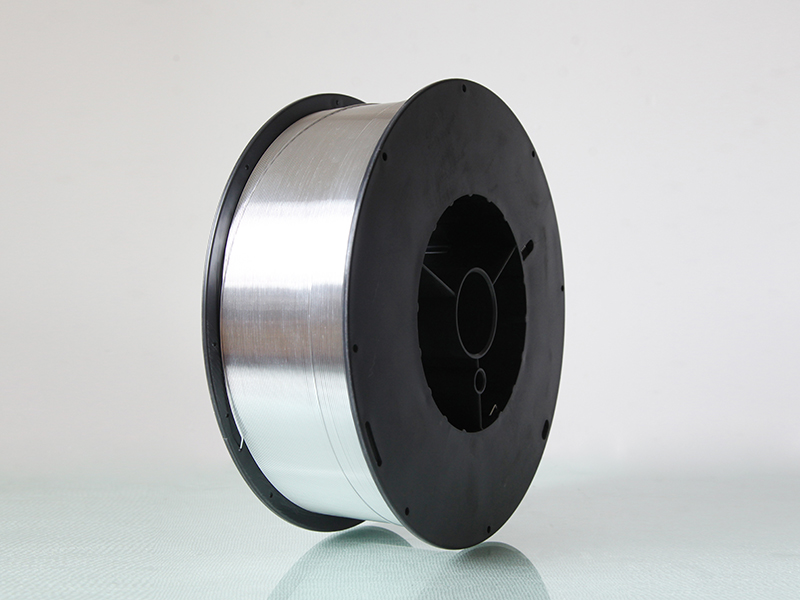
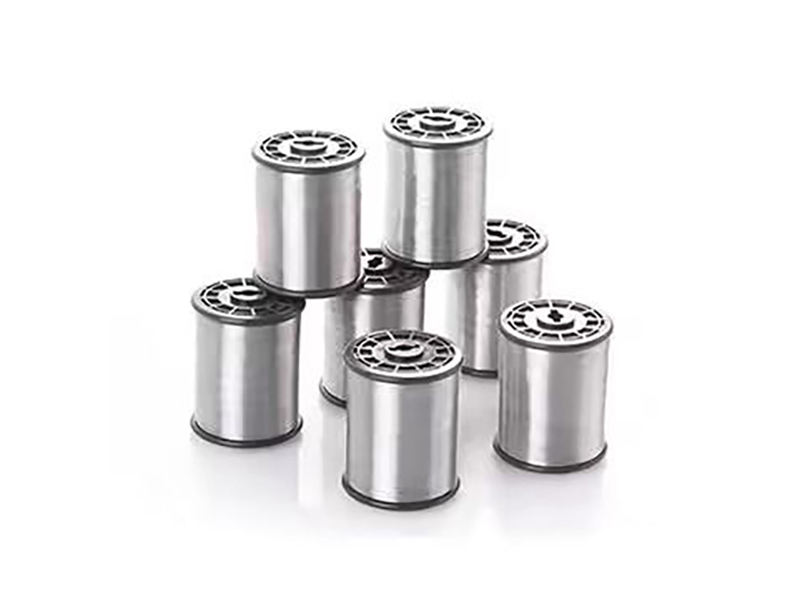
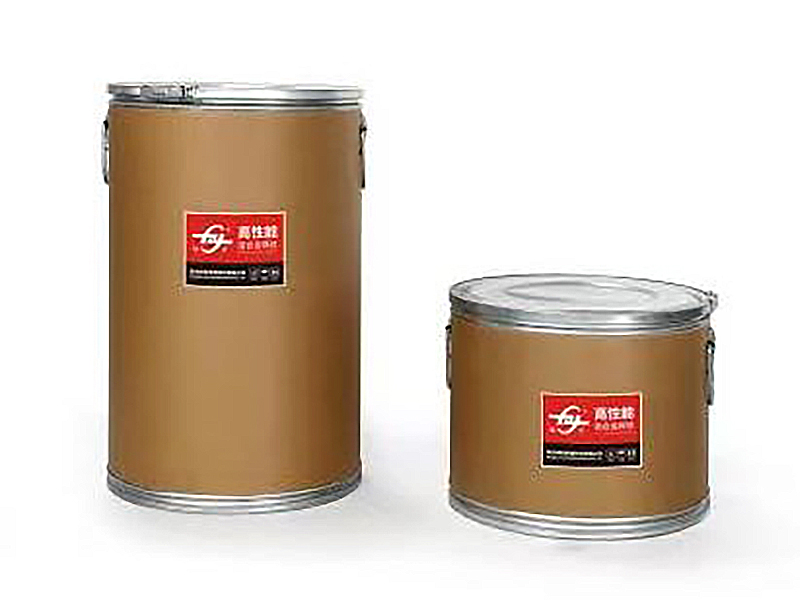
We are the trusted partner for the global chemical, gas, and energy sectors. We understand that in pressure vessel manufacturing, "almost" is not good enough. A single leak can lead to catastrophic failure. Our pressure-grade wire is manufactured in a controlled environment to ensure the highest possible internal soundness. We provide the material reliability that allows our clients to build high-pressure storage systems and cryogenic vessels that operate safely for decades.
Pressure Tech Specs
| Compliance | ASME Sec IX / EN 13445 |
| Alloys | ER5183, ER5356, ER5554 |
| Porosity Limit | <1% (Radiographic Grade) |
| Temp. Range | −196∘C to +65∘C (Standard) |
| Joint Efficiency | 0.85−1.0 (Joint design dependent) |
Pressure Scenarios
Cryogenic LNG Tanks: Welding 5083 plates for liquefied natural gas storage at −162∘C.
Air Receiver Tanks: High-speed fabrication of aluminum tanks for compressed air systems.
Chemical Reactors: Joining aluminum vessels for the pharmaceutical and food processing industries.
Solution: Passing 100% X-ray inspection on 25 mm thick plate welds by utilizing our ultra-clean, gas-atomized 5183 filler wire.
Professional FAQ
- Q: Why is porosity so dangerous in pressure vessels?A: Internal voids act as stress concentrators; under pressure, these can expand and lead to catastrophic rupture.
- Q: Can I use 4043 for pressure service?A: Generally no. Silicon-based fillers (4043) are more prone to leak and have lower ductility than magnesium fillers (5183) for pressure service.