The Weight-Saving Advantage
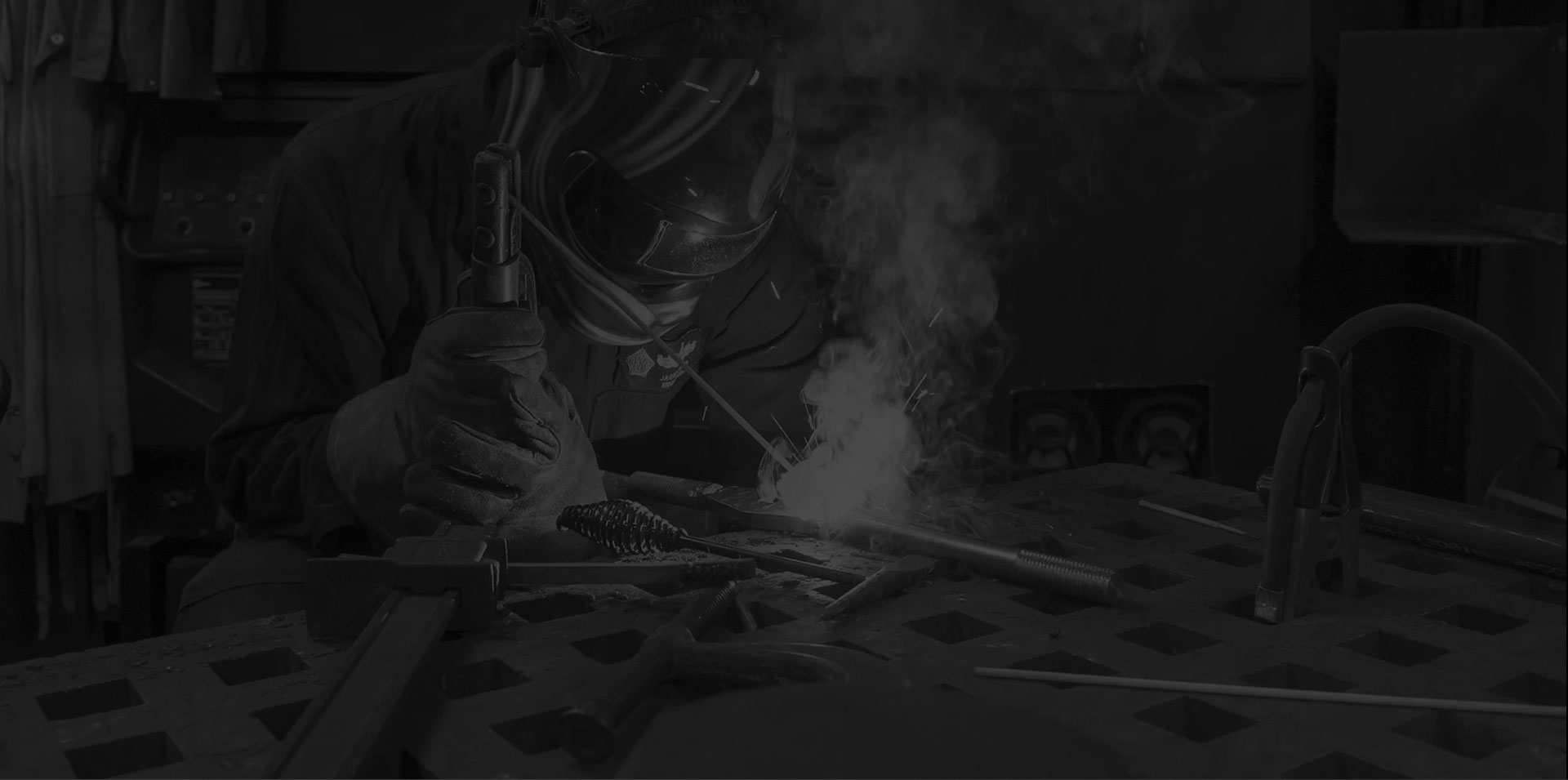
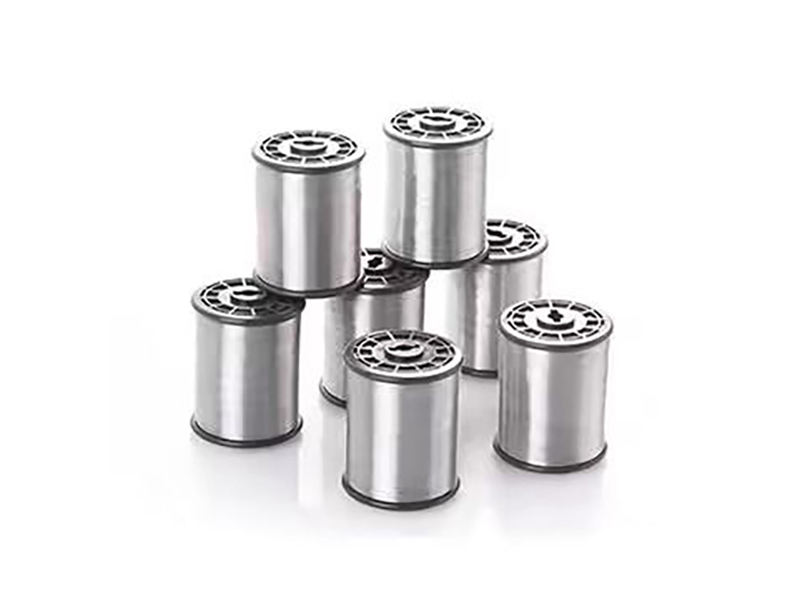
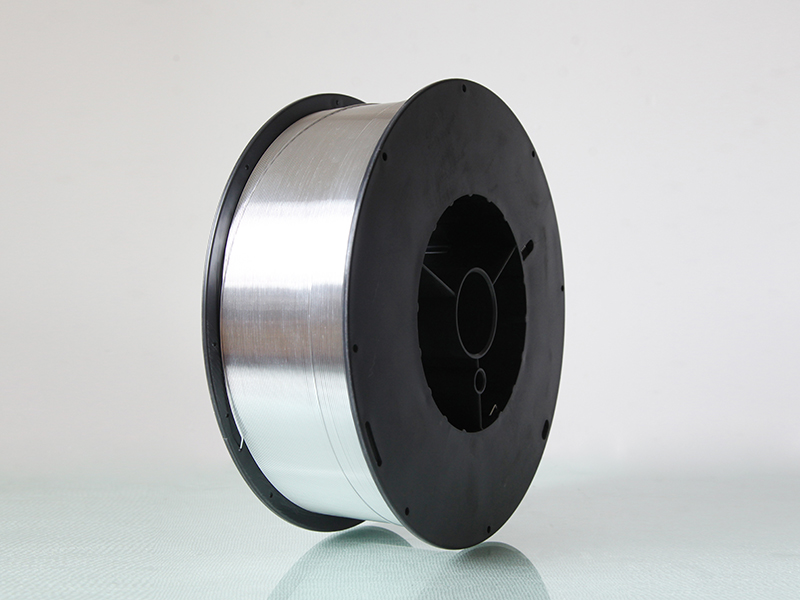
Every kilogram saved in the superstructure of a vessel lowers its center of gravity and improves fuel economy. We are the strategic partner for modern shipyards building high-speed ferries, patrol boats, and luxury yachts. Our 5154 welding technology enables the construction of complex, multi-deck assemblies that are 60% lighter than steel equivalents. We provide the consumables and technical expertise required to pass the stringent NDT (Non-Destructive Testing) inspections mandated by international maritime classification societies.
Shipbuilding Specs
| Design Factor | E=70 GPa / ν=0.33 |
| Joint Efficiency | fj≈0.9 (for Butt joints) |
| Welding Process | MIG (Spray Transfer) / TIG / FSW |
| Weld Integrity | Class 1 Radiographic Soundness |
| Approvals | DNV, ABS, Lloyd's Register, BV |
Shipbuilding Scenarios
Fast Ferry Superstructures: Welding large-scale deck modules where weight reduction increases vessel speed and range.
Patrol Boat Hulls: Fabrication of medium-speed hulls where 5154 offers a balance of formability and impact toughness.
Luxury Yacht Decks: Providing high-finish, "mirror-smooth" welds for visible exterior deck surfaces.
Solution: Utilizing Friction Stir Welding (FSW) or Laser-Hybrid MIG for long longitudinal seams to virtually eliminate thermal distortion in ship plating.
Professional FAQ
- Q: Why isn't 5154 used for the entire hull of large container ships?A: Large ships require the extreme thickness and yield strength of steel or 5083/5456 aluminum. 5154 is ideal for the upper decks and secondary structures where moderate strength is sufficient.
- Q: What is the best way to weld 5154 to steel frames in ships?A: Aluminum cannot be directly fusion-welded to steel. You must use bi-metallic transition joints (explosively bonded Al-Steel strips) where you weld aluminum to the aluminum side and steel to the steel side.