English
  Deutsch


What Causes Feeding Problems With 4943 Aluminum Welding Wire
Article Directory
- 1 Could the Wire Surface Condition Be Causing Feeding Problems?
- 2 How Can the Wire Feed Path Create Resistance?
- 3 What Role Does the Contact Tip Play in Wire Feeding?
- 4 Can the Wire Feed Mechanism Affect Feeding Consistency?
- 5 How Can Spool Condition Affect Wire Delivery?
- 6 Does Storage Condition Influence Aluminum Welding Wire Feeding?
- 7 Why Can Feeding Problems Appear Only During Certain Jobs?
- 8 How Can Users Check Feeding Problems Without Replacing Everything?
Feeding problems can turn a routine welding job into a genuinely frustrating one fast. The welder may notice uneven wire movement, unexpected pauses, slipping, or inconsistent delivery at the torch that seems to come and go without warning. These issues don't always come from the welding machine itself, even though that's usually the thing people blame. The condition of the wire, the way it travels through the feed path, and the condition of the parts guiding it can all affect how smoothly it moves from spool to torch.
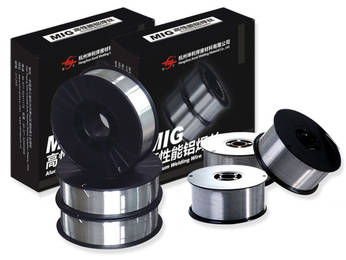
4943 Aluminum Welding Wire needs to travel through several points before reaching the welding area, and each one plays a part. Its surface passes through the spool, feed mechanism, liner or guide path, and contact tip in sequence. A problem at any of these points can create resistance or movement that's difficult to notice until feeding becomes unreliable in the middle of a job.
For users working with aluminum filler materials, looking at the entire feeding route can be a lot more useful than immediately replacing one component and hoping for the best. The same approach can also help buyers compare different wire products and identify where handling or storage practices may affect everyday use on the shop floor.
Could the Wire Surface Condition Be Causing Feeding Problems?
The surface of welding wire has direct contact with several parts of the feeding system throughout its whole path. If the surface is dirty, damaged, or affected by unsuitable storage conditions, the wire may not move through the system as expected, even when everything else looks fine.
A clean and consistent surface helps the wire pass through guides and other contact points with a lot less interruption along the way. When the surface condition changes along the length of the spool, feeding may become noticeably less predictable as more wire gets pulled through.
Common surface-related issues include a handful of things worth checking.
- Dust or residue on the wire
- Scratches or surface damage
- Irregular sections
- Moisture exposure during storage
- Material buildup around the wire
These problems may not be obvious when looking at the spool from a distance, unfortunately. A spool can appear perfectly normal while certain sections quietly create more resistance during feeding than others.
The condition of the wire also matters because feeding systems repeatedly grip and release it, over and over, thousands of times during a job. If the surface isn't consistent, the feeding mechanism may respond differently as the wire moves from one section to another, creating those odd hesitations technicians notice but can't quite explain .
For a Silicon Aluminum Filler Metal product, handling before use deserves similar attention on the shop floor. Keeping the material protected from contamination and unnecessary contact can help preserve its intended condition during storage and preparation, long before it ever reaches the feeder.
How Can the Wire Feed Path Create Resistance?
The wire doesn't travel in a straight line from the spool to the torch, no matter how the setup looks from above. It follows a defined route through several components, and each section of that route can genuinely influence movement along the way.
A feed path with unnecessary bends may create additional resistance that builds up gradually. A guide that isn't positioned properly can also make the wire rub against its surrounding surfaces more than it should. Over time, repeated contact can affect both the wire and the components around it, wearing things down on both sides.
The condition of the feed path should therefore get checked as a complete route, rather than as one isolated part pulled out for inspection.
| Feed Path Area | Possible Feeding Concern |
| Spool outlet | Wire may leave unevenly |
| Guide section | Excessive contact may increase resistance |
| Liner or passage | Dirt or damage may interfere with movement |
| Connection area | Misalignment may affect wire travel |
| Torch path | Bends can change feeding behavior |
The route can also change quite a bit when the torch gets positioned differently for a particular job. A long or sharply curved path may behave differently from a shorter, more direct arrangement, even with the same wire and machine.
This is why a feeding issue can sometimes appear only in certain working positions and nowhere else. The wire may move normally under one arrangement and become genuinely less consistent after the torch or cable gets repositioned for a different angle.
What Role Does the Contact Tip Play in Wire Feeding?
The contact tip is another point where the wire passes through a fairly small opening near the very end of its journey. Its condition and fit can influence how easily the wire continues toward the welding area in those last few inches.
A worn or damaged contact tip may create additional resistance right at the point where it matters most. Dirt or residue around the passage can have a similar effect, building up gradually without anyone noticing right away. If the wire doesn't move freely through this section, the feeding mechanism may keep pushing while the wire encounters greater resistance farther along the path, which builds tension in ways that show up unpredictably.
This can produce symptoms that look a lot like a feed mechanism problem, even though the mechanism itself is working fine.
The contact tip should therefore be considered whenever the wire repeatedly hesitates or stops mid-weld. Checking the tip together with the wire and feed path can help identify whether the problem is actually located near the end of the feeding route, rather than somewhere further back.
The relationship between the wire and contact tip also matters a good deal here. A suitable combination should allow the wire to pass consistently without unnecessary friction building up over a shift.
Replacing a contact tip without checking the rest of the system may not solve the underlying issue at all. If the wire surface, guide path, or spool is causing resistance somewhere else, the same feeding behavior can return not long after the replacement, leaving the technician back where they started.
Can the Wire Feed Mechanism Affect Feeding Consistency?
The feed mechanism has to grip the wire firmly enough to move it while avoiding unnecessary pressure that could deform it. If the grip is inconsistent, the wire may move unevenly or slip during operation in ways that are hard to predict.
The condition of the feeding surfaces matters a lot here, more than people tend to assume. Dirt, wear, or unsuitable adjustment can change how the mechanism interacts with the wire from one pass to the next.
Several situations may deserve a closer look during troubleshooting.
- The feeding surfaces may not grip the wire consistently.
- The mechanism may place unnecessary pressure on the wire.
- Contamination may affect contact between the feeding parts and the wire.
- The wire may not be aligned correctly as it enters the mechanism.
The interaction between these parts is genuinely important to get right. Too little grip can result in slipping that interrupts the arc, while excessive pressure can affect the wire itself in ways that cause problems further down the line.
Users should also consider whether the feeding problem happens continuously or only at certain points on the spool as it unwinds. A problem that follows one particular section of wire may suggest a material or spool-related issue, rather than a general mechanical problem with the feeder itself.
For manufacturers and distributors handling China 4043 Welding Wire, consistent product handling and packaging can also influence how the wire reaches the user's feeding system in usable condition. The wire needs to remain properly arranged from production through transportation and storage, without shortcuts along the way.
How Can Spool Condition Affect Wire Delivery?
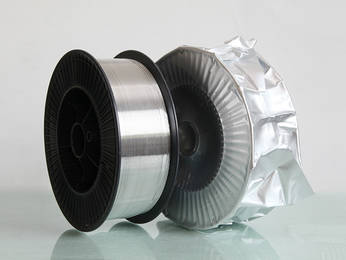
A spool does a lot more than simply hold the wire in place until needed. It controls how the wire gets presented to the feeding system as it's pulled from the package, layer by layer.
If the wire is loosely arranged, crossed, or unevenly wound, it may not leave the spool smoothly at all. The feed mechanism can then pull against additional resistance, even when the mechanism itself is working perfectly normally on its own.
Spool condition can involve several areas worth checking before blaming anything else.
| Spool Condition | Possible Effect on Feeding |
| Uneven winding | Changes how wire leaves the spool |
| Crossed wire | May interrupt smooth withdrawal |
| Loose sections | Can affect wire tension |
| Damaged spool | May affect rotation or alignment |
| Poor storage | Can change overall spool condition |
The position of the spool can also influence how easily the wire leaves its surface during a long weld. If the spool doesn't rotate smoothly, the feeding system has to work against that additional resistance the whole time, adding strain that shows up eventually.
A feeding issue that becomes more noticeable as the spool rotates further should therefore not automatically get blamed on the torch or feed mechanism right away.
Spool inspection is particularly useful when a problem appears right after changing to a new package of wire. Comparing the way the wire is wound and released can help separate equipment-related problems from packaging-related ones, which saves a lot of guesswork.
Does Storage Condition Influence Aluminum Welding Wire Feeding?
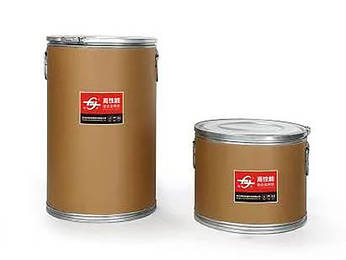
Storage can affect the condition of welding wire well before it ever reaches the machine. Even when the wire was properly prepared at the factory, unsuitable handling after production may introduce contamination or other changes nobody catches until it's already causing trouble.
The storage area should protect the wire from conditions that could affect its surface or packaging over time. The spool should also remain protected from unnecessary physical damage while sitting on a shelf or getting moved around.
Good storage habits include a few practical steps worth building into a routine.
- Keeping wire in suitable packaging until needed
- Avoiding unnecessary exposure to moisture
- Protecting the spool from impact
- Keeping the wire away from dust and residue
- Handling the package carefully during movement
These habits are fairly simple on their own, but they matter a great deal when the same wire needs to remain usable over repeated production cycles stretched across weeks or months.
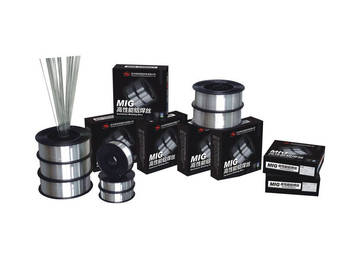
Storage also becomes relevant for buyers who keep several types of aluminum filler material on hand at once. Different products may get used for different welding applications, so clear identification and orderly storage can help prevent unnecessary handling and confusion when someone grabs the wrong spool in a hurry.
A spool that's been moved repeatedly around a workshop may experience more physical stress than one kept in a controlled storage location the whole time.
Why Can Feeding Problems Appear Only During Certain Jobs?
Not every feeding problem appears under every working condition, which is exactly what makes troubleshooting tricky sometimes. A wire may feed normally during a short test but behave quite differently during a longer operation or when the torch follows a different movement pattern across a workpiece.
This can happen because the feeding route actually changes as the equipment moves around. A cable may bend more sharply during certain reaches, the torch may be positioned farther away than usual, or the spool may rotate differently as more wire leaves the package over the course of a shift.
The welding task itself can therefore reveal problems that aren't obvious during a basic inspection sitting still on a bench.
For example, a user may notice that feeding becomes inconsistent specifically when working around a corner or tight joint. Another user may experience the issue only after a significant amount of wire has already been pulled from the spool, well into the job.
Observing when the problem occurs can provide genuinely useful clues for narrowing things down.
| Observed Situation | Area Worth Checking |
| Problem begins after changing spool | Spool winding and wire condition |
| Problem occurs at certain torch positions | Feed path and cable arrangement |
| Wire hesitates near the torch | Contact tip and end section |
| Wire slips during feeding | Feed mechanism |
| Problem follows a section of wire | Surface condition and spool arrangement |
This approach avoids treating every feeding problem as the exact same mechanical fault requiring the exact same fix. The timing and location of the problem can narrow down the area that actually needs attention, saving time that would otherwise go into swapping parts one at a time.
How Can Users Check Feeding Problems Without Replacing Everything?
When feeding becomes inconsistent, replacing several components all at once can make it genuinely difficult to understand what actually caused the problem in the place. A more organized inspection can help separate the possible sources before reaching for a parts bin.
A practical check can follow the wire's route from start to finish.
- Inspect the spool. Look at how the wire is arranged and check whether it leaves the spool smoothly as it unwinds. Pay attention to crossed sections, loose winding, or physical damage sitting right on the surface.
- Examine the wire surface. Check for visible contamination, scratches, or changes along the wire's length. A problem that appears only in one section may provide a genuinely important clue about where things went wrong.
- Follow the feed path. Inspect guides, liners, and passages for dirt, damage, or unnecessary bends that shouldn't be there. Make sure the route allows the wire to travel without unusual resistance building up anywhere along the way.
- Check the feed mechanism. Look for contamination, wear, or inconsistent contact between the rollers and the wire. The wire should be guided and moved without unnecessary force applied at any point.
- Inspect the contact tip. Check the passage near the torch and consider whether wear or residue may be interfering with movement right at the final stretch.
This step-by-step approach can make troubleshooting a lot more practical for anyone working through it. It also gives maintenance teams clearer information for when a component genuinely does need adjusting or replacing, rather than guessing.
For buyers evaluating 4943 Aluminum Welding Wire, feeding behavior should be considered together with packaging, spool arrangement, surface condition, and compatibility with the intended feeding setup already in use. A wire product doesn't operate separately from the equipment around it, no matter how good the wire is on its own.
The same principle applies when comparing China 4043 Welding Wire or other aluminum filler materials sitting on the shelf. The product, package, storage method, and feeding system all form part of the actual user experience once the spool gets loaded up.
Surface Condition
Check the wire for contamination, scratches, irregular sections, and other visible changes.
Feed Path
Follow the complete route from spool to torch and look for unnecessary resistance.
Spool Condition
Inspect winding, rotation, alignment, and physical condition before replacing other parts.
Contact Tip
Check the final wire passage for wear, residue, or other sources of feeding resistance.
When feeding problems are viewed as a complete path running from spool to torch, the source is often a lot easier to investigate methodically. Surface condition, wire arrangement, feed-path resistance, contact-tip condition, and feed mechanism behavior each provide a different point for checking what may be interrupting consistent wire movement during an otherwise routine job.