English
  Deutsch


Why Does Aluminum Welding Wire ER5183 Perform Well on 5083
Article Directory
- 1 What Makes ER5183 Suitable for 5083 Aluminum Welding
- 2 How Does Magnesium Content Affect ER5183 Weld Performance
- 3 Why Does Wire Diameter Matter When Using ER5183
- 4 How Do Shielding Gas and Welding Settings Affect ER5183
- 5 Why Can Porosity Occur With ER5183 Aluminum Welding Wire
- 6 Can ER5183 Be Used for Other Aluminum Alloys
- 7 How Should ER5183 Welding Wire Be Stored and Handled
- 8 What Quality Checks Matter for ER5183 Welding Wire
When aluminum parts need to be joined, the filler wire has a direct connection with how the finished joint behaves. The choice is not simply a matter of selecting a wire that can melt during welding. The composition of the base metal, the condition of the joint, the welding process, and the way the wire is handled before use can all affect the result.
This is particularly relevant when working with 5083 aluminum. It is widely associated with applications where strength and resistance to corrosion matter, so the filler material needs to fit the characteristics of the base metal. Aluminum Welding Wire ER5183 is commonly considered for this type of work because its composition is suited to aluminum alloys with a relatively high magnesium content.
The relationship between the filler wire and 5083 is therefore more than a simple product-to-product match. Material composition, wire diameter, shielding conditions, surface cleanliness, storage, and production control can all influence the welding process. Looking at these factors together gives a clearer picture of why ER5183 is used with 5083 and what can affect its performance during fabrication.
What Makes ER5183 Suitable for 5083 Aluminum Welding
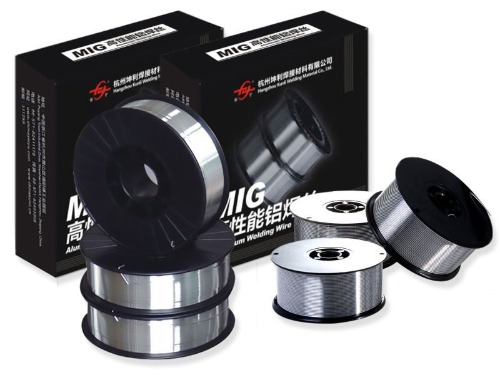
The connection between ER5183 and 5083 begins with their material characteristics. Both are aluminum alloys associated with magnesium as an important alloying element. This makes the filler material compatible with the general requirements of high-magnesium aluminum welding.
A filler wire needs to form a weld metal that works with the surrounding base metal. If the filler composition is poorly matched, the finished joint may not provide the characteristics expected from the original material. For 5083, the choice of a magnesium-containing filler helps maintain a suitable relationship between the weld area and the parent material.
There are several factors to consider when assessing this match:
| Consideration | Why it matters |
| Base metal composition | Influences the choice of filler material |
| Magnesium content | Affects the characteristics of the weld metal |
| Corrosion environment | Can influence filler selection |
| Joint requirements | Affect the welding method and material choice |
| Surface condition | Can influence weld consistency |
Another point is that welding changes the material locally. The area around the joint experiences heating, melting, and cooling, so the weld metal does not simply behave like an untouched section of the base metal. Choosing a filler with a compatible composition helps reduce unnecessary differences between the weld and the surrounding aluminum.
For this reason, Aluminum Welding Wire ER5183 is often associated with 5083 welding where the properties of the finished joint need to remain compatible with the characteristics of the base material.
How Does Magnesium Content Affect ER5183 Weld Performance
Magnesium has an important role in the behavior of aluminum-magnesium alloys. In a filler wire, its presence affects the characteristics of the metal formed in the weld area.
The amount of magnesium cannot be viewed separately from the rest of the alloy composition. A welding wire is produced with a defined material range so that its behavior remains consistent from one batch to another. Changes in composition can influence the way the molten metal behaves as well as the characteristics of the cooled weld.
For ER5183, magnesium contributes to the properties expected from a filler designed for high-magnesium aluminum alloys. This is one reason it is considered when welding materials such as 5083.
However, adding or controlling magnesium is not simply about increasing one element. The overall balance of the alloy matters. Other elements and impurities can also influence the condition of the finished wire and the weld metal.
During production, manufacturers therefore need to keep attention on:
- Raw material consistency
- Alloy composition
- Melting and processing conditions
- Material cleanliness
- Final wire condition
The same principle applies during welding. If the filler wire is contaminated or incorrectly handled, its intended material characteristics may not translate into a consistent welding process.
In practical terms, the role of magnesium helps explain why Aluminum Welding Wire ER5183 is considered for 5083 rather than treating all aluminum welding wires as interchangeable materials.
Why Does Wire Diameter Matter When Using ER5183
Wire diameter is a relatively simple specification, but it can affect how the welding process is controlled. A smaller or larger wire does not behave in exactly the same way when it is fed through welding equipment.
The selected diameter is connected with the welding equipment, joint design, material thickness, and working position. A wire that is not well matched to the setup can make feeding or arc control more difficult.
Wire diameter can influence several practical aspects:
- How steadily the wire is fed
- How much filler material enters the joint
- How the operator controls the weld
- How easily the wire passes through the equipment
- How the welding settings need to be adjusted
For aluminum welding, feeding condition deserves particular attention because aluminum wire is relatively soft. A poorly adjusted feeding path, excessive resistance, or an unsuitable contact component can affect how smoothly the wire reaches the welding area.
The condition of the spool also matters. If the wire is wound unevenly or becomes damaged during handling, feeding problems may appear even when the nominal wire diameter is appropriate.
Choosing the diameter of Aluminum Welding Wire ER5183 should therefore be considered together with the welding equipment and joint rather than as an isolated purchasing decision.
How Do Shielding Gas and Welding Settings Affect ER5183
Once the filler wire and base metal are selected, the surrounding welding conditions become important. Aluminum reacts readily with the surrounding atmosphere when heated, so the welding area needs suitable protection.
Shielding gas helps separate the molten weld area from the surrounding air. If the gas coverage is disturbed, the weld can become more vulnerable to contamination. Gas flow, torch position, leaks, drafts, and the condition of the gas delivery equipment can all affect the protection around the joint.
Welding settings also need to work together. Current, voltage, wire feed, travel speed, and torch movement are not independent controls. Changing one setting can alter the way the others behave.
For example, if the wire is fed at a rate that does not match the welding conditions, the arc can become unstable. If the torch moves too quickly, the joint may not receive enough heat or filler material. Moving too slowly can create excessive heat in the local area.
A consistent process usually depends on checking several things at the same time:
- The welding equipment is correctly adjusted.
- The shielding gas reaches the welding area without interruption.
- The wire moves through the feeding path smoothly.
- The joint surfaces are prepared properly.
- Torch movement remains reasonably consistent.
These conditions matter because Aluminum Welding Wire ER5183 cannot compensate for every problem created by unsuitable equipment settings or poor joint preparation.
Why Can Porosity Occur With ER5183 Aluminum Welding Wire
Porosity is one of the issues that can attract attention during aluminum welding. Small gas pockets may form in the weld metal when unwanted gas becomes trapped as the molten material cools.
The filler wire is only one possible source of trouble. Moisture, oil, dirt, an unclean base surface, or inadequate shielding can also contribute to the problem.
The surrounding environment should therefore be considered when a porous weld appears. A wire that has been exposed to contamination may behave differently from clean material. The same applies to the base metal. Surface deposits can enter the welding area and interfere with the process.
Common areas to inspect include:
- Wire surface
- Base metal surface
- Storage conditions
- Gas supply
- Gas delivery equipment
- Joint preparation
- Welding movement
Porosity can also be linked to inconsistent welding conditions. Sudden changes in gas coverage or torch position may expose the molten weld area to air. Excessive disturbance around the welding zone can have a similar effect.
Rather than attributing every pore to the filler material, it is more useful to check the complete welding environment. This approach is particularly relevant when using Aluminum Welding Wire ER5183 because the wire, base material, equipment, and surrounding conditions all interact during the welding process.
Can ER5183 Be Used for Other Aluminum Alloys
ER5183 is associated with 5083, but its use is not limited to a single aluminum alloy. The more useful question is whether the filler composition is appropriate for the particular base metal and the requirements of the finished joint.
Other aluminum-magnesium alloys may have characteristics that make a magnesium-containing filler suitable. However, the fact that two materials are both aluminum alloys does not automatically mean they should use the same filler wire.
When considering another alloy, several points need to be checked:
| Material consideration | Question to consider |
| Alloy family | Is the base metal composition compatible with the filler? |
| Joint purpose | What characteristics are required from the welded area? |
| Corrosion conditions | Will the joint be exposed to a demanding environment? |
| Welding method | Is the filler suitable for the selected process? |
| Fabrication conditions | Can the wire be fed and controlled properly? |
This is also where comparisons between different filler materials become useful. A filler designed for one aluminum alloy group may be chosen for different reasons than a filler designed for another group.
The selection should therefore start with the base metal and the joint requirements. Aluminum Welding Wire ER5183 may be appropriate in some situations involving other aluminum alloys, but suitability should be considered case by case rather than assumed from the alloy name alone.
How Should ER5183 Welding Wire Be Stored and Handled
The condition of welding wire before it reaches the welding torch can affect the working process. Proper storage is therefore part of material control rather than an issue that begins only when welding starts.
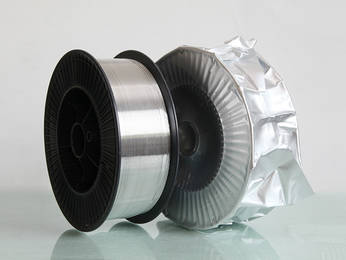
The wire should be protected from moisture, dust, oil, and other contaminants. Its original packaging can help protect the material during storage, but handling after opening also matters.
A few basic practices can help maintain the wire condition:
- Keep unused wire in a clean and dry storage area.
- Avoid placing open spools where moisture can collect.
- Handle the wire with clean equipment.
- Keep the wire away from oils and other contaminants.
- Check the spool before placing it on the welding equipment.
- Protect partly used material when it is not being used.
Packaging damage should also receive attention. If a package has been opened, torn, or exposed to unsuitable conditions, the wire should be checked before use.
Storage is particularly relevant to Aluminum Welding Wire ER5183 because contamination may not always be visible at a glance. A wire can look usable while its surface condition has already changed.
Good handling does not replace proper welding preparation, but it removes one avoidable source of variation from the process.
What Quality Checks Matter for ER5183 Welding Wire
Quality control starts before the wire is delivered to a welding operation. The finished product needs to maintain a consistent material composition and physical condition so that it can be processed and used in a predictable manner.
For manufacturers, checking the wire involves more than looking at its appearance. The production process needs controls at different stages, from raw materials through forming, surface treatment, winding, and packaging.
Important inspection areas can include:
| Quality area | What is checked |
| Material composition | Consistency of the alloy |
| Wire diameter | Regularity along the wire |
| Surface condition | Clean and suitable surface |
| Wire shape | Consistent forming and winding |
| Feeding condition | Smooth movement through equipment |
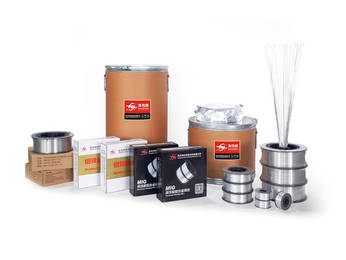
| Packaging | Protection during storage and transport |
Wire diameter deserves particular attention because small variations can affect feeding behavior. Surface condition is also important because residue or contamination can become a source of welding problems.
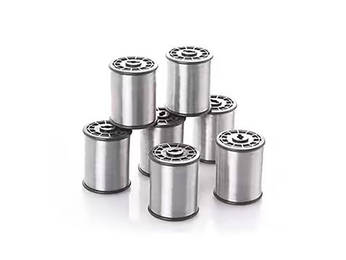
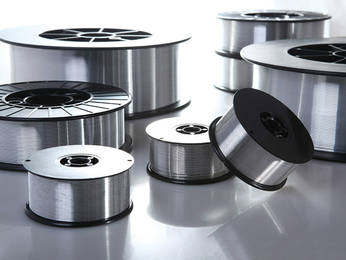
Spooling should not be overlooked. A properly formed spool allows the wire to leave the package in a controlled manner. Uneven winding, damaged wire, or poor handling can create feeding difficulties even when the material itself meets the intended composition.
For Aluminum Welding Wire ER5183, production control therefore connects several stages that may appear unrelated at first. Material composition affects the weld metal, wire forming affects feeding, surface condition affects cleanliness, and packaging affects how the material arrives at the point of use.
The relationship between ER5183 and 5083 is consequently shaped by more than the filler alloy itself. The base metal, filler composition, wire condition, welding setup, joint preparation, storage, and manufacturing controls all have a part in determining how the welding process behaves.
NEXT:How to Test Aluminum Welding Wire Quality: A Practical Guide for Fabricators