English
  Deutsch


How Do Aluminum Welding Wire Manufacturers Control Wire Quality
Article Directory
- 1 How Do Manufacturers Control Aluminum Raw Materials
- 2 How Is Alloy Consistency Maintained During Production
- 3 How Do Aluminum Welding Wire Manufacturers Control Wire Diameter
- 4 Why Does Surface Quality Matter in Aluminum Welding Wire
- 5 How Does Wire Condition Affect Feeding Performance
- 6 How Is Aluminum Welding Wire Spooled for Consistent Feeding
- 7 What Quality Checks Are Used Before Aluminum Welding Wire Ships
- 8 What Should Buyers Check With Aluminum Welding Wire Manufacturers
Aluminum welding wire passes through several production stages before it is ready for use. The condition of the raw material, the consistency of the alloy, the finished wire diameter, the surface condition, and the way the wire is wound can all affect the final product. A change made at one stage may also become noticeable during later processing or feeding.
For Aluminum Welding Wire Manufacturers, quality control therefore starts before the wire reaches its final form. It involves checking materials at the beginning, keeping production conditions consistent, inspecting the wire as it is processed, and checking the finished product before shipment. These steps also give buyers a clearer way to evaluate whether the product they receive matches the requirements discussed during purchasing.
How Do Manufacturers Control Aluminum Raw Materials
Raw material control is the starting point of aluminum welding wire production. Before processing begins, manufacturers need to confirm that the incoming aluminum material matches the material requirements for the intended wire. The condition of the material can influence how smoothly it passes through later processing stages.
Visual checks are useful at this stage. Surface contamination, unusual marks, or changes in material condition can indicate that additional inspection is needed. Material identification is also important when several aluminum materials are handled in the same production facility.
For Aluminum Welding Wire Manufacturers, keeping incoming material separated and properly identified can reduce the chance of mixing different materials during production. Records connected with each material batch can also make it easier to trace the source of a finished product if a question appears later.
Several points may be checked before production starts:
- Material identity and required alloy type
- General surface condition
- Cleanliness of the incoming material
- Consistency between supplied material and production requirements
- Identification and storage arrangements
Raw material storage also deserves attention. Aluminum material should be protected from unnecessary contamination and handled in a way that keeps different materials clearly separated. Good organization at this stage makes the following production steps easier to control.
How Is Alloy Consistency Maintained During Production
Once the raw material has been accepted, the next concern is keeping the material composition consistent throughout production. Different aluminum welding applications may require different wire compositions, so using the correct material throughout an order is important.
The production team needs clear identification of materials before processing starts. When different wire types are produced in the same facility, proper labeling and separation can help prevent an incorrect material from entering the wrong production route.
Material consistency also depends on how production batches are managed. A change in incoming material can affect later processing behavior, while poor identification can create confusion between similar-looking products.
| Production stage | Main point to check | Reason for checking |
| Material receiving | Material identity | Confirms the intended material enters production |
| Material preparation | Separation and labeling | Helps prevent material mixing |
| Processing | Consistent handling | Keeps production conditions stable |
| Finished wire | Material identification | Connects the finished product with its production record |
For Aluminum Welding Wire Manufacturers, maintaining clear records is useful because alloy consistency is not something that can always be judged by appearance alone. Documentation, material identification, and production records work together to keep each product connected with the correct material requirements.
This also matters when repeat orders are placed. Clear records allow the production team to refer back to the agreed material requirements instead of relying only on visual comparison with an earlier shipment.
How Do Aluminum Welding Wire Manufacturers Control Wire Diameter
After the material has been prepared, it is processed into wire with the required diameter. This stage requires careful control because a wire that changes noticeably in size can behave differently during feeding.
Wire drawing gradually reduces the material to the required size. The process needs to be monitored so that the wire remains within the specified range. Equipment condition, material behavior, and processing adjustments can all influence the final diameter.
Checking the wire during production rather than waiting until the end can help identify changes earlier. If an unusual variation appears, production staff can inspect the relevant processing stage before more material is affected.
Diameter control normally involves several practical steps:
- Checking the wire at suitable points during processing
- Comparing measurements with the required specification
- Watching for gradual changes rather than only obvious defects
- Inspecting finished coils before packaging
- Keeping measurement records connected with the relevant production batch
A stable diameter is also connected with the way the wire moves through feeding equipment. For this reason, dimensional control is not simply a matter of appearance. It is part of maintaining predictable handling during later use.
Why Does Surface Quality Matter in Aluminum Welding Wire
The surface of aluminum welding wire comes into direct contact with feeding components and the surrounding environment during use. Its condition can therefore influence how smoothly the wire moves and how cleanly it enters the welding process.
Surface problems may develop during material handling, drawing, winding, or storage. Scratches, residue, dirt, and unwanted surface changes should be identified before the finished wire is packed.
Surface inspection can be carried out alongside dimensional checks. Looking at the wire under suitable lighting can help identify visible marks, while cleaning and handling procedures can reduce the chance of contamination during production.
The following relationship is useful when considering surface quality:
Material handling → Processing → Surface condition → Feeding behavior
Each stage can affect the next one. If a wire leaves production with an avoidable surface problem, that issue may become more noticeable when the wire is being fed through equipment.
For Aluminum Welding Wire Manufacturers, surface control therefore needs to continue throughout production rather than being treated as a final visual check only. Equipment cleanliness, careful handling, and suitable packaging all have a role in protecting the finished wire.
How Does Wire Condition Affect Feeding Performance
The manufacturing process eventually connects with the way the wire is handled during welding. Feeding problems can be frustrating because the cause is not always located in the welding equipment itself. The condition of the wire can also be part of the picture.
Diameter consistency is one factor. Surface condition is another. The way the wire has been wound onto its spool can also affect how it leaves the package.
For example, a wire with uneven winding may not leave the spool smoothly. A damaged surface can create additional resistance as the wire moves through the feeding path. Material that is not consistent in condition can also behave differently from one section of the spool to another.
| Wire condition | Possible effect during handling | Production point to review |
| Uneven diameter | Irregular movement | Drawing and size inspection |
| Surface marks | Increased contact during feeding | Handling and surface inspection |
| Contamination | Unwanted residue during use | Cleaning and storage |
| Uneven winding | Irregular spool release | Winding process |
| Damaged wire | Feeding interruption | Handling and final inspection |
This is why manufacturers need to consider the finished wire as a product that must work as a continuous length, not simply as a collection of individual sections. Consistency along the spool matters when the wire is being used continuously.
How Is Aluminum Welding Wire Spooled for Consistent Feeding
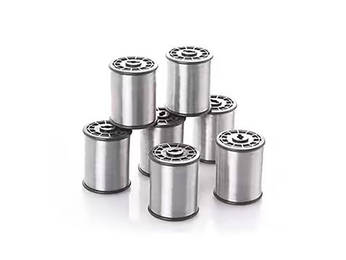
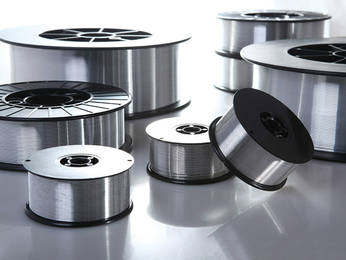
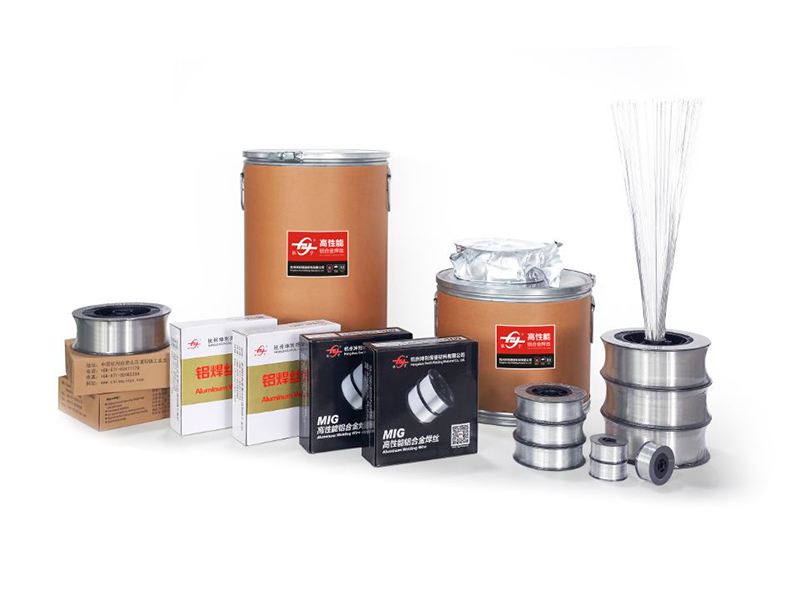
Once the wire has passed the main processing and inspection stages, it needs to be wound onto the selected spool. This may seem like a simple packaging step, but winding quality can affect how the wire is released later.
The wire should be arranged evenly across the spool rather than crossing randomly or forming loose sections. Appropriate winding tension helps keep the coil organized while avoiding unnecessary pressure on the wire.
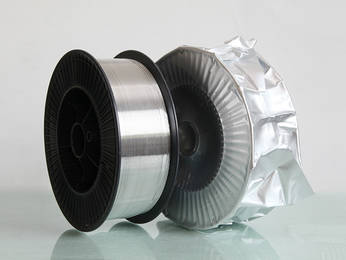
The condition of the spool itself also matters. A damaged or unsuitable spool can affect storage and handling, while poor winding may make it harder for the wire to leave the spool in a controlled manner.
During this stage, production staff may pay attention to:
- Even wire placement
- Appropriate winding tension
- Secure spool condition
- Absence of visible wire damage
- Clear product identification
- Protection during subsequent packaging
For Aluminum Welding Wire Manufacturers, winding is therefore part of product quality rather than merely an outer packaging task. A properly prepared spool makes the relationship between manufacturing quality and actual use easier to maintain.
What Quality Checks Are Used Before Aluminum Welding Wire Ships
Before shipment, the finished product needs to be checked against the requirements established during production and purchasing. The purpose is to confirm that the product leaving the facility is correctly identified, properly packaged, and in the expected condition.
Final inspection can bring together several checks that have already appeared at different stages. This does not mean repeating every production inspection in exactly the same way. Instead, the final check provides a point where the finished product can be reviewed as a complete unit.
A final inspection may consider:
- Whether the wire corresponds with the requested material.
- Whether the wire diameter matches the agreed specification.
- Whether the visible surface condition is acceptable.
- Whether the wire is wound properly on the intended spool.
- Whether packaging protects the product during handling.
- Whether product identification corresponds with the production records.
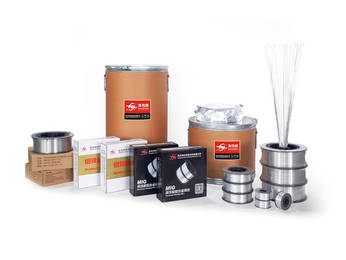
Packaging deserves particular attention because the wire can be affected after leaving the production line. A package that is damaged, poorly sealed, or incorrectly labeled can create problems even when the wire itself passed earlier inspections.
For Aluminum Welding Wire Manufacturers, shipment inspection also provides a final opportunity to identify inconsistencies before the product reaches the buyer. Clear records make it easier to connect the finished spool with its production and inspection information.
What Should Buyers Check With Aluminum Welding Wire Manufacturers
Buyers do not need to inspect every stage of manufacturing themselves, but they do need enough information to confirm that the supplied wire matches the intended application and purchasing requirements.
The conversation should begin with the product itself. Material type, wire diameter, spool arrangement, packaging, and applicable quality requirements should be clearly stated before production begins.
It is also useful to ask how the manufacturer handles material identification and production records. These details can help clarify how different wire types are separated and how finished products are connected with their manufacturing information.
Before placing an order, buyers can check the following:
- Required aluminum alloy type
- Required wire diameter
- Spool and winding requirements
- Surface condition expectations
- Packaging arrangements
- Product identification
- Inspection documents available with the shipment
- Production batch traceability
A clear specification reduces unnecessary back-and-forth between the purchasing side and production side. It also gives Aluminum Welding Wire Manufacturers a defined reference when preparing the order.
The same principle applies when a buyer receives the shipment. The product label, spool condition, packaging, wire appearance, and accompanying documents can be checked against the original order requirements.
Quality control is therefore not limited to a single inspection point. It begins with the material entering production, continues through alloy handling and wire processing, and extends to surface inspection, winding, packaging, and shipment checks. When each stage has a clear purpose, manufacturers and buyers have a more consistent basis for discussing aluminum welding wire quality.