English
  Deutsch


Where Is ER1100 Wire Used in Aluminum Welding and Industrial Applications?
Article Directory
- 1 01What Is ER1100 Wire and How Does It Work?
- 2 02Key Advantages of ER1100 Aluminum Welding Wire
- 3 03Where Is ER1100 Wire Used?
- 4 04Common Types and Specifications of ER1100 Wire
- 5 05ER1100 Wire Compared with ER4043 and ER5356
- 6 06Factors to Consider When Choosing ER1100 Wire
- 7 07Frequently Asked Questions
Color-matched welds on anodized aluminum are notoriously hard to achieve with general-purpose filler metal, which is exactly the gap ER1100 wire fills. As a nearly pure aluminum filler at 99% purity, it produces clean, bright welds on 1000-series aluminum that keep their appearance consistent with the base metal — something alloyed fillers like ER4043 cannot match.
01What Is ER1100 Wire and How Does It Work?
ER1100 is a filler wire made from commercially pure aluminum, typically 99% or higher, with no significant alloying elements added for strength. It is used in both MIG (GMAW) and TIG (GTAW) welding processes to join pure aluminum and other 1000-series aluminum alloys. Because the wire composition closely matches the base metal, the resulting weld bead blends in more naturally than alloyed filler wires designed for structural strength.
02Key Advantages of ER1100 Aluminum Welding Wire
Excellent conductivity — high electrical and thermal conductivity suits busbars and heat exchangers.
High corrosion resistance — pure aluminum composition resists oxidation in demanding environments.
Strong color match — blends closely with anodized pure aluminum surfaces after welding.
Reliable weldability — smooth feeding and stable arc performance in both MIG and TIG setups.
03Where Is ER1100 Wire Used?
Because pure aluminum filler prioritizes conductivity and appearance over maximum strength, ER1100 wire is specified in applications where those properties matter most.
Bus bars, electrical boxes, conductive components
Cooling systems, thermal transfer equipment
Tanks, containers, corrosion-prone vessels
Hygienic frames and storage equipment
04Common Types and Specifications of ER1100 Wire
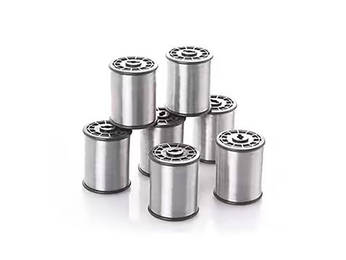
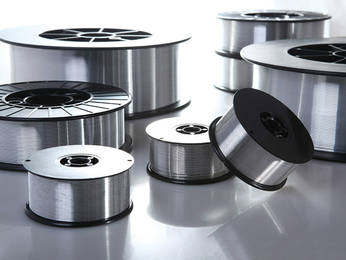
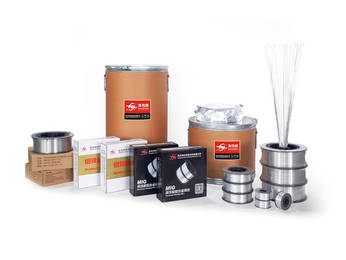
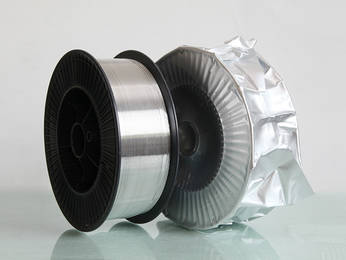
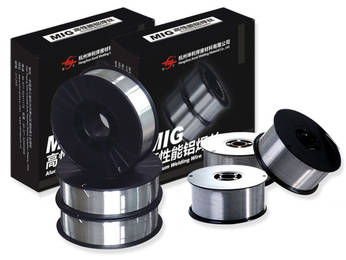
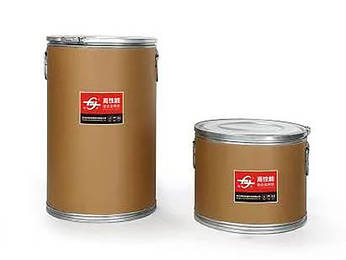
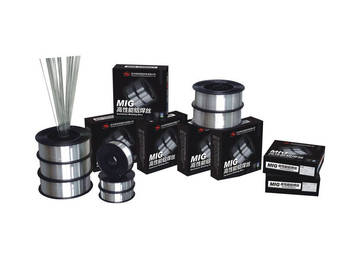
ER1100 is supplied as MIG spool wire for automated and semi-automated welding, and as straight TIG rods for manual precision work. Common diameters include 0.8mm, 1.2mm, and 1.6mm, with packaging options ranging from small spools for workshops to bulk coils for industrial production lines.
Weld appearance is not cosmetic detail in food and electrical equipment manufacturing — inconsistent filler color can signal a mismatched alloy to inspectors, which is why ER1100 remains the default choice for visible pure-aluminum joints.
05ER1100 Wire Compared with ER4043 and ER5356
| Filler Wire | Base Composition | Strength | Best For |
| ER1100 | Pure aluminum | Lower | Conductivity, color match, food equipment |
| ER4043 | Aluminum-silicon | Moderate | General fabrication, castings |
| ER5356 | Aluminum-magnesium | Higher | Structural, marine applications |
06Factors to Consider When Choosing ER1100 Wire
Confirm base material compatibility first, since ER1100 is intended for pure aluminum and 1000-series alloys rather than higher-strength structural grades. From there, match the welding process (MIG or TIG), select wire diameter based on material thickness and equipment, and weigh weld strength requirements against the appearance and conductivity benefits that make ER1100 the preferred choice in the first place.
07Frequently Asked Questions
Can ER1100 wire be used on aluminum alloys other than 1000 series?
It is best suited to pure aluminum and 1000-series alloys; higher-strength alloys typically call for ER4043 or ER5356 instead.
Is ER1100 suitable for structural welding?
No, its lower strength makes it better suited to conductivity, corrosion resistance, and appearance-focused applications rather than load-bearing structures.
What welding processes work with ER1100 wire?
Both MIG (GMAW) and TIG (GTAW) welding processes commonly use ER1100, depending on the wire form selected.
Why does ER1100 give a better color match after anodizing?
Its near-pure aluminum composition reacts more consistently to anodizing than alloyed filler wires, keeping the weld visually close to the base metal.
NEXT:5183 Aluminium Mig Wire Guide for MIG Welding Buyers