English
  Deutsch


Marine Welding Wire Comparison: 5356 vs 5183 vs 4943
Article Directory
- 1 Why Alloy Choice Matters More in Marine Welding Than in General Fabrication
- 2 Understanding 5356 Alloy Aluminum Wire in Marine Applications
- 3 How 5183 Aluminium Mig Wire Compares for High-Demand Marine Work
- 4 Where 4943 Aluminum Welding Wire Fits Into the Picture
- 5 Comparing All Three Alloys Side by Side
- 6 Matching Alloy to Application: A Practical Decision Framework
- 7 Practical Considerations for Procurement Teams
A welded joint that looked structurally sound coming off the fabrication floor, only to develop stress cracking after a few months of saltwater exposure. A project specification calling for marine-grade aluminum welding without naming the exact alloy, leaving the choice entirely up to whoever orders the wire. A procurement team fielding three different recommendations from three different welding engineers, each citing a different alloy number. These situations come up regularly in shipbuilding and marine fabrication, and they almost always point back to the same unresolved question: which aluminum welding wire alloy actually fits the job, and why does the choice matter as much as it does.
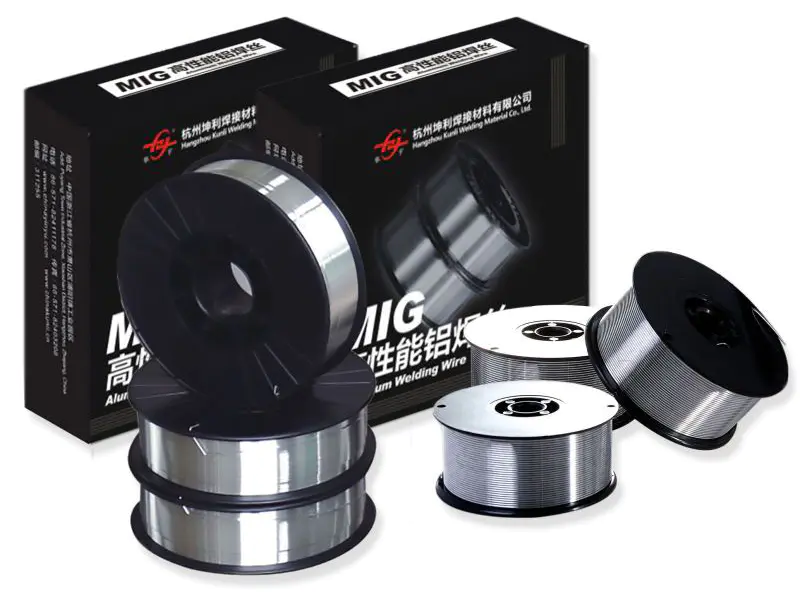
Marine environments place specific demands on welded aluminum joints that go well beyond what general fabrication requires. Continuous exposure to salt spray, cyclical mechanical loading from wave action, and the need for welds to remain structurally reliable over extended service periods all raise the stakes on alloy selection. Understanding how the major alloy options compare, where each one performs reliably, and where each one shows limitations, gives engineers and procurement teams a far more defensible basis for that decision than simply deferring to habit or availability.
Why Alloy Choice Matters More in Marine Welding Than in General Fabrication
Saltwater Exposure Changes What a Weld Needs to Do
A weld in a controlled indoor environment faces relatively stable conditions once it leaves the fabrication shop. A weld on a vessel or offshore structure faces ongoing chemical attack from chloride ions, mechanical fatigue from continuous motion, and the combined effect of both over years of service. The filler alloy used during fabrication either supports or undermines a joint's ability to handle that combination over time.
Does the Base Metal Determine Which Filler to Use?
In many cases, yes, though not always in a completely fixed way. Marine aluminum structures commonly use base metals from the 5000-series family, which are themselves magnesium-based alloys chosen for their corrosion resistance in saltwater. Filler wire compatibility with these base metals affects both mechanical strength and long-term corrosion behavior at the weld joint, which is why alloy selection and base metal selection are closely linked decisions rather than independent ones.
Understanding 5356 Alloy Aluminum Wire in Marine Applications
What Sets This Alloy Apart in General Marine Fabrication
The 5356 Alloy Aluminum Wire belongs to the same aluminum-magnesium family as many of the base metals used in marine construction. Its magnesium content supports solid tensile strength and reasonable corrosion resistance across a broad range of applications, which explains why it shows up so consistently as a go-to choice in marine fabrication environments.
Where This Alloy Performs Reliably
This wire tends to suit a fairly wide range of marine fabrication tasks:
- General structural aluminum welding on vessels where moderate corrosion resistance and solid strength are the primary requirements
- Automotive and trailer applications that occasionally overlap with marine environments
- Aluminum structural components where the priority is consistent mechanical performance rather than specialized corrosion protection
- Situations where a proven, widely available alloy with predictable behavior matters more than improving any specific performance characteristic.
What Are the Practical Limitations Worth Knowing?
Despite its broad usefulness, this alloy does carry a notable limitation in specifically marine contexts. It is generally not recommended for applications where the welded joint will be exposed to sustained elevated temperatures during service, since certain temperature ranges can affect its corrosion resistance over time. For surface vessel applications at normal ambient conditions, this limitation does not typically become a practical concern. For specific applications involving heat exposure, it is worth factoring into the selection decision.
How 5183 Aluminium Mig Wire Compares for High-Demand Marine Work
When Does Corrosion Resistance Become the Deciding Factor?
Not every marine welding project requires the same level of corrosion performance. A lightly used recreational vessel sitting in a fresh water marina faces a different exposure environment than an offshore platform structure or a commercial fishing vessel operating in open ocean conditions continuously. When sustained saltwater exposure is the dominant concern, filler alloy selection tends to shift toward options offering stronger inherent corrosion resistance.
What the 5183 Alloy Brings to Demanding Marine Environments
The 5183 wire carries higher magnesium content than the 5356 alloy, which translates into stronger corrosion resistance under sustained saltwater exposure. For shipbuilding applications where weld joints will face continuous or frequent saltwater contact over extended service periods, this additional corrosion resistance represents a meaningful performance difference rather than a marginal one.
Key applications where this alloy tends to be specified over the 5356 option include:
- Hull plating and structural framing on ocean-going vessels
- Offshore platform components exposed to continuous wave action and salt spray
- Pressure vessels and tanks used in marine environments where joint integrity under sustained load matters considerably
- Structural aluminum frames in marine equipment where replacing a failed weld at sea or offshore carries significant operational consequences
Where 4943 Aluminum Welding Wire Fits Into the Picture
A Different Alloy Built Around Different Priorities
The 4943 wire uses silicon as its primary alloying element rather than magnesium, which gives it a distinctly different performance profile. It tends to produce a smoother, more fluid weld pool with lower crack sensitivity during solidification, which makes it appealing for applications where weld appearance and ease of application are higher priorities than corrosion resistance under saltwater exposure.
When Does This Alloy Make Practical Sense?
For marine-adjacent applications where the finished assembly will not face sustained saltwater contact, the 4943 wire can offer advantages worth considering:
- Decorative or aesthetic aluminum welding where a clean, smooth bead appearance matters
- Specific automotive or structural components that share fabrication facilities with marine work but face different end-use environments
- Applications where reduced crack sensitivity during welding is a priority, particularly on thinner material or complex joint geometries
The key distinction is that this alloy is generally less suited to sustained marine exposure than either the 5356 or 5183 options, making it more appropriate for specific applications than as a general marine welding choice.
Comparing All Three Alloys Side by Side
A Practical Reference for Alloy Selection Decisions
| Property | 5356 Alloy Aluminum Wire | 5183 Aluminium MIG Wire | 4943 Aluminum Welding Wire |
|---|---|---|---|
| Primary alloying element | Magnesium | Magnesium (higher content) | Silicon |
| Tensile strength | Good | Higher | Moderate |
| Corrosion resistance in saltwater | Good for general marine use | Stronger, suited for sustained exposure | Lower, less suited to marine environments |
| Crack sensitivity during welding | Low | Low | Very low |
| Weld appearance | Good | Good | Smooth, clean finish |
| Suited for sustained marine exposure | Yes, with noted temperature limits | Yes, including demanding environments | Limited, better for non-marine applications |
| Availability | Widely available | Available, often specified for marine work | Increasingly available |
Matching Alloy to Application: A Practical Decision Framework
Start With the Exposure Environment the Weld Will Actually Face
Before selecting an alloy, the question to ask is not which wire has higher specifications, but what the finished joint will encounter in service. A structural weld on an inland waterway vessel faces a meaningfully different environment than a weld on a deep-sea commercial vessel, and alloy selection should reflect that difference rather than defaulting to the same choice regardless of context.
Consider Base Metal Compatibility Alongside Corrosion Requirements
Filler alloy compatibility with the specific base metal being joined affects both mechanical performance and long-term corrosion behavior at the joint interface. Marine structures commonly use 5083, 5086, and 5456 aluminum base metals, all of which pair well with magnesium-based filler wires from the 5000-series family. Confirming this compatibility before specifying a wire helps avoid corrosion issues at the joint that can develop gradually and become expensive to address once the structure is in service.
Think Through Load Requirements Alongside Environmental Demands
Corrosion resistance and mechanical strength are both important, but they are not always the same priority for every joint in a given structure. Primary structural members carrying significant loads may call for a different filler choice than secondary or cosmetic welds on the same vessel. Building a project-level alloy specification that reflects these varying requirements, rather than applying a single choice to every weld on the job, tends to produce more reliable outcomes overall.
Practical Considerations for Procurement Teams
Does Availability Affect Which Alloy Gets Specified?
In practice, sometimes. The 5356 alloy is carried by many distributors and in various markets, so delivery periods are often shorter and batch‑to‑batch consistency is easier to check. The 5183 alloy is available but may require more deliberate sourcing depending on the supplier and the order volume involved. For procurement teams building a reliable supply chain, confirming availability and consistency before committing to a project specification avoids substitution issues during production.
What Should Buyers Confirm When Evaluating a Supplier?
Beyond alloy designation, the manufacturing consistency of the wire itself affects how predictably it performs in production. Before placing a significant order, it is worth confirming:
- Whether the supplier maintains tight thickness and composition tolerances across production runs, not just within a single batch
- How shrinkage and tensile properties are tested and verified before wire ships
- Whether test samples matched to specific welding equipment and base metal combinations are available before committing to volume
- What certifications or quality documentation the supplier can provide, particularly for marine or offshore applications where third-party verification is sometimes required
Selecting among these aluminum welding alloys is about matching wire properties to the service conditions the weld will see, rather than choosing what is familiar or what is available at the time of ordering. The 5356 alloy covers a wide range of general marine fabrication needs reliably and remains widely used for good reasons. The 5183 wire addresses the more demanding end of marine exposure requirements, where sustained saltwater contact and long service periods make stronger inherent corrosion resistance worth specifying. The 4943 alloy occupies a different position, suited to applications where weld quality and crack resistance take priority over corrosion performance in marine environments. Procurement teams who take time to match alloy choice to actual exposure conditions, base metal compatibility, and structural load requirements make better sourcing decisions than those who treat all three options as interchangeable. Hangzhou Kunli Welding Materials Co., Ltd. supports welding engineers and marine fabrication procurement teams through exactly this kind of specification review, offering aluminum welding wire options suited to a wide range of marine, structural, and specialized fabrication applications. Reaching out to discuss project-specific alloy requirements, request test samples, or review available certifications is a practical next step for any team ready to move from alloy research into a confident procurement decision.
NEXT:How to Choose Aluminum Welding Wire ER5356 for Marine, Automotive and Structural Welding Applications