English
  Deutsch


When to Use 5183 Aluminium Mig Wire in Marine Welding
Article Directory
A weld that looked solid on the bench but started showing stress cracks within months of seawater exposure. A structural joint that needed rework because the filler material could not keep pace with the load it was actually carrying. A welding crew stuck choosing between several aluminum wire options without a clear sense of which one actually fits a marine or high-strength application. These situations come up constantly in shipbuilding and structural fabrication, and they usually trace back to one decision made early in the process, picking the right filler wire for conditions the finished joint will face for years afterward. Selecting between aluminum filler wires is not just a matter of grabbing whatever is on the shelf. Alloy composition determines how a weld performs under load, how it holds up against corrosion, and whether it can be trusted in an environment where failure carries real consequences. Working through what makes one wire suited to marine and high-strength work, and how it stacks up against common alternatives, gives fabricators and procurement teams a much clearer basis for that decision.
Why 5183 Aluminium Mig Wire Is Widely Used
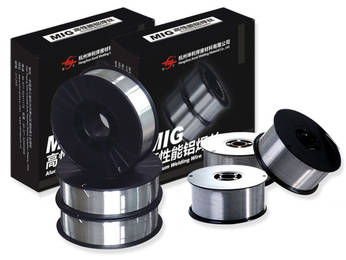
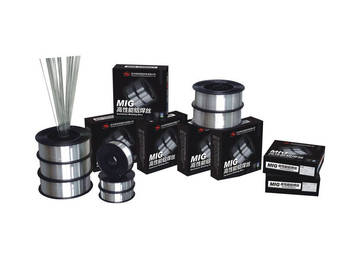
What Sets This Alloy Apart From Standard Filler Options
This wire belongs to a family of aluminum magnesium alloys developed specifically to handle the combined demands of structural strength and resistance to harsh environments. It is commonly specified wherever a weld needs to perform reliably under continuous mechanical stress, not just hold parts together cosmetically.
High Magnesium Content Benefits
The elevated magnesium content in this alloy is the foundation of its performance characteristics. Higher magnesium levels contribute to:
- Increased tensile strength in the finished weld, supporting structural loads better than lower magnesium alternatives
- Improved resistance to corrosion, particularly in environments involving prolonged moisture or salt exposure
- Better compatibility with base metals that share a similar magnesium composition, reducing the risk of galvanic issues at the joint
- A more stable weld pool during application, which supports cleaner bead formation across varied welding positions
These properties are not incidental. They are the reason this particular alloy gets specified repeatedly for applications where a weld failure would be costly or dangerous.
Marine Welding Applications
Why Saltwater Exposure Changes the Welding Equation
Standard atmospheric corrosion is one thing. Continuous or repeated exposure to saltwater is a different challenge altogether, since chloride ions accelerate corrosion processes that would otherwise progress much more slowly. A filler wire that performs adequately in dry, indoor conditions can behave quite differently once it faces sustained marine exposure, which is exactly why alloy selection matters so much in this category of work.
Ship Hull and Offshore Structures
Hull fabrication, offshore platform components, and marine equipment frames all share a common requirement: welded joints need to resist both mechanical fatigue from constant motion and chemical degradation from the surrounding water. Typical applications where this wire sees regular use include:
- Aluminum hull plating and structural framing on vessels exposed to open water
- Offshore platform components subject to constant wave action and salt spray
- Marine equipment housings and brackets that need long service life with minimal maintenance
- Aluminum deck structures and railings where corrosion resistance directly affects safety over time
Does Alloy Choice Really Matter This Much for Marine Work?
It does, more than many fabricators initially assume. A weld that looks structurally sound immediately after fabrication can develop stress corrosion cracking months or years later if the filler alloy was not suited to sustained saltwater contact. Choosing the right wire upfront avoids a failure mode that often only becomes visible well after a vessel or structure has entered service.
5183 vs 5356 Aluminum Welding Wire
How Do These Two Alloys Actually Differ?
Both alloys belong to the same general family and share some overlapping use cases, which leads many buyers to assume they are interchangeable. In practice, the differences in magnesium content and resulting mechanical properties make one a more deliberate choice for demanding marine and high-strength applications, while the other suits a broader range of general structural fabrication work.
Strength and Corrosion Resistance Differences
| Property | 5183 Aluminium Mig Wire | 5356 Alloy Aluminum Wire |
|---|---|---|
| Magnesium content | Higher | Moderate |
| Tensile strength after welding | Higher | Moderate to good |
| Corrosion resistance in saltwater | Stronger | Adequate for general conditions |
| Suitability for marine structures | Strong fit | Workable, but less specialized |
| Common applications | Shipbuilding, pressure vessels, offshore structures | General structural fabrication, automotive, non-marine builds |
| Weld pool behavior | Stable, supports clean bead formation | Generally good, slightly different flow characteristics |
Which Application Calls for Which Wire?
A practical way to think about the choice is matching the application to the environment it will actually face:
- Shipbuilding and marine structural work tends to favor the higher magnesium alloy for its corrosion performance under sustained salt exposure
- General fabrication, automotive components, and non-marine structural work are often suited to the moderate magnesium alternative, in settings where corrosion resistance carries less weight.
- Pressure vessels and load-bearing marine frames typically lean toward the higher strength option given the consequences of joint failure under pressure or fatigue loading
Where 4943 Aluminum Welding Wire Fits Into the Picture
A Different Alloy for a Different Set of Priorities
Unlike the magnesium-based alloys mentioned earlier, this wire is silicon-based and brings a different set of attributes. It tends to give a smoother weld finish and reduced crack sensitivity, so it is often selected when weld appearance and ease of application matter more than corrosion resistance.
When Should Crack Resistance Take Priority Over Corrosion Performance?
For decorative welding, certain automotive applications, and projects where the welded assembly will not face sustained marine exposure, prioritizing fluidity and crack resistance over corrosion performance can make practical sense. This is not a case of one wire being universally superior, it comes down to matching alloy characteristics to the actual operating environment and structural demands of the project at hand.
Material Compatibility: Matching Wire to Base Metal
Why Base Metal Selection Affects Wire Choice
Filler wire does not perform in isolation. Its compatibility with the base aluminum alloy being joined affects everything from weld strength to long-term corrosion behavior at the joint interface. Mismatched compositions can result in galvanic corrosion or diminished mechanical performance, even when each material individually complies with relevant standards.
Common Base Metals Paired With Magnesium-Based Filler Wire
Magnesium-based filler wires of this type are commonly paired with base metals that share a similar alloy family, including aluminum grades used widely in marine and structural fabrication. Confirming compatibility between filler and base metal before welding begins helps avoid performance issues that only become apparent after the structure has been in service for some time.
Building a Procurement Decision Around Project Requirements
What Questions Should Guide the Final Selection?
Before placing an order for Aluminum Welding Wire for Sale, working through a short set of project-specific questions helps clarify which alloy genuinely fits the job:
- Will the finished structure face sustained saltwater or high humidity exposure throughout its service life
- Does the application involve significant mechanical loading or fatigue stress over time
- What base metal alloy is being joined, and does the filler wire composition align well with it
- Does weld appearance and crack resistance take priority over corrosion performance for this project
- What wire diameter and packaging format, including Aluminium Braided Wire options, are suitable for the welding equipment and production volume involved
Why Supplier Quality Matters as Much as Alloy Selection
Choosing the right alloy only delivers its full benefit when the wire itself is manufactured to consistent quality standards. Variations in composition, surface cleanliness, and spool quality can all affect weld performance regardless of which alloy designation is specified. Working with a supplier who can confirm certification and consistent manufacturing practices reduces the risk of quality issues undermining an otherwise sound material choice.
Choosing between these aluminum filler wire options depends on matching alloy characteristics to the actual conditions a weld will face during service, rather than defaulting to the wire that is familiar or readily available. Marine and high-strength structural projects generally benefit from the higher magnesium alloy discussed throughout this piece, given its combination of tensile strength and corrosion resistance under sustained saltwater exposure, while general fabrication work may be well served by alternatives suited to broader, less demanding conditions. Material compatibility with the base metal, project-specific loading requirements, and supplier quality all factor into a sound final decision alongside alloy selection itself. Hangzhou Kunli Welding Materials Co., Ltd. supports fabricators, shipbuilders, and procurement teams working through exactly these considerations, offering aluminum welding wire options suited to marine, structural, and general fabrication applications alike. Reaching out to discuss specific project requirements is a practical next step for anyone ready to move from alloy research into a confident sourcing decision.
NEXT:Marine Welding Wire Comparison: 5356 vs 5183 vs 4943