English
  Deutsch


Is 5183 Aluminium Mig Wire Corrosion Resistant?
Article Directory
- 1 What 5183 Aluminium Mig Wire Actually Is
- 2 Why Corrosion Comes Up So Often in These Conversations
- 3 Does Where Something Sits Change the Outcome?
- 4 Why the Base Metal Matters Just as Much as the Wire
- 5 Does How the Weld Gets Made Matter Too?
- 6 Where This Type of Wire Tends to Show Up
- 7 Questions Worth Asking Before Buying a Spool
- 8 So Is It the Wire Alone Doing the Work?
- 9 Looking at the Whole Job Instead of Just the Wire
A welder setting up for an aluminum job rarely stops to think about corrosion until much later — usually when a customer calls asking why a boat trailer weld looks pitted after a season near saltwater, or why a fence panel started showing white residue after a few rainy months. Corrosion resistance isn't something a filler wire delivers on its own. It's a conversation between the wire, the base metal, how the joint got prepared, and where that finished piece ends up living for the next several years.
What 5183 Aluminium Mig Wire Actually Is
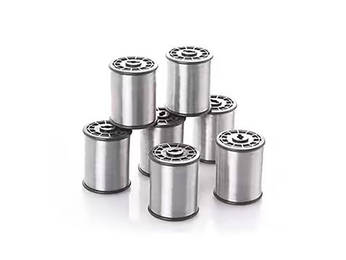
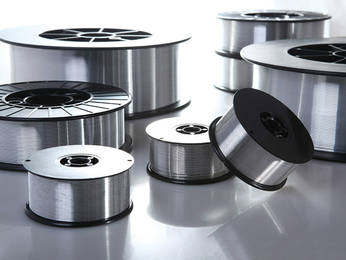
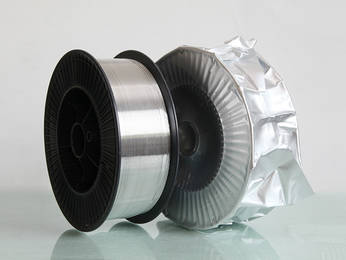
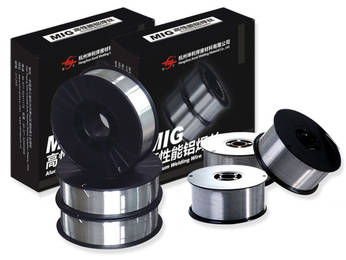
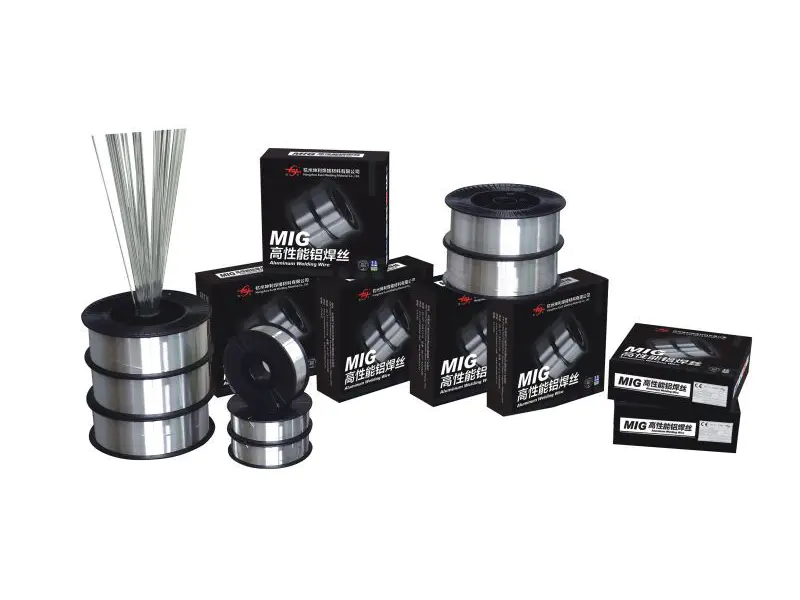
ER5183 is a filler wire used to join certain aluminum alloys during MIG welding. Once the arc goes out and the weld cools, that wire is no longer a separate product sitting on a spool — it's fused into the joint itself, working alongside whatever base metal it connected.
Anyone searching for information on 5183 Aluminium Mig Wire is usually trying to figure out whether it fits a specific job, not just comparing spec sheets side by side. A fabricator building boat hardware cares about different things than someone welding a trailer frame for highway use, even though both might reach for the same wire.
Judging a filler wire in isolation rarely tells the whole story. What matters is whether it fits the particular metal being joined and the conditions that joint will face afterward.
Why Corrosion Comes Up So Often in These Conversations
Corrosion doesn't happen the same way everywhere. A bracket bolted inside a climate-controlled warehouse ages differently than a handrail bolted to a dock that gets splashed with saltwater every afternoon.
Because welded joints usually become part of something bigger — a trailer, a boat hull, a piece of equipment — keeping that joint in decent shape over time matters to whoever owns it.
Corrosion resistance sits inside a bigger set of considerations:
- What the base metal actually is
- Where the finished piece will sit day to day
- How carefully the weld itself was made
- Whether surfaces were cleaned properly beforehand
- Whether anyone checks on it periodically after installation
- What upkeep, if any, gets scheduled
Treating the filler wire as the only deciding factor overlooks the wider range of elements that influence the final result.
Does Where Something Sits Change the Outcome?
It usually does, and fabricators who've worked outdoor projects tend to notice this quickly.
| Where It Sits | What Tends to Come Up |
|---|---|
| Inside a shop or warehouse | Fairly stable, predictable air |
| Outdoor structures | Rain, temperature swings, sun exposure |
| Near coastlines or docks | Salt spray settling on metal surfaces |
| Industrial plants | Fumes, chemicals, daily wear |
| Lakes, rivers, freshwater areas | Frequent contact with moisture |
| Trucks, trailers, moving equipment | Constant vibration and shifting exposure |
A handrail sitting a few miles inland faces a much gentler set of conditions than the same handrail bolted onto a dock getting hit with salty air every day. Planning for that difference before cutting metal saves headaches later.
Why the Base Metal Matters Just as Much as the Wire
A weld joint isn't one material — it's two things fused together, and how well they get along chemically affects what happens years down the road.
Before picking a filler wire, a few questions usually come up on the shop floor:
- What aluminum alloy is actually being joined here?
- Is this piece staying indoors, or is it headed outside permanently?
- What's realistic for upkeep — will anyone actually inspect this regularly?
- Does this wire pair well with the specific base metal on the bench?
Skipping these questions and just grabbing whatever spool is already loaded on the machine is how mismatched combinations end up causing problems that show up months after the job's already been paid for.
Does How the Weld Gets Made Matter Too?
Picking the right wire only covers part of the job. What happens before and during welding shapes the outcome just as much.
Things that tend to get checked on a careful shop floor:
- Whether the metal surface was actually clean before striking an arc
- How aluminum stock got stored before it reached the welding table
- Whether joints were fitted properly beforehand
- How the piece got handled between cutting and welding
- Whether anyone looked the finished weld over afterward
A rushed job with dirty surfaces and sloppy fit-up can undercut even a well-matched wire and base metal pairing. Corrosion resistance on paper doesn't mean much if oil residue or oxide layers got trapped in the joint during welding.
Where This Type of Wire Tends to Show Up
Aluminum welding spans a wide range of trades, and the environment each piece ends up in shapes which wire gets pulled off the shelf.
| Industry | Typical Work |
|---|---|
| Marine fabrication | Boat frames, hardware, hull sections |
| Transportation | Trailer bodies, truck components |
| Industrial manufacturing | Equipment housings, structural parts |
| Architectural work | Railings, panels, aluminum framing |
| Material handling | Racking, conveyors, structural supports |
| General fabrication shops | Custom aluminum projects |
A boat builder and a trailer manufacturer might both use similar wire, but their priorities around long-term exposure look different depending on how much time each finished piece spends near water versus sitting in a dry yard.
Questions Worth Asking Before Buying a Spool
Picking a filler wire usually goes smoother once the actual project gets defined clearly first.
What's This Piece Actually For?
A fence panel and a boat trailer frame create very different demands, even if both involve aluminum.
Where Does It End up Living?
Something bolted inside a garage faces gentler conditions than something mounted outside near a lake or coastline.
Does This Wire Actually Suit This Base Metal?
Checking compatibility between the two materials before welding avoids surprises later.
Who's Checking on This Thing Later?
Some projects get inspected regularly. Others get installed and forgotten until something visibly fails. Planning maintenance early tends to catch small issues before they turn into bigger ones.
So Is It the Wire Alone Doing the Work?
Not really. Corrosion resistance comes out of several things working together rather than one product carrying the whole load.
The environment a piece sits in, how carefully the weld got made, whether the base metal and filler wire actually suit each other, and whether anyone bothers checking on it afterward — all of that shapes how a welded joint holds up over the years. The same spool of wire used on two different projects can produce noticeably different results simply because those two projects live in different conditions.
Looking at the Whole Job Instead of Just the Wire
Fabricators who've been at this a while tend to stop treating filler wire as a standalone decision. The wire, the base metal, how clean the shop floor stayed during welding, where the finished piece gets installed, and whether anyone follows up with maintenance — all of it plays into how a weld actually performs over time. For anyone weighing 5183 Aluminium Mig Wire against other options, corrosion resistance is worth thinking about alongside these other pieces rather than as the single number that decides everything. A welded joint that gets proper prep work, matches its base metal reasonably well, and lands in a realistic environment for its intended use tends to hold up a lot better than one chosen purely because a spec sheet mentioned corrosion resistance somewhere near the top.
NEXT:Aluminium Braided Wire: Supporting Stable Electrical Connections