English
  Deutsch


Aluminium Braided Wire: Supporting Stable Electrical Connections
Article Directory
- 1 Why Do Standard Wires Struggle in Certain Electrical Connections?
- 2 What Makes Braided Construction Different From a Solid Core?
- 3 Why Choose Aluminium Specifically for Braided Wire?
- 4 How Does Braided Wire Actually Support a Stable Electrical Connection?
- 5 Does the Environment Around a Connection Change What Matters Most?
- 6 How Should Someone Decide Whether Braided Wire Fits a Specific Project?
- 7 What Habits Help Keep a Braided Wire Connection Working Well Over Time?
A connection that heats up under a heavy load, a cable that keeps working loose after months of vibration, a wire that snaps right at the terminal after a bit of repeated bending. Anyone who has spent real time around electrical wiring has run into at least one of these problems, usually at a moment that makes the timing especially annoying. Aluminium Braided Wire exists partly to deal with situations exactly like these, giving a flexible way to move electrical current through a connection that needs to bend, flex, or absorb motion without breaking down somewhere along the way.
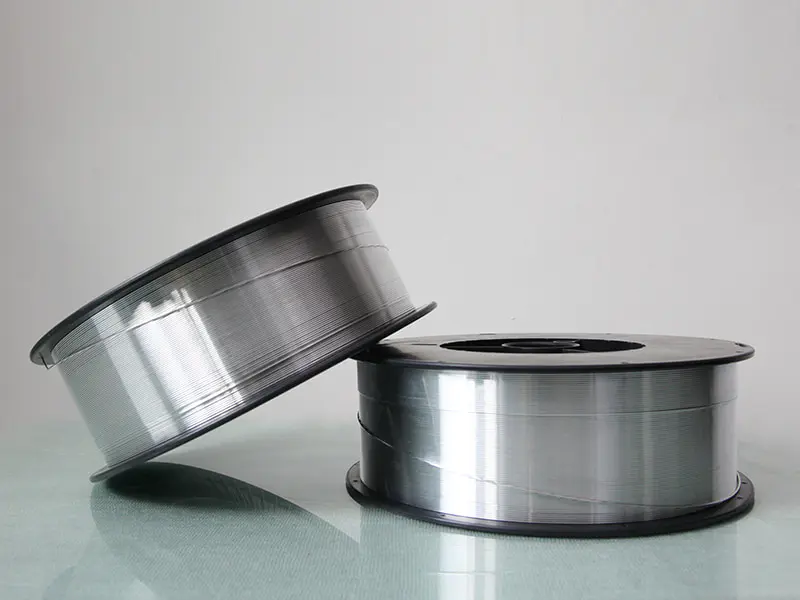
Solid wire does its job just fine when nothing around it moves much. Bolt it in place, run it behind a wall, leave it alone, and it carries current without any drama. Bring vibration or repeated motion into the picture, though, and that same solid wire starts showing strain fairly quickly. Aluminium Braided Wire takes a different approach entirely, weaving a bunch of thin strands together into a flexible conductor that handles motion in a way a single rigid core just can't manage on its own.
Why Do Standard Wires Struggle in Certain Electrical Connections?
A single solid conductor behaves well as long as it stays still. Fix it in place, and it holds up without much fuss. Introduce constant motion, though, and stress starts building at every point where the wire bends. Fatigue accumulates there over time, and eventually a crack forms right at that same spot, since the metal has nowhere else to send that stress.
This tends to show up in equipment that vibrates regularly, machinery built around moving parts, or any setup where a connection genuinely needs a bit of give instead of a fixed, rigid path. A solid wire forced into that kind of environment often fails sooner than anyone expects, usually right at a joint or terminal where the stress gathers.
A few situations make this pretty clear:
- Equipment mounted on a frame that shakes during use, slowly loosening a rigid wire connection over weeks
- Wiring near a moving part, where a fixed conductor eventually cracks from bending the same way over and over
- Tight spaces that force a sharp bend, putting real strain on a stiff wire that wasn't built to flex that way
- Setups where nearby parts expand and contract slightly with heat, stressing a rigid wire connection bit by bit
None of these problems announce themselves right away. They build up quietly, which explains why they tend to catch people off guard well after a connection seemed to be working fine.
What Makes Braided Construction Different From a Solid Core?
Aluminium Braided Wire is built from a bunch of thin aluminium strands, woven together in a pattern closer to a tight mesh than a single continuous rod. That weaving is really the whole reason braided wire behaves so differently from solid wire once stress enters the picture.
When a braided wire bends, the individual strands shift slightly against each other instead of the whole conductor bending as one stiff piece. That small internal movement spreads stress across many points rather than piling it all onto a single spot. Solid wire doesn't have that option available to it. Every bit of bending stress goes straight into one continuous piece of metal, and eventually that metal gives out.
This shows up in a few practical ways:
- Braided wire can flex again and again without the kind of fatigue cracking that shows up in solid wire over time
- Strand movement absorbs a fair share of vibration instead of sending it straight into a rigid structure
- The woven pattern allows tighter bends without kinking the way a solid wire tends to
- Strand flexibility lets the wire follow an uneven path around obstacles a lot more easily
None of this means braided wire fits every situation equally well. Solid wire still makes sense in plenty of fixed installations where nothing much moves. But wherever flexibility genuinely matters, braided construction handles that demand in a way solid wire simply isn't built for.
Why Choose Aluminium Specifically for Braided Wire?
Aluminium isn't the only metal used for braided wire, but it brings a particular mix of traits that fit certain jobs well. Weight is probably the trait people notice right away. Aluminium is a fair bit lighter than several alternative conductor metals, which matters a lot in situations where extra weight adds real cost or hassle, like large installations or equipment where every added ounce counts.
Aluminium also conducts electricity reasonably well relative to how light it is, which is part of why it gets picked over heavier metals in weight-sensitive jobs, even though it sometimes needs a slightly larger cross-section to match the conductivity of some alternatives.
Looking at a few factors side by side helps explain where aluminium fits in:
| Consideration | Relevance to Aluminium Braided Wire |
|---|---|
| Weight | Lighter than several alternative conductor metals |
| Flexibility once braided | Handles repeated bending and vibration well |
| Cost relative to some metals | Often a more economical choice for large-scale use |
| Resistance to certain corrosion | Holds up reasonably well across many environments |
None of this suggests aluminium fits every situation. Certain environments or specific electrical needs call for other materials entirely. But wherever weight and flexibility both matter at the same time, Aluminium Braided Wire tends to land in a genuinely practical spot.
How Does Braided Wire Actually Support a Stable Electrical Connection?
Supporting a connection isn't only about moving current from one end to the other. It also means keeping a stable, low-resistance path even as conditions around that connection shift over time. Aluminium Braided Wire helps with that stability in a few distinct ways.
The flexibility built into the braid lets the wire absorb small amounts of movement without pushing that stress straight into a terminal or connection point. That matters because a lot of connection failures don't actually start with the wire itself. They start with stress building at a terminal, where a rigid wire keeps tugging or flexing against a fixed point until something eventually gives way.
Braided wire also spreads current across many strands rather than depending on a single conductive path. If one strand takes on localized damage or wear, the strands around it keep carrying current, which builds in a kind of practical backup that a solid wire just doesn't have.
A few specific contributions worth pointing out:
- Less stress transferred to terminals during vibration or movement
- Continued function even when a handful of individual strands take some damage
- Steadier contact in connections that shift slightly over time
- A lower chance of sudden, complete failure compared with a single-path solid conductor
This mix of flexibility and internal backup is really what people mean when they talk about braided wire supporting a connection, rather than just carrying current from point A to point B.
Does the Environment Around a Connection Change What Matters Most?
Every electrical connection sits inside some kind of environment, and that environment shapes what actually matters for wire performance. A connection installed indoors in a calm, climate-controlled room deals with completely different stresses than one installed outdoors, near machinery, or somewhere exposed to swinging temperatures.
Vibration is one of the more obvious environmental factors here. Machinery, vehicles, and equipment full of moving parts all send constant, repetitive motion into nearby wiring. In settings like these, the flexibility of braided wire stops being a nice bonus and becomes something closer to a real necessity, since a rigid wire installed somewhere that shakes constantly tends to fail well before one built to handle that kind of motion.
Temperature swings matter too, just in a slightly different way. Materials expand and contract as temperatures shift around them, and connections that don't account for that movement build up stress over repeated cycles. A flexible braided wire tolerates this kind of subtle, ongoing shifting a lot better than a rigid alternative, since the strands can adjust slightly to small changes instead of dumping all that stress into one fixed joint.
Moisture and general outdoor exposure add another layer worth thinking about, since materials respond differently to humidity, temperature changes, and everyday wear once they're sitting outside for a long stretch. Matching the wire choice to the actual environment it will live in tends to prevent a lot of problems that only show up gradually, well after everything's already installed and running.
How Should Someone Decide Whether Braided Wire Fits a Specific Project?
Not every project actually needs the flexibility braided wire offers, and it helps to think through real requirements before assuming braided construction is automatically the right call. A fixed installation with no vibration, no movement, and steady conditions might do just fine with a simpler, solid conductor instead.
A few honest questions help sort out whether braided wire genuinely makes sense for a given job:
- Does this connection deal with regular vibration or movement during normal use?
- Is the installation space tight enough that bending radius becomes a real limitation?
- Will nearby parts shift slightly over time from heat expansion?
- Does weight actually matter in a meaningful way for this particular installation?
- Is there a real chance of a strand or two getting damaged over the wire's working life, making that built-in backup worth having?
Answering these honestly, instead of just defaulting to whichever wire feels more familiar, usually points fairly clearly toward the right pick. A project dealing with real movement, tight space, or weight concerns tends to gain a lot from braided construction. A calm, fixed installation without those pressures might not need that extra flexibility at all.
What Habits Help Keep a Braided Wire Connection Working Well Over Time?
Even a well-matched wire benefits from a bit of ongoing attention. Braided wire, despite handling flexibility a lot better than solid wire, still wears down over time, particularly right where it meets a terminal or other fixed hardware.
Checking wire visually every so often helps catch early signs of fraying or strand damage before things get worse. A wire that looks a little frayed near a terminal is worth dealing with sooner instead of later, since that kind of localized wear tends to spread if it's left alone too long.
Keeping connections clean and free of buildup that promotes corrosion also helps performance hold up over the long run, since debris around a terminal can get in the way of the steady contact a flexible wire is otherwise well suited to maintain. Checking that mounting hardware hasn't loosened over time matters too, since even a flexible wire needs a secure connection point rather than one that's gradually worked itself loose.
A few habits genuinely make a difference over time:
- Looking over exposed sections of braided wire now and then for fraying or strand damage
- Keeping terminal connections clean and watching for any corrosion buildup
- Making sure mounting hardware stays tight and properly secured
- Paying closer attention to areas exposed to frequent bending or movement can help identify parts that may require extra care.
Skipping these small checks won't cause trouble right away, but it tends to shorten how long a connection keeps performing reliably, even when the wire itself was a genuinely sound pick for the job.
Electrical connections rarely fail out of nowhere without any warning at all. They tend to wear down slowly, through repeated vibration, small amounts of movement, or stress that quietly builds at a fixed terminal, until one day something that used to work just stops working the way it should. Aluminium Braided Wire deals with a lot of these slow-building failure points directly, offering flexibility and a bit of built-in backup that a solid conductor was never really built to provide. Matching the wire to whatever a specific environment actually demands, whether that's vibration, tight bending space, or weight concerns, and then keeping an eye on connections over time through a few simple, consistent habits, tends to keep a wiring setup running the way it's supposed to for a lot longer than it otherwise would manage on its own.