English
  Deutsch


How Wire Cast and Helix Affect MIG Welding Performance
Article Directory
- 1 Defining Wire Cast and Its Measurement
- 2 Understanding Helix: The Three-Dimensional Challenge
- 3 How Wire Cast Influences Feeding Performance
- 4 The Helix Problem: When Wire Fights the System
- 5 Combined Effects: When Both Problems Exist Simultaneously
- 6 Spool Gun Considerations for Aluminum Wire
- 7 Storage and Handling Impact on Wire Geometry
- 8 Assessing Wire Quality Before Welding
- 9 Adjusting Equipment to Accommodate Wire Variations
- 10 The Economics of Wire Quality
- 11 Alternative Delivery Methods for Problem Wire
- 12 Quality Verification and Documentation
- 13 Adapting Welding Technique
- 14 The Path Forward: Setting Quality Expectations
Welding professionals working with aluminum face unique challenges that their steel welding counterparts rarely encounter. When purchasing consumables from Aluminum Mig Wire Manufacturers, many fabricators focus on alloy type and diameter while overlooking two critical characteristics that dramatically influence performance: wire cast and helix. These geometric properties, often invisible until problems arise, determine whether your aluminum MIG wire feeds smoothly through the gun or causes frustrating stoppages, erratic arcs, and weld defects. Understanding these factors transforms troubleshooting from guesswork into a systematic approach that saves time and reduces material waste.
Defining Wire Cast and Its Measurement
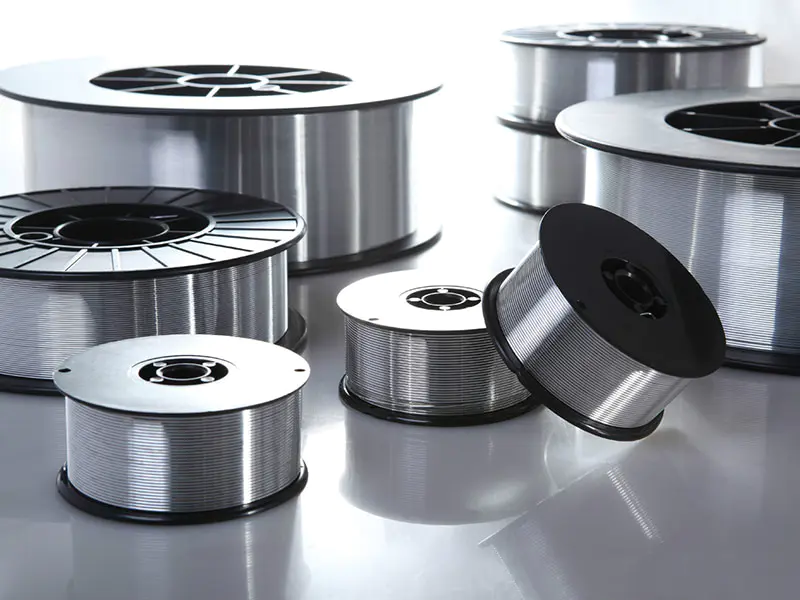
Wire cast describes the inherent bend that welding material takes on when unwound from its reel and left to settle naturally on a level area. Envision pulling out a length of material from the container and setting it down on your work surface without trying to flatten it. The material shapes into a loop or curve on its own, and the width of this loop stands for the cast size. Narrower cast widths show sharper bending, whereas broader widths mean the material holds less recall of its wound state.
Measuring cast involves a straightforward process:
- Snip about a yard of material from the reel
- Set the material piece on a spotless, even surface without handling it further
- Let the material take its own form
- Gauge the width of the loop or curve that appears
- Note this size to check against standard practices
Various material thicknesses have varying suitable cast spans. Slimmer materials tend to show narrower cast than bulkier ones because of their greater bendability and the way finer sizes are coiled into holders.
Understanding Helix: The Three-Dimensional Challenge
Cast covers material bending in a flat plane, but helix points to a spatial twisting layout. Think of a coil or screw form where the material winds along its span instead of just arching. This winding setup causes major issues in material supply lines since the material keeps rubbing the tube sides while moving through the hose setup.
Helix develops during manufacturing and handling through several mechanisms:
- Unequal pull in the material stretching stage builds inner strain layouts
- Wrong winding methods add turning pressures
- Keeping conditions that let containers sit tilted or face warmth changes
Shipping harm that warps the material holder How much helix shows up differs widely. Slight spiral shapes might hardly impact delivery in brief hose setups, while strong helix renders steady material supply almost unworkable, particularly over extended hoses or sharp turns.
How Wire Cast Influences Feeding Performance
The link between material cast and delivery action shows up clearly when looking at the route aluminum material has to follow. From the reel, past push wheels, into the hose tube, around hose curves, and out the end nozzle, the material hits many likely drag spots. Aluminum's yielding nature versus harder metals lets it reshape more readily under force, making it extra reactive to shape oddities.
Contact Tip Interaction
Material with narrow cast keeps shoving the nozzle hole in a looping way. The material follows a path along the inner edge rather than proceeding directly through the center, which can create feeding difficulties:
The nozzle erodes unevenly as the material follows a loop path, forming an enlarged, uneven hole that lets the material shift around randomly. This early erosion raises supply fees and calls for quicker nozzle swaps to keep arc steadiness.
Power link between material and nozzle turns spotty as the material jumps in the widened hole rather than holding steady touch. This results in arc fluctuations that appear as variations in acoustic signals, data dispersion, and joint appearance.
The working material extension alters ongoing as the material spot changes in the bigger nozzle hole. For joining slim stock or in key tasks needing exact warmth addition, these shifts harm joint uniformity.
Liner Friction and Drive System Stress
Narrow material cast pushes extra drag across the whole hose setup. The material always leans on the tube walls while trying to keep its bent form as it's forced straight ahead. This creates:
- Greater reverse force on the push wheels, needing higher wheel grip that reshapes the yielding aluminum material more
- Faster tube erosion that makes bumpy areas and snags that heighten delivery issues
- Increased mechanical load can contribute to intermittent feeding or, in adverse conditions, complete interruptions in material flow
- Warmth rise from drag that can change material outer traits and delivery uniformity
The Helix Problem: When Wire Fights the System
Twisted material poses its own unique hurdles. Cast boosts drag during delivery, but helix resists straight movement by attempting to spin while passing through the tube. Imagine dragging a coil inside a pipe—the coil aims to turn and snag instead of gliding easily.
Feeding Interruptions and Stoppages
Pronounced helix causes the wire to jam at several common locations:
Cable Bends: At hose curves, twisted material snags and halts as the coil shape matches the turn arc. The material might push ahead in fits rather than evenly, or freeze fully, forcing the user to back it out and restart.
Liner Entry Points: Where drive wheels meet the tube start, twisted material bumps the opening edge instead of slipping in cleanly. This forms a mess of knotted material near the wheels.
Contact Tip Entry: The last stretch to the nozzle turns vital, with twisted material abruptly stopping, stranding a melted-back end jammed in the nozzle.
Arc Stability Degradation
When twisted material does make it through, the arc action still weakens. The coil layout causes the material to exit the nozzle at varying spots and tilts per twist. This results in:
- Arc Wandering: The arc spot on the piece shifts about instead of staying put, yielding broader, harder-to-manage joint lines
- Inconsistent Penetration: With changing material tilt, depth varies, risking poor merging on one edge or too much melt on slim areas
- Spatter Increase: The shifting spot makes material shift unsteady, flinging extra scatter that dirties the joint zone and squanders filler
- Porosity Risk: Uneven material push messes the protective flow setup, letting air pollution create hole-filled joints
Combined Effects: When Both Problems Exist Simultaneously
Material showing narrow cast plus strong helix builds stacked troubles that go beyond separate issues. The cast-based drag joins helix-caused sticking for delivery so unreliable that joining turns unfeasible.
Fixing issues gets extra hard as users find it tough to pinpoint which shape flaw triggers certain signs. The material could run fine briefly before locking up, or seem okay at slow paces but break down when output calls for faster material use.
| Wire Condition | Primary Symptom | Secondary Effects | Severity Rating |
|---|---|---|---|
| Acceptable cast and helix | Smooth, consistent feeding | Minimal tip wear, stable arc | Low impact |
| Tight cast only | Increased friction, faster tip wear | Higher drive pressure needed | Moderate impact |
| Pronounced helix only | Intermittent feeding, arc wander | Frequent jams in bends | High impact |
| Tight cast with helix | Severe feeding problems | System frequently jams, inconsistent welds | Critical impact |
Spool Gun Considerations for Aluminum Wire
Plenty of joiners opt for push-pull setups to tackle aluminum material delivery woes. By mounting a tiny reel right on the tool and cutting out long hose paths, these setups shorten the travel distance and trim snag chances. Yet material cast and helix remain relevant in this briefer route.
Narrow cast speeds up breakdown on the small push setup within push-pull tools. These compact push systems handle less change than bigger feeders, and damaged wheels in a push-pull are costlier and trickier to swap.
Twisted material can block between the little reel and push parts, especially with sharp tool tilts in use. The tight inner route offers scant space for fixes when material binds.
Push-pull users ought to check material shape prior to reel loading. Though push-pull eases some delivery snags, it doesn't wipe out effects from subpar material grade.
Storage and Handling Impact on Wire Geometry
Material made to good cast and helix standards can still worsen from keeping or moving it wrong. Aluminum material needs extra gentle care than steel types because of its soft, quick-to-bend makeup.
Temperature Cycling Effects
Aluminum shows fairly strong heat growth compared to lots of stuff. Material kept in spots with big warmth shifts goes through ongoing swell and shrink rounds. These rounds can:
- Change the cast width as material grows and shrinks next to the reel edges
- Add fresh strain setups that form or heighten twist shapes
- Make the material slack on the reel, letting rows mix up or overlap
Holding steady keeping warmth, especially skipping hot spots, aids in keeping material shape. Plenty of expert joining places set aside temp-managed keeping zones just for aluminum supplies.
Package Position and Orientation
The way material holders sit while kept affects shape traits. Holders kept standing with the reel line upright hold steadier cast than holders set level or piled slanted. The weight of layered material applying angled pressure creates uneven tension, which can contribute to variations in the casting.
Likewise, holders should stay sealed in their starting wrap until needed. Bare reels can snag things, take hits, or pick up dirt that harms delivery features.
Assessing Wire Quality Before Welding
Forward checking stops lost hours and stuff on bad material. Some easy reviews prior to shop work spot likely troubles:
Visual Inspection: Draw out a few yards of material from the holder and look it over closely. Search for even thickness, sleek outer feel without marks or holes, and same shade. Outer oddities often come with weak shape traits.
Cast Test: Pull off around a yard of material and put it on an even surface. Watch the loop it shapes on its own. The width ought to stay the same over the span, not switching from sharp bends to wide arcs. If varied parts display very different cast, the whole reel probably has uneven material.
Helix Assessment: Grip a short stretch of material at sight height. Turn it gently and scan for coil layouts. Good material should look mostly direct with little wind. Clear screw-like layouts signal troublesome helix.
Feed Test: Prior to key shop tasks, push material through your setup at usual settings. Hear for odd noises from the push parts, scan for pauses or bumpy delivery, and check arc firmness. Any delivery oddities call for material swap before going ahead.
Adjusting Equipment to Accommodate Wire Variations
When material shape does not fully conform to specifications but must be used due to inventory or cost considerations, gear adjustments can improve feed performance:
Drive Roll Pressure Optimization
Lots of joining experts tighten push wheels too much, thinking extra force guarantees better delivery. For aluminum material with shape oddities, though, too much force just reshapes the material more, making issues worse. The aim is least force that keeps steady delivery:
- Begin with barely enough force to stop skids
- Boost slowly in tiny steps just if delivery lags
- Ease up right away if material reshaping or scraping shows
- Review material outer after wheel pass—it should display faint path lines, not heavy cuts
Liner Selection and Maintenance
Right tube pick turns vital when handling less-than-best material shape. For aluminum tasks, think about:
Teflon or Nylon Liners: These slick stuff aid material with narrow cast or helix move smoother through the hose group. The lower drag partly offsets added hold from shape oddities.
Proper Sizing: Tube inner width should fit material thickness tightly. Too-big tubes let material drift and snag, while too-small tubes make overmuch drag. Check maker rules for right tube-to-material pairing.
Regular Replacement: Used tubes build rough patches that grab material oddities. Swap tubes per maker plan or earlier if delivery troubles start. A fresh tube's fee is small next to stop time and waste from delivery woes.
Contact Tip Management
Ongoing nozzle check and swap turns needed when using material with shape troubles. Grow your nozzle stock and cut swap gaps. Clues that nozzles need changing cover:
- Clear breakdown or uneven hole when seen from the arc side
- Arc wobbles that last despite right settings
- Higher scatter amounts
- Trouble holding steady material outreach
The Economics of Wire Quality
Shops occasionally opt for cheaper aluminum material to cut supply fees, just to find that shape inconsistencies wipe out those gains. A full fee breakdown shows the real price of weak material shape:
Direct Costs:
- Greater supply use (nozzles, tubes, push wheels)
- Extra material loss from delivery breaks and needed redos
- Quicker gear upkeep and piece swaps
Indirect Costs:
- Lower worker output from fix-hunting and gear tweaks
- Waste and redo from joint flaws tied to unsteady delivery
- Slower overall flow when delivery snags drag shop paces
- Worker annoyance causing lesser work happiness and possible staff changes
Material hitting stricter shape rules often runs a bit higher per unit, yet this added fee usually makes up a small part of likely savings from better output and fewer snags. Buying choices ought to weigh full owning fees instead of mere unit comparisons.
Alternative Delivery Methods for Problem Wire
If material shape blocks normal push setup success, various other delivery ways can rescue otherwise useless stock:
Pull Systems: In pull tool setups, the push parts sit at the tool instead of a far feeder. This approach reduces lengthy hose sections where deformation can contribute to sticking. Pull-type feed systems are suitable for handling material with a tendency to twist.
Spool Guns: As noted before, push-pull tools put material right next to the push parts, trimming travel span. This fits material with average shape flaws that would block in longer hose groups.
Push-Pull Systems: These mixed setups use matched push parts at both feeder and tool. The joint push-pull move keeps pull along the material route, lessening cast and helix effects by holding material tight to the tube side rather than letting it drift.
Quality Verification and Documentation
Setting up excellence check routines for fresh material guards against shape troubles:
Receiving Inspection: Assign duties for reviewing new material loads. Spot-checking from each group, even basic looks and simple cast gauging, spots bad groups prior to shop entry.
Supplier Communication: If shape troubles show, note details and reach your provider with facts. Trustworthy makers seek input on excellence snags and might swap faulty stock or tweak their ways to stop repeats.
Performance Tracking: Keep logs linking material group codes to delivery running and joint excellence outcomes. Trend spotting aids in noting which providers steadily supply good shape and which need tighter watch.
Adapting Welding Technique
Expert joiners build skills that partly offset material shape oddities:
- Maintaining a shorter material overhang reduces the free span where cast and helix can contribute to deviation
- Running a touch faster material push can force past small stick spots
- Keeping the torch straighter to the piece instead of sharp tilts eases strain on delivery setups
- Mapping joint orders to trim quick direction shifts helps material that runs just okay
These changes assist yet shouldn't count as lasting fixes. Skill tweaks to bypass weak material excellence cut flow and cap joining options.
The Path Forward: Setting Quality Expectations
Shops and joining experts can shape material excellence by sharing clear needs with providers. When seeking prices or making buys:
Set suitable spans for cast and helix instead of just asking by mix and thickness. Plenty of providers can hit stricter shape rules if buyers ask for them, but they fall back to wider allowances when purchasers skip excellence details.
Ask for proof or review info displaying shape traits. Forward-thinking makers monitor these factors and can supply papers with each batch.
Form ties with providers who grasp aluminum material's special hurdles. Expert guidance from savvy makers aids in fine-tuning your full joining setup, beyond mere supply picks.
See material excellence as a team effort between maker and buyer. Firms like Kunli and other trusted ones put resources into building routines and oversight setups that steadily yield material in good shape rules, seeing buyer wins as key to their standing.
Material cast and helix stand for two shape features that deeply shape aluminum joining outcomes. Through grasping these traits, their origins, and impacts on delivery and arc action, joining experts can pick wisely on material choice, keeping, moving, and gear arrangement. The aim stays firm: even material flow, steady arcs, and strong joints that hit rules while upholding output and fee oversight.
NEXT:Why is ER5183 Welding Wire the Industry Standard for Marine-Grade Aluminum and Cryogenic Storage Tanks?