English
  Deutsch


ER5754 Aluminum Welding Wire: Properties, Applications, and Advantages for Aluminum Welding
Article Directory
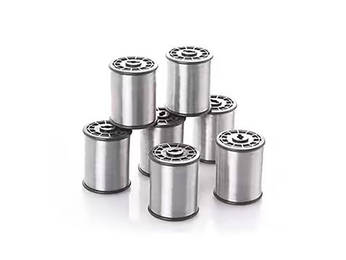
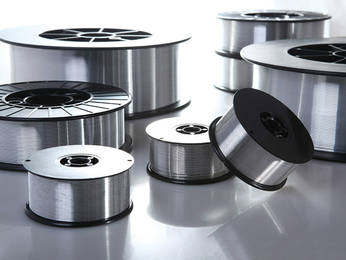
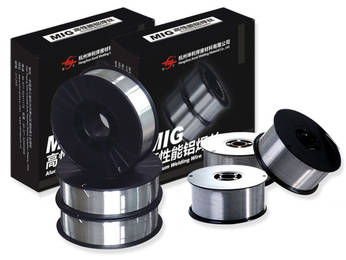
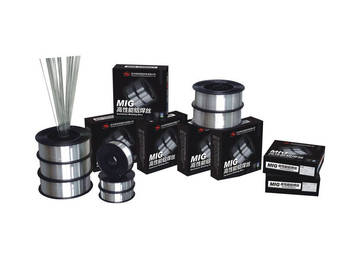
Marine structures and automotive aluminum bodies both need a filler metal that won't corrode the moment saltwater or road weather hits the weld. ER5754 Aluminum Welding Wire is built specifically for that job, pairing aluminum-magnesium composition with reliable weldability across MIG and TIG processes.
What ER5754 Is Made Of
ER5754 is classified under AWS A5.10 as ER5754 and corresponds to EN ISO 18273 S Al 5754, an aluminum-magnesium alloy wire where magnesium is the primary strengthening element. That magnesium content is what drives the wire's corrosion resistance, weld strength, and structural stability.
What This Composition Delivers
- Excellent corrosion resistance — performs reliably in moisture, salt water, and outdoor industrial atmospheres
- Good mechanical strength — balanced toughness and weld strength for structural aluminum work
- Good anodizing color match — consistent finished appearance for decorative aluminum structures
- Stable arc performance — reliable results across both MIG and TIG welding processes
Corrosion resistance isn't a bonus feature on ER5754 — it's the entire reason the alloy exists, built into the wire through its magnesium content rather than added afterward.
Where ER5754 Gets Used
| Industry | Application | Why ER5754 |
| Marine | Ship structures, boat components | Saltwater corrosion resistance |
| Automotive | Aluminum body structures | Weight reduction with reliable welds |
| Industrial equipment | Storage tanks, chemical equipment | Structural reliability under exposure |
| General fabrication | Frameworks, outdoor furniture | Durable, weather-resistant joints |
MIG vs TIG Welding with ER5754
MIG Welding
High production efficiency and consistent welds, well suited to automotive production and large aluminum assemblies.
TIG Welding
Better weld appearance and higher control accuracy, favored for precision and visible-weld applications.
Choosing the Right Wire Specification
- Confirm base aluminum alloy compatibility and magnesium content before selecting
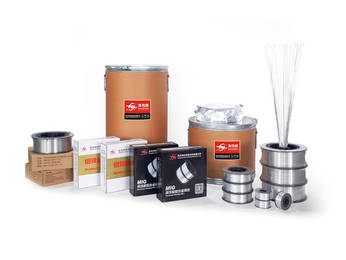
- Match wire diameter (0.8mm, 1.0mm, 1.2mm, or 1.6mm) to equipment and material thickness
- Prioritize corrosion resistance and stable performance for outdoor or marine welding
ER5754 vs Other Aluminum Filler Wires
| Feature | ER5754 | Other Aluminum Wires |
| Alloy type | Al-Mg | Varies by alloy system |
| Corrosion resistance | Excellent | Depends on alloy |
| Anodizing match | Good | Depends on composition |
Storage and Handling
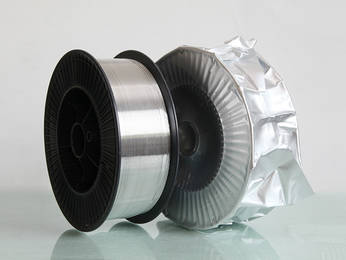
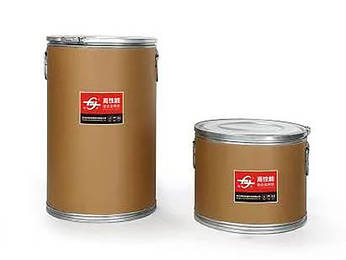
Keep wire dry and away from moisture exposure, store it in its original packaging, and prevent surface contamination before use. Moisture and contamination directly affect arc stability, weld quality, and final surface appearance — small handling mistakes here show up as real defects at the weld.
Frequently Asked Questions
Is ER5754 suitable for structural welds, not just decorative ones?
Yes. It provides balanced mechanical properties with reliable weld strength, making it suitable for structural aluminum fabrication as well as visible, anodized surfaces.
Can ER5754 be used for both MIG and TIG welding?
Yes. It performs well in both processes, with MIG suited to high-volume production and TIG favored for precision and appearance-critical work.
Why is magnesium content important in this wire?
Magnesium is the primary alloying element driving ER5754's corrosion resistance, weld strength, and structural stability.
What wire diameter should I use for thicker aluminum sections?
Thicker material generally calls for larger diameters like 1.2mm or 1.6mm, but the right choice also depends on your welding equipment and speed requirements.
For marine structures, automotive bodies, and outdoor fabrication that all demand corrosion resistance without sacrificing weld reliability, ER5754 Aluminum Welding Wire remains a dependable choice.
NEXT:Why Silicon Aluminum Filler Metal Fits Lightweight Parts