English
  Deutsch


What is 4043 Welding Wire Used For
Article Directory
- 1 Why Does Welding Wire Selection Matter?
- 2 What Is 4043 Welding Wire Used For?
- 3 Which Industries Commonly Use 4043 Welding Wire?
- 4 What Advantages Make 4043 Welding Wire Widely Used?
- 5 How Should Buyers Choose the Right Welding Wire?
- 6 How Does 4043 Welding Wire Compare with Other Aluminum Welding Wires?
- 7 What Should Manufacturers Know Before Purchasing?
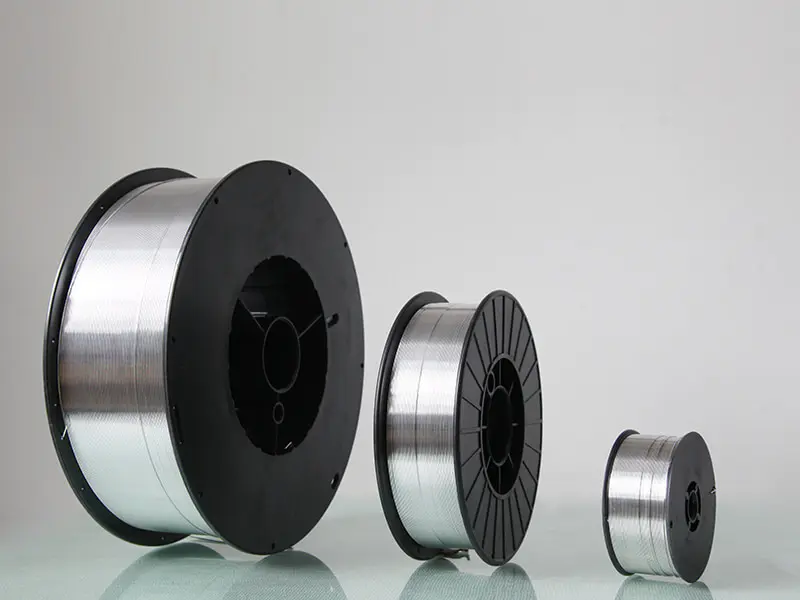
Picking the wrong aluminum filler wire tends to cause trouble long before a finished part ever reaches a customer's loading dock. Welds might need extra grinding and cleanup, production can slow to a crawl, and purchasing teams sometimes only realize halfway through a job that the material they ordered doesn't actually suit the application in front of them. If you're trying to pin down what China 4043 Welding Wire actually gets used for, the answer starts with picking a filler material built to support steady aluminum fabrication across a wide range of everyday shop tasks. Knowing where it fits cuts down on unnecessary trial and error while making purchasing decisions a lot more grounded in reality.
Why Does Welding Wire Selection Matter?
Plenty of people spend a lot of time picking out welding equipment while barely giving the filler material a second thought. In reality, the wire joining two aluminum parts together shapes production efficiency, weld appearance, and how consistent the finished product turns out to be, shift after shift.
Every manufacturing project carries different priorities.Some workshops focus more on production efficiency, while others place greater emphasis on appearance or on how well a welding wire matches the materials already available in their inventory. Picking an appropriate welding wire helps balance these demands before production even gets rolling.
How Does Filler Wire Influence the Welding Process?
The filler wire becomes part of the actual joint once everything cools down. As it melts and solidifies, it influences how consistently the welding process progresses from the initial pass through the final pass.
A suitable welding wire tends to contribute to:
- Steadier welding behavior pass after pass
- Consistent material flow through the gun
- Cleaner weld appearance right off the torch
- Less post-weld finishing work down the line
- Better consistency across a production run
Operator skill still matters a great deal, but the filler material carries real weight throughout the process too, not just as a side ingredient.
Why Can Choosing the Wrong Wire Increase Costs?
The cost of welding materials stretches well past whatever's printed on the purchase invoice.
An unsuitable filler wire can create situations like:
- Extra finishing work piling up at the end of the line
- More production interruptions mid-shift
- Higher material waste from failed passes
- Additional inspection steps nobody planned for
- Additional rework on parts that should have passed on the initial inspection
For manufacturers running continuous production, these indirect costs often end up mattering more than the price tag on the spool itself.
What Is 4043 Welding Wire Used For?
Part of why 4043 Welding Wire shows up in so many aluminum fabrication shops comes down to how versatile it turns out to be in practice.
Rather than serving just one specialized corner of manufacturing, it supports a wide range of activities anywhere aluminum joining shows up as part of the workflow.
Which Aluminum Fabrication Projects Commonly Use It?
Plenty of aluminum products need welding somewhere during assembly.
Typical examples include:
- Aluminum frames
- Equipment housings
- Structural assemblies
- Decorative products
- Industrial enclosures
- Machine covers
- Fabricated components
These products can look nothing alike and serve completely different purposes, yet they often share similar aluminum welding needs underneath the surface.
Why Is It Popular for Routine Manufacturing?
Manufacturing shops tend to look for materials that work across several product lines rather than just one.
Instead of swapping filler wire every time a new order comes through the door, plenty of workshops lean toward solutions that handle everyday fabrication without turning production into a juggling act.
This flexibility simplifies:
- Inventory management on the shop floor
- Purchasing decisions month to month
- Production scheduling around different orders
- Operator familiarity with one consistent material
- Material planning across the year
For facilities running different aluminum products through the week, this practical approach helps keep the whole workflow from getting tangled up.
Is It Suitable for Repair Work?
Repair and maintenance jobs often involve aluminum parts that need reliable joining without tossing out and replacing the whole component.
Typical repair applications include:
- Equipment maintenance calls
- Aluminum housing repairs
- Workshop restoration jobs
- Machine component replacement
- General fabrication repairs
Since repair situations vary quite a bit from one job to the next, checking material compatibility before diving in still matters.
Which Industries Commonly Use 4043 Welding Wire?
The applications reach well past any single market or niche.
Plenty of industries process aluminum in different ways while running into fairly similar production challenges along the way.
| Industry | Typical Applications |
|---|---|
| General manufacturing | Aluminum fabrication and assemblies |
| Transportation | Vehicle components and structures |
| Construction | Architectural aluminum products |
| Equipment manufacturing | Frames, covers, and housings |
| Maintenance | Aluminum repair work |
Why Do so Many Industries Choose the Same Filler Wire?
Even though these industries look nothing alike on the surface, many of them need:
- Reliable aluminum joining
- Steady production workflows
- Consistent product quality
- Practical inventory management
Using one widely accepted filler wire across multiple projects often simplifies purchasing while keeping routine production moving without extra friction.
Does Every Aluminum Project Require the Same Filler Wire?
Not really.
Different aluminum materials and different manufacturing goals can call for different filler materials entirely.
The real point here is matching the filler wire to the actual application, rather than assuming one product automatically fits every job that comes through the shop.
What Advantages Make 4043 Welding Wire Widely Used?
Popularity usually builds up because a material performs decently across a lot of practical situations, not because it was engineered for one narrow task.
A handful of characteristics explain why manufacturers keep reaching for this filler wire.
Does It Help Improve Weld Appearance?
Plenty of aluminum products stay visible after assembly wraps up.
Examples include:
- Decorative structures
- Consumer products
- Display equipment
- Interior architectural elements
A smoother weld appearance often cuts down on finishing work while helping the overall product look cleaner once it ships out the door.
Can It Support Production Efficiency?
Production managers care a lot about consistency, probably more than almost anything else.
When welding behavior stays predictable pass after pass, operators spend less time fiddling with adjustments mid-run.
Potential workflow advantages include:
- Steady feeding through the gun
- Consistent melting behavior
- Fewer interruptions during a shift
- Operating conditions that feel familiar
Small improvements scattered throughout production often add up to noticeably smoother manufacturing schedules by the end of the week.
Why Does Versatility Matter?
Plenty of workshops process different customer orders all year round, not just one repeating job.
Using materials that adapt across multiple production tasks cuts down on unnecessary inventory while keeping daily operations a bit simpler.
Instead of stocking a dozen different filler materials, manufacturers sometimes lean toward solutions that cover broader production needs at once.
How Should Buyers Choose the Right Welding Wire?
Picking welding materials starts with actually understanding the project itself, not just scanning a catalog.
Rather than asking which product wins on paper, buyers get further by asking which material actually matches their own shop's needs.
Which Project Factors Should Be Evaluated?
Before buying, it helps to think through:
- Aluminum material type being welded
- Product application once finished
- Whether welds stay visible or hidden
- Indoor or outdoor use
- Production volume expected
- Finishing requirements down the line
These practical questions tend to give clearer direction than just comparing product names side by side.
Why Does Material Compatibility Matter?
Every manufacturing project starts with whatever base material is sitting on the bench.
Compatibility helps support:
- Steady production runs
- Consistent fabrication results
- A finished appearance that actually fits the product
- A manufacturing workflow that doesn't fight itself
Understanding compatibility early on cuts down on purchasing uncertainty later, when it's harder to fix.
Should Appearance or Productivity Receive More Attention?
The answer really depends on the product sitting in front of you.
For visible consumer products, appearance can end up mattering quite a bit.
For industrial equipment tucked away out of sight, production efficiency usually gets more attention instead.
Most purchasing decisions end up balancing both factors rather than leaning entirely on just one.
How Does 4043 Welding Wire Compare with Other Aluminum Welding Wires?
Buyers often compare several filler materials side by side before placing an order.
Rather than hunting for one option that beats everything else across the board, comparison works better when it stays focused on actual project requirements.
| Comparison Factor | Why It Matters |
|---|---|
| Material compatibility | Supports matching wire to application |
| Production workflow | Shapes manufacturing efficiency |
| Weld appearance | Affects how the finished product looks |
| Inventory planning | Simplifies purchasing decisions |
| Application type | Guides material selection overall |
When Is Versatility More Valuable Than Specialization?
Manufacturers producing a wide range of aluminum products often appreciate flexible materials that don't force constant switching.
A versatile filler wire can cut down inventory complexity while supporting multiple production scenarios at once.
Facilities focused on one narrow, specialized application might weigh different priorities entirely.
Which Purchasing Considerations Extend Beyond Product Performance?
Purchasing departments usually look at more than just technical performance on a spec sheet.
Other considerations include:
- Supply consistency over time
- Product availability when orders come in
- Packaging options that fit the shop's setup
- Delivery scheduling around production needs
- Technical support when questions come up
- Long-term supplier cooperation and communication
Reliable supply planning supports production just as effectively as selecting a suitable material at the beginning of the process.
What Should Manufacturers Know Before Purchasing?
Successful purchasing decisions usually start taking shape well before anyone actually places an order.
Manufacturers benefit from understanding both their own production needs and what a supplier can realistically deliver.
How Does Supply Stability Affect Manufacturing?
Unexpected supply interruptions can throw off production planning fast, sometimes with little warning.
Stable supply helps manufacturers:
- Maintain inventory without constant scrambling
- Reduce last-minute scheduling changes
- Improve purchasing efficiency over time
- Support continuous production without gaps
Reliable material availability tends to matter more and more as production volume grows across a facility.
What Information Should Buyers Discuss with Suppliers?
Before confirming an order, buyers often walk through:
- Product compatibility with existing materials
- Packaging methods suited to their setup
- Delivery arrangements that fit production timing
- Quality consistency across batches
- Production requirements specific to their shop
- Application recommendations from the supplier's side
Open communication helps suppliers understand a project's actual requirements while cutting down on misunderstandings during the purchasing process.
Choosing 4043 Welding Wire really comes down to understanding where it fits within aluminum fabrication, rather than treating it as something that automatically works for every job that walks through the door. Its wide use across manufacturing, construction, transportation, equipment production, and repair work reflects how well it supports routine aluminum welding applications while helping manufacturers keep their workflows practical and manageable. Buyers who weigh compatibility, production requirements, visible finish expectations, inventory planning, and supplier reliability together tend to end up in a stronger position when it's time to make a purchasing call. Looking at the whole manufacturing process, rather than fixating only on the welding wire itself, builds a sturdier foundation for consistent production, smoother procurement, and long-term material planning across whatever projects come next.
NEXT:ER5754 Aluminum Welding Wire: Properties, Applications, and Advantages for Aluminum Welding