English
  Deutsch


Why Silicon Aluminum Filler Metal Fits Lightweight Parts
Article Directory
- 1 What Actually Is Silicon Aluminum Filler Metal?
- 2 Why Are So Many Products Getting Lighter?
- 3 How Does This Filler Metal Actually Help With Lightweight Manufacturing?
- 4 Where Does This Filler Metal Actually Show Up?
- 5 Why Does It Matter Whether Materials Actually Work Well Together?
- 6 How Does This Actually Improve Day-to-Day Production?
- 7 What Should a Manufacturer Actually Think Through Before Choosing One?
- 8 How Does This Actually Affect Overall Product Quality?
- 9 Why Are Manufacturers Leaning Toward More Adaptable Materials?
- 10 Where Does This Fit Into Manufacturing Going Forward?
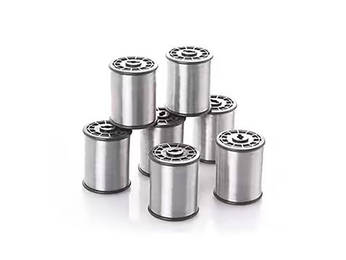
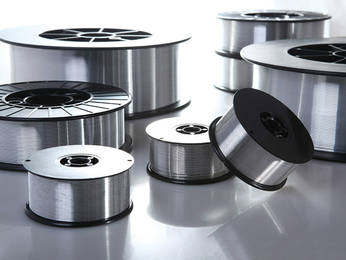
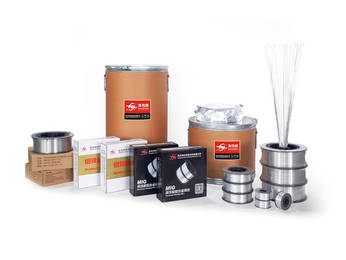
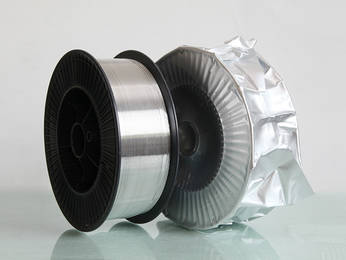
A production manager at a company building aluminum bike frames used to dread switching between different frame models on the same welding line. Every material swap meant recalibrating settings, testing joint strength, and hoping the new batch held up the same way the last one did. After the shop switched to a consistent filler metal that performed well across their aluminum joints, many of the previous frustrations were reduced. Frames moved through the line without the constant second-guessing that used to eat up half the morning. That's really the quiet value of picking the right filler metal — it's not the flashy part of manufacturing, but getting it wrong ripples through everything downstream. Silicon Aluminum Filler Metal has become a common choice specifically because it handles a wide range of aluminum joining jobs without forcing manufacturers to rethink their whole process every time a new product comes through.
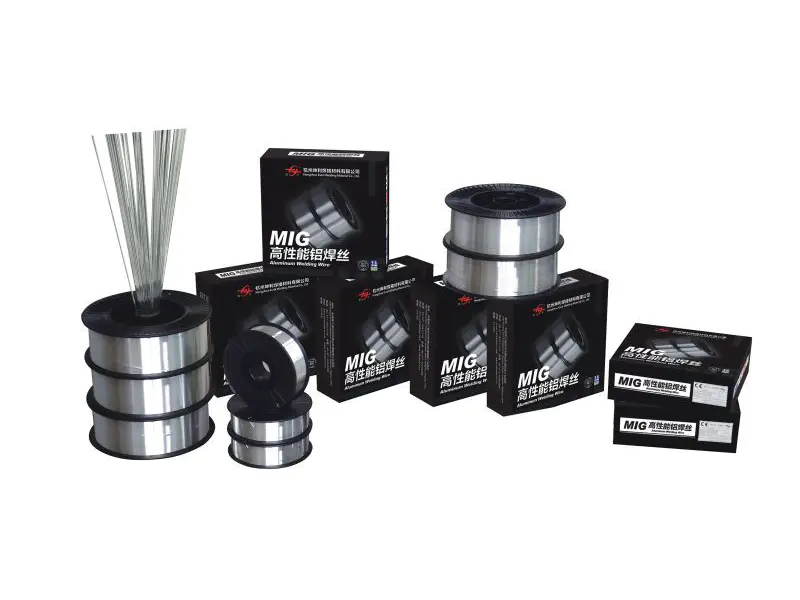
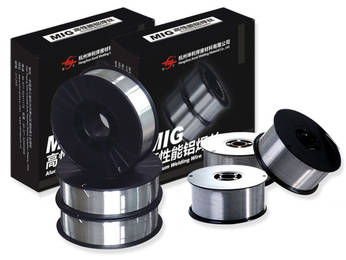
What Actually Is Silicon Aluminum Filler Metal?
When two aluminum pieces need to be joined, something has to fill that connection point and bond the parts together as it cools. That's the job of a filler metal — it melts into the joint area during the joining process and solidifies into a stable connection between what were previously separate pieces.
It's worth being clear about what this material is and isn't doing. It's not the main structural metal holding a product together on its own — it's the connecting material that links the actual structural pieces at the seams.
A typical setup looks something like this:
| Part of the Process | What It's Actually Doing |
|---|---|
| Aluminum workpieces | Make up the main body of the product |
| Silicon Aluminum Filler Metal | Fills and bonds the joint area |
| Heat source | Melts the filler so it flows into place |
| Finished joint | Holds the separate pieces together |
Not every aluminum joining job calls for exactly the same filler metal. What works well for a bike frame might not be the right match for a piece of industrial equipment, depending on the specific aluminum alloy involved and how the finished product actually gets used.
Why Are So Many Products Getting Lighter?
Walk through almost any hardware store or look under the hood of a modern car, and there's a decent chance you're looking at parts that would have been heavier steel a couple decades ago. That shift toward lighter materials isn't just a design trend — it solves real, practical problems.
Lighter components tend to be easier to ship, easier for workers to handle on an assembly line, and often simpler to work with during the actual manufacturing process itself.
Manufacturers lean into lightweight designs for a handful of practical reasons:
- parts are easier to move around a factory floor
- product development has more room to experiment with shape and structure
- less material often means less waste and lower material costs
- lighter products fit better with a lot of current design expectations
- assembly tends to go more smoothly with lighter, more manageable parts
As more companies shift toward aluminum and other lightweight materials, the filler metals used to join those parts have to keep pace with that shift too. A filler metal chosen without much thought becomes a bottleneck instead of a solution.
How Does This Filler Metal Actually Help With Lightweight Manufacturing?
Joining lightweight aluminum parts isn't quite the same as welding thick steel plates together. The materials behave differently under heat, and the filler needs to work with that rather than against it.
Silicon Aluminum Filler Metal tends to get picked because it handles a broad range of aluminum joining situations without needing constant special adjustment.
Here's roughly where it fits into the process:
| What Needs to Happen | How the Filler Metal Fits In |
|---|---|
| Joining aluminum parts together | Creates a bond that holds under normal use |
| Moving parts through assembly | Works consistently across repeated jobs |
| Keeping production steady | Helps joints come out similar batch to batch |
| Connecting different sections of a product | Links pieces into one working assembly |
None of this happens in isolation though. How well a joint turns out depends on more than just the filler metal itself — the actual welding technique, the equipment being used, and how carefully the process gets managed all play a role too.
Where Does This Filler Metal Actually Show Up?
Cars, bikes, and transportation equipment
A lot of vehicles now use aluminum components specifically to cut down on overall weight, which in turn helps with fuel efficiency or, in the case of electric vehicles, battery range.
Industrial machinery
Plenty of equipment on factory floors relies on aluminum parts that need dependable, repeatable joints holding everything together under regular operating stress.
Household and consumer products
Appliances, furniture hardware, and other everyday items increasingly use lightweight aluminum assemblies where a clean, reliable joint actually matters for how long the product lasts.
Building and construction work
Certain architectural elements and building components rely on aluminum too, where joint quality affects both appearance and structural performance over time.
Each of these industries has its own specific demands, which is part of why picking the right filler material early in a project's planning stage saves headaches later rather than treating it as an afterthought.
Why Does It Matter Whether Materials Actually Work Well Together?
Not every filler metal plays nicely with every type of aluminum. Mismatched materials can create real problems — joints that look fine initially but crack or weaken over time, or connections that just don't hold up the way a product needs them to.
A few things typically get weighed when picking a filler material:
| What Gets Considered | Why It Actually Matters |
|---|---|
| The base aluminum being joined | Different alloys pair better with different fillers |
| What the finished product actually does | Shapes how strong or flexible the joint needs to be |
| The manufacturing process itself | Some fillers work better with specific welding methods |
| How the finished joint looks | Matters a lot for visible or consumer-facing parts |
Getting this compatibility right from the start tends to save a lot of trial-and-error down the line, rather than discovering a mismatch after a whole batch has already gone through production.
How Does This Actually Improve Day-to-Day Production?
Manufacturing efficiency rarely comes down to one single fix. It's usually a bunch of small things working together — good equipment, decent scheduling, and materials that behave predictably.
A filler metal that performs consistently contributes to that in a few practical ways:
- production runs move along without constant unexpected interruptions
- fewer surprises mean planning ahead gets easier
- workers spend less time troubleshooting joint problems mid-shift
- overall workflow stays more organized from one batch to the next
None of this makes the filler metal the star of the show. It's more like a dependable background player that keeps the rest of the process from getting derailed by avoidable joining issues.
What Should a Manufacturer Actually Think Through Before Choosing One?
Picking a filler metal isn't really a decision made in isolation — it needs to fit into the bigger picture of what's actually being built and how.
A few practical questions worth working through:
| Question to Ask | Why It Actually Matters |
|---|---|
| What does the product design actually call for? | Different shapes and structures need different joining approaches |
| What materials are actually being joined? | Compatibility affects how strong and reliable the joint ends up |
| What does the shop floor actually look like? | Equipment and process limitations shape which options work |
| How will the finished product actually get used? | Stress, weather exposure, or handling all affect requirements |
| What quality standard needs to be met? | Some applications demand tighter consistency than others |
Skipping over these questions and just grabbing whatever filler metal is already on hand tends to cause problems that show up later, usually at a more expensive point in the process to fix.
How Does This Actually Affect Overall Product Quality?
A product's overall quality comes from a chain of small decisions made throughout manufacturing, and joint quality is a real link in that chain.
How well components stay connected affects everything from how the product feels in someone's hands to whether it holds up after months of regular use.
Using a filler metal suited to the actual application tends to support:
- assemblies that stay solidly connected over time
- a consistent look across an entire production run
- fewer surprises from one batch to the next
- a manufacturing process that stays organized rather than reactive
The filler metal alone doesn't determine the final product though. Equipment quality, the skill behind the actual joining process, and ongoing quality checks all shape how things turn out in the end.
Why Are Manufacturers Leaning Toward More Adaptable Materials?
Fewer companies these days stick to producing one single product design for years on end. Production lines increasingly bounce between different projects, sometimes switching setups multiple times within the same week.
That shift creates real demand for materials that can handle a genuinely wide range of joining situations without requiring a completely different process every time something changes.
Silicon Aluminum Filler Metal fits naturally into that reality because it already covers a broad range of aluminum joining work across different industries and applications.
Having a filler metal that adapts well means a shop can pivot between projects without treating every switch like starting from scratch.
Where Does This Fit Into Manufacturing Going Forward?
Lightweight products, efficient assembly lines, and flexible production setups keep shaping how companies approach manufacturing these days, and materials need to keep pace with all of it. Silicon Aluminum Filler Metal supports that shift by helping manufacturers join aluminum parts across a genuinely wide mix of industries, without demanding a completely new approach for every new product that comes down the line. Its role goes beyond just holding two pieces together. It quietly supports smoother production schedules, gives product development more room to experiment, and helps manufacturers keep up as market demands keep shifting. As lightweight materials keep showing up in more products, filler metals built specifically for aluminum work continue playing a steady, practical role — the same kind of reliability that turned that bike frame shop's daily headache into just another routine part of the job.
NEXT:A Complete Guide to Aluminum Welding Wire and Filler Metal Selection