English
  Deutsch


Does Using ER5183 Welding Wire Significantly Improve the Tensile Strength of Joints in Heavy-Duty Structural Welding?
Article Directory
- 1 1. Mechanical Advantage: Tensile Strength and Magnesium Content
- 2 2. Marine Engineering: ER5183 vs ER5356 for Marine Welding
- 3 3. High-Temperature Performance and Heat Treatment Considerations
- 4 4. Feedability and Surface Quality: Ensuring "Zero-Defect" Welds
- 5 Frequently Asked Questions (FAQ)
- 6 Industry References
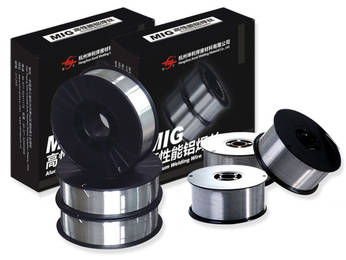
In the field of high-performance metallurgy, selecting the appropriate filler metal is paramount for ensuring the structural integrity of heavy-duty aluminum fabrications. ER5183 welding wire is an aluminum-magnesium alloy specifically engineered for high-strength applications, particularly when working with 5000-series base metals. Hangzhou Kunli Welding Materials Co., Ltd., a high-technology enterprise with over 20 years of experience, specializes in the research and manufacturing of high-performance aluminum alloy welding wire. Based in Hangzhou, our products have successfully replaced high-end imported materials for industry leaders like China CRRC and Maersk, meeting rigorous international certifications including DB, CE, ABS, DNV, and CCS. Our engineering analysis explores how ER5183 welding wire optimizes joint performance in demanding environments.
1. Mechanical Advantage: Tensile Strength and Magnesium Content
The core benefit of ER5183 welding wire lies in its elevated magnesium content (typically 4.3% to 5.2%). A common technical query is: what is the tensile strength of ER5183 aluminum welding wire? Compared to standard alloys, the increased magnesium and manganese content provides a significant boost in the "as-welded" tensile strength, making it the preferred choice for structural components in locomotives and heavy transport. Hangzhou Kunli ensures that our high-performance aluminum alloy welding wire maintains a stable production process to deliver consistent mechanical properties across every 200MT monthly batch.
While ER5356 is a versatile filler, ER5183 welding wire is specifically designed to meet the higher strength requirements of AA 5083 base materials, providing a higher yield and ultimate tensile strength in the heat-affected zone (HAZ).
| Technical Metric | ER5183 Welding Wire | ER5356 Welding Wire |
| Typical Magnesium Content | 4.3% - 5.2% (Higher) | 4.5% - 5.5% (Standard) |
| As-Welded Tensile Strength | 275 - 290 MPa | 260 - 280 MPa |
| Key Application | Heavy Structural / High Strength | General Purpose / Versatile |
2. Marine Engineering: ER5183 vs ER5356 for Marine Welding
The maritime industry relies on materials that can withstand both structural load and aggressive corrosive environments. When debating ER5183 vs ER5356 for marine welding, engineers prioritize ER5183 for hull construction. This alloy provides superior stress corrosion cracking resistance in seawater environments. Through our cooperation with research institutes like the Beijing Nonferrous Metals Research Institute, Hangzhou Kunli has optimized our wire's chemistry to ensure that ER5183 welding wire joints maintain their ductility and strength even after long-term immersion in saline conditions.
In structural marine applications, ER5183 provides a higher safety margin for impact resistance compared to standard 5xxx fillers, which is critical for wave-pounding and offshore stress cycles.
| Marine Performance | ER5183 Performance | ER5356 Performance |
| Seawater Corrosion Resistance | Superior (Optimized for 5083) | Very Good |
| Stress Corrosion Cracking (SCC) | Extremely Low Risk | Low Risk |
| Impact Toughness at Low Temp | Excellent | Good |
3. High-Temperature Performance and Heat Treatment Considerations
A critical limitation of 5000-series alloys is their susceptibility to embrittlement at sustained high temperatures. Professionals often ask: is ER5183 welding wire suitable for high temperature applications? It is generally advised that ER5183 welding wire should not be used for service temperatures exceeding 65°C (150°F). Exceeding this limit can lead to magnesium precipitation along grain boundaries, increasing the risk of stress corrosion. Therefore, for heavy-duty structural welding in cryogenic or ambient marine environments, ER5183 welding wire is unmatched, but thermal limits must be strictly observed during the design phase.
- Structural Integrity: Successfully used in pressure vessels and storage tanks where high tensile strength is required at room temperature.
- Joint Ductility: Maintains excellent elongation properties, allowing joints to absorb energy without sudden brittle failure.
- Certification Standards: Hangzhou Kunli products comply with ABS and DNV, ensuring they meet the world's strictest maritime structural codes.
4. Feedability and Surface Quality: Ensuring "Zero-Defect" Welds
The efficiency of high-performance aluminum alloy welding wire is also determined by its feedability in automated MIG/GMAW systems. Many operators inquire: how to solve feeding issues with ER5183 welding wire? Hangzhou Kunli Welding Materials Co., Ltd. utilizes international advanced manufacturing and testing equipment to produce wire with a perfectly smooth surface and consistent diameter. This reduces tip wear and arc instability, ensuring the ER5183 welding wire provides a clean, porosity-free bead that maximizes the effective cross-sectional area of the joint, thereby achieving the intended aluminum alloy welding wire tensile strength.
Compared to lower-quality domestic wires, Kunli's ER5183 welding wire undergoes a rigorous shaving and cleaning process, resulting in a significantly lower hydrogen content and a more stable arc during high-speed structural welding.
Frequently Asked Questions (FAQ)
1. Can ER5183 be used to weld 6061-T6 aluminum?
While ER5183 welding wire can technically join 6061, it is usually overkill. ER4043 or ER5356 are more common for 6000-series. However, if the 6061 component is being joined to a 5083 structural plate, ER5183 is the correct choice to match the high-strength plate.
2. Why is ER5183 preferred for rail transport (CRRC)?
In rail transport, high fatigue resistance and tensile strength are mandatory. ER5183 welding wire provides the necessary mechanical properties to handle the dynamic loads experienced by high-speed trains.
3. Does ER5183 require specialized shielding gas?
Yes. For high-performance aluminum alloy welding wire like ER5183, high-purity Argon or an Argon/Helium mix is required to ensure a stable arc and prevent oxidation of the magnesium content.
4. What is the shelf life of Kunli ER5183 wire?
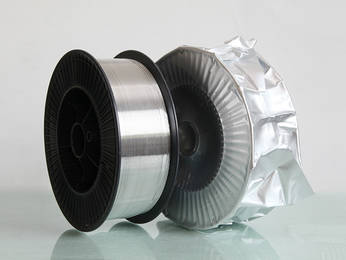
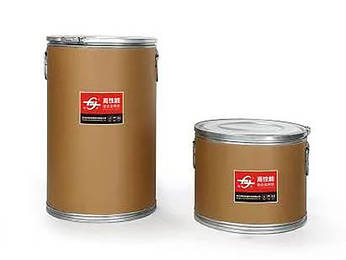
When stored in a dry, temperature-controlled environment in its original vacuum-sealed packaging, ER5183 welding wire maintains its high quality for up to 2 years. Proper storage prevents the hydration of surface oxides.
5. Is ER5183 welding wire hard to feed?
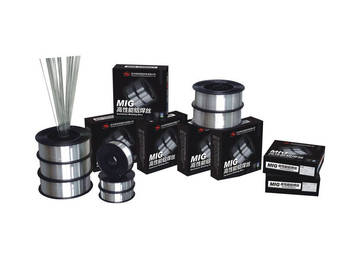
Aluminum is softer than steel, but Kunli's high-performance aluminum alloy welding wire features a precision-wound layer and a polished surface that minimizes friction in the liner, making it highly reliable for automated production lines.
Industry References
- AWS A5.10: Specification for Bare Aluminum and Aluminum-Alloy Welding Electrodes and Rods.
- ISO 18273: Welding consumables — Wire electrodes, wires and rods for welding of aluminum and aluminum alloys.
- DNV GL Rules for Classification: Ships - Part 2 Materials and welding.
- Technical Research Archives: Hangzhou Kunli Welding Materials Co., Ltd. (2025 Edition).
NEXT:What is the Maximum Service Temperature for Components Welded with Alloy ER4043?