English
  Deutsch


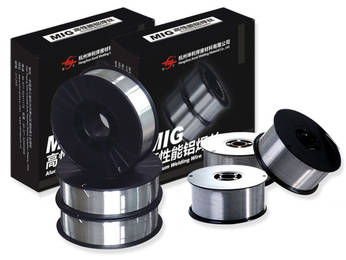
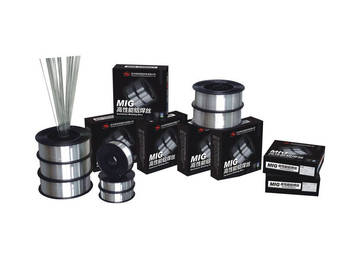
Aluminum Alloy Welding Wire: A Reliable Solution for High-Strength Applications
Article Directory
- 1 Understanding the Fundamentals of Aluminum Alloy Welding Wire
- 2 How Aluminum Alloy Welding Wire Transforms Modern Manufacturing
- 3 Understanding Material Compatibility Across Different Base Metals
- 4 How Composition Affects Performance Characteristics
- 5 Understanding Different Alloy Compositions
- 6 Matching Wire Types to Application Requirements
- 7 Understanding the Welding Process Relationship
- 8 Applications Across Multiple Industries
- 9 Addressing Technical Challenges
- 10 Storage and Handling Practices
- 11 Quality Verification Methods
- 12 Innovation and Development Directions
- 13 Moving Forward with Aluminum Alloy Welding Wire
Manufacturing environments across the globe continue to evolve as industries seek materials that balance strength with efficiency, and Aluminum Alloy Welding Wire Suppliers have responded to this demand with increasingly sophisticated products that meet diverse fabrication needs. The shift toward lighter materials without compromising structural integrity has positioned Aluminum Alloys at the forefront of industrial innovation. Modern manufacturing facilities now recognize that selecting appropriate joining materials can determine project success or failure, making informed choices about welding consumables particularly important for engineers and procurement specialists alike.
Understanding the Fundamentals of Aluminum Alloy Welding Wire
For projects involving aluminum frameworks, selecting the appropriate filler material is an important step that influences both the initial quality of the joint and its long-term reliability. These dedicated wires incorporate thoughtfully proportioned mixtures of additives designed to amplify the traits essential for diverse uses.
Core Components and Their Functions:
- Silicon enhances the smooth flow of the weld puddle and cuts down on the tendency for cracks to develop during solidification
- Magnesium elevates the weld's strength and offers strong defense against wear from exposure to the elements
- Copper appears in select blends to push strength even higher when required
- Manganese supports even grain distribution and bolsters key physical attributes
At their core, these wires rely on refined Aluminum blended with the mentioned elements in exact measures. Through precise control of the alloy mix, targeted characteristics are developed for different application environments and material matches.
Common Alloy Designations
| Wire Type | Primary Alloying Element | Common Applications | Strength Level |
|---|---|---|---|
| ER4043 | Silicon | General purpose fabrication | Moderate |
| ER5356 | Magnesium | Marine and structural | High |
| ER5183 | Magnesium (higher) | Severe service conditions | Very High |
| ER4047 | Silicon (high content) | Brazing and filler applications | Moderate |
| ER5554 | Magnesium–Manganese | Marine environments | High |
How Aluminum Alloy Welding Wire Transforms Modern Manufacturing
The adoption of Aluminum Alloy Welding Wire has reshaped the way today's fabrication shops tackle the demands of lightweight design. Plants that historically depended entirely on steel parts now unlock fresh opportunities by turning to advanced Aluminum welding techniques. This change goes well beyond swapping one metal for another—it signals a deeper move toward smarter, more efficient, and higher-performing products.
Weight Reduction Benefits Across Applications
Engineers weigh several key considerations whenever they choose joining methods for vital structural connections:
- Structural integrity: Contemporary Aluminum Alloy Welding Wire produces joints that hold firm even when subjected to heavy loads and repeated stress
- Weight considerations: Parts assembled with these wires help trim the total mass of the completed assembly
- Durability factors: The resulting welds stand up well to long-term exposure to weather, moisture, and other environmental stresses
- Economic implications: Reduced overall weight translates into meaningful savings in fuel for planes, cars, trucks, and other moving equipment
The transportation industries have been especially quick to adopt these advances. Builders of aircraft value the ability to keep essential strength while shedding unnecessary pounds. Car designers apply these welding wires to chassis members, doors, hoods, and other body sections, achieving better mileage and lower emissions while still meeting strict safety standards.
Material Composition Influences Performance Outcomes
The exact blend of elements inside the welding wire governs how it flows during the weld and what qualities the finished connection will possess. Silicon plays a major role in making the liquid metal run smoothly, giving the welder better control and lowering the chances of imperfections. Magnesium works to raise the strength of the weld metal through a mechanism called solid-solution hardening.
Producers fine-tune the levels of each additive to hit precise performance goals. Choosing the right wire requires close attention to the chemistry of the base metal, the geometry of the joint, and the conditions the part will face in service. Every common alloying addition delivers its own advantages:
- Silicon improves flow and helps reduce solidification cracks
- Magnesium delivers higher strength along with good protection against corrosion
- Copper boosts strength further in some alloys, although it can make the material more vulnerable to certain forms of corrosion
- Manganese improves general mechanical behavior and helps refine the internal structure
Wire diameter is another practical factor that affects results. Smaller diameters allow for finer, more accurate work on thin or intricate pieces, whereas larger diameters enable quicker buildup of weld metal when tackling thick sections or large-scale jobs.
Understanding Material Compatibility Across Different Base Metals
Matching the filler wire appropriately to the base metal is a fundamental practice for achieving reliable welds. Before selecting a spool, welders and engineers typically begin by examining the composition of the material to be joined. That careful match helps guarantee the weld zone keeps strength, ductility, and other vital characteristics in line with the parent metal.
Key Matching Considerations:
- Silicon levels that correspond well to the base metal's chemistry
- Magnesium concentrations that support both mechanical strength and long-term corrosion protection
- Copper additions that can raise crack risk in some situations
- Manganese amounts that influence how naturally the weld blends in color with the surrounding material
Choosing the right combination calls for a solid grasp of how various alloy mixes react once they melt and solidify together. Wires richer in silicon pour easily into the joint, laying down clean, attractive beads that work nicely when looks are important. Magnesium-dominant wires, meanwhile, produce noticeably tougher deposits, although they can sometimes demand a steadier hand and more controlled technique during welding.
Controlling heat proves especially important with Aluminum Alloys because they melt within a much narrower temperature window than steel does. Experienced welders know that holding a steady arc distance and consistent travel speed makes a real difference in the overall quality and soundness of the completed joint.
How Composition Affects Performance Characteristics
The precise recipe of elements in Aluminum Alloy Welding Wire dictates how it handles during welding and what kind of joint it ultimately delivers. Silicon contributes to the fluidity of the molten weld pool, which supports even filling of joint gaps and helps reduce the likelihood of typical weld defects. Magnesium raises the strength of the weld metal and builds in solid resistance to weathering, corrosion, and other forms of environmental attack over the long haul.
Copper can push certain mechanical values higher, but it sometimes trades off some corrosion protection depending on the service atmosphere. Manganese works to keep the grain structure fine as the weld cools, resulting in more robust and reliable connections between the pieces. Knowledge of the interactions between these elements supports informed decision-making, allowing shops to identify a suitable material grade for different welding tasks.
The way all the alloying ingredients are proportioned determines how the wire behaves under real-world stresses. The presence of silicon contributes to favorable weld pool fluidity and consistent bead formation. A higher magnesium content provides increased strength and supports corrosion resistance, making such alloys suitable for wet, saline, or chemically active environments. Producers adjust these blends with great care to cover the broad spectrum of demands found throughout industry.
Choosing the Right Wire for Your Application
Selecting an appropriate aluminum alloy welding wire involves considering several practical factors. The chemical composition of the base metal typically serves as the primary guide, as choosing a filler with a similar composition often supports joint integrity and compatibility. Thickness of the workpieces also steers wire size selection—thinner sections need smaller-diameter wire to keep from burning holes through the material.
Anticipated exposure to the environment weighs heavily too. For components in marine or de-icing salt service, alloys with higher magnesium content are commonly specified. For applications where ease of welding and a smooth weld appearance is prioritized, filler wires with increased silicon are often selected. Expected operating extremes—high heat, freezing cold, heavy cyclic loading, vibration, or impact—further refine the choice.
Key Selection Factors:
- Base metal composition and how closely the filler aligns with it
- Mechanical qualities the finished weld must deliver
- Service environment and potential types of exposure
- Joint geometry and how accessible the weld location is
- Desired production speed and overall workflow efficiency
- Possibilities for heat treatment, stress relief, or other post-weld processing
Understanding Different Alloy Compositions
The elemental makeup of Aluminum Alloy Welding Wire sets the stage for how well it suits different kinds of work. Every major alloy family offers its own combination of benefits tailored to particular welding needs.
Silicon-heavy wires excel at producing fluid, easy-to-control puddles that settle into smooth, low-spatter beads. They shine whenever a project calls for decent strength paired with a clean, eye-pleasing finish. The added silicon also discourages cracking and helps the wire feed smoothly through guns and liners.
Magnesium-rich wires yield joints with markedly higher strength ratings. These deposits stand up well to serious mechanical demands while still offering enough ductility to resist sudden failure. Industries operating in demanding service environments often specify these filler formulations for essential structural connections.
Certain alloys mix several key elements together, striking a useful compromise between flow, strength, corrosion resistance, and other traits. Engineers pick the exact formulation after carefully considering both the materials being welded and the full range of conditions the finished part will experience in service.
How Do Different Alloying Elements Influence Performance?
The exact blend of elements in Aluminum Alloy Welding Wire plays a decisive role in shaping the qualities of the completed weld. Adding silicon makes the molten metal much more fluid, allowing it to spread evenly into the joint and greatly lowering the chances of imperfections such as porosity or incomplete fusion; it also brings the melting temperature down somewhat, which proves helpful in specific welding situations.
Magnesium stands out for boosting both the strength of the weld deposit and its ability to resist corrosion, which explains why it finds heavy use in boats, offshore structures, and anywhere the finished part will face moisture, salt, or other aggressive conditions. Magnesium also makes the alloy more responsive to post-weld heat treatments, opening the door to even higher strength levels when needed.
Copper additions can push mechanical strength higher still, though they often come at the cost of reduced corrosion protection, so engineers weigh that trade-off carefully depending on the service environment. Manganese helps keep the grain structure fine and uniform as the weld solidifies, contributing to better overall toughness and strength without upsetting the balance of other important properties.
Matching Wire Types to Application Requirements
Choosing the right Aluminum Alloy Welding Wire calls for thoughtful review of several practical factors. The chemical makeup of the base metal usually serves as the main reference, because good compatibility between filler and parent material leads directly to stronger, more reliable joints.
Key Selection Factors:
- Base metal alloy series and specific composition
- Strength levels the completed weld must achieve
- Anticipated service conditions and potential for corrosion
- Operating temperature extremes the assembly will see
- Appearance expectations for the visible weld surface
- Plans for any heat treatment, aging, or other post-weld processing
For general work with many Aluminum Alloys, silicon-containing filler wires provide good flow, reliable crack resistance, and sufficient strength for numerous fabrication, repair, and construction applications.
When welding base metals that already carry significant magnesium, selecting a wire with similar magnesium content helps keep properties uniform throughout the joint and minimizes risks of cracking or weakness in the heat-affected zone. Higher-magnesium wires become the go-to choice for marine hardware, structural frames, tanks, and pressure equipment where long-term corrosion resistance ranks as a top priority.
| Wire Type | Primary Alloying Element | Strength Level | Corrosion Resistance | Common Base Metals |
|---|---|---|---|---|
| ER4043 | Silicon | Moderate | Good | 2xxx, 3xxx, 6xxx series |
| ER5356 | Magnesium | High | Very Good | 5xxx, 6xxx series |
| ER5183 | Magnesium (higher) | Very High | Excellent | 5xxx series (marine) |
| ER4047 | Silicon (higher) | Moderate | Good | Brazing applications |
Understanding the Welding Process Relationship
Gas metal arc welding, commonly referred to as MIG, is a common choice for feeding aluminum alloy welding wire in many workshop and production environments. It delivers a steady stream of filler metal under a blanket of shielding gas, producing fast, repeatable joints with good penetration.
Because Aluminum wire is soft and prone to kinking or bird-nesting, the wire delivery system needs special attention. Push-pull feeders or spool-gun setups keep the wire moving smoothly from the spool all the way to the arc, cutting down on interruptions and helping maintain consistent weld quality.
For work requiring controlled precision, a finished appearance, or involving thin materials, gas tungsten arc welding (TIG) is often the preferred method. Although it moves more slowly than MIG, TIG gives the welder precise command over heat input and filler placement, making it ideal for critical components, cosmetic welds, or situations where cleanliness and bead profile are paramount.
Process Parameter Considerations:
- Travel speed controls how much heat builds up and shapes the final bead profile
- Wire feed speed needs to stay in balance with travel speed to keep deposit size uniform
- Voltage adjustments influence arc length, penetration depth, and overall stability
- Shielding gas flow rate must be sufficient to shield the puddle from air contamination
- Distance between the contact tip and the workpiece affects arc behavior and consistency
Applications Across Multiple Industries
The aerospace industry depends heavily on Aluminum Alloy Welding Wire whenever engineers need to build lightweight assemblies that still deliver exceptional strength and dependability. Everything from airframe sections and wing components to fuel tanks and interior fittings relies on these welded joints to meet strict certification standards while keeping overall aircraft weight as low as possible—an advantage that directly improves fuel burn and increases payload or range.
In the automotive world, carmakers continue to expand their use of Aluminum for hoods, doors, liftgates, chassis parts, and even full vehicle frames as pressure mounts to hit tougher fuel economy and emissions targets. Aluminum Alloy Welding Wire makes it possible to join these pieces securely without sacrificing the mass savings that Aluminum provides, and the trend becomes even more pronounced in electric vehicle manufacturing, where every pound saved in the body helps offset the heavy battery packs and extends driving range.
Marine builders have long favored Aluminum because of its built-in resistance to saltwater corrosion combined with an outstanding strength-to-weight ratio. From small recreational boats and high-performance yachts to larger commercial vessels and offshore platforms, welded Aluminum construction holds up reliably in wet, salty conditions. Alloys with elevated magnesium levels stand out in these applications, delivering extended service life where corrosion resistance becomes a make-or-break factor.
Railcar manufacturers increasingly specify Aluminum for passenger coaches, transit cars, and even certain freight containers. The lighter weight cuts energy consumption during acceleration and operation while still providing the structural stiffness and crashworthiness required for safe, high-speed travel. Aluminum Alloy Welding Wire supports the creation of large, complex assemblies that would become impractically heavy if built from steel.
Architectural and construction projects also make good use of Aluminum's clean appearance, natural corrosion resistance, and ability to take a wide range of attractive finishes. Welded joints appear in structural supports, curtain wall systems, handrails, canopies, and many decorative elements, where both strength and visual quality matter equally.
Addressing Technical Challenges
Aluminum instantly develops a tenacious oxide film the moment it contacts air, and that oxide layer melts at a far higher temperature than the underlying metal itself. This difference creates one of the biggest hurdles in welding, since the oxide must be broken up or cleared away before true fusion can take place. Pre-weld cleaning with stainless steel brushes, grinders, or approved solvents helps, while consistent shielding gas flow during the weld prevents the oxide from reforming too quickly.
Porosity stands out as another frequent issue when using Aluminum Alloy Welding Wire. Tiny gas bubbles—often caused by trapped hydrogen from moisture, grease, or dirty filler wire—can weaken the joint if they remain trapped as the weld solidifies. Shops combat this problem through several practical steps:
- Thoroughly cleaning all base metal surfaces right before welding
- Storing wire in dry, sealed containers to keep moisture out
- Maintaining strong, stable shielding gas coverage over the puddle
- Dialing in welding parameters that give dissolved gases time to escape
- Applying controlled preheating when the job calls for it to ease thermal stresses
Hot cracking risk depends heavily on the specific alloy family and its solidification behavior. Some compositions solidify over a wider temperature range, making them more vulnerable to cracks as the weld cools and shrinks. Choosing a filler wire that closely matches the base metal chemistry goes a long way toward reducing that danger, and thoughtful joint preparation along with skilled welding technique further lowers the odds.
Because Aluminum conducts heat so rapidly, managing heat input becomes trickier than with steel. Heat races away from the arc, which can make it hard to get good fusion without scorching nearby areas or distorting the workpiece. Operators learn to balance travel speed, amperage, and sometimes light preheating to keep everything under control.
Storage and Handling Practices
Aluminum Alloy Welding Wire must be kept away from moisture and contaminants if it is to perform reliably. Best practices for storage include:
- Keeping spools in air-conditioned or low-humidity rooms whenever possible
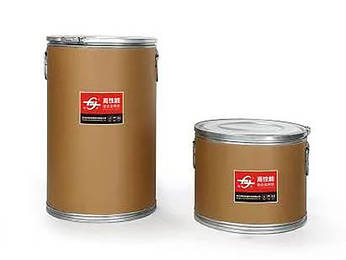
- Leaving wire in its original sealed packaging until the moment it goes on the feeder
- Shielding it from dust, oils, shop fumes, and any corrosive vapors
- Following first-in, first-out rotation so older stock gets used before newer
- Checking regularly for any signs of surface oxidation, pitting, or discoloration
Wire that has picked up moisture or become contaminated often leads to welds riddled with porosity or other flaws. Opting to replace questionable wire is frequently more cost-effective and less time-consuming than addressing the rework or part rejection that may result from using it.
Preparing the base metal surface correctly has a huge influence on final weld quality. Whether using mechanical methods like dedicated stainless steel wire brushing or grinding, or chemical cleaners formulated specifically for Aluminum, the aim is always the same: remove all traces of oil, grease, heavy oxides, and foreign material without embedding new contaminants or roughening the surface excessively. Clean, bright metal at the weld start contributes to the formation of sound joints free from defects.
Quality Verification Methods
Visual inspection provides a fundamental assessment of weld quality, allowing experienced personnel to identify indications such as cracks, lack of fusion, undercut, surface porosity, or irregular bead geometry. Although it appears basic, effective visual examination depends heavily on proper training and hands-on familiarity to catch subtle problems that could weaken the joint over time.
Non-destructive testing techniques allow thorough evaluation of the weld interior and hidden flaws without harming the finished part. Radiographic methods, using X-rays or gamma rays, expose internal voids, inclusions, cracks, and areas of incomplete penetration. Ultrasonic testing sends high-frequency sound waves through the material to locate similar defects and performs especially well on thicker sections where other methods may struggle. Dye penetrant inspection applies a liquid that seeps into surface-breaking discontinuities, making them stand out clearly under proper lighting after development.
Mechanical testing carried out on test coupons or sample welds supplies hard numbers about the joint's actual performance. Tensile pulls measure how much load the weld can carry before failure, bend tests check ductility and fusion quality, and additional procedures verify hardness, impact resistance, or fatigue behavior. Though these tests destroy the sample, they build confidence that production welds made under identical conditions will deliver the required strength and toughness.
Innovation and Development Directions
Ongoing alloy research focuses on creating new filler wire formulations that combine even better strength, outstanding corrosion protection, and easier weldability. These efforts aim to broaden the range of conditions where Aluminum structures can perform reliably, opening doors to applications that previously demanded heavier or more expensive materials.
Automation continues to play a larger role in Aluminum welding operations, delivering greater consistency and higher throughput in busy fabrication shops. Robotic welding cells fitted with advanced sensors monitor and adjust key variables in real time, minimizing human variability and producing more uniform high-quality joints, especially in large-scale or repetitive manufacturing runs.
Real-time monitoring systems keep close watch on welding parameters, instantly alerting operators or making automatic corrections whenever values move outside set limits. These setups track wire feed speed, arc voltage, current output, travel speed, and other factors, while also generating detailed records that support quality documentation and traceability.
Sustainability remains a growing priority, with Aluminum's outstanding recyclability at the forefront. Scrap from fabrication or end-of-life products can be remelted and reused with far less energy than producing new metal from ore, and welding practices that reduce spatter, defects, and rework help cut waste while supporting broader environmental objectives.
Moving Forward with Aluminum Alloy Welding Wire
The wide-ranging capabilities and dependable performance of Aluminum Alloy Welding Wire position it as a cornerstone material throughout many different industries. Understanding how wire composition, welding techniques, and application requirements work together enables fabricators and engineers to produce welds that meet demanding specifications. Achieving reliable results with these materials calls for careful attention at every step, starting with thoughtful wire selection and proper storage, continuing through skillful execution of the weld, and finishing with rigorous quality checks. Companies that invest in comprehensive training, appropriate equipment, and clear procedures are well-prepared to utilize the properties of aluminum effectively. Steady advances in alloy design, process improvements, and supporting equipment point to Aluminum welding remaining a dynamic field for years to come. Producers such as Kunli help move the industry forward by supplying wires engineered to keep pace with rising expectations for strength, durability, and overall performance. As sectors across the board pursue lighter, more robust, and higher-efficiency designs, Aluminum Alloy Welding Wire will stay a trusted choice for building strong, long-lasting joints. The proven combination of material strengths, mature welding methods, and continuous innovation guarantees these wires will keep supporting essential applications well into the future.
NEXT:ER1100 Aluminum Welding Wire: A Guide to Specifications, Properties, and Automotive Applications