English
  Deutsch


Which Aluminum Wire Suits Your Welding Project?
Article Directory
- 1 How Manufacturers Transform Raw Aluminum Into Welding Wire
- 2 Why Aluminum Behaves Differently During Welding
- 3 Can Proper Storage Prevent Welding Problems?
- 4 Understanding Wire Classification Systems
- 5 What Surface Preparation Methods Achieve Clean Welds?
- 6 How Shielding Gas Selection Influences Weld Quality
- 7 Why Do Welders Struggle With Aluminum Puddle Control?
- 8 Addressing Porosity and Hydrogen Contamination
- 9 How Heat Management Affects Distortion Control
- 10 What Equipment Modifications Suit Aluminum Welding?
- 11 Can Preheating Solve Thick-Section Welding Challenges?
- 12 Exploring Industry Applications Across Sectors
- 13 How Skill Development Improves Welding Outcomes
- 14 Comparing Different Alloy System Characteristics
- 15 Addressing Environmental and Economic Considerations
- 16 Looking Toward Manufacturing Evolution
- 17 Implementing Quality Management Systems
- 18 Selecting Reliable Material Sources
How Manufacturers Transform Raw Aluminum Into Welding Wire
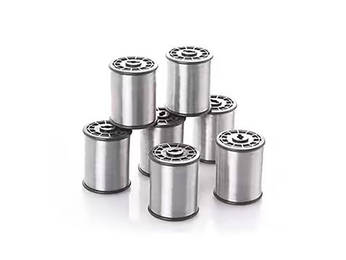
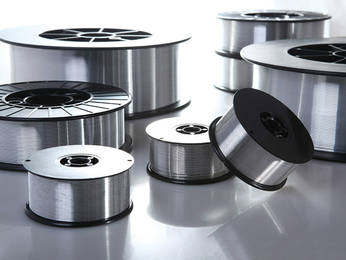
Manufacturing starts by choosing Aluminum Alloys blended with exact quantities of magnesium, manganese, silicon, or additional elements selected to match the wire's planned purpose. These alloyed billets then enter cold continuous rolling mills that steadily compress the material to a thinner cross section while building strength through controlled plastic deformation. Throughout the rolling operation, careful temperature oversight prevents grain growth or other structural shifts that might reduce the wire's reliability in service.
After rolling, the rod proceeds to multi stage wire drawing, where it passes through a sequence of hardened dies that gradually shrink its diameter to the target size:
- Fine diameters ranging from 0.8 millimeters to 1.2 millimeters work well for thin sheet and precision Welding
- Medium diameters between 1.6 millimeters and 2.4 millimeters suit the majority of general purpose fabrication
- Larger diameters up to approximately 4.0 millimeters fit heavy duty structural and plate Welding tasks
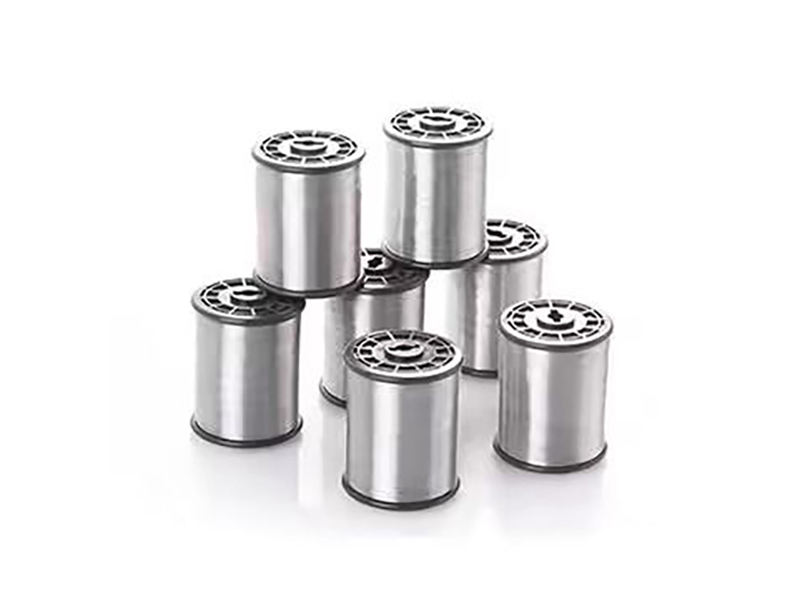
A precision shaving process then follows to eliminate minor surface irregularities and maintain very strict diameter uniformity needed for reliable feeding through Welding guns and liners. The final step involves surface conditioning that combines chemical etching with intensive cleaning to strip off production residues along with the thin oxide film that naturally develops almost immediately on bare Aluminum.
Why Aluminum Behaves Differently During Welding
Aluminum conducts heat roughly four times more efficiently than steel, so heat generated by the arc dissipates quickly from the weld zone. Welders therefore must supply greater heat input and advance the torch at higher speeds than with steel, which narrows the acceptable range of conditions for producing strong, defect free fusion. Those familiar with steel Welding typically require practice to adapt to the highly fluid nature of the Aluminum puddle and its rapid freezing characteristics.
The substantial difference between the melting temperature of Aluminum and the much higher melting point of its surface oxide creates a further difficulty. This oxide forms a tough, refractory shield that resists melting and blocks clean fusion unless completely removed by mechanical brushing, grinding, or chemical means immediately prior to Welding. Because a new oxide layer begins to grow within minutes after exposure to air, the timing of surface preparation becomes essential for achieving high quality welds.
| Property | Aluminum | Steel | Impact on Welding |
|---|---|---|---|
| Thermal Conductivity | High | Low | Requires increased heat input |
| Melting Point | Lower | Higher | Narrow temperature working range |
| Thermal Expansion | Greater | Lesser | Increased distortion risk |
| Oxide Formation | Rapid | Slower | Frequent surface preparation needed |
| Heat Dissipation | Fast | Moderate | Demands quick torch movement |
Can Proper Storage Prevent Welding Problems?
Moisture stands as a primary threat to weld quality when working with Aluminum. Any water vapor present on the wire or base material breaks down in the arc to release hydrogen, which dissolves into the molten pool and forms porosity as the weld solidifies, reducing strength and potentially creating leak paths. Storage spaces therefore require active humidity management, and Aluminum Welding consumables must remain physically separated from steel items to eliminate contamination risks.
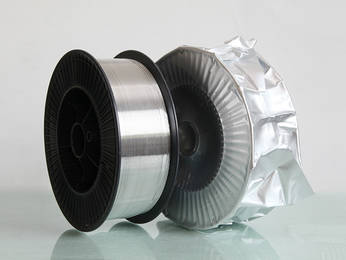
Protective containers shield the wire from ambient humidity while permitting sufficient ventilation to avoid trapped moisture and condensation. Numerous shops install dedicated climate controlled storage areas that hold temperature and humidity within narrow limits regardless of outside weather. Wire showing evidence of dampness, surface corrosion, or foreign matter should receive careful examination and, where necessary, additional cleaning before being placed into service.
A clear labeling system for containers facilitates orderly inventory control. As a method of inventory management, this approach supports using older materials initially and aims to keep spools from exceeding their suggested storage time. Steel Welding wire can withstand longer exposure to less ideal conditions, but Aluminum wire remains highly sensitive to environmental influences that degrade surface condition. Operations handling both materials maintain distinct storage sections and employ separate handling equipment to safeguard the integrity of each type.
Understanding Wire Classification Systems
Aluminum Alloys divide into several main series, each engineered to provide specific balances of strength, resistance to corrosion, and ease of Welding. The 1xxx series consists of aluminum with high purity, containing minimal alloying elements. It offers good electrical conductivity and natural corrosion resistance, with lower strength compared to other series. These alloys are commonly used for electrical bus bars, wiring, and applications where corrosion resistance is a primary requirement over structural strength.
- The 3xxx series uses manganese as its main alloying ingredient, which brings noticeable gains in strength while preserving solid formability and good resistance to atmospheric corrosion; construction crews and architects often choose these materials for building frames, roofing panels, siding, and other structural or decorative components that need shaping and durability.
- The 4xxx series of aluminum alloys is based primarily on silicon additions, which notably lower the melting temperature and enhance fluidity in the molten state. This combination makes these alloys suitable for use as welding filler wire when joining various aluminum types, supporting consistent weld pool flow and helping to reduce solidification cracking.
- The 5xxx series of aluminum alloys relies on a significant magnesium content to provide strength without requiring heat treatment, combined with effective resistance to corrosion in marine environments. These grades are commonly used in shipbuilding, offshore fabrication, and related marine structures for components such as hull plating, decks, and hardware that are regularly exposed to moisture.
- The 6xxx series blends magnesium and silicon together to create alloys that can be strengthened through heat treatment, offering medium strength levels suitable for a wide variety of uses; these materials commonly go into automotive frames, extruded sections, architectural extrusions, and general-purpose fabrication projects that benefit from balanced properties.
What Surface Preparation Methods Achieve Clean Welds?
Mechanical cleaning with stainless steel wire brushes reserved strictly for Aluminum work effectively strips away loose oxide films, dirt, and light surface contaminants without pressing foreign particles into the metal; these brushes must stay dedicated to Aluminum only, since any transfer of steel residue from mixed use can set up galvanic corrosion cells later.
Grinding using fresh, uncontaminated abrasive wheels or belts serves as another reliable mechanical method for clearing heavier oxide buildup or preparing beveled joint edges, always with tools kept separate for Aluminum.
Chemical cleaning approaches provide comprehensive removal of contaminants through several steps:
- Organic solvents break down oils, greases, and hydrocarbon films via wiping, spraying, or full immersion
- Alkaline cleaners with sodium hydroxide gently etch and dissolve surface oxides for deeper decontamination
- Hydrogen peroxide solutions help oxidize and lift organic residues while clearing thin surface layers
- Complete rinsing with clean fresh water washes away all remaining chemical traces
- Drying with dry compressed air removes moisture quickly and prevents water marks
The time gap between final cleaning and Welding directly influences weld quality. Freshly cleaned Aluminum immediately starts rebuilding a thin oxide layer when exposed to air, so Welding should follow as soon as possible—preferably within the same day—and many shops adopt just-in-time preparation routines where surfaces receive their final cleaning moments before parts are assembled and welded.
How Shielding Gas Selection Influences Weld Quality
Argon serves as the typical shielding gas for aluminum welding. Its inert properties and appropriate density provide effective coverage of the weld pool. It supports stable arc conditions and provides effective oxide cleaning, notably during AC TIG welding, while operating at practical flow rates that contribute to efficient gas usage.
Blending helium into argon creates mixed gases that raise arc voltage and deliver more concentrated heat to the weld zone, making them ideal for thicker materials that need deeper penetration or for jobs where faster travel speeds boost overall efficiency. The addition of lighter helium calls for increased flow rates to ensure full coverage, which raises gas usage costs but can shorten Welding time and improve productivity.
Every part of the gas delivery system needs careful design to block moisture entry, since water vapor in the gas breaks down in the arc to release hydrogen that causes porosity in the weld. Regulators, hoses, fittings, and torches must remain tight and protected from humid conditions; many shops add in-line dryers, rely on high-purity gas supplies, or install automatic purge systems to maintain clean, dry gas right at the Welding torch.
| Gas Type | Density | Arc Temperature | Penetration | Flow Rate Requirement | Application Suitability |
|---|---|---|---|---|---|
| Pure Argon | Medium | Moderate | Standard | Lower | General purpose |
| Argon-Helium Mix | Medium–Light | Higher | Deeper | Higher | Thick sections |
| Helium-Rich Mix | Light | High | Deep | High | Automated high-speed |
Why Do Welders Struggle With Aluminum Puddle Control?
The weld pool formed during aluminum welding exhibits higher fluidity and responds more quickly than the typically more viscous steel weld pool. As a result, operators accustomed to welding steel often find that aluminum requires a different technique for puddle control. Because Aluminum pulls heat away from the arc so rapidly, the puddle can freeze solid the moment the torch moves forward, which means any hesitation, uneven speed, or sudden stop in torch movement immediately shows up as lumpy beads, undercut, or areas where the metal fails to fuse properly.
Electrode stick-out distance makes a big difference in how heat reaches the joint and how steady the arc remains. A shorter stick-out concentrates more energy directly at the weld zone, typically resulting in deeper penetration. In contrast, a longer stick-out allows the wire to preheat before entering the arc, which reduces the amount of heat ultimately transferred to the base metal. Manufacturers usually list ideal stick-out ranges based on wire diameter and the Welding position being used, and keeping that distance steady throughout the entire pass depends on holding a consistent torch angle and maintaining stable hand positioning against the workpiece.
Wire feed speed must stay carefully balanced with the voltage and amperage settings to control both heat input and the rate at which filler metal enters the puddle. If wire feed speed is low relative to the set current, the arc may extend up the wire and cause burnback. A wire feed speed that is too high can cause the wire to stub into the weld pool, resulting in an unstable arc and irregular bead formation. Many modern machines show live amperage values right on the panel to help welders spot and correct variations quickly, but getting the starting settings dialed in right usually involves running several test welds and tweaking parameters step by step until everything runs smoothly.
Addressing Porosity and Hydrogen Contamination
Porosity shows up as scattered small holes or gas pockets locked inside the finished weld metal, which lowers the overall strength of the joint and can even create pathways for leaks in tanks, pipes, or any part that holds pressure or fluids. Hydrogen dissolves easily into liquid Aluminum but almost refuses to stay dissolved once the metal hardens, so any hydrogen present gets forced out as tiny bubbles that become trapped if the puddle solidifies too fast. Hydrogen in the weld can originate from sources such as surface moisture after cleaning, water vapor in the shielding gas, or workshop humidity that may cause condensation on the materials.
Preventing porosity requires consistent attention to several practical steps:
- Thoroughly cleaning all joint surfaces right before Welding using both mechanical brushing and suitable chemical cleaners
- Checking that the shielding gas is pure and that the entire delivery system—hoses, regulators, fittings—remains free of leaks
- Keeping wire spools and base plates stored in dry, low-humidity areas
- Designing joints with enough access for proper gas coverage around the entire puddle
- Training operators to maintain steady torch angles and continuous shielding throughout every pass
- Lowering ambient shop humidity whenever possible through ventilation or dehumidifiers
In industries like automotive manufacturing and aerospace, critical welds often undergo radiographic or ultrasonic inspection after completion to find any hidden porosity, and many specifications require destructive testing of sample pieces pulled from production runs to confirm that porosity stays well below acceptable limits before approving full-scale work.
How Heat Management Affects Distortion Control
Aluminum expands and contracts much more dramatically than steel as it heats up and cools down, which makes distortion a frequent challenge, especially when Welding thin sheet or plate where heat causes quick local swelling followed by powerful pulling as the metal shrinks during solidification. These contraction forces can easily warp panels, twist frames, or open gaps between parts that were fitted perfectly before Welding.
Good fixture design helps hold dimensions steady by clamping the work firmly in place while leaving deliberate gaps or spring-loaded features that let the material expand and contract without buckling or shifting out of position. Some fixtures go further by adding water-cooled channels or heat sinks near the weld zone to pull heat away from surrounding areas faster, reducing how much of the part experiences large temperature swings.
Smart Welding sequence planning also plays a major role in keeping distortion under control. Welders often jump between distant sections of the assembly so that earlier welds have a chance to cool before heat is applied nearby. Backstep Welding—working short segments in the opposite direction of the overall joint travel—helps balance the pulling forces created by shrinkage, while skip Welding starts with spaced-out tack welds along the full length to lock parts together at multiple points before filling in the spaces between them, giving the assembly extra resistance to movement as the final beads go in.
What Equipment Modifications Suit Aluminum Welding?
Standard wire feeding setups built for steel usually fall short when handling Aluminum because the metal is much softer and deforms easily under pressure. Standard V-grooved or serrated drive rolls, designed for stiffer wire, can deform softer aluminum wire when set with typical pressure. Such deformation of the wire can contribute to feeding disruptions, blockages, or tangling within the liner. Special U-grooved or smooth knurled rolls made for Aluminum spread the gripping force over a wider area, keeping the wire round and stable while still pushing it forward reliably.
The choice of liner inside the torch cable also makes a big difference since Aluminum can shave or bind against rough steel liners, creating metal flakes that build up and cause further feeding trouble. Low-friction liners made from nylon or similar polymers cut down on drag and eliminate shaving, allowing smoother delivery. Many systems use a rigid guide tube right at the feeder to support the wire, then switch to a flexible low-friction liner only for the torch cable, shortening the unsupported length where the soft wire might buckle.
Push-pull torch designs incorporate a secondary drive motor within the gun itself. This pulls the wire through the cable over longer distances, a method that helps address typical aluminum feeding challenges, particularly when using finer wire diameters or extended cable lengths. Spool guns take it even further by mounting a small spool directly onto the torch, creating an extremely short feed path that works well even with the softest Aluminum Alloys.
Can Preheating Solve Thick-Section Welding Challenges?
The efficient heat conduction of thick aluminum can rapidly draw energy away from the weld zone. Preheating the workpiece is a common practice to help maintain the temperature necessary for complete joint fusion and penetration. Bringing the material up to a moderate preheat temperature shrinks the difference between the hot weld pool and the cold surrounding metal, letting heat stay concentrated where it belongs instead of spreading out instantly. Preheat levels for Aluminum stay relatively low compared to steel to avoid over-softening heat-treatable grades.
Common ways to apply preheat include:
- Oxy-fuel torches for spot heating around the joint edges and nearby areas
- Electric resistance heating blankets or pads wrapped around the part for even, controlled warming
- Induction coils that raise temperature quickly in targeted zones without direct flame contact
- Ovens or furnaces for smaller pieces or assemblies that need uniform soaking throughout
Crayon-type temperature indicators or handheld infrared thermometers confirm the material has reached the right preheat before starting the arc. Keeping interpass temperatures in check between passes prevents excessive heat buildup that could alter the properties of heat-treatable alloys, and some Welding procedures set strict upper limits on interpass temperature to protect the base metal.
Exploring Industry Applications Across Sectors
Automotive production continues to expand its use of Aluminum for everything from body panels and hoods to chassis rails, engine cradles, and battery trays in electric vehicles, all in the push for lighter weight and better range or fuel economy. The material's strength combined with its formability makes it appealing, even though Welding Aluminum demands more specialized techniques than traditional steel joining.
Construction and architectural work often features Aluminum in exterior curtain walls, window frames, roofing panels, and supporting structures where its natural corrosion resistance and clean appearance stand out. Welded Aluminum holds up well against weather and time, and many projects add anodizing, powder coating, or paint finishes to boost both looks and long-term protection.
For cryogenic applications, a specific characteristic of certain aluminum alloys is utilized: whereas many metals tend to become brittle at very low temperatures, these aluminum alloys can exhibit increased strength and toughness. This makes them ideal for liquefied natural gas tanks, superconducting equipment housings, cryogenic piping, and other low-temperature systems, with Welding procedures thoroughly tested to guarantee performance at service conditions.
How Skill Development Improves Welding Outcomes
Welders moving into Aluminum work see the biggest gains when they follow structured training that focuses on the material's unique challenges. Learning to read the fast-moving puddle, judge proper fusion and penetration, and build steady torch control takes repeated practice with real-time guidance from instructors. Training shops set up controlled setups where new welders start on simple joints and gradually tackle more complex configurations before moving to actual production pieces.
Developing a sharp eye for visual inspection comes from studying both good and bad welds side by side. Spotting signs of incomplete fusion, porosity clusters, crack starts, undercut, or other flaws requires hands-on experience with how these problems look on the surface and what they mean for internal quality. Some programs include cutting open practice welds for destructive examination so trainees connect surface appearance directly to hidden defects.
Formal certification through recognized Welding organizations offers proof of skill by testing operators under standardized conditions to meet specific quality codes. Many sectors—especially aerospace, pressure vessels, and transportation—require certified welders for critical jobs, giving trained individuals clear paths to higher responsibility and better career prospects.
Comparing Different Alloy System Characteristics
Aluminum Alloys organize into several distinct families, each with its own set of strengths, weaknesses, and responses to Welding that guide their use in real-world projects. Non-heat-treatable alloys depend mainly on solid-solution strengthening from elements like magnesium plus any work hardening from cold forming, whereas heat-treatable alloys reach their peak performance through a deliberate sequence of solution annealing, quenching, and controlled aging that precipitates strengthening phases. Knowing which type of alloy is involved helps fabricators pick filler wires that align well with the base metal so the weld zone ends up with properties as close as possible to the surrounding material.
The inherent strength of the base alloy has a direct bearing on how likely hot cracking becomes during the weld cooling cycle. Alloys with higher strength levels tend to crack more readily as they solidify unless the filler metal lowers the overall chemistry of the weld pool to ease that risk. In some situations, choosing a filler with lower strength deliberately improves crack resistance, even if it means the completed joint falls short of matching the parent metal's full mechanical potential. Engineers continually weigh these competing factors—structural demands versus practical weldability—when deciding on materials for a given job.
Corrosion performance differs markedly from one alloy family to another, which heavily influences choices for applications facing saltwater, chemical exposure, or prolonged outdoor weathering. Certain pairings of base alloy and filler can set up unfavorable galvanic couples that speed up corrosion attack in harsh surroundings. For components designed for corrosive environments, applicable specifications typically restrict the selection of filler metals to those with a composition similar to the base alloy, which helps limit electrochemical differences.
| Alloy Series | Primary Addition | Strength Level | Heat Treatable | Weldability | Typical Applications |
|---|---|---|---|---|---|
| 1xxx | None | Lower | No | Good | Electrical, chemical |
| 3xxx | Manganese | Moderate | No | Good | Construction, cookware |
| 4xxx | Silicon | Moderate | Some | Very Good | Filler metals, brazing |
| 5xxx | Magnesium | Higher | No | Good | Marine, pressure vessels |
| 6xxx | Mg + Si | Moderate-High | Yes | Good | Automotive, extrusions |
Addressing Environmental and Economic Considerations
Recycling Aluminum stands out for the dramatic energy savings it delivers over extracting and refining primary metal from bauxite. Scrap generated during Welding, trimming, or cutting keeps real scrap value and flows back into the production stream with minimal effort, giving shops strong reasons to sort and collect waste systematically. Many fabrication operations run dedicated scrap handling programs that turn what would otherwise be discarded material into a source of income while advancing broader sustainability objectives.
The electricity consumed during actual Welding directly affects both operating costs and environmental load. Processes that apply heat precisely and avoid unnecessary excess reduce power draw without sacrificing joint quality. Keeping Welding machines, cables, and gas systems in good repair ensures stable arcs and efficient gas use, preventing avoidable waste from poor conductivity or overconsumption of shielding gas.
Meeting workplace health regulations on Welding fumes calls for effective capture systems that safeguard operators without driving up energy bills excessively. Local exhaust arms or hoods placed close to the arc pull fumes away at their origin, which keeps the need for whole-shop air turnover to a minimum. Filter systems get chosen to strike a practical balance between high particle capture rates, reasonable airflow resistance, and manageable intervals between cleanings or replacements.
Looking Toward Manufacturing Evolution
Robotic Welding keeps gaining ground in Aluminum work as the systems drop in price, gain flexibility, and become simpler to integrate into existing lines. Modern robots equipped with vision cameras and automatic seam-tracking sensors adjust in real time to variations in part fit-up or joint alignment, keeping the torch perfectly positioned even on complicated geometries. This reliable consistency combined with the absence of operator fatigue results in welds that repeat with far greater uniformity, especially valuable in medium-to-high-volume production runs.
Digital data collection systems now record key Welding parameters—current, voltage, wire feed speed, travel speed, and others—moment by moment. Analyzing process data trends aids in detecting early signs of process deviation, which can help prevent quality issues. This practice also contributes to planned maintenance and the ongoing refinement of system settings. In a few advanced operations, blockchain technology secures Welding data logs, producing permanent, unalterable records that satisfy stringent traceability and quality audit requirements.
Ongoing alloy research keeps targeting better balances among strength, ductility, formability, and overall weldability. Meanwhile, wire-based additive manufacturing methods—very similar in principle to Welding—open possibilities for building complex parts layer by layer, which could expand the future role of Aluminum Welding wires. Investigations into techniques such as electromagnetic stirring during solidification continue to explore ways of refining the weld metal's grain structure, potentially yielding fusion zones with improved toughness and fatigue resistance.
Implementing Quality Management Systems
A solid quality approach always starts with careful checking of incoming Welding wire to make sure its chemical makeup and surface condition fully match the stated requirements. Labs commonly use techniques like optical emission spectroscopy or X-ray fluorescence to verify that the alloy grade agrees with the mill certificates. A detailed visual inspection identifies conditions such as surface defects, water marks, oil contamination, or other damage. Depending on the findings, the wire may not be released for production or may require corrective cleaning before use.
Procedure qualification proves that the chosen Welding method reliably creates joints that satisfy both strength requirements and allowable defect limits. Typical qualification involves preparing test welds and then performing tensile pulls, guided bend tests, and various non-destructive inspections on those samples. Every qualified Welding procedure must be fully written down, clearly listing all important details: the exact wire type, shielding gas mixture and flow rate, voltage, amperage, travel speed, and any special technique instructions.
During regular production, ongoing checks keep the process under control through scheduled test coupons, periodic destructive and non-destructive evaluations, and — in more demanding industries — automated real-time monitoring equipment that continuously logs critical parameters and immediately alerts operators whenever anything drifts outside the approved range. When something fails to meet the acceptance standards, well-defined non-conformance procedures take over, describing exactly how to isolate the affected material, investigate the root cause, decide on proper disposition, and document every step.
Selecting Reliable Material Sources
Fabricators looking for Aluminum Welding wire suppliers weigh many considerations far beyond the sticker price. Steady, predictable material quality helps avoid surprise interruptions and sharply cuts the expensive rework and scrap that come from inconsistent wire performance. Trustworthy suppliers operate strong quality programs that cover everything from incoming raw material inspection, through every stage of manufacturing, right up to final testing that confirms the product meets all specified requirements.
Good technical backup is another major factor. Suppliers who employ experienced metallurgists and Welding specialists can step in to diagnose tricky Welding problems, suggest procedure adjustments, and help develop optimized settings for new jobs or difficult materials. Many go further by offering practical on-site support visits and structured training sessions that build up their customers' internal skills.
Reliable delivery performance and smart inventory practices directly influence how smoothly production runs and how much capital is tied up in stock. Suppliers who keep healthy inventories protect against sudden shortages that can halt lines, while those offering flexible just-in-time shipments let fabricators operate with leaner on-hand supplies. Being located nearby can sometimes be a real advantage when quick-turnaround deliveries or fast response to quality concerns are needed.
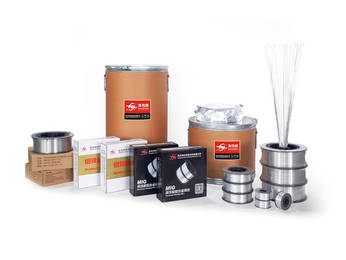
Choosing to work with respected names like Kunli — companies recognized for their thorough quality controls and dependable, uniform wire characteristics — gives fabricators greater confidence in achieving consistent, high-quality welds with far less time wasted on problem-solving and fewer unexpected stops in production.
NEXT:Choosing the correct Aluminum TIG Wire and properly adjusting all of your welding settings is key to creating strong