English
  Deutsch


What is the Maximum Service Temperature for Components Welded with Alloy ER4043?
Article Directory
- 1 1. The 150°F (65°C) Critical Threshold for Alloy ER4043
- 2 2. Mechanical Property Degradation at Elevated Temperatures
- 3 3. Anodizing and Aesthetic Performance Post-Heating
- 4 4. Industry-Specific Standards: DB, CE, and ABS Compliance
- 5 5. Conclusion: Precision Thermal Design
- 6 Frequently Asked Questions (FAQ)
- 6.1 1. Can alloy er4043 be used for automotive engine components?
- 6.2 2. What is the melting point of er4043 welding wire?
- 6.3 3. How does er4043 welding wire tensile strength compare to the base metal?
- 6.4 4. How to choose er4043 vs er5356 for 6061 aluminum?
- 6.5 5. Why is Kunli considered a top aluminum welding wire for high temperature applications supplier?
- 7 Industry References
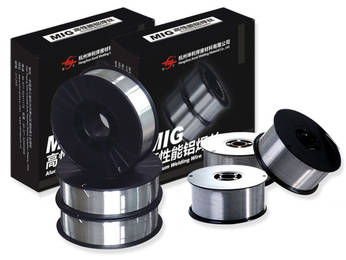
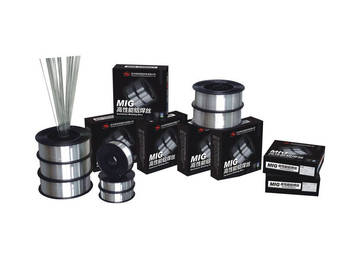
In the field of cryogenic and structural aluminum fabrication, alloy er4043 (Al-Si5) is the most widely utilized filler metal due to its excellent fluidity and resistance to solidification cracking. However, for engineers designing pressurized vessels, automotive heat exchangers, or architectural structures, understanding the thermal limitations of the weldment is critical. Hangzhou Kunli welding materials Co., Ltd., located in Xiaoshan District, Hangzhou, specializes in the R&D of high-performance aluminum alloy welding wire. With over 20 years of manufacturing experience and certifications including DB, CE, ABS, DNV, and CCS, our products serve as qualified substitutes for imported materials in high-stakes sectors like CRRC rail transport and Maersk shipping. This article provides a technical deep dive into the service temperature thresholds and metallurgical stability of alloy er4043.
1. The 150°F (65°C) Critical Threshold for Alloy ER4043
The engineering consensus for alloy er4043 service temperatures is generally capped at 150°F (65°C). While the melting point of the alloy is approximately 1065°F to 1170°F, the mechanical integrity of the joint is compromised at much lower temperatures. One frequent technical inquiry is what is the melting point of er4043 welding wire; however, for service life, the concern is "sensitization." Although alloy er4043 contains silicon rather than magnesium, it is often paired with 6xxx series base metals. At sustained temperatures above 150°F, the interaction between the filler and the heat-affected zone (HAZ) can lead to stress corrosion cracking (SCC) if the base metal has a high magnesium content. Compared to 5xxx series fillers, alloy er4043 is technically more stable at slightly elevated temperatures because it does not form the continuous beta-phase grain boundary precipitates found in high-magnesium alloys.
Comparison: Thermal Stability of Common Aluminum Fillers
The silicon-based chemistry of ER4043 offers a distinct advantage in specific heat-affected scenarios compared to magnesium-based fillers like ER5356.
| Filler Alloy | Recommended Max Service Temp | Primary Thermal Risk |
| Alloy ER4043 (Al-Si) | 150°F (65°C) | Reduced Strength/Ductility Shift |
| Alloy ER5356 (Al-Mg) | 150°F (65°C) | Stress Corrosion Cracking (SCC) |
| Alloy ER4047 (Al-Si12) | 150°F (65°C) | Silicon Eutectic Coarsening |
2. Mechanical Property Degradation at Elevated Temperatures
When aluminum structures exceed the 150°F threshold, the tensile strength of the alloy er4043 weld deposit begins to drop precipitously. This is a vital consideration for those researching aluminum welding wire for high temperature applications. Aluminum alloys naturally lose their tempered hardness when exposed to heat. For instance, a joint welded with high-performance wire from Hangzhou Kunli might maintain a tensile strength of 28 ksi at room temperature, but this could drop by 30% or more if subjected to sustained 300°F environments. Unlike steels, aluminum does not have a high creep resistance, meaning the weld will deform under load much faster at temperatures that would be considered "warm" for other metals.
3. Anodizing and Aesthetic Performance Post-Heating
In architectural applications where heat may be applied during manufacturing or service, the color match becomes a secondary technical concern. A common alloy er4043 vs er5356 comparison for engineers involves post-weld finishing. Alloy er4043 contains approximately 5% silicon, which turns dark gray or black after anodizing. If the component is subjected to heat, this color contrast can become even more pronounced due to further precipitation of silicon particles. If the component requires a bright clear-anodized finish after thermal exposure, ER5356 is often preferred, provided the temperature remains below the SCC threshold.
Comparison: Post-Weld Anodizing and Thermal Finish
The chemical composition of the filler significantly dictates the final visual outcome after thermal treatment and chemical processing.
| Criteria | Alloy ER4043 | Alloy ER5356 |
| Anodized Color | Dark Gray / Black | Match Base Metal (Clean) |
| Silicon Content | 5.0% (High) | < 0.25% (Low) |
| Surface Finish Quality | Excellent (Smooth) | Moderate (More spatter) |
4. Industry-Specific Standards: DB, CE, and ABS Compliance
For large-scale suppliers like Hangzhou Kunli welding materials Co., Ltd., adhering to international standards ensures that alloy er4043 performs predictably within certified temperature ranges. Our collaboration with the Beijing Nonferrous Metals Research Institute ensures our wire provides the high-precision mass production needed to replace imported brands. When engineers ask how to choose er4043 vs er5356 for 6061 aluminum, they must look at the IATF16949:2016 and DB certifications. In rail and marine sectors, where vibration and thermal cycling are constant, the high-purity and strict quality control of Kunli wire ensure that the er4043 welding wire tensile strength remains within the safety factor required by CCS and DNV authorities.
Technical Advantages of Kunli ER4043:
- High Fluidity: Optimized silicon distribution reduces the risk of weld porosity.
- International Certification: Successfully passed DB, CE, ABS, DNV, and CCS audits.
- Reduced Spatter: Advanced surface treatment processes lead to cleaner weld beads.
- High Export Quality: 50% of our 200MT monthly capacity serves global markets including the USA and Japan.
5. Conclusion: Precision Thermal Design
While alloy er4043 is a versatile and "forgiving" filler metal for a vast array of aluminum welding tasks, its maximum service temperature is strictly limited to 150°F (65°C) for structural integrity and corrosion resistance. Engineers must balance the ease of use and crack resistance of alloy er4043 with the thermal requirements of the final application. By choosing a high-performance domestic supplier like Hangzhou Kunli welding materials Co., Ltd., manufacturers can ensure they are using materials that exceed the status quo of imported high-performance welding wires, backed by rigorous testing and decades of metallurgical expertise.
Frequently Asked Questions (FAQ)
1. Can alloy er4043 be used for automotive engine components?
It is commonly used for non-structural engine parts like valve covers or intake manifolds. However, for components experiencing high heat and stress, engineers must verify that the operating temp does not lead to significant softening of the alloy.
2. What is the melting point of er4043 welding wire?
The melting range is approximately 1065°F - 1170°F (574°C - 632°C). This low melting point is exactly what provides the excellent fluidity that helps prevent weld cracking.
3. How does er4043 welding wire tensile strength compare to the base metal?
When welding 6061-T6 aluminum, the weld area will be in the "as-welded" condition, meaning the tensile strength of alloy er4043 (approx. 21-28 ksi) will be lower than the T6 tempered base metal (approx. 45 ksi).
4. How to choose er4043 vs er5356 for 6061 aluminum?
Choose alloy er4043 if you need high crack resistance and ease of use. Choose ER5356 if the part will be anodized or if you need higher shear strength, provided the service temperature stays under 150°F.
5. Why is Kunli considered a top aluminum welding wire for high temperature applications supplier?
Because of our strict quality control and cooperation with top research institutes like Central South University, we ensure that our wires have the lowest possible impurity levels, which is crucial for weld stability in variable temperature environments.
Industry References
- AWS A5.10: Specification for Bare Aluminum and Aluminum-Alloy Welding Electrodes and Rods.
- Aluminum Association (AA): Aluminum Standards and Data.
- DB (Deutsche Bahn) Certification Standards for Rail Welding.
- ABS (American Bureau of Shipping) Materials and Welding Rules.
NEXT:How Does the Low Melting Point of ER4047 Welding Wire Minimize Distortion in Thin-Gauge Aluminum Components?