Introduction
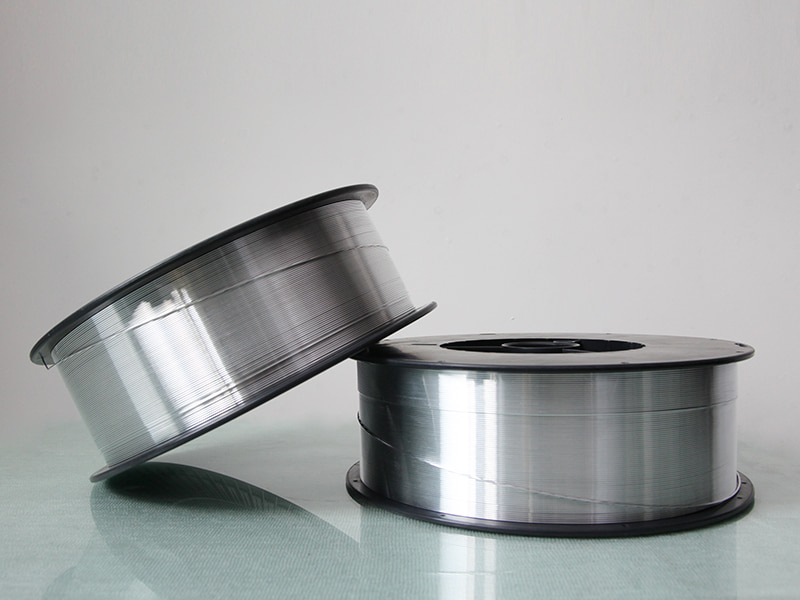
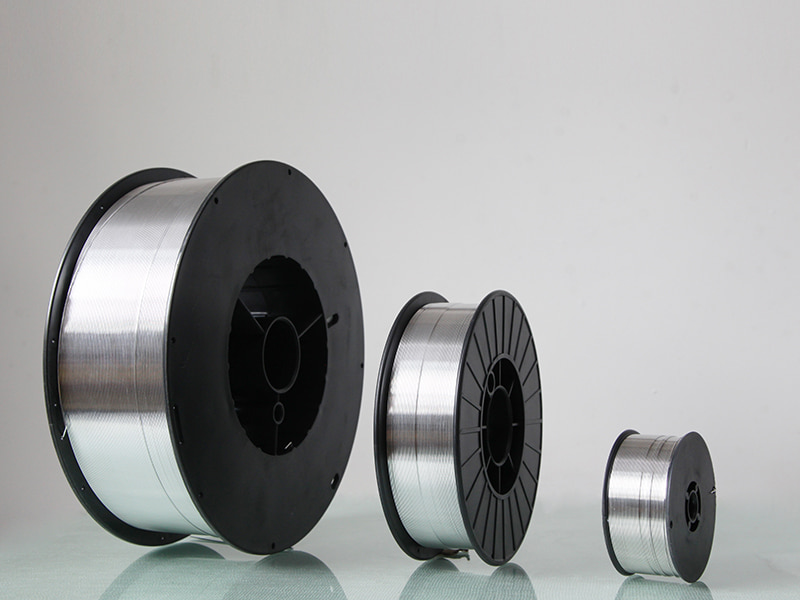
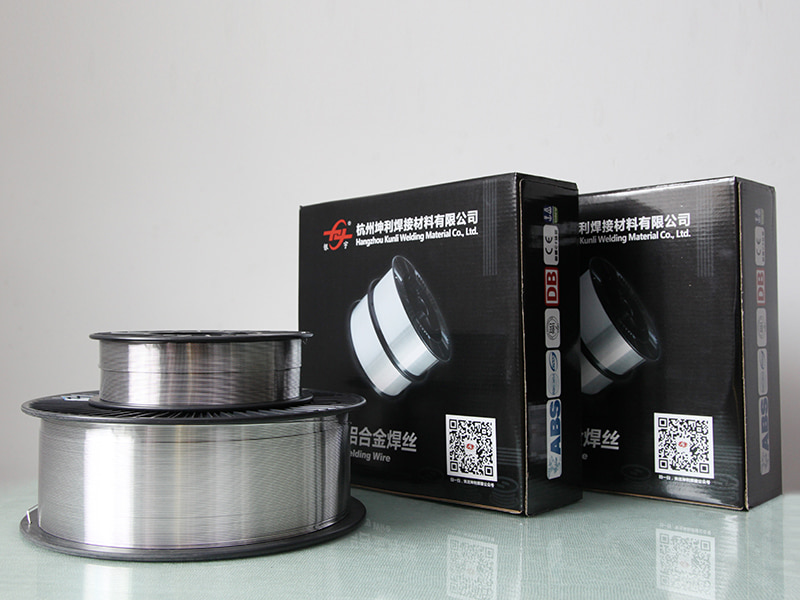
In the storage and transport of liquefied gases (such as LNG, LOX, and LH2), the risk of catastrophic brittle fracture due to extreme cold is the central design concern. We specialize in supplying the high-toughness, low-temperature aluminum consumables that guarantee structural survival in this environment. Our process focuses on raw material purity and specific alloy additions that refine the grain structure, ensuring the weld metal retains the necessary energy absorption capacity to prevent crack propagation under thermal shock and pressure cycling.
Specification
| Alloy Focus | ER5183 (Primary), ER5087 (Optimized toughness) |
| Key Property | High Charpy V-Notch (CVN) Impact Energy at Low Temperature |
| Test Temperature Range | Down to −196∘C (or lower per customer request) |
| Weld Deposit Structure | Al-Mg solid solution (FCC lattice) maintains high ductility when cold |
| Required Compliance | ASME Sec VIII, DNV GL, IACS Polar Codes |
Applications and Solutions
LNG (Liquefied Natural Gas) Carriers: Welding large internal membrane and moss-type storage tanks (service temperature −162∘C).
Cryogenic Storage Tanks: Land-based vessels for storing liquid oxygen (LOX) and liquid nitrogen (LIN) in industrial and medical applications.
Space Vehicle Fuel Tanks: Fabrication of aluminum-lithium and 2219 tanks for liquid hydrogen and oxygen propellant systems (lowest temperature service).
Air Separation Plants: Welding large aluminum heat exchangers and cold box piping that operate constantly at sub-zero temperatures.
FAQ
- Q: Why is Charpy V-Notch testing so important for cryogenic filler metals?A: CVN testing measures the energy absorption capacity of the material. A high CVN value at the service temperature proves the material can resist crack propagation and brittle failure under a sudden impact or stress event.
- Q: Can I use high-strength heat-treatable fillers for cryogenic service?A: Generally, no. Heat-treatable alloys like 6061 and their fillers often rely on precipitates (Mg2Si) which can lose effectiveness or even become detrimental at extremely low temperatures. Al-Mg alloys (5XXX) are preferred for their stability.
- Q: Does the welding process itself affect low-temperature toughness?A: Yes. Excessive heat input or poor welding technique that results in porosity, micro-fissuring, or large, coarse grains can severely reduce the weld's low-temperature toughness, regardless of the alloy used.
English
Deutsch
English
Deutsch