Introduction
In modern automated welding, the physical shape of the wire is as important as its chemistry. Uncontrolled cast and helix cause irregular drag, erratic stick-out, poor contact tip wear, and ultimately, wire jams—leading to machine downtime. Our production includes proprietary, laser-guided measurement systems that continuously monitor and adjust the wire's physical configuration as it is spooled. This dedication to controlled cast and helix ensures superior performance with all types of feeding systems, from push-pull guns to long robotic conduits and bulk drum delivery systems.
Specification
| Physical Parameter 1 | Cast (Diameter of the natural coil) |
| Physical Parameter 2 | Helix (Axial Deviation per revolution) |
| Standard Tolerance (Cast) | 400mm±50mm (Target for 1.2mm wire) |
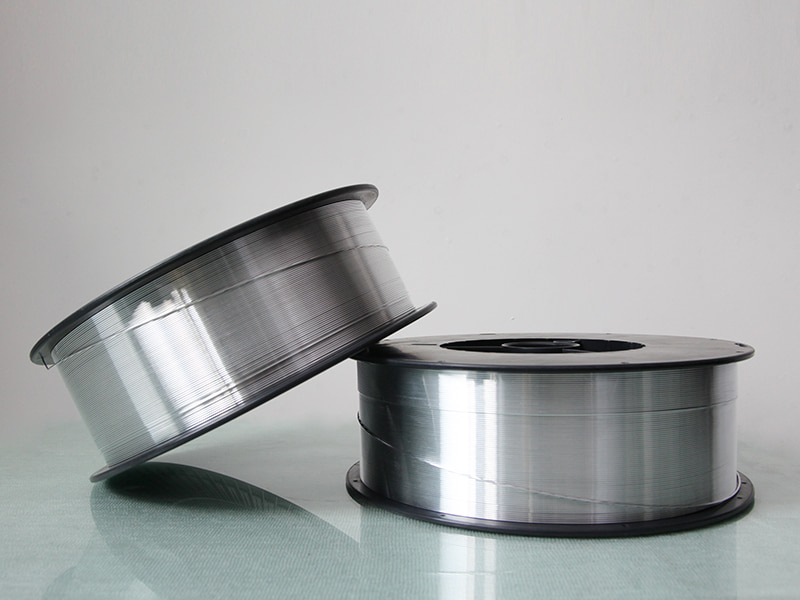
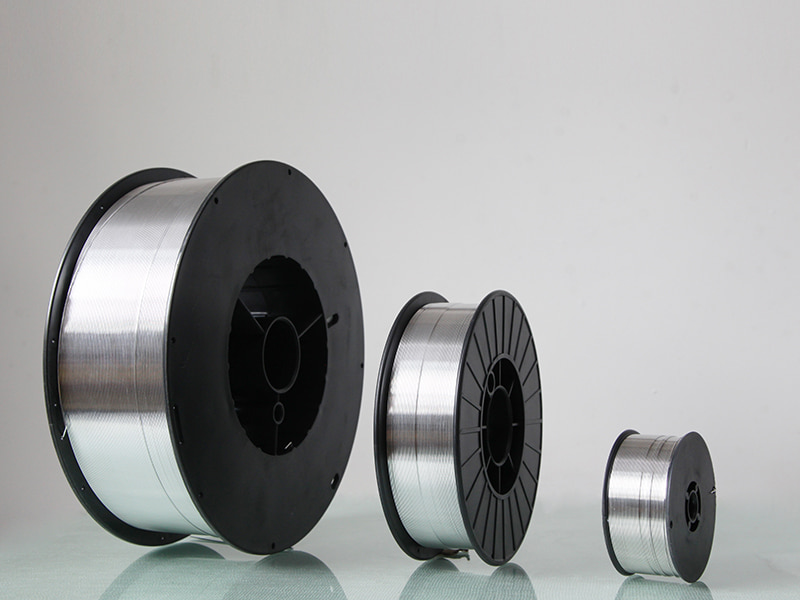
| Winding Type | Precision Layer Wound (PLW) is standard |
| Key Benefit | Optimized Feedability and Arc Stability |
Applications and Solutions
Robotic Welding Lines: Essential for all automated systems where the torch position is fixed, and consistent stick-out is mandatory for stable arc length control.
Long Conduit Systems: Welding in large fabrication halls (shipbuilding) or with long reach torches where minimizing friction drag is crucial for reliable feeding.
High-Speed Welding: Ensuring continuous, uninterrupted wire delivery at feed rates exceeding 20m/min without slip or jamming.
Push-Pull Torches: Minimizing the required push force on the wire, which is a common failure point in push-pull systems used for aluminum.
FAQ
- Q: What is the ideal cast for aluminum MIG wire?A: The ideal cast is typically a relatively wide diameter (e.g., 400mm to 600mm) that ensures the wire is relaxed and straightens easily as it exits the contact tip, minimizing erratic arc starts.
- Q: How does helix affect the welding process?A: Excessive helix (corkscrewing) causes the wire to rub heavily against the inside of the contact tip and liner, leading to extreme friction, erratic electrical contact, and premature tip wear. High helix also causes the wire tip to circle the target area.
- Q: Can I use wire with poor cast/helix in a spool gun?A: Yes, but the spool gun’s direct drive mechanism will be heavily stressed, and the manual welding process will be made significantly more difficult by inconsistent stick-out and arc wandering.
English
Deutsch
English
Deutsch