English
  Deutsch


A lot of production headaches trace back to one overlooked decision: the filler wire. Someone orders a spool because it's what the last supplier recommended, or because a coworker used it on a different job years ago, and then the welds start showing porosity, or the feeder keeps birdnesting, or the finished part just doesn't look right once it's anodized. The issue is usually easier to trace than it seems — it often comes down to choosing a wire that matches the aluminum alloy, welding process, and intended application. Here's a practical look at how filler wire and base metal actually need to line up, without relying on brand reputation or guesswork.
Why the Base Metal Comes Before Anything Else
Aluminum isn't one material — it's a family of alloys, and each one behaves differently once heat is applied. A wire that flows smoothly on one alloy might crack or discolor on another. So before anyone looks at a spec sheet, it helps to answer a few questions:
- ▸What aluminum alloy is the part actually made from?
- ▸What welding process is being used on the floor — MIG, TIG, something else?
- ▸Where will the finished part live — outdoors, near saltwater, inside a vehicle frame?
- ▸Does the weld need to disappear visually, or is strength the only concern?
A small metal fabrication shop building trailer frames faces very different pressures than a boatyard patching a hull, even though both are welding aluminum. Once the base alloy is nailed down, the rest of the selection process gets a lot less confusing — instead of comparing wires by name, buyers can compare them by compatibility.
What Wire Naming Actually Tells You
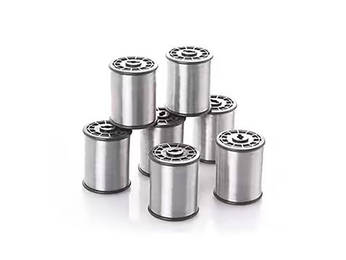
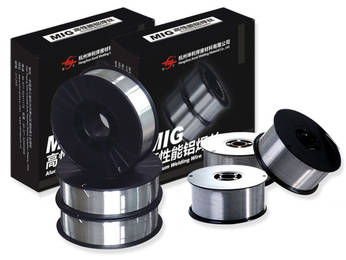
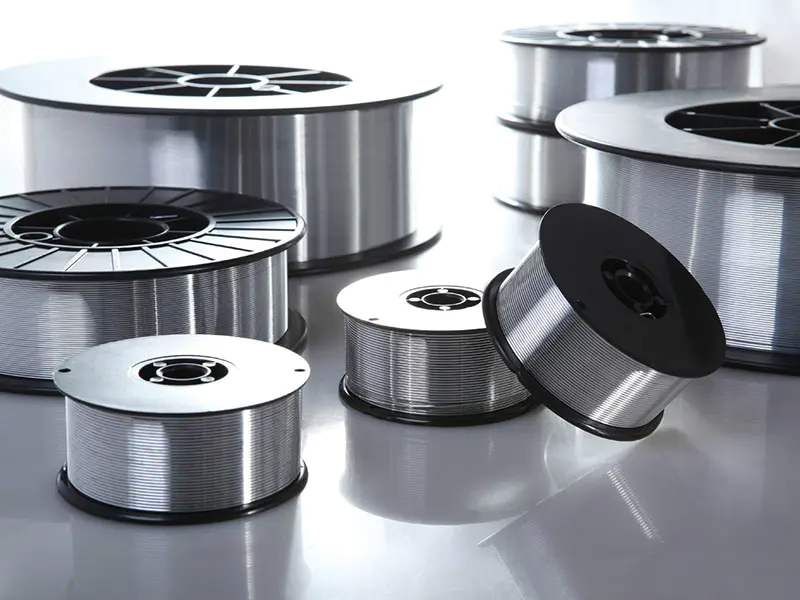
Wire designations like 4943 aren't marketing labels — they're a shorthand for chemical composition, which affects how the metal flows, how it responds to heat, and what kind of finish it leaves behind. 4943 Aluminum Welding Wire, for instance, sits within a category built for specific joining scenarios, and whether it fits a project has nothing to do with popularity and everything to do with what's being welded and how.
When comparing wire designations side by side, people on the floor tend to check:
- ▸How the wire reacts with the base metal
- ▸Whether it suits the welding process already in use
- ▸How it behaves under the shop's typical working conditions
- ▸What the final joint needs to look and perform like
A name on a spool alone does not ensure the right result. The conditions where it is used still play a major role in how well it performs.
Filler Metal Categories Aren't Interchangeable
Filler metal isn't just a consumable — it becomes a permanent part of the joint. That means its behavior under heat, its flow characteristics, and how it interacts chemically with the parent metal all carry forward into the final part.
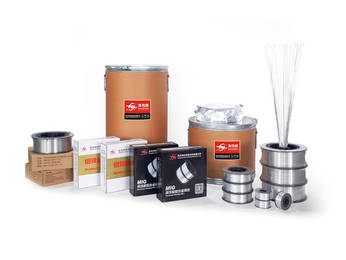
Silicon Aluminum Filler Metal is one category worth understanding here. It's chosen in situations where certain flow and finish characteristics matter, but that doesn't mean it's the default answer for every aluminum job. A buyer evaluating it should be looking at the whole picture rather than a single trait on a data sheet.
| Factor to Check | What It Actually Affects |
|---|---|
| Base aluminum alloy | Whether the filler bonds cleanly without cracking |
| Welding equipment and process | Whether feed and arc behavior stay consistent |
| End use of the part | Whether the joint holds up in its working environment |
| Shop workflow | Whether production stays steady without constant adjustment |
Buying decisions built on a supplier's brochure alone tend to skip over these details. Buying decisions built on the actual job usually don't.
MIG Welding Puts Extra Pressure on Wire Selection
MIG welding is common in aluminum fabrication because it feeds continuously and keeps production moving without constant stops. That convenience comes with a catch — the wire has to feed cleanly through the gun every single time, so any mismatch between wire and equipment shows up fast, usually as tangled feed, inconsistent arc, or spatter nobody wants to clean up.
Shops running MIG lines usually keep an eye on:
- ▸Feeding stability through the liner and contact tip
- ▸How well the wire matches the base aluminum
- ▸What the production schedule can tolerate
- ▸How the shop environment (temperature, humidity, dust) affects feed quality
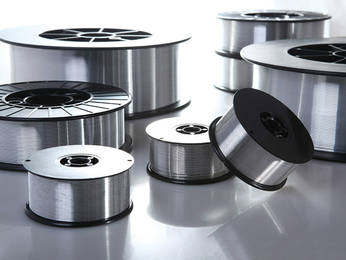
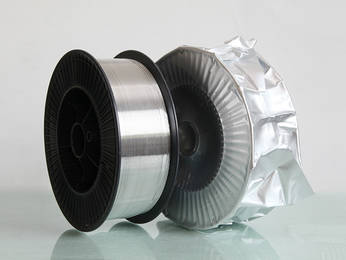
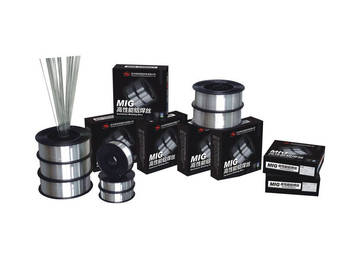
5183 Aluminium Mig Wire Welding falls into this category of wire built for continuous-feed applications, and like any other option, its fit depends on the alloy being joined and what the finished part needs to do once it leaves the shop.
A practical way to check MIG wire fit before ordering a spool:
- 1Pin down the exact aluminum alloy in the part.
- 2Confirm which welding equipment and process are already running on the floor.
- 3Think through where and how the part will be used.
- 4Compare a few filler options against that information.
- 5Bring the specifics to a supplier instead of asking for a general recommendation.
That sequence turns a vague purchase into a decision grounded in actual shop conditions.
A Process Beats a Guess Every Time
Checking a product name off a list isn't really a selection process — it's a shortcut that sometimes works and sometimes doesn't. A steadier approach walks through the job itself:
Identify the base aluminum alloy. This narrows the field before anything else happens.
Look at the welding method in use. Equipment and process requirements rule out options that won't feed or arc properly.
Think about where the part will end up. A bracket sitting inside a climate-controlled cabinet doesn't need the same consideration as a fitting exposed to weather.
Factor in the production line itself. Shop speed, batch size, and finishing steps all shape which wire makes sense.
Talk it through with the supplier. A short conversation about the actual job usually surfaces details a spec sheet leaves out.
Popularity Isn't a Selection Criterion
A wire that works well in one shop can behave completely differently in another, because aluminum parts vary so much in design, thickness, and working conditions. Picking a filler because "everyone uses it" skips the part of the decision that actually matters — whether it fits this job.
What tends to hold up better as a filter:
- ▸Compatibility with the specific base metal
- ▸Fit with the welding process already running
- ▸What the finished part needs to withstand
- ▸What the production line can realistically support
Different Industries Lean on Different Priorities
Aluminum welding shows up across a wide range of manufacturing — and each field tends to weigh the same factors differently.
Transportation parts often involve thin-gauge aluminum where weight matters as much as strength, so the filler has to support that balance without slowing the line down.
Industrial equipment usually runs through repeated production cycles, so shops in this space care a lot about consistent material supply and predictable processing.
Marine components deal with saltwater exposure and shifting temperatures, which puts extra weight on how the filler holds up outside the shop, not just during welding.
General fabrication covers a wider mix of alloys and part designs, so flexibility in material choice tends to matter more than in a single-product production line.
Knowing which category a project falls into makes it easier to weigh these trade-offs instead of applying one filler choice across every job.
Comparing Filler Options Without Ranking Them
It helps to compare filler categories by fit rather than by trying to crown one option over another — aluminum welding rarely works that way.
| What to Ask | Why It Matters |
|---|---|
| Does the filler match the base alloy? | Poor matches show up as cracking or porosity |
| Does it suit the welding process? | Mismatches disrupt feed and arc stability |
| Can it handle the application environment? | Weather, load, and stress all vary by product |
| Does it fit the production workflow? | Some wires need more operator adjustment than others |
| Can the supplier explain how it performs in use? | Technical backup matters once problems show up |
A small job shop juggling custom orders might weigh flexibility above everything else. A larger operation running one product line day after day might care more about consistent feed behavior across shifts. A product designer might be thinking mainly about how the weld looks once it's polished. None of these priorities is wrong — they're just different starting points for the same decision.
Wire Choice Shapes the Whole Production Day
A mismatched filler doesn't just cause weld defects — it eats into time on the floor. Feeder jams, arc instability, and rework all slow things down in ways that are hard to plan around.
Shops running steady aluminum production tend to watch for:
- ▸Smooth, consistent wire feeding
- ▸Predictable arc behavior shift after shift
- ▸Less time spent troubleshooting instead of welding
- ▸Fewer mid-run material swaps
When the wire actually fits the process, crews spend their time welding instead of fixing avoidable problems.
Better Information Sharing Solves More Than It Seems
A surprising number of material mismatches come down to a communication gap — an engineer knows the alloy, a buyer knows the budget, and a supplier only hears part of the story.
Sharing a few specifics up front tends to close that gap:
- ▸The exact aluminum alloy involved
- ▸What the finished product does and where it goes
- ▸The welding equipment already in use
- ▸Production speed and batch expectations
- ▸What the weld needs to look like once it's done
Suppliers can only recommend as well as they're informed.
Selection Habits Are Shifting Toward the Application
Purchasing used to lean heavily on whatever was readily stocked. That's changing — shops are paying closer attention to how a filler wire behaves inside their actual production system rather than just whether it's available.
That shift shows up in a few recurring questions companies now ask before ordering:
- ▸Does this fit the process already running on the floor?
- ▸Can it support the range of parts we're producing?
- ▸Will it hold up consistently across a full production run?
- ▸Can the supplier back up the recommendation with real technical detail?
None of this replaces the basics — alloy compatibility remains essential — but it brings in a more careful review process that was often overlooked before.
Why Application-Based Thinking Holds Up Better
Aluminum parts end up everywhere — vehicle frames, marine fittings, industrial housings — and each of those environments asks something different of the weld. A one-size-fits-all filler choice tends to fall short somewhere along the way.
Thinking through the application means asking:
- ▸What is this part actually built to do?
- ▸What conditions will it face once it's in use?
- ▸How long does the weld need to hold up under stress?
- ▸What does the shop floor look like day to day?
That framing keeps material choice tied to the product instead of to habit.
A Short Checklist Before Placing an Order
Before a spool gets added to a purchase order, running through a short list of questions saves a lot of back-and-forth later:
What alloy is being welded? This narrows the filler field immediately.
What welding process is running? Equipment compatibility rules out options fast.
What does the finished part need to do? End use shapes which characteristics actually matter.
What does the production line look like? Batch size, speed, and finishing steps all play in.
What does the supplier need to know? A short conversation upfront prevents a longer one later.
Questions Worth Bringing to a Supplier
A conversation with a supplier works better when it's specific rather than open-ended. Worth asking directly:
- ▸Which aluminum alloys does this filler actually suit?
- ▸Where is this wire typically used, and why?
- ▸Does it fit the welding process already on the floor?
- ▸What details does the supplier need before confirming an order?
A supplier relationship built on specifics tends to produce better recommendations than one built on a product catalog alone.
Filler Choice Belongs in Product Planning, Not Just Purchasing
Wire selection doesn't sit off to the side of manufacturing — it threads through design, scheduling, and inventory planning too. Bringing it into the conversation earlier, rather than treating it as a last-minute purchase, tends to prevent scrambling later.
That looks like:
- ▸Checking material compatibility while a product is still being designed
- ▸Confirming welding requirements before the line starts running
- ▸Talking to suppliers before a deadline is looming
- ▸Planning ahead for material needs on longer production runs
Handled early, filler selection stops being a purchasing afterthought and becomes part of how the product gets built.
The Link Between Filler Metal and Finished Quality
Welding is one piece of a larger system that includes equipment, operator skill, and process control. The filler wire works alongside all of that rather than in isolation.
A well-matched wire supports:
- ▸Steadier welding from one part to the next
- ▸Fewer surprises during quality checks
- ▸Easier coordination between design and production
- ▸Clearer expectations for what the joint should look like
Seen that way, choosing aluminum welding wire isn't a small line item — it's part of how the whole product comes together.