English
  Deutsch


Why ER5356 TIG Welding Wire Is Ideal for Automotive Aluminum Repairs
Article Directory
- 1 Understanding the Composition of ER5356
- 2 Mechanical Properties for Automotive Applications
- 3 Compatibility with Common Automotive Alloys
- 4 Corrosion Resistance in Service Environments
- 5 Welding Process Considerations
- 6 Heat Management During Repairs
- 7 Weld Quality and Defect Prevention
- 8 Joint Design for Automotive Repairs
- 9 Storage and Handling Requirements
- 10 Cost Considerations for Repair Operations
- 11 Training Requirements for Technicians
- 12 Quality Assurance Methods
- 13 Environmental and Safety Factors
- 14 Future Developments in Automotive Aluminum Repair
- 15 Practical Tips for Repair Success
Aluminum Welding Wire ER5356 has established itself as a reliable choice for automotive repair professionals working with aluminum components. Modern vehicles increasingly incorporate aluminum alloys throughout their construction, from body panels to structural frames, creating demand for welding solutions that deliver consistent results. The unique metallurgical properties of ER5356 make it particularly well-suited for the demanding requirements of automotive repair work, where both structural integrity and long-term durability matter significantly.
Understanding the Composition of ER5356
ER5356 is an Al-Mg welding wire formulated with approximately 5% magnesium as the principal alloyant, complemented by targeted levels of manganese, chromium, titanium, and small quantities of other trace constituents. This thoughtfully engineered composition yields a filler metal that successfully integrates the essential characteristics needed for high-quality welds on aluminum parts used in vehicle construction.
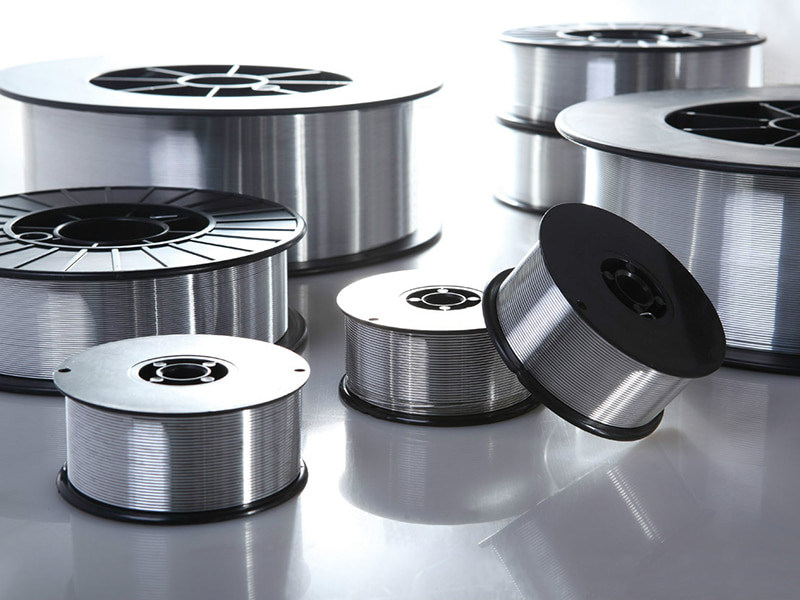
Key contributions from its alloying elements are:
- Magnesium imparts considerable strength to the solidified weld metal while preserving sufficient ductility to meet practical service requirements;
- Weld deposits exhibit notable toughness, enabling them to withstand sudden loading and deformation while resisting crack formation;
- Manganese facilitates formation of a finer-grained microstructure during cooling, which lowers susceptibility to solidification cracking and elevates overall weld strength;
- Chromium improves corrosion performance, offering better protection in conditions involving road moisture, salt spray, and atmospheric exposure;
- The carefully adjusted element ratios ensure stable arc behavior, good wetting, and adequate mechanical properties across many different wrought aluminum base materials.
Owing to these inherent compositional strengths, ER5356 demonstrates exceptional versatility when joining the varied aluminum alloys found in modern automobiles, including exterior panels, structural members, and heat-exchange components. Its proven compatibility with multiple alloy families has made it a preferred and widely adopted filler metal in both original automotive manufacturing and aftermarket repair operations that routinely handle aluminum from diverse sources and vehicle types.
Mechanical Properties for Automotive Applications
ER5356 is an Aluminum-Magnesium Welding Wire with a magnesium content of roughly 5%, augmented by smaller, precisely controlled additions of manganese, chromium, titanium, and other trace elements. This alloy design produces a welding consumable that skillfully balances strength, toughness, corrosion resistance, and weldability—qualities especially important for joining aluminum in automotive structures.
The primary benefits arising from its composition are:
- Magnesium delivers solid-solution strengthening to the weld deposit while retaining ample ductility to handle structural loads and minor deformations;
- Weld metal exhibits strong impact toughness, permitting energy absorption from crashes or vibrations without crack formation;
- Manganese encourages formation of a fine-grained structure as the weld solidifies, reducing hot-cracking risk and enhancing deposit soundness;
- Chromium improves resistance to corrosion in environments involving moisture, road salts, and atmospheric exposure;
- The balanced elemental composition contributes to favorable fusion behavior and mechanical compatibility with multiple aluminum base alloys.
These alloy features Allow ER5356 to form reliable, high-quality welds on the many aluminum series used throughout modern vehicles, including sheet, extrusions, and castings. Its proven versatility across diverse base materials has made it a standard choice for automotive assembly lines and repair workshops that regularly work with aluminum components from multiple vehicle brands and generations.
| Mechanical Property | ER5356 | ER4043 | ER5183 |
|---|---|---|---|
| Tensile Strength | Medium–High | Lower | High |
| Yield Strength | Medium–High | Lower | High |
| Elongation | Medium | Higher | Medium–Lower |
| Shear Strength | Medium | Lower | Medium–High |
Compatibility with Common Automotive Alloys
Automobile makers integrate various aluminum alloy series into their vehicle architectures, picking each one to address particular demands for strength, weight savings, or environmental durability. Aluminum Welding Wire ER5356 offers reliable metallurgical matching with many of these alloy groups, supporting effective welding in a range of contexts.
Its compatibility profile features:
- Solid performance on 6000-series alloys frequently applied in extruded beams, subframes, and crash structures
- Magnesium levels similar to these base materials help limit galvanic corrosion at weld joints
- Strong results when joining 5000-series sheet for outer panels, hoods, trunks, and fenders
- Yields clean welds with limited gas pockets or solidification defects in these work-hardenable alloys
- Works adequately on 3000-series components used for brackets, covers, and aesthetic features
For repairs that require fusing dissimilar aluminum alloys—like attaching a 5000-series panel to a 6000-series reinforcement—ER5356 provides a practical all-purpose filler option. Its neutral composition helps prevent excessive intermetallic compounds or dilution effects, resulting in sturdy weld areas that resist introducing localized weaknesses or property mismatches.
Corrosion Resistance in Service Environments
Automobiles are exposed to harsh conditions that drive aluminum corrosion via several pathways. De-icing salts applied to snowy roads generate highly damaging environments, and elevated moisture in seaside areas or contaminants in factory zones further hasten surface breakdown. The magnesium component in ER5356 promotes a tough oxide barrier on the weld surface that blocks ongoing oxidation, effectively delaying the rate of deterioration.
Galvanic corrosion emerges as a key issue when connecting metals or alloys with differing compositions. ER5356 weld deposits have an anodic potential that's quite similar to that of typical automotive aluminum alloys, which reduces the electrochemical gradient fueling galvanic reactions. This similarity helps prevent the weld from becoming a localized site for corrosion activity that could compromise the structural integrity.
Finishing coats and protective layers added to fixed sections demand a reliable base for strong bonding. Welds produced with ER5356 integrate smoothly with standard surface preparations, enabling body shops to reinstate durable barriers that uphold corrosion defense for extended periods. The filler material shows no atypical interactions with standard vehicle primers, paints, or protective compounds.
Welding Process Considerations
TIG welding delivers the fine control required for aluminum repairs on vehicles, especially when working with thin sheets and surfaces that must look flawless after painting. Aluminum Welding Wire ER5356 rod advances reliably in TIG torches provided it is kept dry and protected from contamination, eliminating common feed interruptions that can derail urgent repair tasks. The arc behaves predictably over a broad current window, enabling welders to produce repeatable bead appearance and penetration depth.
Pure argon is the preferred shielding gas for ER5356, forming a secure envelope around the weld pool to exclude oxygen and nitrogen. Flow must be sufficient for complete protection but not so high that it causes turbulence, which can entrain air or destabilize the molten metal. AC TIG welding is a common method for automotive aluminum repair. The electrode-positive phase of the cycle helps break down the surface oxide layer, which reduces the occurrence of fusion defects or porosity.
Effective pre-weld preparation involves removing grease, road film, and the ever-present oxide layer to guarantee strong bonding. Stainless steel brushes reserved exclusively for aluminum avoid introducing iron particles that promote corrosion, and approved solvents or etchants handle persistent soils. Accurate joint alignment and edge preparation reduce the volume of filler needed, limit overall heat input, and minimize buckling or distortion in lightweight panels.
| Parameter | Thin Sections | Medium Sections | Thick Sections |
|---|---|---|---|
| Current Setting | Lower Range | Medium Range | Higher Range |
| Tungsten Electrode Size | Smaller Diameter | Medium Diameter | Larger Diameter |
| Filler Wire Diameter | Smaller Diameter | Medium Diameter | Larger Diameter |
| Shielding Gas Flow | Lower Flow Rate | Medium Flow Rate | Higher Flow Rate |
Heat Management During Repairs
The efficient heat conduction of aluminum presents a challenge for heat management during welding, as the input energy spreads quickly, complicating the task of sustaining a stable weld pool temperature. This issue intensifies on thin automotive skin panels, where too much heat can easily burn holes or cause severe distortion. ER5356 exhibits good fluidity at relatively low temperatures, permitting welders to dial down current levels and limit overall heat input to the workpiece.
Travel speed plays a critical role in heat management: progressing too slowly leads to excessive buildup that buckles or warps sheet metal, whereas rushing the torch results in shallow penetration and poor joint strength. The tolerant characteristics of ER5356 give operators a wider operating window, making it easier to settle on a pace that achieves adequate fusion while keeping heat effects under control.
Copper backup bars or other heat-sink methods effectively pull surplus heat from the weld area, preserving panel shape during repairs. These cooling aids pair especially well with ER5356, as the alloy handles the resulting quicker solidification rates without becoming prone to cracks. For extensive damage, skip welding—laying short segments with pause intervals for cooling—offers another practical strategy to prevent overheating and maintain flatness in large repaired sections.
Weld Quality and Defect Prevention
Porosity stands out as a frequent issue in aluminum welding, arising mainly from hydrogen gas getting trapped in the liquid weld pool during the process. Aluminum Welding Wire ER5356 shows decent tolerance to this problem as long as the shielding gas fully protects the area and the base material is cleaned thoroughly beforehand. As the weld metal cools and hardens, its refined grain pattern tends to lock in any lingering gases as tiny, scattered bubbles instead of letting them merge into big voids that could undermine the joint's strength.
Different aluminum fillers have varying tendencies to crack, depending on their chemical makeup and how they solidify under heat. ER5356's well-tuned alloy mix leads to welds that resist cracking effectively, even on heavier pieces where cooling pulls and stresses the material. The weld deposit's natural flexibility lets it handle a bit of contraction without splitting, as long as the welder sticks to standard techniques.
Lack of fusion happens when the filler doesn't properly merge with the parent metal, leaving frail spots along the seam. ER5356 has strong spreading properties that allow it to seep into prepared edges and bond fully with the base alloy. Using the right current strength and steady torch handling makes sure the base heats up enough to melt while the filler integrates smoothly.
Joint Design for Automotive Repairs
Butt joints are the typical choice for replacing or fixing automotive panels, where accurate edge beveling is essential to obtain complete root penetration while keeping the face reinforcement minimal. ER5356 creates a mildly domed bead surface that delivers the required extra thickness for strength yet remains smooth enough for straightforward finishing. When a flat profile is needed—for better paint adhesion or to fit an overlapping section—the raised crown can be carefully ground level.
Lap joints are commonplace in patch repairs or sectional replacements, with joint strength coming from proper edge treatment and the shape of the resulting fillet welds. ER5356 spreads effectively, enabling it to span slight fit-up gaps and form reliable fillets that share stresses evenly across the overlapped area. Sizing the fillet legs appropriately provides sufficient load-carrying capacity without unnecessarily increasing the repair's mass.
T-joints and corner joints arise in structural repairs where panels or reinforcements intersect at right angles. ER5356 flows naturally into these setups, wetting both adjoining surfaces and fully penetrating the root. For thicker or wider joints, multiple weld passes are often required, accompanied by brushing or wiping between layers to clear away oxide scale and avoid trapped inclusions that could compromise the final assembly.
| Joint Type | Application | Preparation Requirements | Filler Metal Usage |
|---|---|---|---|
| Square Butt | Thin panels | Tight fit-up, no gap | Moderate |
| V-Groove Butt | Thick sections | 60–90 degree included angle | High |
| Lap Joint | Patch panels | Clean overlap zone | Moderate |
| Fillet Weld | Structural reinforcement | Square edges, clean surfaces | Variable |
Storage and Handling Requirements
Moisture contamination can introduce hydrogen into the weld pool, which may form porosity and degrade the mechanical properties of the weld. Aluminum Welding Wire ER5356 should remain in sealed containers when not in use, with desiccant packs to absorb any residual moisture. Wire that has been exposed to humid conditions benefits from low-temperature baking before use to drive off absorbed moisture.
Physical damage to the wire surface creates feeding problems and may introduce contaminants into welds. Handling the wire carefully and avoiding contact with dirty or oily surfaces maintains cleanliness. Once opened, partial spools should be resealed or placed in storage containers to prevent exposure to shop contaminants.
The wire feed system in TIG welding equipment requires regular cleaning to prevent buildup of aluminum oxide particles that cause erratic feeding. Liner replacement at appropriate intervals maintains smooth wire delivery to the torch, reducing frustration during repairs. Drive roll pressure should be adjusted to grip the wire securely without deforming it, as aluminum's softness makes it susceptible to damage from excessive pressure.
Cost Considerations for Repair Operations
The price of filler metal contributes to the overall economics of aluminum repairs, with ER5356 generally positioned between the budget-friendly ER4043 and the more specialized ER5183 in terms of cost per spool or rod. This mid-range pricing aligns with its versatile performance profile and the fact that it is produced by numerous suppliers worldwide. Body shops and repair centers can typically obtain ER5356 quickly from local welding distributors, bypassing the supply chain delays or markup that can accompany rarer or niche filler alloys.
Labor efficiency plays a major role in controlling repair expenses, and ER5356 supports higher productivity through its consistent arc behavior and tolerance for minor technique variations. Welders can complete joints faster and with fewer rejects or rework sessions, which often makes the wire's moderate material cost competitive—or even advantageous—when compared to cheaper alternatives like ER4043 on a total-job basis.
Standardizing inventory with a widely compatible filler like ER5356 can simplify material management. Its applicability across many common tasks allows workshops to maintain a consolidated stock for a range of Aluminum TIG Wire applications. Maintaining a single go-to wire reduces the capital tied up in multiple specialized stocks, cuts ordering complexity, and lowers the chance of dead inventory from infrequently used alloys.
Training Requirements for Technicians
Aluminum welding demands distinctly different methods than steel, forcing welders to adapt their heat control, torch angles, and travel habits. The metal's rapid heat spread and persistent oxide layer require specific strategies that training must cover thoroughly, alongside the precise hand-eye coordination essential for quality TIG work.
A solid grasp of aluminum alloy behavior gives technicians the insight to choose appropriate fillers and adjust parameters for unusual repairs. Understanding how various base metals react to heat input and alloying elements equips welders to troubleshoot issues like distortion, cracking, or porosity on the spot. This metallurgical knowledge pairs effectively with repeated practical sessions to build reliable technique.
Consistent practice is vital to sustain proficiency, since TIG welding depends heavily on developed muscle memory and steady control. Repair operations gain from allocating time and scrap material for ongoing skill sharpening, whether through structured drills or supervised experimentation. This commitment to technician development leads to cleaner welds, fewer come-backs, and faster turnaround times on customer vehicles.
Quality Assurance Methods
A careful visual review forms the initial safeguard for aluminum weld integrity, highlighting surface flaws, undercut, excessive convexity, or fit-up discrepancies. Welders who know the telltale signs of common problems can spot and fix them promptly before the repaired part is reassembled on the vehicle. Using ER5356 typically yields uniform bead ripples, clean blending at the edges, and correctly proportioned reinforcement that signal competent work.
Liquid penetrant examination picks up tiny surface cracks or sidewall fusion failures that escape normal eyesight. The quick, low-tech steps—clean, apply penetrant, wait, wipe, and develop—make it feasible in everyday repair shops, especially for vital structural joints needing proven reliability. Both standard visible dyes and fluorescent types function well on aluminum, producing sharp, high-contrast indications of any flaws.
Destructive checks on test welds supply direct feedback on hidden soundness and strength. Fracture tests that break prepared samples uncover trapped gas pockets, poor root penetration, or internal cracks. Guided bend tests probe weld flexibility and bond quality by bending specimens to set radii without splitting. Running these evaluations on representative mock-ups confirms that welding settings and operator ability routinely produce dependable results.
Environmental and Safety Factors
Aluminum TIG operations create metal dust and ozone gases that call for strong ventilation to safeguard the welder. Targeted extraction arms or hoods pull contaminants away right at the torch, keeping the breathing area clean. When exhaust systems alone aren't enough, properly fitted respirators with suitable filters offer further shielding.
The arc's powerful UV and bright light can rapidly burn unprotected eyes or skin. Helmets with correctly shaded auto-darkening filters guard the face and vision, while fire-resistant sleeves, jackets, and gloves protect all exposed body parts. Aluminum's mirror-like shine can redirect rays in odd directions, requiring thorough coverage even in cramped vehicle bays.
Electrical dangers come with TIG setups, particularly around conductive car bodies that might carry stray current. Solid work-lead connections and intact, dry cables block shock risks, and periodic machine checks verify cable and torch insulation. Welders must follow core electrical precautions, including disconnecting batteries and using insulating mats on vehicles packed with electronic modules.
Future Developments in Automotive Aluminum Repair
Stronger aluminum alloys are steadily gaining use in vehicle frames and bodies as carmakers push for lower weight. These modern grades often behave differently under welding heat than older ones, creating new demands for filler matching. Producers keep updating alloys like ER5356 to suit these materials while staying effective on conventional types.
Automated welding equipment is starting to reach collision repair facilities, with robots managing uniform or repeated joints. For the varied, non-standard repairs typical of bodywork, manual welding remains relevant. Automated equipment, in contrast, can address repetitive sections of the work. Dependable, easy-feeding fillers such as ER5356 should stay valuable as automation grows, perhaps with minor changes for machine delivery.
Green manufacturing goals are boosting focus on repair instead of scrap-and-replace to save resources and cut waste. Quality welding allows economical revival of damaged aluminum parts, lengthening vehicle lifespan. The solid history and wide usefulness of ER5356 in repair work make it a solid fit for these rising eco-friendly approaches.
Practical Tips for Repair Success
Defined welding procedures enable technicians to deliver uniform welds across a variety of repair situations, with thorough records and gradual improvements boosting overall consistency and quality.
Procedure development:
- Log suitable travel speeds matched to joint types
- Detail torch handling, filler feeding methods, and gas parameters
- Compile shop-specific guides, images, or summary sheets
- Limit unproductive testing during customer jobs
- Update protocols as hands-on insights emerge
- Supply solid foundations for handling novel damage cases
Adapting to challenges:
Joint reach and vehicle layout frequently demand shifts from standard practices, requiring inventive adaptations.
- Limited space might necessitate special nozzles, viewing aids, or altered stance
- Reversing filler hand or staging rod ahead of time can dodge blockages
- Tight bends or concealed areas regularly disrupt routine torch paths
- Ingenuity and method variation prove essential for proper results
- Embracing change markedly enhances repair effectiveness
Customer communication:
Direct, truthful talks about what repairs can achieve set proper anticipations and solidify confidence.
- Outline when welding restores complete functionality and when some compromises remain versus factory specs
- Flag damage where replacing parts is wiser or required for safety
- Straight evaluations highlight skill and reliability
- Clear exchanges head off issues and promote return visits
- Treating tough cases with care bolsters owner relationships
These routine elements let repair operations produce reliable craftsmanship while sustaining solid client bonds.
Kunliwelding helps automotive aluminum repair teams with an extensive lineup of welding materials and real-world technical know-how. Their exacting production standards secure steady behavior in products like Aluminum Welding Wire ER5356 rod, and their specialists provide hands-on tips for unique repair hurdles. Aligning with suppliers versed in body shop demands equips facilities with dependable supplies and informed help crucial for turning out safe, satisfactory fixes for vehicle owners.
NEXT:Aluminum MIG Wire: A Comprehensive Guide to Aluminum TIG Wire and Aluminum Alloy Welding Wire