English
  Deutsch


Which industries can aluminum welding wire be used for?
Article Directory
- 1 Who Uses Aluminum Welding Wire and Why
- 2 Industry-by-Industry Breakdown: Detailed Use Cases
- 2.1 Automotive Applications — Lightweighting and Electric Vehicle Components
- 2.2 Aerospace Components — Quality Requirements and Traceability Standards
- 2.3 Marine & Shipbuilding — Corrosion Resistance in Saltwater Environments
- 2.4 Construction & Architectural Metalwork — Aesthetics and Weather Durability
- 2.5 Rail & Heavy Transportation — Robotic Welding and Production Volume
- 2.6 Manufacturing & Fabrication — Pressure Vessels and Industrial Equipment
- 2.7 Electronics, Heat Exchangers & Appliances — Thermal Management Applications
- 2.8 Renewable Energy & Specialized Industrial Applications
- 3 Common Filler Alloys and Selection Between Them
- 4 Welding Processes and Practical Considerations
- 5 Corrosion Behavior, Anodizing and Post-Weld Finishing
- 6 Quality Assurance, Testing and Industry Standards
- 7 Procurement Strategies and Supplier Evaluation
- 8 Real-World Applications: Brief Case Examples
- 9 Selection Checklist: Quick Reference for Engineers and Buyers
- 10 Frequently Asked Questions
- 10.1 Can I use the same filler for all Aluminum Alloys?
- 10.2 Why does my anodized weld look different from the surrounding material?
- 10.3 How do I prevent porosity in Aluminum Welds?
- 10.4 What causes cracking in Aluminum Welds?
- 10.5 Do I need special equipment for Aluminum Welding?
- 10.6 How thick can Aluminum be Welded without preheat?
- 10.7 What shielding gas should I use?
- 10.8 How long does aluminum filler wire remain usable?
- 10.9 Which wire diameter should I choose for my application?
- 10.10 Can Aluminum Welds be repaired if defects occur?
- 10.11 How do I store aluminum filler wire properly?
- 10.12 What certifications should I request from suppliers?
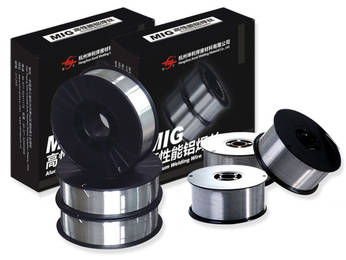
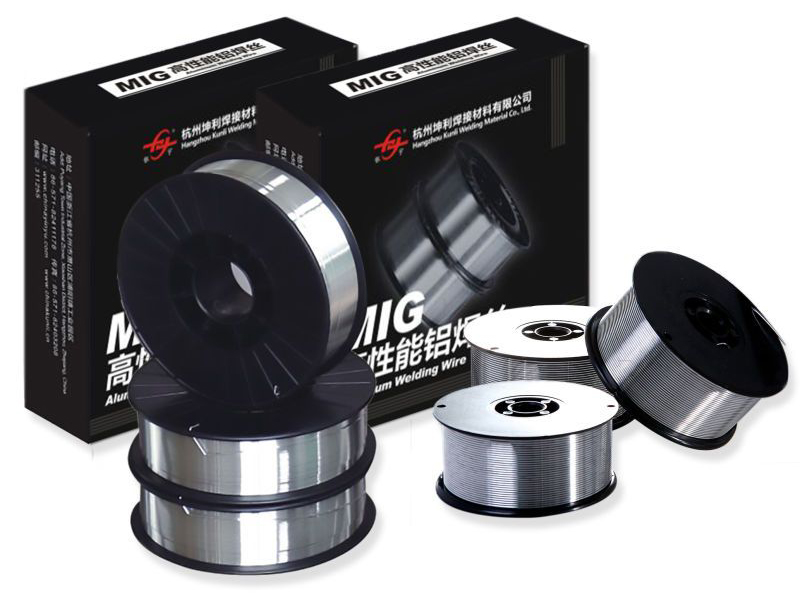
Modern manufacturing relies on specialized materials that meet specific performance requirements, and Aluminum Welding Wire has become indispensable across multiple sectors due to its unique combination of properties. From the transportation industry seeking weight reduction to marine applications requiring corrosion resistance, this filler material plays a crucial role in joining aluminum components efficiently. Understanding which industries depend on these consumables, why they choose specific alloy grades, and how to select appropriate wire for each application helps engineers, fabricators, and procurement teams make informed decisions that directly impact product quality and production efficiency.
Who Uses Aluminum Welding Wire and Why
Aluminum Welding Wire serves as a filler material in various industries, offering a combination of low weight, reliable mechanical properties, and good resistance to environmental exposure.
Industries That Commonly Deploy This Filler Material
Multiple sectors incorporate these consumables into their fabrication processes:
- Automotive: vehicle body panels, radiator cores, heat exchangers, and battery trays for electric and hybrid models — primarily selected to cut overall mass and improve energy efficiency
- Aerospace: fluid transfer tubing, brackets, non load bearing structural elements, and various fittings — favored for the favorable balance of strength against weight plus dependable performance
- Marine and shipbuilding: hull plating, deck structures, deckhouses, and other above water components — prized for natural resistance to saltwater exposure and atmospheric weathering
- Construction and architectural applications: window and door frames, facade cladding systems, handrails, balustrades, and lightweight structural connections — valued for long term durability outdoors and attractive surface finishing possibilities
- Rail and mass transportation: carriage bodies, tank cars, undercarriage components, and freight containers — chosen for toughness under repeated loading and suitability for high volume automated joining
- General manufacturing and fabrication shops: pressure containing vessels, process piping, machinery frames, and miscellaneous assemblies — appreciated for wide versatility across different joint types and service demands
- Electronics and thermal management: heatsinks, enclosure panels, cooling fins, and appliance casings — utilized for efficient heat transfer and electrical conductivity
- Renewable energy installations: photovoltaic module frames, wind turbine nacelle supports, solar tracking structures, and mounting hardware — selected for reliable outdoor service life with minimal maintenance
Core Advantages Driving Industry Adoption
Companies across these fields turn to Aluminum Welding Wire because the resulting welds deliver substantial weight savings compared with steel without compromising necessary structural capability, exhibit strong resistance to corrosion in challenging atmospheres, transfer heat and conduct electricity very effectively, remain fully recyclable at end of life, and offer an advantageous strength to weight ratio that frequently outperforms heavier traditional materials.
Common Filler Alloys: Understanding the Difference
Which filler alloys see the widest use and what sets them apart (4043 versus 5356)?
ER4043 offers good flow characteristics and is often selected for applications involving elevated temperatures. ER5356 contributes to increased tensile strength and provides a satisfactory anodized color match. Each wire is suited to different service conditions, with ER5356 commonly used in automotive and marine applications. The appropriate selection depends on the specific requirements of the welding task.
Welding Processes Used With These Consumables
What joining methods commonly employ Aluminum Welding Wire (MIG versus TIG versus robotic systems)?
MIG welding prevails in high throughput manufacturing settings thanks to its rapid deposition rates and ease of integration into automated lines whereas TIG welding remains preferred for thin sheet work and joints where final appearance carries high priority — detailed recommendations for each process appear below.
Selection Guidance for Your Application
How should I select the appropriate Aluminum Welding Wire for my specific industry or component?
Select a filler alloy that is compatible with the base metal composition. Then, consider the balance of required performance characteristics—such as surface finish, joint strength, and corrosion protection—based on the intended service environment and applied loads.
| Industry | Typical Parts | Recommended Fillers | Primary Reason |
|---|---|---|---|
| Automotive | Body panels, heat exchangers, EV battery housings | ER4043, ER5356 | Weight reduction, conductivity |
| Aerospace | Hydraulic lines, fittings, structural components | ER5356, ER2319 | Strength-to-weight, traceability |
| Marine | Hulls, decks, superstructures | ER5356, ER5183 | Saltwater corrosion resistance |
| Construction | Window frames, curtain walls, railings | ER4043, ER5356 | Weathering resistance, anodizing |
| Rail | Car bodies, tanks, underframes | ER5356 | Automated welding, structural strength |
| Manufacturing | Pressure vessels, piping, assemblies | ER4043, ER5356 | Versatility across alloy families |
| Electronics | Heat sinks, appliance components | ER4043 | Thermal conductivity, flowability |
| Renewable Energy | Solar frames, turbine mounts | ER5356 | Outdoor durability, corrosion resistance |
Industry-by-Industry Breakdown: Detailed Use Cases
Automotive Applications — Lightweighting and Electric Vehicle Components
Automakers continue to expand aluminum usage in vehicle construction to achieve better fuel economy targets and increase range in battery electric models. Outer skin panels, hoods, deck lids, and liftgates commonly employ aluminum alloys that deliver meaningful reductions in overall curb weight while still providing the crash energy absorption needed for occupant safety. Cooling components including radiators, condensers, and charge air coolers utilize aluminum's efficient heat transfer characteristics. This supports the design of thermal management systems with considerations for space and weight, while providing effective cooling performance.
The rapid growth of electric vehicle manufacturing particularly heightens the need for reliable specialized welding solutions. Battery tray and enclosure assemblies must produce fully sealed welds capable of preserving structural rigidity through repeated temperature swings and sudden impact events. Production teams generally prefer ER4043 when joining thinner body sheet metal because its good wetting and flow help prevent holes or excessive burn-through on heat-sensitive parts while ER5356 becomes the go-to option for critical load-carrying sections that demand greater weld zone strength. Fully automated robotic MIG welding stations with tightly controlled parameters deliver repeatable deep penetration and very low spatter levels even across extremely high volumes of identical components.
Aerospace Components — Quality Requirements and Traceability Standards
Fabrication for commercial military and space vehicles enforces exceptionally strict controls on every material and process far beyond standard industrial expectations. Hydraulic tubing runs secondary brackets interior support fittings and non-primary structural elements frequently use aluminum alloys selected specifically for the substantial weight advantage they offer over comparable steel parts. Filler wire lots receive comprehensive certification and full chain-of-custody documentation beginning at the raw material source and continuing through final weld acceptance and aircraft delivery.
Aerospace designs commonly call for ER5356 because of its established strength performance and reliable compatibility with the prevalent 5xxx-series alloys used in many airframe applications. ER2319 appears in more targeted situations involving 2xxx-series base materials where the copper content boosts specific mechanical attributes. Critical flight hardware joints usually rely on TIG welding to facilitate thorough visual evaluation plus nondestructive methods such as radiographic or dye penetrant inspection whereas MIG welding supports faster fabrication of less safety-critical secondary pieces. Quality assurance protocols assign unique identifiers to each filler spool allowing direct linkage between consumable batches and individual aircraft serial numbers for complete service history tracking.
Marine & Shipbuilding — Corrosion Resistance in Saltwater Environments
Aluminum finds broad application in boat and ship construction for hull plating deck surfaces and upper works because its lower density improves fuel consumption and permits higher payload or speed capabilities. Constant exposure to seawater spray and humid salt air requires filler alloys that strongly resist galvanic action and preserve weld properties under ongoing wet conditions. Welding large flat panels introduces considerable thermal distortion risks so builders employ precise weld pass sequencing balanced heat management and robust fixturing to maintain dimensional accuracy.
ER5356 is frequently selected for marine applications due to its magnesium content, which contributes to the formation of a stable oxide film, offering resistance to saltwater exposure. MIG welding handles the majority of hull structural and deck plating joints providing the deposition rates essential for efficient large-scale yard production. TIG welding is often employed for piping networks and small fittings, particularly where internal porosity could contribute to water ingress.
Many yards follow welding with mechanical surface conditioning and application of specialized marine coatings to maximize longevity in demanding offshore and coastal environments.
Construction & Architectural Metalwork — Aesthetics and Weather Durability
Architectural projects capitalize on aluminum's dual strengths of structural competence and attractive appearance in elements such as building envelopes window framing systems curtain walls and decorative railings. Exterior components often receive anodized or powder-coated finishes so the choice of filler alloy directly affects final color harmony and surface consistency. Welded connections in facade systems experience continuous thermal expansion contraction and wind-induced stresses over many years requiring joints that maintain integrity without distortion.
ER4043 is often selected for architectural fabrication where its deposition characteristics, crack resistance, and flow properties are valued, and where close color match after finishing is not a primary requirement. When uniform appearance after anodizing carries higher priority especially on 5xxx-series extrusions ER5356 typically receives preference because it produces noticeably less contrast in the weld zone. Shops generally apply MIG welding to internal structural connections concealed by cladding while reserving TIG for visible joints where bead profile smoothness and minimal cleanup contribute to the intended aesthetic effect. Joint detailing incorporates weatherproofing measures thermal breaks and controlled heat management to avoid warping thin-walled sections.
Rail & Heavy Transportation — Robotic Welding and Production Volume
Manufacturers of railcars heavy trucks and freight transport equipment build welded assemblies engineered to withstand prolonged vibration shock loads and outdoor weathering across extended operational lifetimes. Aluminum alloys appear in body shells tank bodies undercarriage frames and container structures to decrease empty weight increase carrying capacity and remain within allowable axle loading. Automated welding setups manage large numbers of repetitive joints with uniform quality and high throughput.
ER5356 supplies the mechanical properties required for primary structural roles in rail and heavy transport applications. Robotic MIG welding cells incorporating seam-finding cameras and adaptive torch control maintain accurate positioning and consistent fusion even when component fit-up shows variation. Pulse MIG modes help restrict heat input on lighter gauges while preserving stable arc behavior. To optimize production flow facilities often standardize on broadly compatible filler alloys that can join several base metal families without frequent consumable swaps between work cells.
Manufacturing & Fabrication — Pressure Vessels and Industrial Equipment
Fabrication shops handle an extensive variety of work spanning chemical process vessels compressed gas cylinders and storage tanks among other items. Construction of pressure-containing equipment adheres closely to established codes that regulate allowable materials detailed qualification of welding procedures and mandatory nondestructive inspection methods. Industrial piping systems, pump housings, and custom machinery often utilize aluminum when its resistance to corrosion or weight reduction justifies the increased material cost compared to conventional carbon steel.
The appropriate filler alloy depends primarily on the base metal series involved and the anticipated service environment. ER4043 pairs effectively with 3xxx and 6xxx-series alloys often found in extruded profiles and flat sheet stock providing reliable resistance to cracking in joints that experience significant restraint during solidification. ER5356 aligns well with 5xxx-series alloys typically selected for marine-grade plate and structural elements. Shops keep formally documented welding procedure specifications for every combination of base metal and filler carefully recording the exact parameters that deliver the mechanical properties required by code and successfully complete all required qualification testing. MIG welding commonly handles thicker components and higher throughput jobs while TIG welding provides finer control on thinner stock or joints with restricted access.
Electronics, Heat Exchangers & Appliances — Thermal Management Applications
Consumer goods and industrial equipment that depend on rapid heat dissipation routinely employ aluminum constructions because the metal efficiently conducts thermal energy while preserving mechanical stability under operating heat levels. Fabricated heat sinks refrigeration tubing and enclosure panels for appliances exploit aluminum's conductivity to create compact effective thermal solutions. Although brazing serves certain heat exchanger designs fusion welding brings distinct benefits in situations where higher joint strength and guaranteed leak resistance remain essential.
ER4043 prevails in electronics and thermal management work largely due to its silicon addition which enhances wetting and flow characteristics thereby reducing the risk of cracking in intricate or restrained joint configurations. The alloy maintains weld integrity during repeated thermal cycling typical of heat exchangers power module cooling circuits and similar systems. TIG welding suits thin materials and components where surface finish quality holds importance whereas automated MIG welding increases efficiency on repetitive production runs. Manufacturers balance considerations of thermal management with welding speed by selecting parameters that control heat-affected zone dimensions and promote adequate fusion within the joint.
Renewable Energy & Specialized Industrial Applications
Fabrication of solar module frames wind turbine subassemblies and support hardware for renewable installations favors aluminum for its strong resistance to atmospheric corrosion combined with efficient structural performance. Prolonged outdoor placement requires materials capable of withstanding ultraviolet exposure wide temperature variations and assorted environmental pollutants without noticeable deterioration. Select oil and gas projects incorporate aluminum in weight-sensitive offshore structures or corrosive process lines where stainless steel alternatives prove cost-prohibitive.
ER5356 delivers the corrosion protection needed for sustained outdoor service in renewable energy contexts. Solar frame producers depend on robotic MIG welding to sustain the high output rates required for competitive manufacturing while keeping joint quality uniform. Wind turbine components that prioritize strength relative to mass often employ 5xxx-series base alloys paired with compatible filler materials. More rigorous applications occasionally call for ER5183 or comparable specialized compositions when operating conditions necessitate attributes exceeding those of conventional commercial fillers such as enhanced behavior in cryogenic temperatures higher thermal service or particular aggressive chemical exposures.
Common Filler Alloys and Selection Between Them
ER4043 Characteristics and Application Guidance
This silicon-alloyed filler with about five percent silicon exhibits exceptional fluidity that greatly reduces the likelihood of hot cracking in joints under mechanical restraint or geometric constraint. It demonstrates compatibility with 2xxx 3xxx 4xxx and 6xxx-series base metals providing broad applicability across diverse product types. The silicon promotes a bright clean weld bead appearance yet results in a distinctly gray shade following anodizing which influences decisions in decorative or architectural contexts.
ER4043 is often selected for elevated-temperature applications as its silicon content contributes to strength retention under thermal exposure. Fabrication of heat exchangers automotive parts exposed to engine bay heat and assorted industrial equipment capitalizes on this advantage. The alloy readily fills complicated joint profiles minimizing porosity concerns in automated welding operations. Tensile properties however fall below those of ER5356 restricting its use in heavily loaded structural connections.
ER5356 Characteristics and Application Guidance
Containing magnesium at approximately five percent this filler achieves distinctly higher tensile strength improved ductility and markedly better corrosion resistance relative to ER4043. It is typically paired with 5xxx-series base metals, producing weld zones that can achieve strength comparable to the surrounding parent material. Marine structures load-bearing assemblies and pressure equipment often call for ER5356 when joint strength and long-term environmental resistance represent the governing criteria.
Following anodizing ER5356 yields color tones that align more closely with 5xxx-series base metals than silicon-based fillers making it the favored option for applications where visual uniformity matters. The alloy provides resistance to saltwater and many industrial atmospheres, supporting its application in shipbuilding and coastal fabrication projects. Welders exercise precise control over heat input since magnesium alloys exhibit increased susceptibility to porosity caused by hydrogen pickup. Maintaining high-purity shielding gas and thorough surface cleaning prove essential to consistently produce defect-free welds.
Other Specialty Alloys
ER2319 addresses the needs of aerospace and high-strength joints where compatibility with copper-bearing 2xxx-series base metals is necessary. The alloy can deliver weld strength approaching that of the heat-treated base material particularly when appropriate post-weld heat treatment follows. Its application remains largely limited to aerospace due to elevated cost and the requirement for specialized qualification protocols.
ER4047 contains an increased silicon content, which contributes to improved flow characteristics suited to wide-gap fillet welds and certain operations involving brazing techniques. Automotive heat exchanger production sometimes selects this filler when outstanding gap-bridging and wetting performance become critical. ER5183 ER5554 and further specialized variants satisfy niche demands in cryogenic conditions higher-temperature service or unique corrosive settings beyond the scope of standard commercial offerings.
Decision Matrix for Filler Selection
| Base Alloy Family | Recommended Filler | Typical Industries | Selection Rationale |
|---|---|---|---|
| 1xxx (Pure Al) | ER1100, ER4043 | Chemical equipment, electrical | Matches base composition, minimal galvanic issues |
| 2xxx (Al–Cu) | ER2319, ER4043 | Aerospace, specialized industrial | Strength requirements, copper compatibility |
| 3xxx (Al–Mn) | ER4043, ER5356 | Architectural, general fabrication | Crack resistance, versatility |
| 4xxx (Al–Si) | ER4043, ER4047 | Automotive, heat exchangers | Silicon compatibility, improved fluidity |
| 5xxx (Al–Mg) | ER5356, ER5183 | Marine, structural, pressure vessels | Strength, corrosion resistance, color match |
| 6xxx (Al–Mg–Si) | ER4043, ER5356 | Extrusions, architectural, automotive | Crack resistance (4043) or higher strength (5356) |
| 7xxx (Al–Zn) | ER5356 (limited use) | Specialized applications only | Generally not fusion welded due to cracking susceptibility |
Welding Processes and Practical Considerations
MIG/GMAW Wire-Feed Applications
Gas metal arc welding holds the top spot in factory floors where speed and machine compatibility count most. Aluminum's fast heat spread and lower melt point mean you can't just swap it into a steel machine; the setup has to change. Spool guns or push-pull feeders solve the problem of the wire jamming or "bird-nesting" in ordinary drive rolls, keeping the feed smooth all the way to the puddle.
Gas choice matters: pure argon covers everyday jobs, but adding helium cranks up the heat for thicker stock. Flow stays around twenty to thirty cubic feet per hour—just enough to keep air out without wasting gas. Welders tweak voltage, wire speed, and hand speed to get the right penetration without leaving a mess of spatter or tiny holes.
Robotic systems with vision sensing and adaptive controls can compensate for joint variations, supporting consistent weld quality throughout production. Automotive and appliance assembly lines rapidly produce components, which typically require minimal post-weld cleaning. Pulse MIG cuts heat on thin material, stops burn-through, and keeps the arc steady.
TIG/GTAW Precision Applications
Gas tungsten arc welding gives you fine control for thin sheet, root passes, and anything where looks matter. It takes more skill than MIG, but the beads come out clean and smooth with almost no spatter. Aerospace shops, architectural fabricators, and repair crews reach for TIG when appearance and quality beat out raw speed.
Alternating current with high‑frequency start is often employed for aluminum welding. The balance control allows adjustment to influence oxide cleaning action or weld penetration. Select filler rod diameter according to base metal thickness. Torch angle, tungsten tip shape, and cup size all shape the arc and how well the gas shields it.
Manual TIG means steady hands and timed filler dips, but mechanized versions take over travel and wire feed for repeat work. Orbital welding systems rotate pipes or tubes past a stationary torch, producing consistent circular welds.
Joint Design and Thermal Management
Aluminum exhibits a higher coefficient of thermal expansion compared to steel. Therefore, fixture design, weld sequence, and clamping strategy require planning to control potential distortion. Backstep, skip, and mirror-image welding keep stresses even. Groove angles open wider than for steel to let gas in and fusion complete.
Preheating may not be required for thin sections, while thicker plate often benefits from moderate preheat to help avoid defects such as cracking or porosity. Keep interpass temps down to protect grain structure and strength. Let it cool naturally; quick quenching can cause shock cracks.
Surface prep is non-negotiable. Oxide grows fast, so brush or etch right before you strike an arc. Use a stainless brush kept only for aluminum to avoid iron smearing. Solvent wipe removes grease and oils that cause porosity.
Automation Trends in Modern Manufacturing
The push for steady quality and lower labor bills keeps driving automation. Robotic cells now handle loading, clamping, welding, and checking in one smooth line. Collaborative robots bring those benefits to smaller shops with easier programming and no full safety cage needed.
Sensors watch the arc live and tweak settings to match whatever the part throws at them. Seam trackers follow the joint without human help, even if the fixture isn't perfect. Every weld gets logged with its exact parameters, making tracing problems or improving processes straightforward.
Corrosion Behavior, Anodizing and Post-Weld Finishing
Filler Selection Impact on Surface Treatment
Anodizing builds a tough, good-looking oxide layer, but the filler alloy decides what color it ends up. ER4043 turns gray or charcoal on 5xxx and 6xxx bases, while ER5356 stays close to the base metal tone. Architectural jobs often call for the matching filler so the whole piece looks uniform.
Service temperature also steers the choice. ER4043 maintains performance in elevated temperature conditions, offering resistance where magnesium-based alloys may be susceptible to cracking. Marine work at room temperature almost always picks ER5356 for its saltwater toughness.
Surface Preparation and Protective Coatings
Finishing after welding runs from quick wipe-downs to full coating systems depending on where it'll live. Mechanical blending smooths the weld and blends it into the base. Etch or alkaline clean preps the surface for anodize or paint.
Coatings add years in tough atmospheres. Primers, paints, and powder layers block moisture; sealants plug pores that could hold dirt. Marine parts get heavy-duty multi-layer systems built to shrug off salt and rubbing. Regular checks and touch-ups keep them working the whole service life.
Quality Assurance, Testing and Industry Standards
Non-Destructive Examination Methods
Visual inspection acts as the starting point for quality checks revealing surface imperfections dimensional compliance and general build quality. Experienced inspectors look closely at bead profile spatter undercut cracks and any other visible flaws that might weaken the weld or affect appearance. Liquid penetrant testing finds surface-connected discontinuities that escape normal eyesight by applying fluorescent or visible dye that soaks into openings then using developer to draw out distinct indications for easy identification.
Radiographic testing employing X-ray or computed tomography uncovers hidden internal problems such as porosity incomplete fusion or trapped inclusions especially important in high-reliability work. Aerospace parts and pressure vessels often mandate radiography to satisfy code demands. Ultrasonic testing offers a non-radiographic volumetric alternative particularly useful when radiation safety rules or joint configuration make sound-based methods more convenient.
Mechanical testing confirms weld performance in strength ductility and hardness. Tensile specimens determine ultimate tensile strength and yield point while bend tests verify ductility by checking for absence of cracks under strain. Hardness traverses map properties across the weld and heat-affected zones. Qualification for production requires mechanical testing on sample welds before approving large-scale manufacturing.
Relevant Standards and Specifications
AWS specifications set the rules for filler metal chemistry mechanical properties and classification. The classifications ER4043 and ER5356 establish composition parameters and property standards. Suppliers typically accompany these materials with mill test reports that document the specific chemistry and test outcomes for each lot.
ASME codes regulate pressure vessel and piping construction identifying acceptable filler metals for specific base alloys and service conditions while Section IX describes qualification procedures that verify parameters produce code-compliant results. ISO standards offer equivalent international frameworks supporting uniform quality practices in global manufacturing and trade.
Industry-specific additions build on general standards. Aerospace AMS and military specifications apply stricter limits on chemistry cleanliness and full traceability. Automotive guidelines concentrate on consistent high-volume production and statistical quality monitoring.
Traceability and Documentation Systems
Lot traceability connects individual filler batches directly to finished products allowing precise follow-up or recall if problems surface. Spool labels carry manufacturer alloy type lot number and certification details. Producers keep detailed records of chemical composition mechanical testing and production dates for every batch.
Welding procedure specifications WPS record qualified parameters for particular applications while procedure qualification records PQR show through testing that those parameters achieve required properties. Welder performance qualification records certify operator skill on specified processes materials and joint configurations. Quality management systems organize and protect these documents to meet regulatory obligations and customer expectations.
Procurement Strategies and Supplier Evaluation
Supplier Assessment Criteria
Certifications and test reports confirm that chemistry and properties match specifications. Reliable suppliers furnish comprehensive mill test reports or certificates of conformance for each shipment. Tight wire diameter tolerances promote smooth feeding with closer control minimizing feed interruptions and equipment wear.
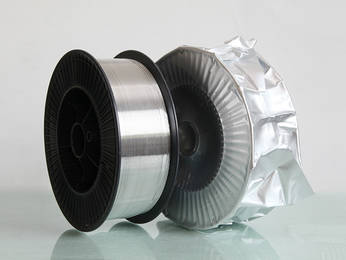
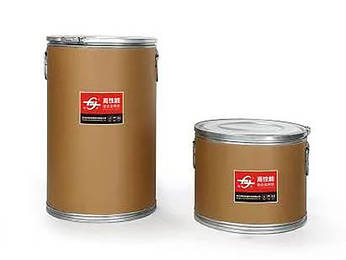
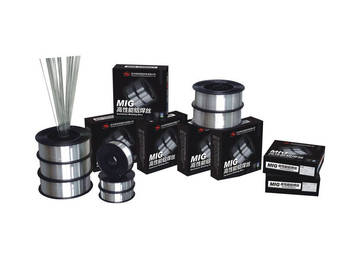
Packaging quality safeguards wire condition during shipping and storage. Careful spooling prevents twists kinks or crossovers that disrupt feeding. Moisture-resistant barriers protect against humidity absorption that causes weld porosity. Standardized spool sizes ease machine changeovers and inventory handling.
Technical support distinguishes strong suppliers. Practical application advice troubleshooting guidance and process improvement suggestions deliver ongoing value. Quick responsive service limits production interruptions when difficulties arise.
Order Quantities and Lead Time Planning
Minimum order quantities differ by supplier and alloy type. Common grades like ER4043 and ER5356 usually permit smaller orders than specialized or custom formulations. High-volume operations frequently establish blanket purchase agreements with scheduled deliveries to control inventory costs while avoiding supply gaps.
Lead times depend on stock availability and production schedules. For large-scale structures such as building frames or heavy equipment, ER5356 is often selected, providing strength and corrosion resistance for these applications. International sourcing adds transit duration and customs processing. Aligning procurement with production planning prevents emergency expediting and maintains smooth operations.
Total cost assessment looks beyond unit price. Freight charges packaging fees and payment terms influence final delivered expense. Dependable quality and strong technical support justify higher pricing when they reduce scrap rework or lost production time. Long-term supplier relationships often secure better pricing priority shipping during tight supply periods and preferred service levels.
Real-World Applications: Brief Case Examples
Automotive Heat Exchanger Assembly
A producer of transmission oil coolers switched from mechanical fastening to robotic MIG welding with ER4043 filler cutting assembly time from ninety seconds to thirty-five seconds per unit. The silicon-containing alloy flowed smoothly into thin-wall tube-to-header joints eliminating burn-through difficulties experienced during early trials with ER5356. Subsequent pressure leak testing consistently achieved defect rates below point one percent meeting demanding automotive quality requirements while markedly increasing daily throughput.
Marine Hull Repair Operation
A yard focused on aluminum vessel maintenance established repair procedures using ER5356 that produced welds stronger than parent plate specifications. Principal difficulties involved controlling distortion across large repaired panels and ensuring thorough oxide removal before welding. The facility implemented controlled preheat interpass temperature monitoring and balanced welding sequences to minimize crack risk in thicker sections. Ultrasonic inspection confirmed sound internal structure allowing vessels to resume service with complete confidence in the repair quality.
Selection Checklist: Quick Reference for Engineers and Buyers
When evaluating requirements, consider these factors systematically:
- Service conditions: expected temperature highs and lows type and severity of corrosion exposure mechanical forces involved aesthetic or finish standards
- Base metal series: determine if the parent material belongs to the 1xxx 2xxx 3xxx 4xxx 5xxx or 6xxx family to select a metallurgically compatible filler
- Filler alloy choice: ER4043 is suitable when good flow characteristics and performance at elevated temperatures are prioritized. ER5356 is considered when increased weld strength and corrosion resistance in marine environments are required. A specialized alloy may be selected for applications with distinct service conditions
- Welding method: Opt for MIG when production speed and volume matter TIG when working with thin material precise control or critical appearance is required automated systems when uniformity and repeatability are essential
- After-welding steps: Assess anodizing color uniformity compatibility with protective coatings and any precise dimensional or flatness tolerances
- Quality checks: Plan for visual examination non-destructive inspection mechanical testing of properties and required certification paperwork
- Supplier review: Verify material certifications technical support availability consistent delivery performance and overall value including total cost of ownership
Selecting appropriate Aluminum Welding Wire ultimately depends on matching material properties to specific application demands while balancing performance requirements against practical constraints. Engineers and procurement specialists who understand the distinctions between ER4043's flowability advantages and ER5356's structural capabilities can make informed decisions that enhance product quality and operational efficiency. Whether fabricating electric vehicle components, assembling marine structures, or building architectural installations, the foundation of successful aluminum welding rests on careful filler selection, proper process control, and attention to environmental service conditions. By systematically evaluating base metal compatibility, establishing qualified procedures, and partnering with reliable suppliers who provide comprehensive technical support, manufacturers position themselves to achieve consistent weld quality while meeting industry standards and customer expectations across diverse applications.
Frequently Asked Questions
Can I use the same filler for all Aluminum Alloys?
No the base alloy family governs the correct filler choice. ER4043 suits a wide variety of alloys yet ER5356 typically performs better with 5xxx-series materials. Proper filler-to-base matching avoids galvanic corrosion risks and ensures the weld delivers the mechanical properties required for the job.
Why does my anodized weld look different from the surrounding material?
Silicon-containing fillers like ER4043 generally produce gray or charcoal tones after anodizing while ER5356 stays much closer to the shade of 5xxx-series base metals. Silicon behaves differently during the electrochemical anodizing process, resulting in color variations that are relevant to architectural or decorative applications where color consistency is a consideration.
How do I prevent porosity in Aluminum Welds?
Keep surfaces completely clean and free of oxide and contaminants maintain a steady flow of shielding gas throughout the welding operation cubic feet per hour store filler wire and base stock to prevent moisture pickup remove the oxide layer just before welding with a stainless steel brush used only for aluminum and confirm shielding gas meets welding-grade purity standards.
What causes cracking in Aluminum Welds?
Excessive joint restraint mismatched filler selection contamination or overly rapid cooling can trigger cracking. Appropriate joint design with correct groove angles, suitable filler-to-base matching, controlled interpass temperature, and gradual cooling contributes to preventing cracking issues. Certain high-strength alloys especially in the 7xxx series do not lend themselves well to conventional fusion welding.
Do I need special equipment for Aluminum Welding?
Yes spool guns or push-pull systems manage the soft aluminum wire more reliably than standard steel wire feeders. TIG welding aluminum requires AC capability while MIG equipment needs flow meters suited to argon or argon-helium blends. Drive roll pressure must be adjusted carefully to avoid deforming or flattening the wire.
How thick can Aluminum be Welded without preheat?
Thinner sections often weld without preheating, while thicker material may benefit from preheating to help reduce the risk of cracking. Alloy composition influences preheat needs with some grades requiring temperature control even on lighter gauges. Always follow qualified welding procedures for critical applications.
What shielding gas should I use?
For large-scale structures such as building frames or heavy equipment, ER5356 is often selected, providing strength and corrosion resistance for these applications. Helium additions boost heat input for heavier material but increase expense significantly. Certain gas mixtures can offer a balance of penetration and cost considerations for welding medium-thickness materials.
How long does aluminum filler wire remain usable?
When stored in its original sealed packaging with desiccant aluminum filler wire remains suitable indefinitely. Exposure to moisture promotes oxide formation and hydrogen absorption, which can result in porosity. After opening, containers should be resealed with desiccant and maintained in dry, controlled conditions. After opening reseal containers with desiccant and keep in dry controlled conditions. Discard any wire that shows visible corrosion or contamination.
Which wire diameter should I choose for my application?
Select diameter based on base thickness and welding process. TIG welding typically utilizes thicker filler wires, while MIG welding employs thinner diameters. Thinner wire works well for sheet metal and high-speed automated welding thicker wire supports higher deposition rates on heavier sections.
Can Aluminum Welds be repaired if defects occur?
Yes defective welds can be repaired by removing the flawed area and rewelding following proper steps. Grind out the defect completely prepare the surface exactly as for the original weld and confirm complete removal through visual or penetrant inspection before rewelding. Repeated repairs in the same heat-affected zone may influence base material properties.
How do I store aluminum filler wire properly?
Store spools in their original moisture-resistant packaging with desiccant, maintaining a controlled storage environment. Protect from direct sunlight temperature extremes and high humidity that accelerate oxidation. Follow first-in-first-out rotation inspect wire condition before use and never place visibly corroded or contaminated wire into production.
What certifications should I request from suppliers?
Request mill test reports or certificates of conformance that document chemical composition and mechanical properties for each lot. Aerospace applications often require additional certifications demonstrating full traceability to raw material sources. Confirm the supplier holds quality system certification such as ISO 9001 or relevant industry standards and ask for sample test reports showing compliance with AWS specifications.
NEXT:What is a good aluminum welding wire?