English
  Deutsch


What Should Manufacturers Know About Aluminum Filler Metal Choices?
A purchasing manager at a metal fabrication shop once described the moment a filler mismatch shows up: not during welding, but three weeks later when a customer calls about hairline cracks along a seam. By then the batch is already shipped, the invoice is paid, and tracing the problem back to a spool of wire takes longer than it should. That kind of delayed issue happens often enough that it is worth taking a closer look at how filler metal choices are made from the beginning.
Here's a closer look at how manufacturers can compare aluminum filler options without relying on habit or a supplier's product sheet alone.
How the Filler Affects the Weld Itself
Filler metal doesn't just help two pieces of aluminum stick together — it becomes a permanent section of the joint, sitting right alongside the base metal once the weld cools. That means whatever characteristics the filler carries stay with the part through inspection, use, and whatever stress it faces afterward.
Manufacturers usually think about filler selection at two points: when a new product line is being planned, and when an existing process needs adjusting because something isn't working smoothly. In both cases, a few recurring questions shape the decision:
- What aluminum alloy is being joined?
- What is the finished part supposed to do?
- What welding method is already running on the floor?
- Where will the part end up — indoors, outdoors, near moisture?
- Does the weld area need to look clean, or is strength the only concern?
Working through these questions before ordering wire keeps the decision tied to the actual job instead of a general assumption about what "usually works."
Why Filler Categories Deserve a Closer Look
Aluminum filler materials fall into different categories, each carrying its own mix of characteristics. A common misstep is ordering a wire simply because it shows up often in supplier catalogs or because a nearby shop uses it. What works for one production line doesn't automatically transfer to another — a wire suited for thin sheet metal on an HVAC panel line may behave very differently on thicker structural aluminum.
Understanding these categories, even at a basic level, helps a purchasing team ask sharper questions and compare wire options with more than a product name to go on.
What to Check Before Narrowing Down Choices
Manufacturers reviewing filler metal usually walk through a handful of practical checkpoints before settling on an option.
| Area to Review | Question Worth Asking |
|---|---|
| Base material | Does the filler suit the aluminum alloy being joined? |
| Production method | Does it work with the welding process already in place? |
| Product purpose | Is it appropriate for how the part will be used? |
| Manufacturing conditions | Can it keep pace with current workflow? |
| Supplier communication | Can the supplier speak to how it performs in similar jobs? |
This kind of comparison keeps the decision anchored to the production goal rather than a brand name or a familiar spool sitting in the supply closet.
Why Compatibility Comes Before Convenience
Checking compatibility between the filler and base metal is a key step to consider before focusing on factors like price or availability. Aluminum products vary — sheet stock, extrusions, castings all behave differently under heat — and the filler needs to support that connection rather than introduce a weak point.
Things manufacturers commonly weigh:
- Whether the filler suits the specific aluminum being welded
- Whether the welding method matches the wire's form and feed characteristics
- Whether the material can keep up with daily production needs
When purchasing teams understand compatibility at this level, conversations with engineers and suppliers tend to move faster, since everyone is working from the same starting point.
What to Know Before Choosing This Category
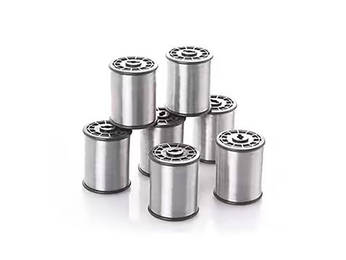
Silicon Aluminum Filler Metal shows up often enough in aluminum joining work that it's worth understanding on its own terms, separate from other filler types. Like any category, whether it fits a project depends on the relationship between the filler and the materials being joined — not on the category name by itself.
Manufacturers evaluating this type of filler tend to look at:
- The specific aluminum alloys involved
- The environment where welding takes place
- The welding process required for the job
- What condition the part needs to be in once fabrication wraps up
Reviewing these points side by side, rather than picking based on one standout feature, tends to produce a steadier fit between material and process.
Why Knowing the Application Matters Before Ordering
A decision gets easier once the intended use of the part is clear. A bracket built for a piece of factory equipment faces different demands than a decorative panel meant for a storefront. A part destined for outdoor exposure carries different considerations than one that stays indoors under stable conditions.
Before placing an order, it helps to have on hand:
- The aluminum alloy involved in the build
- The welding method the factory already runs
- The environment the finished product will live in
- What the manufacturing process looks like from start to finish
Having these details ready means a supplier can respond with something useful instead of a generic recommendation pulled from a catalog page.
Why MIG Gets Used So Often in Aluminum Work
MIG welding fits well into manufacturing because it keeps wire feeding continuously, which supports steady, repeatable production instead of constant starts and stops. The filler wire is doing real work in this setup — it has to move cleanly through the equipment while forming a solid connection with the aluminum.
Manufacturers running MIG lines typically pay attention to:
- How consistently the wire feeds through the gun
- How well it matches the aluminum being welded
- What the daily production schedule can absorb
- What conditions the wire needs to perform under on the floor
The point isn't finding a wire that technically works — it's finding one that fits the entire setup without creating extra steps.
How to Evaluate MIG Wire Options in Practice
MIG wire selection asks manufacturers to weigh material characteristics and shop-floor needs together, not separately.
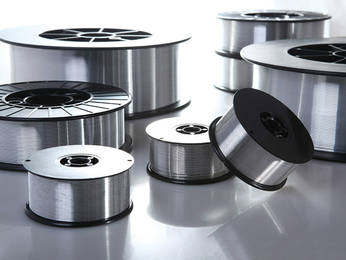
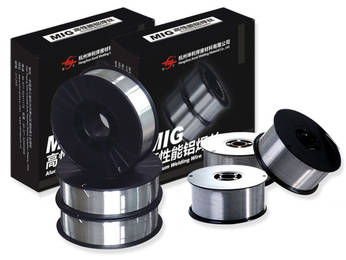
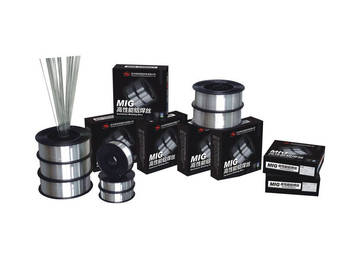
5183 Aluminium Mig Wire Welding, for example, falls into a category of wire built for aluminum joining through continuous-feed processes. Whether it fits a given project depends on the specific alloy combination and what the production line actually requires.
A workable way to check MIG wire fit before placing an order:
- 1Confirm the exact aluminum alloy in production.
- 2Review the welding process requirements already in place.
- 3Think through the application the part is built for.
- 4Compare a short list of filler categories against that information.
- 5Bring specifics to a supplier instead of asking for a general suggestion.
That order of operations keeps the decision grounded in the shop's real conditions rather than guesswork.
Turning Selection Into a Structured Step, Not a Guess
Filler metal selection gets easier once manufacturers stop comparing by product name and start comparing by fit. A workable process might look like this:
Review the base aluminum material. Understanding what's being joined narrows the filler categories worth considering.
Define the product's application. How the part gets used shapes which filler characteristics actually matter.
Check the welding process. Different methods call for different wire forms and handling.
Evaluate production conditions. Workflow, equipment setup, and finishing steps all factor into the final decision.
Confirm details with suppliers. A short conversation upfront prevents miscommunication down the line.
Working through these steps moves the decision from a simple product comparison toward something closer to a full production strategy.
Why the Whole Manufacturing Environment Matters
Filler metal doesn't operate in isolation — it interacts with equipment, operators, production schedules, and the design of the part itself. A wire that looks like a strong fit on paper can fall short if it doesn't match the realities of the factory floor.
Manufacturers commonly factor in:
- The welding equipment currently in use
- How much volume the line needs to produce
- Design features specific to the product
- Quality expectations from the customer or end use
- Where production plans might be headed in coming years
Looking at the full picture, rather than the wire alone, supports decisions that hold up over time instead of needing revisiting every few months.
What Makes Wire Selection More Complicated Than It Looks
Aluminum welding wire comes in several categories because aluminum products themselves vary so widely — different alloys, different shapes, different production methods across industries. Those differences directly shape which wire category makes sense for a given job.
Buyers evaluating wire options tend to weigh:
- Compatibility with the specific aluminum material
- What the welding process calls for
- How the finished product will be used
- What keeps production running smoothly day to day
The goal isn't landing on one wire that works everywhere — it's identifying the option that fits a specific manufacturing purpose.
Getting a Handle on Different Wire Categories
Understanding wire categories at a working level helps purchasing teams talk with technical departments without losing time on back-and-forth clarification.
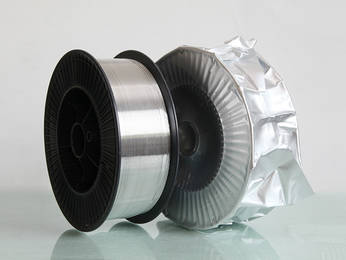
4943 Aluminum Welding Wire, for instance, represents one category manufacturers may look at when comparing options for joining work. Useful questions to bring into that comparison:
- Which aluminum materials pair well with this wire?
- Does it suit the production method already running?
- Is it appropriate for the environment the product will face?
- What information does the supplier need before confirming an order?
Working through these questions builds a fuller picture before committing to a purchase.
Why Priorities Shift From One Industry to Another
Aluminum welding shows up across a wide range of manufacturing, and each field tends to prioritize different things. A transportation manufacturer might focus on how materials coordinate across a long production run. An equipment producer might care more about keeping the welding process stable shift after shift. A fabrication shop juggling custom orders might need flexibility above everything else.
Aluminum filler materials tend to come up across areas like:
- Industrial equipment manufacturing
- Transportation components
- Structural fabrication work
- Marine-related products
- General fabrication projects
Each of these fields brings its own set of pressures, and recognizing which one applies to a given project makes filler comparison a lot more grounded.
How the Product's Environment Feeds Into the Decision
Where a part ends up matters just as much as what it's made of. Manufacturers weighing filler options often think through:
- Whether the part stays indoors or faces outdoor exposure
- Whether the weld's appearance matters to the end customer
- Whether the part will face shifting temperatures or moisture
- Whether the process involves repeated welding cycles on the same line
These details give purchasing decisions somewhere to anchor, which is part of why engineering, production, and supplier input often come together before a filler choice gets finalized.
What's Worth Sharing With a Supplier Upfront
Supplier conversations tend to go better when there's real information behind them. Details worth having ready include:
- The specific aluminum alloy being welded
- The production method in use
- What the finished product needs to do
- The manufacturing process from start to finish
- Any particular requirements tied to the finished part
Sharing this upfront lets a supplier respond to the actual situation instead of offering a general product pitch.
Why Supplier Input Carries Real Value
Filler metal decisions often involve more than one department — engineering, production, purchasing — all weighing in from different angles. A supplier who understands the application can help sort through options faster than a spec sheet alone ever could.
Useful supplier support tends to include:
- Clear explanations of how a product performs in practice
- Guidance tailored to the specific application
- Help comparing filler options side by side
- Ongoing communication throughout the selection process
That kind of back-and-forth tends to smooth out a purchasing process that otherwise runs on guesswork.
Questions Worth Answering Before Confirming a Purchase
A handful of questions, answered upfront, save a lot of time later:
- What aluminum material will be joined?
- Which welding method is in use?
- What kind of product is being manufactured?
- Where will the finished product be used?
- What production conditions need consideration?
- What does the supplier need to know?
Working through this list before placing an order helps surface details that might otherwise get missed.
How Preparation Cuts Down on Selection Headaches
A lot of filler metal problems trace back to missing information rather than a flaw in the material itself. When a project's requirements are clearly laid out, comparing filler options becomes a much more direct exercise.
A prepared buyer tends to:
- Communicate requirements without back-and-forth confusion
- Compare materials against real criteria instead of guesswork
- Avoid unnecessary changes mid-production
- Work with suppliers more smoothly overall
Selection gets easier once decisions are based on what's actually happening on the shop floor, not on assumptions carried over from a previous project.
Aluminum filler metal decisions tie directly into product design, manufacturing methods, and how a part gets used once it leaves the shop. Buyers who understand these connections tend to make steadier choices before a purchase order ever goes out.
Whether the conversation centers on Silicon Aluminum Filler Metal, 4943 Aluminum Welding Wire, or 5183 Aluminium Mig Wire Welding, the through-line stays the same: match the option to the specific production need in front of you, not to a general reputation the wire might carry.
Anyone working through an aluminum welding project can start by writing down the alloy, the welding process, and the environment the part will face — then bring that list into a conversation with a supplier who can speak to how a given filler performs under those exact conditions.
NEXT:How Aluminum Welding Solutions Meet Fabrication Challenges