English
  Deutsch


How Aluminum Welding Solutions Meet Fabrication Challenges
Aluminum welding projects often face different production challenges. Some manufacturers need better material compatibility, while others focus on stable processing and finished product requirements. Choosing a suitable welding solution is not only about selecting a wire or filler material. It requires understanding how materials, processes, and applications work together. A clear approach helps manufacturers handle different fabrication conditions with greater confidence.
Understanding the Role of Aluminum Welding Materials in Fabrication Challenges
Why Do Aluminum Welding Projects Require Different Material Solutions?
Aluminum is used in many fabrication fields because it supports lightweight designs and flexible manufacturing needs. However, different products require different welding considerations.
A component used in industrial equipment may have different requirements compared with a customized aluminum structure. The welding material needs to match the purpose of the product and the conditions of production.
Manufacturers often consider several factors before selecting a welding solution:
- Compatibility with the aluminum alloy
- Stability during the welding process
- Appearance requirements after welding
- Production environment
- Final application needs
The welding wire and filler metal are important parts of the overall fabrication process. Their selection can influence how smoothly production develops and how well the finished product meets expectations.
How Do Welding Materials Help Solve Fabrication Difficulties?
Fabrication challenges often appear when manufacturers work with different aluminum materials, production methods, or product designs.
A suitable welding material can help manufacturers create better coordination between the welding process and the product requirements.
Common challenges include:
- Matching different aluminum materials
- Maintaining stable welding operations
- Supporting different manufacturing workflows
- Managing product appearance expectations
Instead of using one solution for every project, manufacturers often evaluate different filler materials and welding wires based on the specific application.
Three material categories are often considered in aluminum welding discussions:
| Material Category | Main Application Focus |
|---|---|
| Silicon Aluminum Filler Metal | Filler material selection for different aluminum joining needs |
| 4943 Aluminum Welding Wire | Welding wire choice for fabrication applications |
| 5183 Aluminium Mig Wire Welding | MIG welding applications requiring suitable wire matching |
Understanding the role of each material category allows manufacturers to make more suitable choices for different fabrication situations.
How Does Silicon Aluminum Filler Metal Support Flexible Welding Applications?
What Role Does Silicon-Aluminum Filler Material Play in Aluminum Welding?
Silicon Aluminum Filler Metal is a filler material category used in aluminum welding applications. It is considered when manufacturers need a material option that fits specific joining requirements.
Filler materials are not only used to connect aluminum parts. They also need to work together with the base material and production process.
Manufacturers usually evaluate filler materials based on:
- Material compatibility
- Welding process requirements
- Product application
- Manufacturing conditions
The right filler selection helps create better coordination between the welding operation and the final product.
Why Is Filler Material Selection Important for Different Manufacturing Environments?
Different fabrication environments create different welding conditions. A workshop producing customized parts may have different needs from a factory producing repeated components.
Manufacturers often look for aluminum filler metal solutions that can support their production goals while fitting existing processes.
Important considerations include:
- The type of aluminum being joined
- The design of the welded area
- The production workflow
- The expected condition of the finished product
A flexible filler material approach allows companies to respond to changing fabrication requirements.
How Do Silicon-Aluminum Filler Metal Applications Connect with Production Needs?
Silicon-aluminum filler metal applications are often considered when manufacturers need to balance material compatibility and welding process requirements.
The selection process usually involves reviewing the complete application rather than focusing on a single material feature.
For example, manufacturers may consider:
- The aluminum materials involved in production.
- The welding method used in the facility.
- The environment where the product will operate.
- The expectations for the final component.
This approach helps companies select materials based on actual fabrication challenges.
Addressing Welding Challenges with 4943 Aluminum Welding Wire
What Makes Welding Wire Selection Important in Fabrication?
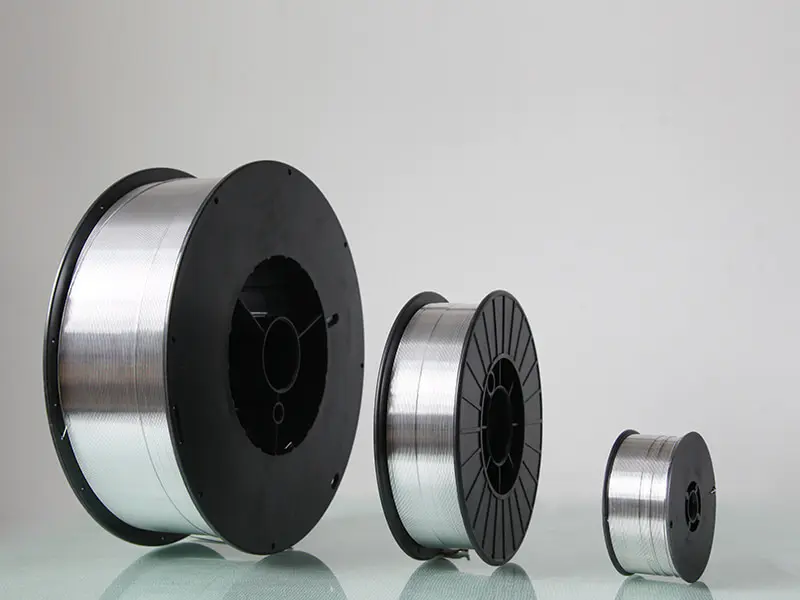
Welding wire selection directly affects how manufacturers manage the welding process. A suitable wire helps create better coordination between the equipment, material, and production requirements.
Different fabrication projects may involve different challenges.
Manufacturers may need to consider:
- Wire compatibility with aluminum materials
- Production consistency
- Application requirements
- Manufacturing flexibility
The goal is to select a wire that fits the complete process rather than focusing only on the material name.
How Can 4943 Aluminum Welding Wire Support Fabrication Requirements?
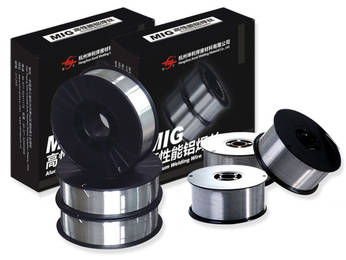
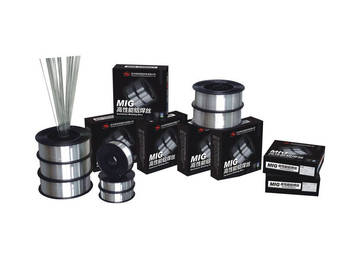
4943 Aluminum Welding Wire is one aluminum welding wire option considered for fabrication applications.
When manufacturers evaluate this type of welding wire, they often focus on how it fits their production conditions.
Common evaluation areas include:
- Alloy matching requirements
- Welding process compatibility
- Manufacturing environment needs
The choice of welding wire depends on the relationship between the wire and the specific project.
For aluminum welding wire for fabrication, manufacturers usually need to understand both the material and the application before making a decision.
Why Does Alloy Matching Matter During Welding Wire Selection?
Aluminum products can involve different material combinations. A welding wire that matches one application may not fit another.
Alloy matching helps manufacturers create a more organized welding process.
Before choosing a welding wire, companies can review:
- What aluminum material is being joined
- What type of product is being produced
- What conditions the product will face
- What production method is being used
This information supports better material decisions and reduces uncertainty during fabrication.
Why Does Mig Welding Require Suitable Wire Selection?
MIG welding is widely considered in aluminum fabrication because it supports efficient production processes and different manufacturing situations. However, the welding method alone does not determine the final result.
The filler wire needs to work together with the aluminum material, equipment, and production requirements.
Manufacturers usually review several factors when selecting MIG welding materials:
- Compatibility with the aluminum alloy
- Suitability for the production process
- Requirements of the finished product
- Working conditions during fabrication
A suitable wire choice helps create better coordination between the welding operation and the overall manufacturing process.
What Applications Are Suitable for 5183 Aluminium Mig Wire Welding?
5183 Aluminium Mig Wire Welding is a MIG welding wire category considered for aluminum fabrication applications that require appropriate material matching.
Manufacturers often evaluate this type of wire according to the project environment and product requirements.
Common application considerations include:
- Industrial manufacturing processes
- Aluminum structures and components
- Products requiring stable joining processes
- Fabrication projects with specific material needs
The selection process depends on how the wire works with the complete welding system.
Rather than selecting a MIG wire based only on general descriptions, manufacturers usually review the relationship between the material, process, and final application.
How Does Mig Welding Material Selection Affect Production Flexibility?
Production environments are constantly changing. Manufacturers may work with different product designs, customer requirements, and fabrication conditions.
The selection of aluminum MIG welding materials can influence how easily production teams adjust to these changes.
A thoughtful selection process helps manufacturers:
- Reduce unnecessary material changes
- Improve communication between teams
- Organize production planning
- Support different fabrication requirements
Material selection is therefore connected with both welding performance and manufacturing management.
Matching Aluminum Welding Solutions with Different Industry Requirements
How Do Manufacturers Connect Welding Materials with Application Needs?
Different industries use aluminum welding solutions for different purposes. The same material choice may not apply across all fabrication situations.
Manufacturers often begin by understanding the product requirements and then selecting a suitable welding approach.
The relationship between application needs and material categories can be viewed as follows:
| Manufacturing Need | Related Welding Consideration |
|---|---|
| Supporting different aluminum material combinations | Silicon Aluminum Filler Metal selection |
| Improving wire compatibility during fabrication | 4943 Aluminum Welding Wire evaluation |
| Meeting MIG welding process requirements | 5183 Aluminium Mig Wire Welding applications |
This connection helps buyers understand why different welding materials exist.
The purpose of material selection is not to find a single solution for every situation. It is to identify a suitable option for a specific fabrication challenge.
Why Do Different Industries Require Different Welding Approaches?
Industrial applications vary because products are designed for different functions.
For example:
Transportation manufacturing
Transportation components often require careful material coordination. Manufacturers need welding materials that fit the product design and production process.
Industrial equipment production
Equipment manufacturers may focus on stable fabrication workflows. Material selection needs to support repeated production activities.
Custom fabrication
Custom projects may involve different aluminum materials and designs. Flexible welding solutions help manufacturers respond to changing requirements.
General aluminum processing
General fabrication often includes various product types. Manufacturers need to evaluate materials based on each project rather than using one fixed approach.
Understanding industry requirements allows companies to create more suitable welding strategies.
Future Trends Are Shaping Aluminum Welding Material Development
How Are Aluminum Welding Solutions Changing with Manufacturing Needs?
Manufacturing requirements continue to develop. Companies are looking for welding materials that support more flexible production and better compatibility with different applications.
Several trends are influencing material selection:
- Greater variety of aluminum products
- Increased demand for adaptable fabrication methods
- More attention to production efficiency
- Stronger focus on material compatibility
These changes encourage manufacturers to evaluate welding solutions from a wider perspective.
Instead of viewing filler metal and welding wire as separate purchasing items, companies are considering how materials fit into the complete production process.
Why Is Material Adaptability Becoming More Important?
Modern fabrication involves different product designs and changing customer requirements.
Manufacturers need welding solutions that can support various situations while maintaining production organization.
Adaptable material choices help companies:
- Respond to different fabrication projects
- Improve production planning
- Communicate requirements more clearly
- Reduce unnecessary adjustments
This approach supports a more flexible manufacturing environment.
How Will Aluminum Welding Materials Continue to Develop?
Future development of aluminum welding materials will likely focus on improving compatibility between materials and production processes.
Manufacturers are paying more attention to how filler metals and welding wires support practical fabrication needs.
Areas of attention include:
- Better understanding of material combinations
- More application-focused selection methods
- Improved cooperation between manufacturers and suppliers
- More organized welding process planning
The development of aluminum welding solutions is closely connected with the changing needs of modern fabrication.
How Can Manufacturers Make Better Aluminum Welding Decisions?
Choosing aluminum welding materials requires a clear understanding of the relationship between material, process, and application.
Manufacturers can improve their selection process by:
- [1]Reviewing the aluminum material used in production.
- [2]Understanding the fabrication environment.
- [3]Comparing filler metal and welding wire options.
- [4]Considering the final product requirements.
- [5]Communicating application details with suppliers.
Whether evaluating Silicon Aluminum Filler Metal, 4943 Aluminum Welding Wire, or 5183 Aluminium Mig Wire Welding, manufacturers should focus on how each option fits their own fabrication challenges.
For companies planning new aluminum welding projects or improving existing production processes, reviewing material requirements early can create a smoother path from design to manufacturing. Connect with experienced suppliers to discuss suitable welding materials and explore solutions that match your fabrication needs.
Material selection in aluminum welding depends on the relationship between alloy, process, and application rather than a fixed choice for every project. Silicon Aluminum Filler Metal, 4943 Aluminum Welding Wire, and 5183 Aluminium Mig Wire Welding each fit a different set of fabrication conditions, and reviewing production requirements early helps determine which option supports a specific project.
NEXT:ER2319 Aluminum Welding Wire: Properties, Applications, and Advantages for High-Strength Aluminum Welding