English
 Deutsch



Welding Wire Net Weight: Separate Consumable Mass from the Spool
Article Directory
Two welding wire quotations can show the same number of kilograms and still describe different delivered quantities. One figure may refer to the wire itself, another to a filled spool, and a third to a packed carton. Welding wire net weight should be defined before a buyer compares unit prices or accepts a delivery quantity.
For aluminum welding wire distributors and fabrication buyers, the objective is a clear quantity basis. The order should explain what is being purchased, how packaging mass is treated and which documents describe the shipment. That makes price comparisons more useful and receiving checks easier to interpret.

Separate net, packed and shipment weight
Ask the supplier what each weight field includes. The mass of the wire, the filled spool, the inner package and the complete shipment answer different questions. Do not assume a spreadsheet column headed weight has the same meaning across offers.
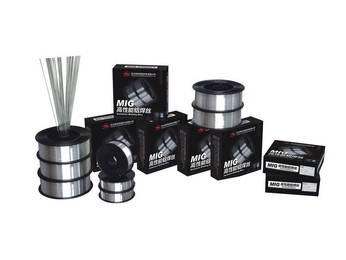
When discussing the aluminum welding wire range, connect the stated quantity to the offered alloy, diameter and pack format. A commercial description should identify both the consumable and the package being priced. A spool photograph alone cannot establish the quantity supplied.
Freight calculations may use a different basis from the product quantity. Keep logistics figures in their own fields so they are not mistaken for net consumable mass. A quotation becomes easier to compare when the supplier states the definitions directly.
Define welding wire spool tare
Welding wire spool tare is the mass of the empty spool used in the agreed calculation. Ask whether the quoted net figure excludes that spool and any additional wrapping or inserts. The answer should be clear for the actual packaging format.
Do not use a tare value from an unrelated spool because it looks similar. Material, dimensions and construction can differ. If the receiving method relies on a tare reference, agree how the representative empty package is identified and how variation is handled.
The method should also explain which items remain on the sample during weighing. An inner bag, label, cap or separator may otherwise be treated differently by two people checking the same pack. Consistency starts with a written definition of the measurement basis.
Make price comparisons use the same denominator
A welding wire quotation comparison should state whether the price is per kilogram of wire, per spool or per another commercial unit. Convert offers to a common, agreed basis before judging a difference as a saving. Keep any unresolved quantity definition visible.
Also confirm the pack count and total ordered quantity. A lower spool price may reflect less wire per pack, different accessories or a different quantity basis. The buyer needs those differences explained before comparing the final order value.
Separate the consumable specification from the calculation. Matching net mass does not establish matching alloy, diameter, documentation or application suitability. The comparison should first identify technically acceptable offers, then use a consistent quantity and commercial basis.
Agree a practical receiving method
Ask the supplier how net quantity is stated and what receiving checks are appropriate. Where weighing forms part of acceptance, the buyer should use suitable equipment and an agreed procedure. Record the scale identification, units and the condition of the package being checked.
Avoid unnecessary opening of protected consumables simply to investigate an unclear quotation. Clarify the supplier's quantity statement first and agree how any sample check will be handled without compromising the product. Destructive or opening checks need a defined disposition for the affected material.
If the buyer plans a tare calculation, document the filled-pack mass and the applicable empty-pack reference separately. The difference is only meaningful when both values use the same packaging definition and unit. Do not subtract an estimated carton mass from a spool measurement and call the result a verified net quantity.
Keep the shipment record readable
| Weight or quantity field | What it should describe | Primary use |
|---|---|---|
| Net wire mass | Consumable excluding the agreed packaging items | Purchased product quantity |
| Filled spool mass | Wire plus the defined spool assembly | Receiving calculation where agreed |
| Packed-unit mass | Product and the specified packaging level | Handling and packing record |
| Shipment weight | Weight on the relevant logistics basis | Transport documentation |
| Pack count | Number of specified units delivered | Order and receipt reconciliation |
The table defines proposed record fields rather than imposing a universal labelling standard. Actual requirements depend on the product, commercial agreement and market. If a mandatory rule applies, the responsible trade or compliance reviewer should confirm it separately.
Investigate a difference before assigning a cause
An apparent shortfall can come from a product quantity issue, a unit mismatch, an incorrect tare assumption or a document error. Record the observation before deciding which explanation applies. Keep the sample and shipment references attached to the investigation.
Check the purchase order, quotation and packing list for consistent definitions. Then compare the agreed receiving method with the one actually used. If the methods differ, resolve that difference before using the results as evidence of under-delivery.
Where a discrepancy remains, give the supplier the sample identifiers, measured values, equipment information and calculation basis. A specific record is more useful than a photograph of a scale display without the package definition or unit visible.
Put the quantity basis into the next order
Retain the accepted net quantity definition with the packaging specification. If the supplier proposes a new spool or pack size, review the tare and comparison method again. A change that is convenient for logistics can still affect how receiving staff interpret the weight fields.
- State the price unit and net consumable quantity clearly.
- Identify the spool format and any tare reference used.
- Keep packaging and shipment weights separate from wire mass.
- Agree a receiving method and the handling of checked samples.
- Require clarification when commercial or packing documents use a different basis.
Send the supplier your preferred quantity fields with the enquiry. A clear weight basis makes quotations comparable, supports receiving decisions and helps the purchasing team understand exactly how much consumable the order represents.
NEXT:No next article