English
 Deutsch



ER4047 Welding Wire Orders: Separate Alloy Choice from Package Choice
Article Directory
An order for ER4047 welding wire contains several decisions that should not be compressed into a single product name. The alloy identifies a filler classification. The wire diameter, delivery form and package define what production can actually feed or handle. The welding procedure determines whether the selected filler is appropriate for the joint.
Kunli lists ER4047 aluminum MIG welding wire as an aluminum-silicon filler product. For a purchasing enquiry, that gives the discussion a definite alloy reference. It does not replace the review of the base metal, joining process or acceptance requirements. Keep the application decision separate from the package decision, and both become easier to document.
First decision: what joint is being made?
Identify the base alloy by its actual designation and condition. For cast components, provide the available material specification instead of describing the part only as aluminum casting. Include the joint arrangement and the process to be used. A wire selected for one production route should not be transferred to another merely because the filler name is familiar.
ER4047 is a high-silicon aluminum filler. Its alloy family is relevant to selection, but a catalog discussion of fluidity is not evidence that every joint will meet a particular strength, corrosion or appearance requirement. The responsible welding engineer should approve the filler and procedure for the intended assembly. Purchasing should record that approval against the specific application.
Where the finished component requires further processing, include it in the review. Surface appearance after finishing, service conditions and applicable fabrication requirements may influence selection. Avoid treating a broad list of possible applications as a qualified production procedure for the customer's part.
Second decision: what will feed the wire?
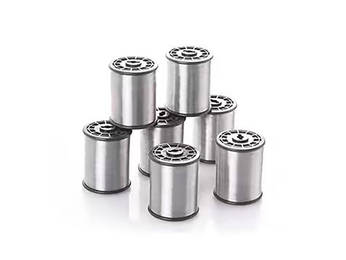
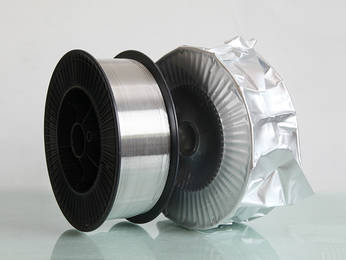
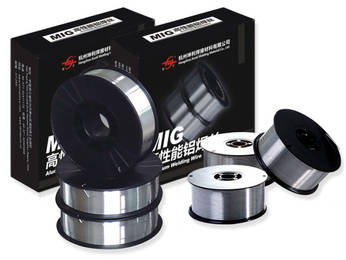
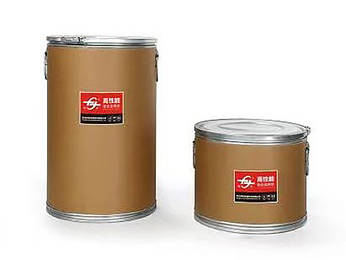
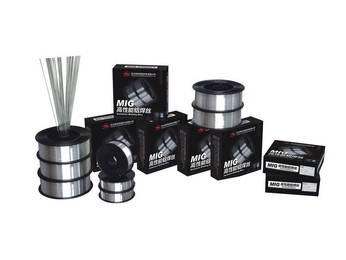
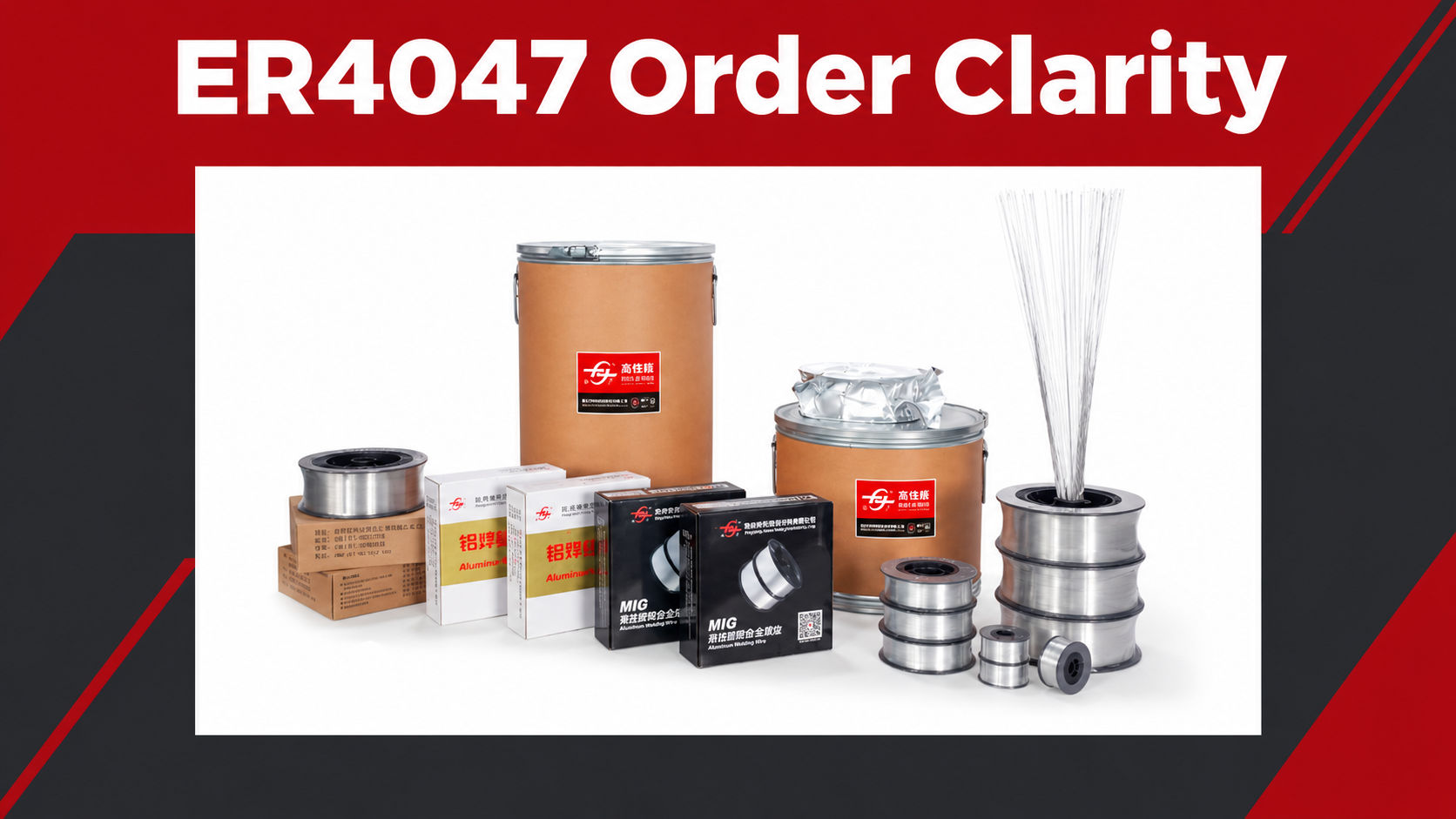
For mechanized feeding, specify the diameter and the package interface together. Confirm the spool dimensions, hub arrangement, winding direction if relevant, net wire mass and equipment compatibility. A package called a standard spool can still differ from what the production line accepts. A dimensioned package reference is more useful than a photograph alone.
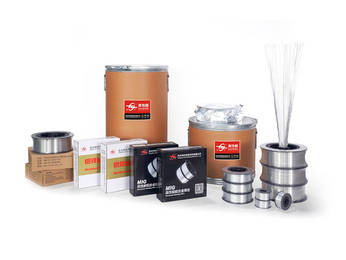
Distinguish a spool order from a cut-length or other delivery-form request. The same filler family may be supplied for different handling arrangements, but the machine or operator needs the correct form. If more than one diameter is required, list each diameter and quantity separately so that the quotation, label and receiving inspection follow the same breakdown.
| Decision | Order description | Evidence to review |
|---|---|---|
| Alloy | ER4047 and applicable classification requirement | Product identification and agreed material documentation |
| Diameter | Nominal diameter and required tolerance | Supplier specification for the offered wire |
| Delivery form | Spool, drum or approved alternative | Package drawing and feeding compatibility |
| Quantity | Net mass per unit and total units | Quotation and packing list |
| Traceability | Lot identification and document needs | Label sample and agreed records |
Third decision: how will the delivery be identified?
Receiving staff should be able to distinguish alloy and diameter without opening every package. Agree the required label information, including product designation, diameter, net mass and lot reference. Where customer codes are used, retain an unambiguous link to the supplier's identification. A private label should make traceability easier to follow.
Ask which documents are included and which must be requested separately. A commercial invoice, a packing list and a material document serve different purposes. Do not assume that the presence of a classification on a webpage means that a particular certificate or test report will accompany every shipment.
For recurring orders, keep an approved label example and package reference with the purchasing specification. If the supplier changes a package dimension or winding arrangement, the change can then be assessed before shipment. This is particularly useful when one purchasing team supplies several production lines with different feeding equipment.
Storage instructions should match the delivered form
Request the supplier's handling and storage guidance for the actual package. Keep unopened wire protected according to those instructions and establish a controlled method for identifying material after opening. Clean handling matters, but a generic statement about cleanliness should not be turned into an unsupported shelf-life number.
- Preserve the alloy and lot identity when material reaches the work area.
- Check the package for visible transport damage before issue.
- Use handling arrangements compatible with the approved delivery form.
- Refer damaged or unidentified material to the responsible quality team.
Any procedure for partly used material should also preserve the link between the remaining wire and its original lot. Avoid combining unidentified remnants simply because their diameters appear similar. Visual appearance is insufficient to confirm filler classification, and a production problem becomes harder to investigate once package identity has been lost.
Release one coherent specification
A trial delivery can also be tied to a controlled production review. Record which equipment and approved procedure were used, the package supplied and the observations requiring supplier feedback. Do not translate a successful trial on one joint into a universal approval for every aluminum assembly. The useful outcome is a documented decision for the stated application, together with a package that production can handle consistently. Subsequent changes to filler, diameter or package should be reviewed against that decision.
Before issuing the order, bring the application approval, wire designation, diameter, package and documentation into one controlled description. Ask the supplier to identify deviations explicitly. A quotation that omits the spool interface or changes the net mass is not directly comparable with an otherwise similar offer.
The practical aim is a wire delivery that matches both the approved joint and the production handling system. ER4047 is the starting reference. A complete order carries that reference through packaging, receiving and issue to production without asking each team to infer the missing details.