English
 Deutsch



Aluminum Welding Wire Elongation: Key Factors That Determine Weld Quality
Article Directory
A fabrication shop in Shandong switched from imported ER5356 to a lower-cost local wire last year. The chemistry certificate showed 4.8% magnesium, but the lot test report listed elongation at 11% instead of the expected 22%. Within two weeks, bend-test rejections hit 30%, and MIG welds on 5083 plates cracked along the fusion line during fixture release.
The wire met its chemistry specification and still failed in production. The missing specification was elongation. For aluminum welding wire, elongation is the mechanical property that connects alloy design, drawing and annealing process, and final weld integrity. It is also the number most purchasers skip.
What Aluminum Welding Wire Elongation Really Measures
Elongation is the percentage of plastic extension a wire sample reaches at fracture in a standardized tensile test, and it is the most direct measure of filler metal ductility available on a material certificate.
In the tensile test defined by AWS A5.10, a wire sample is pulled to fracture, and elongation is the increase in gauge length divided by the original length, expressed as a percentage. Higher elongation means the wire absorbs more plastic strain before breaking. In a weld deposit, the same property decides whether solidified metal can stretch under shrinkage stress without tearing.
Two values matter. Wire elongation describes the feedstock; as-welded deposit elongation describes the solidified weld metal and predicts real service performance. A complete test report states both.
Why Elongation Directly Controls Welding Quality
A weld deposit with adequate elongation resists solidification cracking, passes guided bend tests, and tolerates service loads without brittle failure, while a low-elongation filler multiplies the risk of all three.
When a weld cools, aluminum shrinks roughly 6% by volume, and the solidifying deposit must deform plastically to accommodate that strain. Chemistry controls hot-cracking resistance in the brittle temperature range, but after solidification, elongation carries the load. Bend tests are elongation tests in another geometry.
- Bend tests pass with no edge tearing
- Cracks and stress raisers absorb strain
- Consistent wire feeding in MIG guns
- Reliable fatigue behavior on structural frames
- Fusion-line cracks during fixture release
- Bend rejects on marine and rail components
- Cracks at crater and start-stop points
- Premature failure on vibrating assemblies
Marine and cryogenic fabricators choose magnesium-alloyed 5xxx fillers for strength plus ductility.
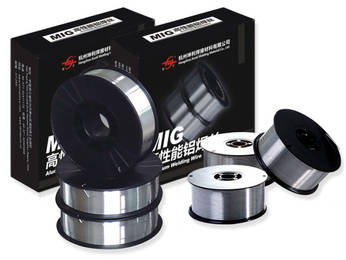
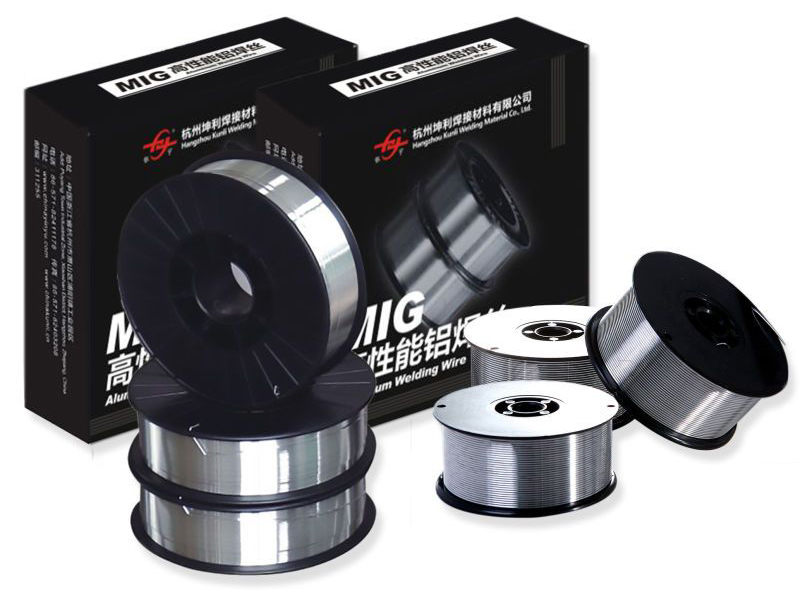 ER5183 Aluminum Welding Wire for Marine and Cryogenic ApplicationsThis magnesium-manganese filler offers high as-welded strength and seawater corrosion resistance, making it a reliable choice for 5xxx series joints where elongation values must be verified on the certificate.View Product →
Five Factors That Determine Final Elongation
Alloy chemistry, cold drawing history, final annealing, wire diameter, and surface condition combine to set the elongation value printed on the certificate.
- Alloy chemistry. Magnesium raises work-hardening rate and final strength; silicon lowers ductility. ER5356 and ER5183 deliver higher elongation than ER4043 at equivalent temper.
- Drawing and annealing history. Cold drawing from rod to 1.2 mm increases strength and destroys elongation. A proper final anneal restores ductility; an under-annealed wire can run 10-15 points lower.
- Wire diameter. Wire below 1.0 mm receives more cumulative drawing reduction and needs tighter annealing control to match the elongation of 1.6 mm wire.
- Surface condition. Scratches, forming lubricants, and oxide patches act as notches that trigger early fracture in the tensile test and shorten contact tip life.
- Batch consistency. A small drift in anneal furnace temperature can shift elongation by 5-8 points between lots with identical chemistry.
If your application depends on the higher ductility of 5xxx alloys, check the documented values before ordering.
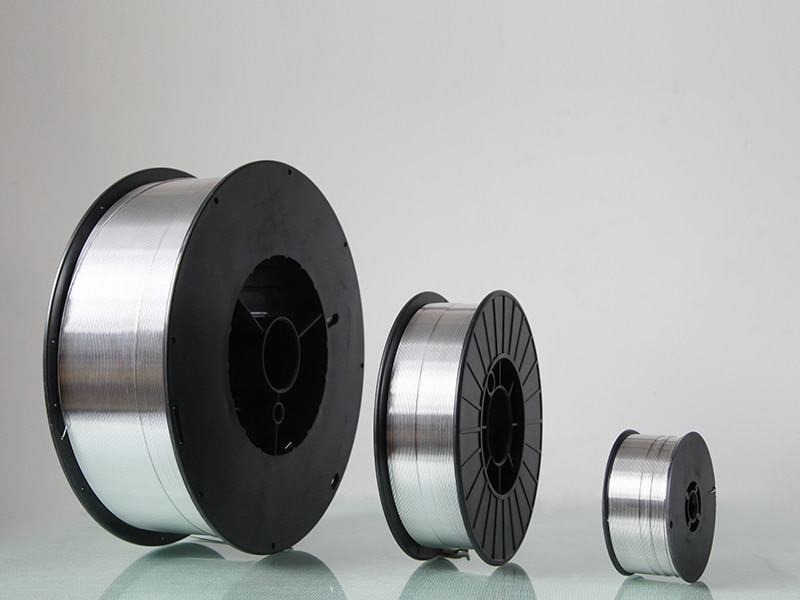 ER5356 Aluminum Welding Wire with Documented Elongation ValuesRecommended for 5xxx and 6xxx alloys, this 5% magnesium wire matches anodized base metal color. Check the listed elongation against AWS A5.10 before ordering to confirm it meets your ductility requirements.View Product →
How to Verify Elongation When Sourcing Wire
Ask for lot-specific mechanical test reports, confirm the gauge length and test method match AWS A5.10, and validate the number with your own incoming inspection.
- Require certificates of conformance quoting actual test data for delivered drums, not brochure ranges.
- Check the raw material trail: base alloy, wire rod source, drawing passes, and annealing records.
- Confirm the test method; different gauge lengths produce different elongation numbers.
- Run an incoming guided bend test on a grooved plate for critical work.
| Alloy | Wire elongation, annealed | Deposit elongation | Characteristic |
| ER1100 | 30-40% | 18-30% | Maximum ductility, low strength |
| ER4043 | 12-18% | 6-12% | Silicon-based, crack-resistant, anodizing match |
| ER4943 | 15-20% | 9-14% | Higher strength than ER4043, good color match |
| ER5356 | 20-26% | 14-19% | High strength, ductile, color match |
| ER5183 | 20-25% | 15-20% | Marine-grade, cryogenic toughness |
| ER5556 | 22-28% | 15-20% | Highest magnesium, maximum strength |
For 6061 and other heat-treatable alloys, ER4043 remains the default filler and is widely stocked.
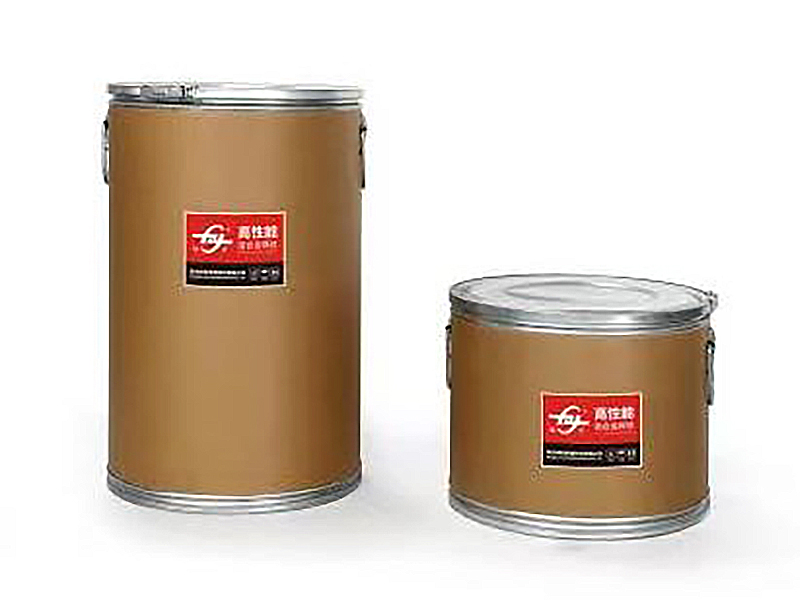 ER4043 Silicon Aluminum Welding Wire for Heat-Treatable AlloysA widely stocked 5% silicon filler with excellent flowability, ideal for 6061 and similar alloys. Verify the manufacturer’s process records to confirm elongation is consistent across batches before use.View Product →
Confirm that the manufacturer documents the quality control process from alloy to finished wire and can supply process records on request. Traceability is the only practical proof that elongation is repeatable across batches.
For structural programs, look for institutional validation. Hangzhou Kunli Welding Materials Co., Ltd. holds DB, CE, ABS, DNV, and CCS approvals and qualified supply relationships with CRRC and Maersk.
Practical Steps to Protect Elongation in Production
The elongation built into the wire is only preserved if storage, feed system, and welding parameters prevent surface damage, moisture absorption, and unintended changes at the arc.
- Keep opened spools in dry cabinets below 40% relative humidity; moisture grows oxide layers that act as crack initiators.
- Feed through PTFE liners with minimal bends; kinks cold-work the wire and degrade ductility.
- Replace contact tips when bore wear exceeds 0.1 mm; worn tips add friction and score the wire.
- Hold stick-out in the 15-20 mm range; excessive stick-out increases resistance heating.
- Store wire in original packaging until use; skin oils create porosity paths.
Frequently Asked Questions About Wire Elongation
What is a good elongation percentage for aluminum welding wire?
For annealed wire, 5xxx alloys typically deliver 20-28%, 4xxx alloys 12-18%, and ER1100 above 30%. For deposits in structural service, 14-18% minimum is a reliable threshold.
Does higher elongation always mean better weld quality?
No. ER4043 has lower elongation than ER5183 but better crack resistance on heat-treatable alloys because silicon controls the solidification range. Balance elongation with strength, corrosion response, and cracking behavior.
Why do 5xxx wires show higher elongation than 4xxx wires?
Magnesium in 5xxx wires strengthens by solid solution without the brittle silicon network that limits ductility in 4xxx wires. Annealing restores drawn wire ductility; chemistry sets the ceiling.
Which standard governs elongation testing for aluminum welding wire?
AWS A5.10 classifies aluminum filler metals and references tensile procedures; ISO 18273 defines alloy designations. Compare values only under the same gauge length and test method.
NEXT:ER4047 Welding Wire Orders: Separate Alloy Choice from Package Choice