English
  Deutsch


How Does Silicon Content Affect Welding Quality?
Article Directory
- 1 Fundamental Composition Principles Drive Performance
- 2 How Does Classification Guide Material Selection?
- 3 All-Position Capability Expands Application Possibilities
- 4 Why Does Process Compatibility Matter?
- 5 Aerospace Applications Demand Rigorous Standards
- 6 Marine Environments Test Corrosion Resistance
- 7 Automotive Manufacturing Embraces Lightweight Solutions
- 8 Equipment Fabrication Requires Versatile Materials
- 9 Comparing Alternative Filler Compositions
- 10 Addressing Common Technical Challenges
- 11 Quality Verification Ensures Reliability
- 12 Storage and Handling Protect Material Quality
- 13 Implement Stock Rotation to Prioritize the Use of Older Material
- 14 Economic Factors Influence Material Decisions
- 15 Emerging Technologies Shape Future Directions
- 16 Final Considerations for Implementation Success
Manufacturing professionals seeking reliable Aluminum Alloy Welding Wire Suppliers often encounter numerous options in the marketplace, yet understanding the fundamental characteristics of these materials remains critical for achieving consistent results. The evolution of metal joining technology has brought significant changes to how fabricators approach projects involving lightweight alloys, particularly in applications demanding both structural integrity and corrosion resistance. Modern Aluminum Alloy Welding Wire represents a convergence of metallurgical science and practical engineering, designed to address challenges that have historically complicated the joining of aluminum-based materials.
Fundamental Composition Principles Drive Performance
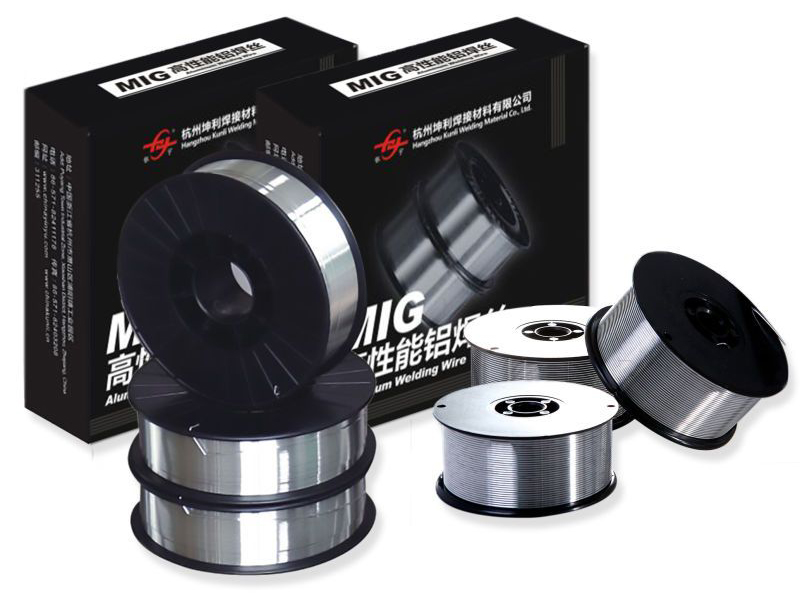
The chemical formulation of Aluminum Alloy Welding Wire shapes both its performance while molten and the strength, toughness, and longevity of the resulting weld. Silicon functions as a major alloying addition in numerous wires, commonly present in concentrations between four and six percent, establishing a eutectic mixture that dramatically increases the flowability of the liquid metal and aids smooth transfer into the joint. The silicon content lowers the wire's melting range and enhances wetting and flow across the base material surfaces.
Magnesium dominates in other wire types, bringing a contrasting set of mechanical characteristics and notably better corrosion resistance, especially useful in saltwater or aggressive industrial atmospheres, compared to silicon-based versions. Manganese plays an important role by refining the grain structure during solidification, which raises strength levels while keeping ductility largely intact. Minor quantities of titanium or copper occasionally appear in specialty wires, where each element contributes unique benefits to the weld metal's internal structure.
Key Compositional Elements:
- Silicon content governs the fluidity of the weld pool and helps control the tendency for solidification cracking
- Magnesium increases the strength of the weld metal and provides corrosion resistance suitable for marine environments.
- Manganese supports the development of a finer, more consistent grain structure
- Iron must stay below carefully defined maximums to prevent the creation of brittle intermetallic compounds
- Copper additions can enhance particular mechanical traits but often make the weld more prone to corrosion under certain conditions
The interplay among these elements as the weld solidifies forms distinct microstructures that ultimately dictate the joint's mechanical behavior, susceptibility to cracking, and ability to endure prolonged service. Understanding these material interactions enables fabricators to make an informed selection of filler wire for particular base metals and application needs.
How Does Classification Guide Material Selection?
Industry organizations have developed well-defined classification systems for Aluminum Alloy Welding Wire that provide a standardized way for manufacturers, suppliers, and users to specify and understand material properties. The American Welding Society system begins with a prefix that designates the product form, then adds a four-digit number that identifies the alloy family and primary composition.
Take the ER4043 designation as an example: "ER" means the wire can serve as either an electrode for gas metal arc welding or a rod for gas tungsten arc welding, while "4043" indicates it belongs to the aluminum-silicon family with about five percent silicon. This simple code instantly communicates vital details about the wire's flow behavior, crack resistance, and typical uses.
| Classification System | Region | Key Features |
|---|---|---|
| AWS A5.10 | North America | Alphanumeric designation with chemical composition requirements |
| ISO 18273 | International | Harmonized specifications for global markets |
| EN ISO Standards | European Union | Detailed mechanical and chemical property requirements |
| JIS Z 3232 | Japan | Specific quality control and testing protocols |
Other parts of the world maintain their own classification approaches, but ongoing efforts to align international standards continue to make cross-referencing easier. The ER5356 designation identifies an aluminum-magnesium alloy containing roughly five percent magnesium, which provides higher strength along with its own distinct cracking characteristics compared to silicon-based wires. ER5183 contains a higher magnesium content, making it suitable for structural applications with demanding mechanical requirements.
Compatibility between the filler wire and the base metal remains a primary consideration when making a selection. Selecting a filler wire with a composition similar to the base metal typically yields consistent and predictable weld properties. In some applications, however, a deliberate difference in chemistry may provide specific benefits. For example, using a silicon-bearing filler on magnesium-rich base metals frequently reduces the risk of hot cracking while still delivering adequate strength in the finished joint.
All-Position Capability Expands Application Possibilities
Earlier welding approaches frequently limited fabricators to flat or restricted positions, which curtailed creative design options and often demanded intricate fixtures to secure components. Current Aluminum Alloy Welding Wire formulations now produce dependable welds in flat, vertical, horizontal, and overhead positions by precisely managing the viscosity and surface tension of the molten pool.
Flat position welding serves as the primary reference for grasping how the material responds, since gravity naturally helps contain the puddle and penetration follows reasonably consistent patterns. The molten metal spreads evenly across the joint with little need for constant correction, creating wide fusion zones. This orientation supports faster travel speeds and higher deposition rates than work in other positions.
Vertical welding brings gravitational forces into play, as the liquid metal tends to sag or flow ahead of the arc. Successful control depends on careful torch angle adjustments and tightly regulated heat input to keep the puddle stable against downward pull. Progressing upward typically gives better results than downward travel, because the solidified metal beneath supports the molten pool above.
Positional Welding Considerations:
- The flat welding position facilitates favorable deposition rates and manageable puddle control.
- Vertical progression requires lower heat input and very accurate torch control
- Overhead welding demands small puddle size with quick solidification
- Horizontal welding calls for uneven heat distribution to avoid undercut and overlap
Overhead welding requires careful technique as gravity acts directly on the molten pool. Using adequate yet controlled heat to achieve fusion while forming smaller, quickly solidifying puddles helps manage this challenge. Synchronizing wire feed speed with travel rate is important to maintain proper weld contour.
Silicon-containing Aluminum Alloy Welding Wires perform particularly well across all positions due to their lower melting point and enhanced fluidity, which simplify puddle control regardless of orientation while still providing sufficient strength and ductility once the weld solidifies. This broad capability eliminates much of the need to reposition parts during fabrication, which saves considerable time and reduces the complexity of fixturing.
Why Does Process Compatibility Matter?
Gas metal arc welding (MIG) is common in aluminum fabrication due to its favorable deposition rates, straightforward mechanization, and good suitability for production environments. The process continuously feeds wire through a contact tip while shielding gas blankets the puddle to protect it from air contamination. Direct current electrode positive polarity delivers the necessary cleaning action to break through aluminum's stubborn oxide layer.
Argon remains the standard shielding gas for aluminum welding, though adding helium can increase heat input and penetration on thicker materials. Pure argon creates a stable, cooler arc ideal for thin sections and automated work. Helium-blended gases raise arc voltage and concentrate more heat, which proves useful for manual welding on heavy plate that requires deep penetration.
Gas tungsten arc welding (TIG) allows for precise control in detailed work, manual operations, and applications with high quality requirements. The process keeps heat generation independent of filler addition, allowing separate control of both elements. Alternating current supplies the essential oxide cleaning while protecting the tungsten electrode.
Wire diameter choice directly affects current-carrying capacity, deposition rate, and the smallest joint gap that can be filled reliably. Smaller wire diameters are suited for thin materials and allow for precise control, though they limit deposition rates. Larger diameters support productivity on thick sections but require increased amperage and may bridge narrow gaps without achieving full sidewall fusion.
Aerospace Applications Demand Rigorous Standards
Aircraft construction depends extensively on aluminum alloys because of their outstanding strength-to-weight ratio, which makes dependable joining methods essential for maintaining structural safety and overall performance. Aluminum Alloy Welding Wire sees heavy use in airframe repairs, component manufacturing, and assembly operations where mechanical fasteners add unwanted weight or prove difficult to apply effectively.
Fuselage skin repairs commonly rely on Aluminum Alloy Welding Wire to restore complete structural continuity after damage from corrosion, fatigue cracks, or impact incidents. The repaired weld must equal or surpass the original material strength while adding as little weight as possible and keeping smooth aerodynamic surfaces intact. Filler selection follows strict compatibility guidelines to ensure the wire chemistry matches the base alloy properly, avoiding harmful galvanic couples or the development of brittle intermetallic phases.
Wing structures more and more incorporate welded joints in cases where weight savings justify the additional cost of qualified procedures and skilled operators. Ribs, stringers, and attachment fittings often use welded construction, particularly in smaller aircraft and unmanned aerial vehicles where production quantities do not support the expense of complex tooling for mechanical fastening.
Quality standards in aerospace surpass those of nearly every other industry. Every welding procedure requires thorough qualification testing to prove the joints achieve or exceed required mechanical properties, fatigue endurance, and corrosion resistance. Nondestructive inspection checks internal integrity on critical welds, while destructive testing of production samples confirms consistent process performance.
Aerospace Quality Requirements:
- Full traceability from raw material through to the completed component
- Qualified welding procedures for every combination of base metal and thickness
- Certified welders qualified on the specific procedures in use
- Comprehensive nondestructive examination of all critical joints
- Statistical process control to monitor and maintain production consistency
Marine Environments Test Corrosion Resistance
Shipbuilding and marine fabrication face relentless exposure to saltwater, high humidity, and repeated temperature shifts, creating severe demands on welded joints. Aluminum Alloy Welding Wire must provide not only adequate mechanical strength but also exceptional long-term resistance to the various corrosion processes active in maritime service.
Hull construction on smaller vessels frequently employs all-aluminum designs, with welded joints connecting plates, frames, and bulkheads into strong, unified structures. The welding process must preserve the base metal's natural corrosion resistance while delivering sufficient strength to handle hydrodynamic loads and structural stresses during operation.
Superstructure elements on larger ships often use aluminum to reduce weight high in the vessel and improve overall stability. Radar masts, deckhouses, and equipment supports benefit from aluminum's inherent corrosion resistance and favorable strength-to-weight ratio. Welded joints in these areas must endure dynamic loading from waves and wind while resisting degradation from salt spray and moist air.
For marine applications, magnesium-containing filler wires are often selected over silicon-based options due to their performance in saltwater environments. ER5356 and ER5183 see widespread use, although ER4043 remains suitable for certain applications where strength demands are lower.
Galvanic compatibility becomes a major concern when welding dissimilar alloys or when joints will contact other metals in service. The electrochemical potential difference between materials can drive galvanic corrosion in the presence of an electrolyte, with aluminum generally acting as the anode and corroding preferentially. Careful material pairing and isolation methods help minimize these risks.
Automotive Manufacturing Embraces Lightweight Solutions
Car makers keep pushing aluminum into more vehicle areas to drop overall weight and gain better fuel economy while still delivering the required safety and driving performance. Aluminum Alloy Welding Wire makes it possible to join body panels, structural pieces, and chassis parts that form the backbone of these weight-cutting initiatives.
Body panel joining works with very thin sheet metal that calls for extremely tight heat control to stop warping or burning through the material. Robotic gas metal arc welding systems give reliable, repeatable results at full production speeds, using advanced waveform controls to limit heat buildup while holding the arc steady. Exterior panels need welds with flawless surface finish and zero visible flaws to keep the vehicle's appearance top-notch.
Structural parts like subframes, crash rails, and reinforcements now more often use aluminum alloys chosen for their particular strength levels and ability to absorb energy in crashes. Welded joints have to reach strength close to the base metal while keeping enough ductility to handle impact forces properly. Filler wire selection follows strict compatibility rules to make sure the chemistry matches the base alloy family correctly.
Collision repair shops increasingly deal with aluminum vehicles, so technicians need solid knowledge of material types, joint preparation steps, and the right welding settings for different thicknesses and alloy groups. Choosing the wrong filler wire can weaken the structure and create real safety risks in the repaired vehicle.
Automotive Application Considerations:
- Thin-gauge materials need very precise heat control
- High production volumes call for automated welding systems
- Visual appearance matters greatly for exterior panels
- Structural repairs must keep full crash performance intact
- Combining dissimilar metals in a corrosive environment can result in galvanic corrosion
Equipment Fabrication Requires Versatile Materials
Food processing, pharmaceutical, and chemical plants rely on aluminum equipment for its corrosion resistance and ease of cleaning. Aluminum Alloy Welding Wire supports building tanks, piping, heat exchangers, and process vessels that meet strict sanitary standards while providing enough strength and long-term durability.
Sanitary welding requires full penetration, smooth internal surfaces, and no crevices where contaminants could hide. The process must avoid too much heat that could distort thin-walled vessels while ensuring complete fusion across the joint. Back-purging with inert gas shields the root side from oxidation, keeping the inside surface smooth and easy to clean as needed for food-contact use.
Heat exchanger fabrication involves connecting many thin-walled tubes to header plates and shells, forming leak-tight joints that handle repeated heating and cooling cycles plus pressure changes. The welding method should provide structural integrity while minimizing distortion that could compromise thermal performance or induce stress concentrations.
Architectural work takes full advantage of aluminum for its clean look, strong corrosion resistance, and design flexibility. Curtain walls, canopies, handrails, and decorative features often include welded joints where mechanical fasteners would ruin the appearance or create future maintenance headaches. In applications where appearance is a primary consideration, careful welding technique and additional finishing work are often required.
Comparing Alternative Filler Compositions
Understanding how Aluminum Alloy Welding Wire classifications differ enables fabricators to select a suitable option for specific applications and base metal types. Each type brings its own strengths and trade-offs based on chemical makeup and the properties it produces.
Silicon-based ER4043 excels in fluidity and shows less tendency toward hot cracking compared to magnesium-based wires. The lower melting point creates a very fluid puddle that wets base surfaces well and flows easily into tight gaps. This composition is often used on castings, heat-treatable alloys, and applications where high strength is not the primary requirement.
| Filler Classification | Primary Alloying Element | Tensile Strength Range | Primary Applications |
|---|---|---|---|
| ER4043 | Silicon | Moderate | Castings, repairs, thin materials |
| ER5356 | Magnesium | High | Structural components, marine |
| ER5183 | Magnesium | Higher | Heavy structural, critical applications |
| ER1100 | Pure aluminum | Lower | Electrical, non-structural |
Magnesium-bearing ER5356 develops higher strength than silicon-based wires, making it a good fit for structural work that needs robust mechanical properties. It provides better corrosion resistance in marine settings but shows more sensitivity to hot cracking with certain base metal combinations. Good technique and joint design help keep cracking under control.
Higher-magnesium ER5183 delivers even greater strength for tough structural applications where mechanical properties need to come close to or surpass many base metals. The increased crack sensitivity calls for careful procedure planning and skilled operators, restricting it to situations where the extra strength makes the added effort worthwhile.
ER1100 filler wire, a commercially pure aluminum alloy, is selected for applications requiring electrical conductivity or compatibility with similar base metals. Its lower mechanical strength generally limits its use to non-structural applications, while its composition provides corrosion resistance and ductility under suitable service conditions.
Addressing Common Technical Challenges
Porosity is a common defect in aluminum welding. It occurs when hydrogen from sources such as moisture, oils, grease, or contaminated surfaces dissolves into the molten weld pool. As the weld solidifies, these gas bubbles become trapped within the metal. Thorough preparation of the base metal, keeping consumables dry during storage, and maintaining strong shielding gas coverage throughout the weld help keep porosity under control.
The oxide layer on aluminum surfaces melts at a much higher temperature than the base metal below, creating a stubborn barrier that blocks proper fusion unless broken up effectively. In gas metal arc welding, direct current electrode positive polarity provides cleaning action to disrupt this oxide, but mechanical brushing with stainless steel brushes dedicated solely to aluminum or chemical cleaning right before welding greatly improves reliability by removing the layer without adding contaminants.
Heat management presents special difficulties because aluminum conducts heat so quickly, pulling it away from the weld zone almost instantly. Thick sections often need preheating to build enough temperature for good penetration, while thin materials require very careful technique to avoid burning through. Since aluminum does not change color noticeably as it approaches melting, welders must rely on the behavior of the puddle itself rather than looking for visual cues on the base metal.
Defect Prevention Strategies:
- Store consumables in dry, controlled environments to avoid moisture pickup
- Clean base metals thoroughly just before welding to eliminate oxides and contaminants
- Ensure complete shielding gas coverage during the entire welding operation
- Use tools dedicated exclusively to aluminum to prevent cross-contamination from other metals
- Control heat input carefully through proper parameter settings and welding technique
Distortion is a relevant consideration when welding thin materials and complex assemblies. Thermal expansion and contraction during heating and cooling cycles can alter the component's shape. Proper fixturing, planned welding sequences, and balanced heat input help manage distortion while maintaining productivity. Techniques such as symmetrical welding patterns and skip sequences distribute thermal stresses more evenly across the assembly.
Quality Verification Ensures Reliability
Visual inspection serves as the initial check for weld quality, allowing trained eyes to spot surface issues such as undercut, overlap, crater cracks, excessive reinforcement, or irregular bead profiles that may indicate deeper problems. Acceptance standards vary depending on the application, with structural or pressure-containing parts requiring much stricter criteria than non-critical components.
Radiographic testing reveals internal flaws hidden from view, including porosity, lack of fusion, inclusions, and crack-like defects. The method passes penetrating radiation through the weld onto film or digital detectors, producing images that show the internal condition. Trained interpreters familiar with radiographic standards evaluate the results according to the specific requirements of the part and its intended service.
Ultrasonic testing sends high-frequency sound waves through the material to detect internal discontinuities and measure remaining thickness in existing components. This method offers portability and quick results compared to radiography, although it demands significant operator skill and provides data that requires careful interpretation. It suits both production quality checks and in-service inspections where immediate feedback matters more than permanent records.
Destructive testing confirms procedure qualification and monitors ongoing production control. Tensile specimens cut from test welds demonstrate mechanical properties under controlled loading. Bend tests evaluate ductility by bending samples around specified mandrels, with cracking revealing inadequate ductility or hidden defects. Macroetching examines the weld cross-section to reveal fusion zone dimensions, heat-affected zone extent, and any internal discontinuities.
Storage and Handling Protect Material Quality
Controlling the storage environment prevents moisture pickup and surface oxidation that can seriously affect welding performance. Aluminum Alloy Welding Wire should stay in its original sealed packaging until needed, with opened containers resealed tightly or moved to dry storage. Elevated humidity levels can cause moisture to form on the wire surface, resulting in porosity in completed welds.
Temperature changes can cause condensation when cold wire enters warm, humid air. Allowing packaged material to reach ambient temperature before opening avoids this moisture buildup on the surface. Storage areas should maintain stable environmental conditions, avoiding locations with significant daily or seasonal temperature fluctuations. Controlling humidity is also important, as elevated levels can allow moisture to form on the wire surface, which may result in porosity.
Proper Storage Practices:
- Keep storage areas within comfortable temperature and humidity ranges
- Leave materials in original packaging until ready for use
- Reseal opened packages or move contents to moisture-resistant containers
- Let cold materials warm to room temperature before opening
Implement Stock Rotation to Prioritize the Use of Older Material
Handling methods prevent physical damage and surface contamination that could disrupt arc stability or introduce unwanted elements into the weld pool. Wire surfaces must stay free from oils, cutting fluids, and other residues that might add hydrogen or other impurities. Dedicated handling tools prevent cross-contamination from ferrous materials.
Loading wire into welding equipment requires careful alignment of the wire path, checking the condition of the contact tip, and setting appropriate drive roll pressure. Poor alignment leads to erratic feeding and early wear on consumables, while too much pressure deforms the wire and generates shavings that can clog liners. Proper setup ensures smooth, consistent wire delivery to the weld puddle.
Economic Factors Influence Material Decisions
Material price makes up only part of the total project cost, with productivity, defect rates, and rework expenses often driving the real bottom line. Higher-cost wires can actually deliver better overall value by cutting down on defects, speeding up deposition, or providing stronger mechanical properties that allow lighter designs or simpler assemblies. A thorough cost breakdown looks at every factor instead of zeroing in just on the initial consumable price.
Deposition efficiency shows how much of the bought wire ends up in the finished weld compared to what gets lost as spatter, stub ends, or process waste. Gas metal arc welding usually achieves good efficiency, though actual results depend on operator technique, welding parameters, and joint design. Proper equipment setup and consistent training help maximize the amount of wire that contributes to the completed joint.
In fabrication shops, labor costs often represent a larger portion of expenses than material costs. Consequently, methods that enhance productivity are a relevant focus. Wires that support faster travel speeds, need less post-weld cleanup, or produce fewer defects directly cut labor hours. When selecting materials, fabricators should evaluate how different compositions affect these productivity drivers rather than focusing only on consumable cost.
Economic Analysis Components:
- Direct costs for wire and shielding gas
- Labor expenses including wages and benefits
- Equipment expenses for power sources, feeders, and related accessories
- Quality-related costs from inspection, testing, and rework
- Overhead allocation covering facilities, utilities, and support operations
Rework represents a significant cost factor, as removing and replacing welds consumes additional materials and labor time. Preventing defects through solid procedure development, operator training, and consistent quality checks proves much more cost-effective than depending on inspection to catch problems after they happen. Investing in strong process development upfront pays off through much lower rework rates during full production.
Emerging Technologies Shape Future Directions
Automation keeps growing in aluminum welding as robotic systems become more advanced, flexible, and affordable. Modern sensors now track puddle behavior in real time, automatically adjusting parameters to keep consistent results even when fit-up varies, base metal properties change, or shop conditions shift. This kind of adaptive control makes reliable automation possible in jobs that used to require manual welding.
Artificial intelligence and machine learning systems examine process data to spot potential defects before they appear, allowing immediate parameter tweaks or operator warnings. These tools get better over time by learning from past welds, catching subtle patterns that might escape human notice. The technology holds promise for greater consistency and fewer defects as it builds experience across many different applications.
Material development work continues to pursue better balances of strength, ductility, corrosion resistance, and weldability. New alloying strategies and improved manufacturing methods aim to enhance performance while keeping good welding behavior. Research involving nanoscale additions and advanced solidification techniques is an area of development with potential for future practical applications.
Sustainability considerations play a larger role in material and process decisions. AAluminum’s recyclability and modest energy requirements during use contribute to balancing the energy profile of its primary production. Welded construction also makes disassembly and component reuse easier compared to adhesive bonding or mechanical fastening. These qualities strengthen aluminum's place in environmentally responsible manufacturing.
Progress in quality control technology brings faster, more thorough inspection at lower cost. Automated vision systems can scan high volumes of production welds, identifying questionable areas for closer review. Inline monitoring gives immediate feedback on weld quality, allowing real-time corrections instead of relying on after-the-fact inspection.
Final Considerations for Implementation Success
Effective use of Aluminum Alloy Welding Wire relies on understanding how material properties, process settings, and service requirements interact. No single wire or method fits every situation, so careful review of each project's specific needs and limitations becomes essential. Kunli offers full support for fabricators adopting aluminum welding processes, helping from initial material selection through procedure qualification and operator training.
Ongoing improvement through systematic data tracking and review helps shops refine their methods over time. Monitoring defect rates, productivity measures, and cost performance highlights chances for optimization and efficiency gains. Sharing lessons learned across teams and shifts speeds up progress and helps avoid repeating the same mistakes.
Combining thoughtful material selection, qualified procedures, skilled personnel, and effective quality controls delivers dependable results across a wide range of applications. Companies that invest in these core elements position themselves to take full advantage of aluminum's benefits while steering clear of the common difficulties that challenge less-prepared operations. Success depends on a commitment to continuous learning and adaptation as technologies and industry demands keep evolving.
NEXT:Nanoparticles strengthen Aluminum TIG Wire to improve welding joint performance