English
  Deutsch


4943 Aluminum Welding Wire: Advantages and Performance
Article Directory
- 1 What Is 4943 Wire Made From?
- 2 Composition and Performance Characteristics Shape How It Welds
- 3 Key Advantages of This Filler Metal Over Common Alternatives
- 4 4943 Vs 5356 Aluminum Welding Wire: How Do They Differ?
- 5 What Sets 5183 Aluminium Mig Wire Apart From 4943?
- 6 Mig Aluminum Welding Wire Applications Across Industries
- 7 How Should Buyers Approach an Aluminum Welding Wire Selection Guide?
- 8 Does Wire Choice Affect Welding Productivity on the Shop Floor?
- 9 What Should Buyers Weigh Beyond Per Unit Wire Cost?
- 10 Is 4943 Better Suited Than 5356 for Every Project?
- 11 Sourcing Aluminum Welding Wire for Sale Requires Checking a Few Practical Details
- 12 Matching the Right Aluminum Welding Wire to the Job
Fabricators comparing aluminum filler options often reach a point where strength figures and crack resistance claims start to blur together across product datasheets, making it difficult to settle on a wire that actually fits the joint in front of them. Anyone weighing 4943 aluminum welding wire against more familiar magnesium based options is usually trying to solve a specific problem already, such as recurring cracking on a particular joint design, inconsistent bead appearance, or a marine application that demands corrosion performance beyond what a general purpose wire delivers. Working through how this wire performs, and where it fits relative to alternatives such as 5356 and 5183, helps narrow that decision before a purchase order gets placed. The sections below walk through what this filler metal is built from, how its performance compares with the alloys it commonly gets measured against, and what a structured selection process looks like once application requirements are clear.
What Is 4943 Wire Made From?
This filler metal belongs to the aluminum silicon family of welding wires, distinct from the aluminum magnesium wires that dominate general fabrication work. Silicon based fillers like this one are generally chosen for their smooth flow characteristics and how they behave during cooling, which tends to reduce certain cracking tendencies compared with magnesium based alternatives.
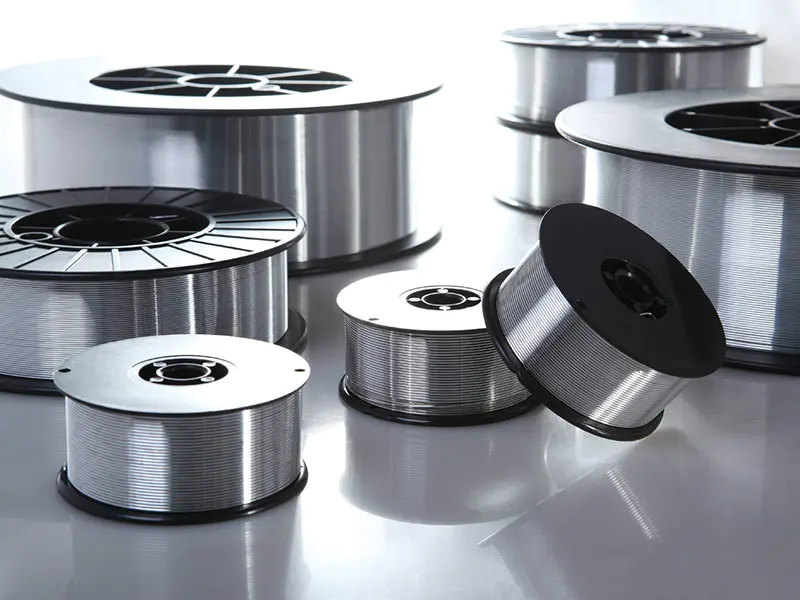
It sits alongside other silicon based wires used historically across aluminum fabrication, though formulated with adjustments aimed at improving strength while keeping the favorable flow and crack resistant behavior that silicon based filler metals are known for. Welders working across automotive, marine, and structural fabrication encounter it regularly where joint geometry or service environment makes magnesium based wire a less reliable choice.
Composition and Performance Characteristics Shape How It Welds
The balance of silicon content against the base alloy determines much of how this wire behaves during welding, influencing everything from puddle fluidity to how the weld pool fills a joint.
A few characteristics define how it performs in practice:
- Smooth fluidity that helps fill gaps and uneven joint fit
- Reduced sensitivity to hot cracking compared with several magnesium based wires
- Strength suited to structural applications without sacrificing weldability
- Resistance to corrosion that holds up reasonably well in marine and outdoor settings
- A weld bead appearance that finishes cleanly with minimal cleanup
These traits work together rather than independently, since a wire with strong flow characteristics but poor crack resistance would still create rework, while strength without weldability creates its own set of problems on the shop floor.
Heat input also plays into how this wire behaves during a welding pass. Because silicon based filler metals generally tolerate a wider window of heat input without becoming prone to cracking, operators have somewhat more flexibility adjusting travel speed and amperage to match joint thickness, which matters on parts where section thickness varies across a single weld path.
Key Advantages of This Filler Metal Over Common Alternatives
Several specific advantages explain why fabricators reach for this wire instead of defaulting to a general purpose magnesium based option.
Strength That Holds Up for Structural Joints
Compared with several magnesium based wires commonly used across general fabrication, this filler metal offers strength suited to load bearing joints without requiring a heavier wire diameter or additional passes.
Lower Crack Sensitivity Across Difficult Joint Geometry
Silicon based chemistry tends to reduce hot cracking risk in joints with restrictive geometry, tight fit up, or repeated thermal cycling, conditions where some magnesium based wires struggle.
Cleaner Weld Appearance With Less Rework
A smoother puddle and more consistent bead profile reduce the amount of grinding and cleanup needed after welding, which matters directly for shop productivity on parts with visible welds.
Reduced Porosity Risk During Welding
Good fluidity combined with stable arc behavior lowers the likelihood of trapped gas pockets forming inside the weld, a defect that often requires costly rework once discovered during inspection.
Suitability for Components Under Sustained Load
Parts that experience continuous stress, vibration, or thermal cycling benefit from a filler metal that resists fatigue related cracking over the service life of the assembly.
4943 Vs 5356 Aluminum Welding Wire: How Do They Differ?
This comparison sits at the center of many sourcing decisions, since 5356 alloy aluminum wire remains the default choice across a wide range of general aluminum fabrication work.
| Comparison Point | 4943 Wire | 5356 Wire |
|---|---|---|
| Strength | Higher for many structural joints | Adequate for general purpose work |
| Crack Sensitivity | Lower in restrictive joint geometry | Higher under certain thermal conditions |
| Corrosion Resistance | Strong in marine and outdoor settings | Strong, widely used in marine work as well |
| Weld Appearance | Smooth, clean bead profile | Good, slightly more spatter in some conditions |
| Typical Applications | Structural fabrication, marine components | General fabrication, trailers, automotive frames |
When a project calls for reduced crack sensitivity on difficult joints alongside dependable strength, this wire often suits the application better than 5356. When the work involves straightforward general fabrication without unusual joint geometry, 5356 remains a practical and widely available choice that many shops already keep in stock.
What Sets 5183 Aluminium Mig Wire Apart From 4943?
The comparison with 5183 aluminium mig wire shifts the focus toward marine environments and cold temperature performance, since 5183 carries a reputation built specifically around those conditions.
| Comparison Point | 4943 Wire | 5183 Wire |
|---|---|---|
| Marine Suitability | Strong, with good corrosion resistance | Strong, often specified for marine codes |
| Strength | Higher for many structural joints | Comparable, with proven marine track record |
| Low Temperature Performance | Reasonably stable | Well suited to cold service conditions |
| Applications | Structural and marine fabrication | Marine hulls, offshore structures, cold environments |
Projects governed by marine classification requirements sometimes specify 5183 directly, in which case wire choice is settled by the applicable code rather than a side by side performance comparison. Outside of those code driven situations, the decision often comes down to whether crack resistance on difficult joints or established marine code history matters more for the application at hand.
Mig Aluminum Welding Wire Applications Across Industries
Application requirements ultimately drive which alloy makes sense for a given project, since strength, corrosion resistance, and crack sensitivity matter differently depending on the end use.
Marine Aluminum Welding Wire Demand in Hull and Deck Fabrication
Marine aluminum welding wire selection carries extra weight because corrosion failure in this environment is both costly and difficult to inspect once a structure is in service. Boat builders and shipyards lean on alloys with proven corrosion performance, often choosing between this wire and 5183 depending on classification society requirements.
Automotive Structural Components
Vehicle frames, chassis components, and structural reinforcements benefit from a filler metal that resists cracking under vibration and repeated load cycles, conditions automotive assemblies face throughout their service life.
Rail Transportation Fabrication
Rail car bodies and structural components face similar fatigue concerns to automotive work, with the added requirement of long service intervals between major maintenance cycles. Welded joints on rail structures often see years of continuous vibration exposure, which makes crack resistance a practical concern rather than a theoretical specification.
Pressure Vessels and Offshore Engineering
Components under sustained internal pressure or exposed to harsh offshore conditions require filler metals that maintain strength and corrosion resistance simultaneously, a combination this wire is frequently selected for.
Trailer Manufacturing and General Structural Work
Trailer frames and structural assemblies that see repeated loading and unloading cycles benefit from reduced crack sensitivity, particularly around welds subject to repeated stress concentration.
How Should Buyers Approach an Aluminum Welding Wire Selection Guide?
A structured aluminum welding wire selection guide narrows alloy choice by working through application requirements systematically rather than defaulting to whichever wire happens to be on hand in the shop.
Matching Wire to Base Metal Composition
Filler metal chemistry should align reasonably well with the base metal being joined, since mismatched chemistry can affect both weld strength and corrosion behavior at the joint line.
Considering Load and Joint Strength Requirements
Projects requiring a high strength aluminum welding wire for load bearing joints need a filler metal capable of meeting those mechanical demands without compromising weldability across the joint design involved.
Accounting for Corrosion Environment
Outdoor, marine, or chemically exposed applications call for a corrosion resistant aluminum welding wire capable of holding up across the expected service environment, rather than a wire optimized purely for indoor structural work.
Reviewing Welding Position and Process Compatibility
Wire diameter, feed characteristics, and compatibility with the welding process and position being used all factor into a practical selection, since a wire that performs well in one position may behave differently out of position.
Confirming Code and Certification Requirements
Some industries operate under welding codes that specify acceptable filler metal alloys directly, particularly in marine, pressure vessel, and structural work governed by classification societies or regulatory bodies. Checking applicable code requirements before finalizing alloy choice avoids a situation where a technically sound wire still fails to meet documentation requirements for the project.
Does Wire Choice Affect Welding Productivity on the Shop Floor?
Beyond raw mechanical properties, the wire selected has a direct effect on how efficiently a shop moves through production, an angle that often gets overlooked in purely technical comparisons.
- Reduced rework from fewer cracking related rejects
- Less time spent grinding and cleaning welds with a poor bead profile
- More consistent results across operators with varying skill levels
- Fewer interruptions from porosity related defects caught during inspection
Shops running high volume aluminum fabrication often find that the productivity gains from a more forgiving wire offset a modest difference in per unit material cost over the course of a project.
What Should Buyers Weigh Beyond Per Unit Wire Cost?
Comparing alloys purely on spool price overlooks several cost factors that show up later in a production run rather than on the initial purchase order.
- Scrap and rework rates tied to cracking or porosity defects
- Labor time spent grinding, repairing, or re welding rejected joints
- Inspection delays when defects surface during quality checks
- Warranty or service exposure if a structural weld fails after delivery
A wire priced modestly higher per spool can still reduce total project cost once these downstream factors are accounted for, particularly on fabrication work involving difficult joint geometry or strict inspection criteria. Procurement decisions based solely on unit price, without factoring in defect rates across a production run, often end up costing more once rework is added back into the calculation.
Is 4943 Better Suited Than 5356 for Every Project?
The honest answer depends heavily on joint geometry, service environment, and whatever code requirements govern the fabrication work involved, rather than one wire being universally preferable.
This wire tends to suit projects better when joints involve restrictive geometry prone to cracking, when corrosion resistance in marine or outdoor settings matters, or when weld appearance on visible joints needs to stay clean with minimal cleanup. 5356 remains a reasonable choice for straightforward general fabrication where shops already maintain inventory and where joint geometry does not create unusual cracking risk.
Neither wire suits every situation involving particular code requirements, since some marine classification societies or structural codes specify alloy choice directly, removing the decision from a pure performance comparison and placing it under regulatory requirements instead.
Sourcing Aluminum Welding Wire for Sale Requires Checking a Few Practical Details
Once technical requirements point toward a specific alloy, sourcing aluminum welding wire for sale shifts toward supplier evaluation rather than further performance comparison.
- Certification documentation confirming alloy composition and batch testing
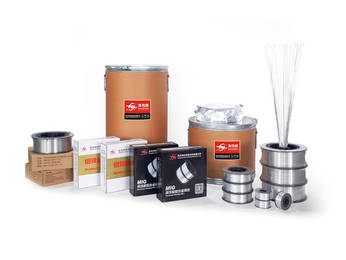
- Packaging and spool format compatible with existing welding equipment
- Consistency across batches, since variation in composition affects weld behavior
- Technical support available when questions arise about a specific application
- Order turnaround that matches production schedules for ongoing fabrication work
Hangzhou Kunli Welding Materials Co., Ltd. supplies a range of aluminum filler wires across these alloy families, including 4943, 5356, and 5183 variants, along with documentation that helps confirm composition and certification before an order moves forward. Shops working through a difficult joint design, or planning a marine fabrication project with specific corrosion requirements, are welcome to share their application details and request technical guidance on which alloy fits the work.
Matching the Right Aluminum Welding Wire to the Job
Choosing between this wire, 5356, and 5183 ultimately comes down to matching alloy characteristics to joint geometry, service environment, and whatever strength requirements the application demands, rather than defaulting to whichever spool happens to already be loaded on the welder. Shops that take the time to compare crack sensitivity, corrosion resistance, and weld appearance against their specific fabrication challenges tend to see fewer rejected welds and less rework across a production run. Reviewing application requirements alongside the comparisons covered here, joint design, load conditions, marine or outdoor exposure, and applicable code requirements, gives fabricators and procurement teams a clearer basis for selecting filler metal than relying on a single specification sheet in isolation. That same process also makes it easier to communicate requirements clearly to a supplier, which tends to result in fewer surprises once material arrives on the shop floor and welding begins.
NEXT:Is 5183 Aluminium Mig Wire the Right Marine Choice?