Introduction
Industrial maintenance demands flexibility. Technicians often encounter various aluminum alloys, from common 6061 to specialized castings, requiring a versatile "go-to" filler. Our MRO wire selection focuses on the two most forgiving and widely compatible alloys, minimizing inventory while maximizing repair success. We package these wires in convenient, smaller spool sizes and ensure stable feedability across various welding machine types found in maintenance workshops, providing reliable, cost-effective solutions for unexpected equipment downtime and general fabrication.
Specification
| Key Requirement | Wide Alloy Compatibility, Ease of Use, Good Puddle Control |
| Primary MRO Alloys | ER4043 and ER5356 |
| ER4043 Advantage | High Fluidity, Excellent for Casting Repair |
| ER5356 Advantage | Good Strength, Low Hot Cracking Risk for Wrought Alloys |
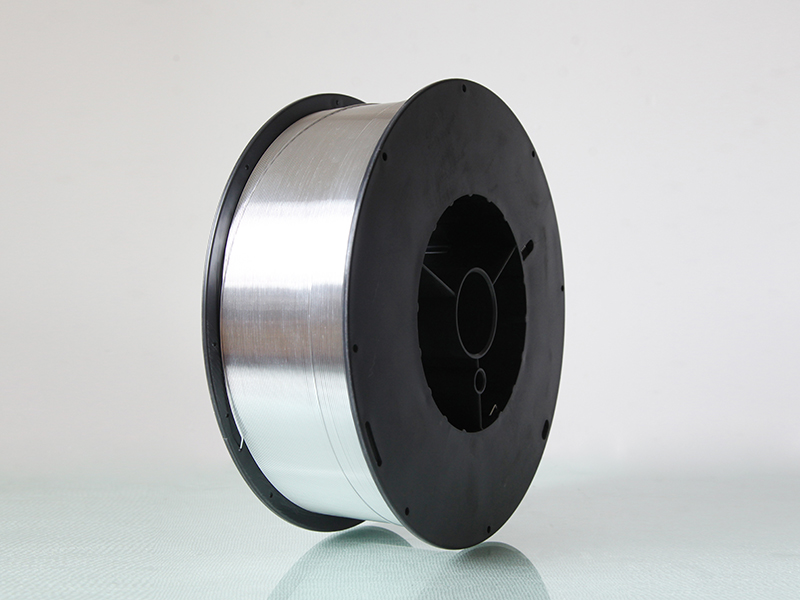
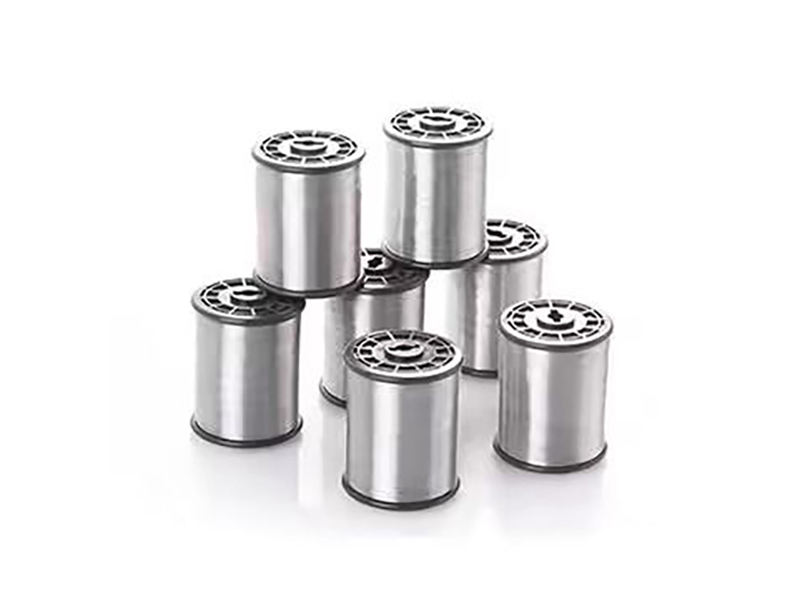
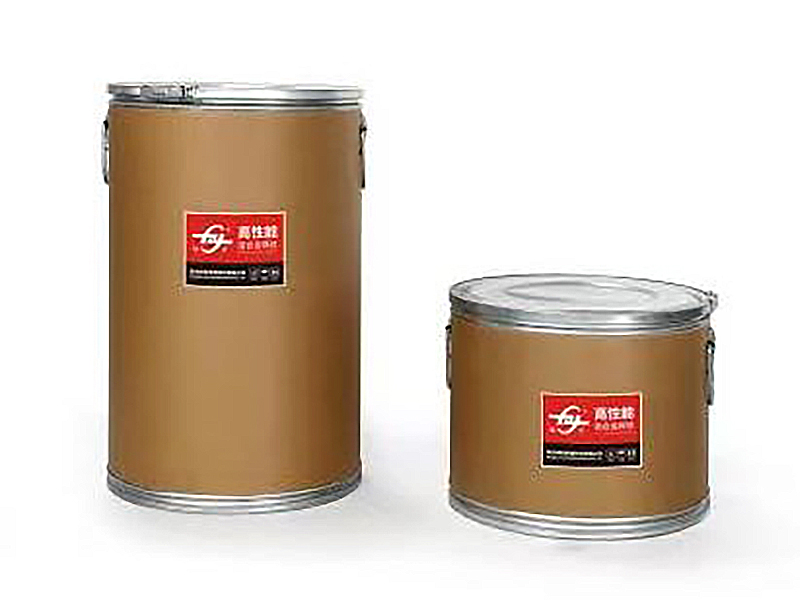
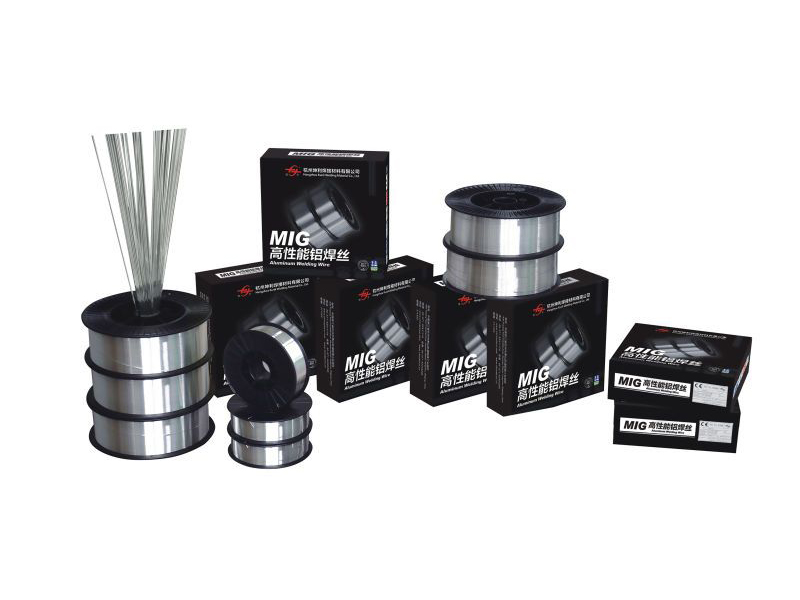
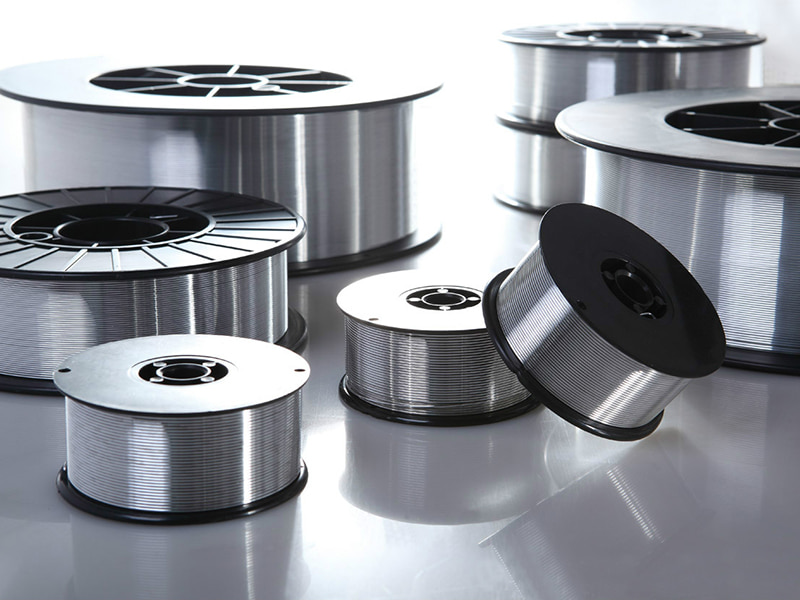
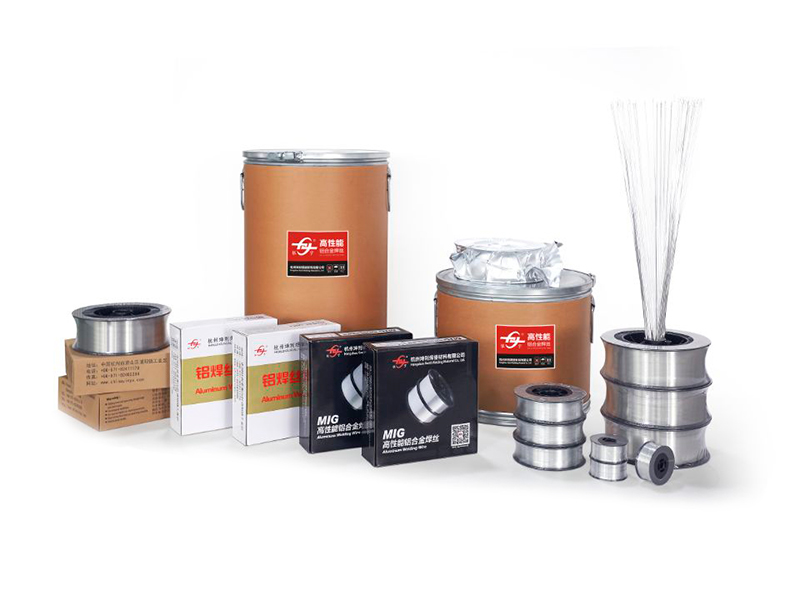
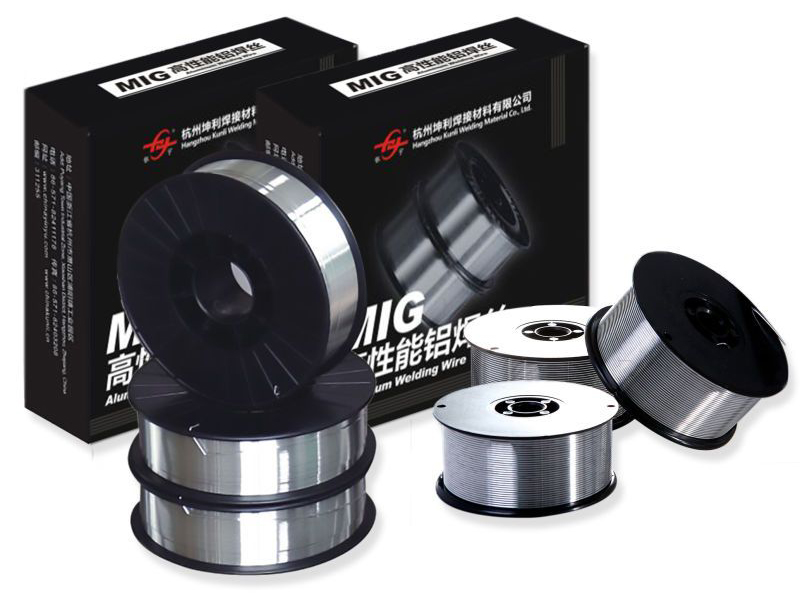
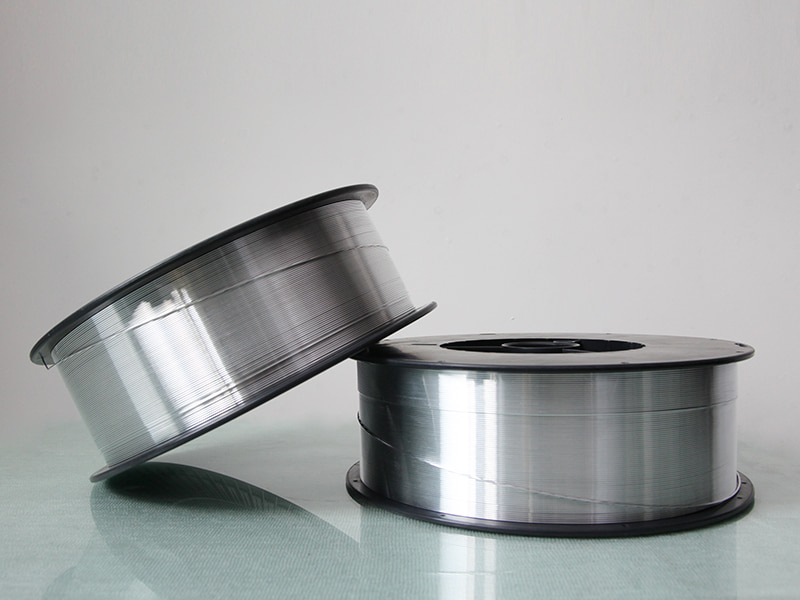
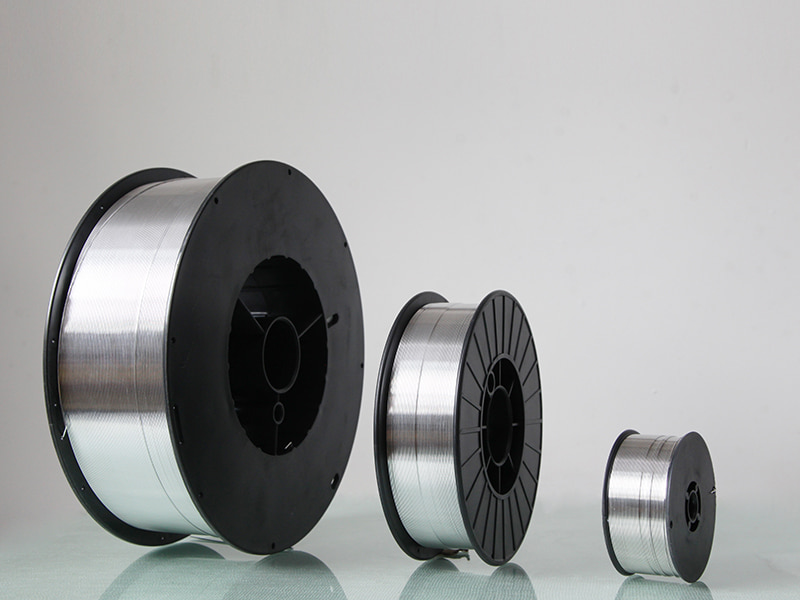
| Packaging | Convenient 1 lb or 5 lb spools/tubes for workshop inventory |
Applications and Solutions
Equipment Repair: Welding broken brackets, cracked housings, and worn components on heavy machinery and production lines.
Casting Repair: Repairing defects, cracks, or wear on aluminum cast components (often using ER4043 due to its fluidity).
General Fabrication: Building customized jigs, fixtures, railings, and modifications in workshop environments.
Pipe and Duct Repair: Fixing leaks or installing patch plates on aluminum fluid transport systems.
FAQ
- Q: If I don't know the base metal, which filler should I choose?A: For general MRO on unknown alloys, ER5356 is often the safest "default" choice because it offers better hot cracking resistance and decent strength when joining most wrought alloys (5XXX, 6XXX) to each other. If it is clearly a casting, use ER4043.
- Q: Can ER4043 be used for structural repair?A: Yes, but only for 6XXX alloys and when the reduced strength in the weld zone is accounted for. For high-stress repair on 5XXX alloys, ER5356 should be used to achieve higher strength.
- Q: What is the most critical preparation step for MRO welding?A: Thorough mechanical cleaning (wire brushing or grinding) immediately before welding is essential to remove the thick, aged oxide layer and any grease or oil, which are the main causes of porosity and poor fusion in MRO work.
English
Deutsch
English
Deutsch