Introduction
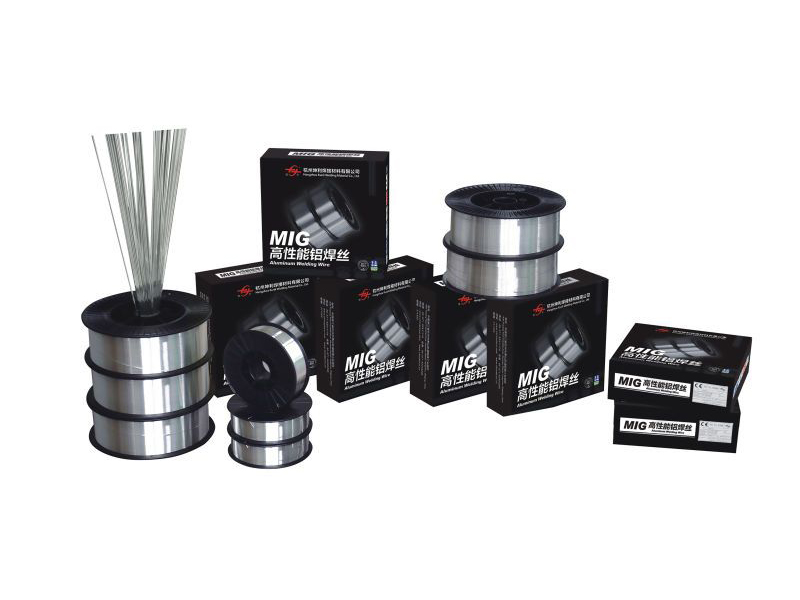
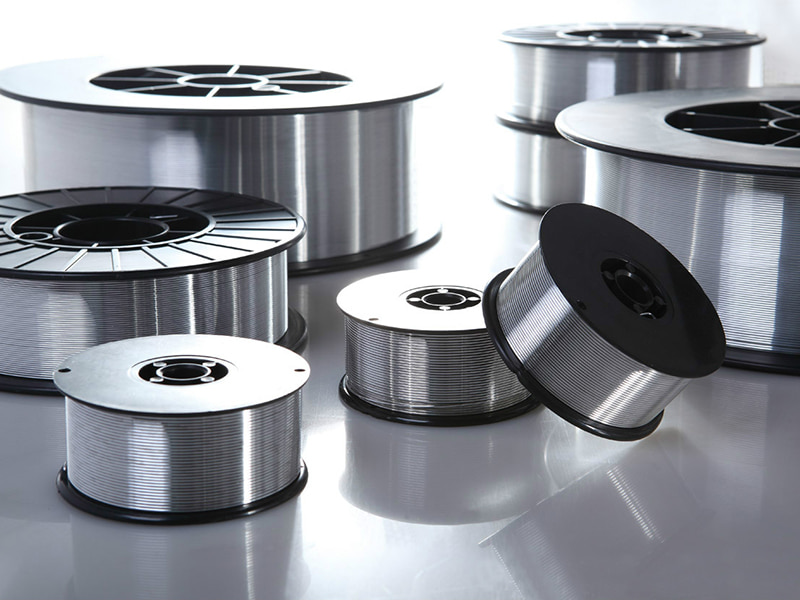
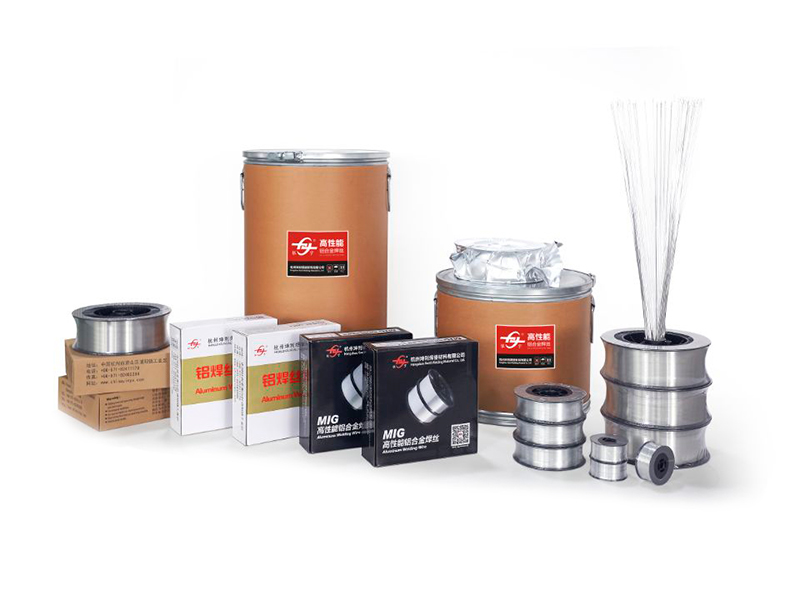
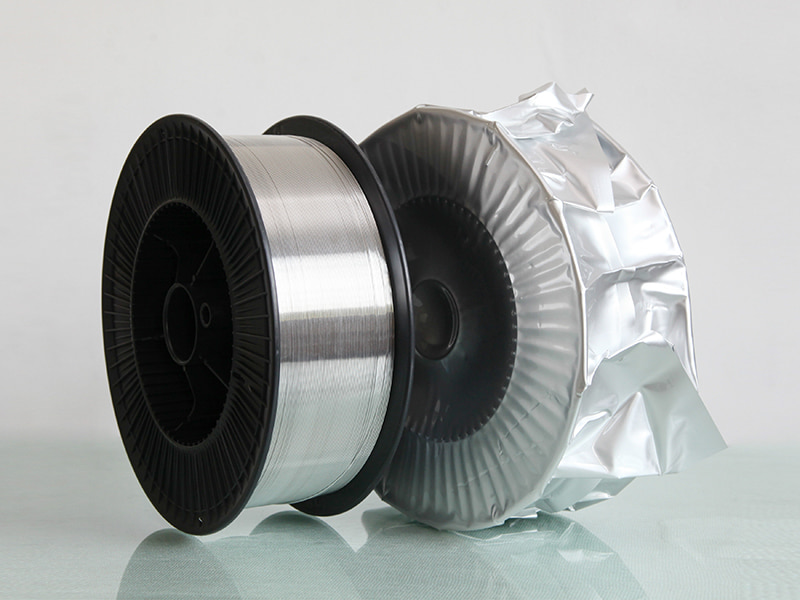
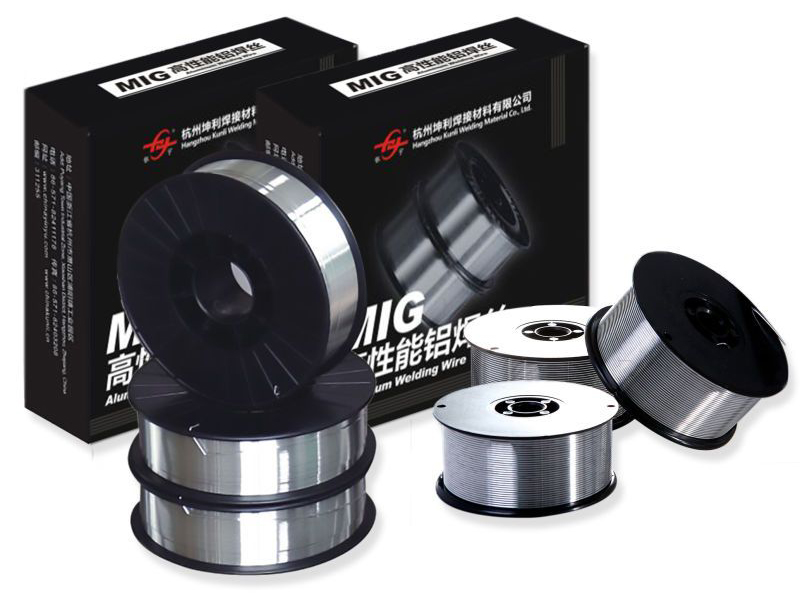
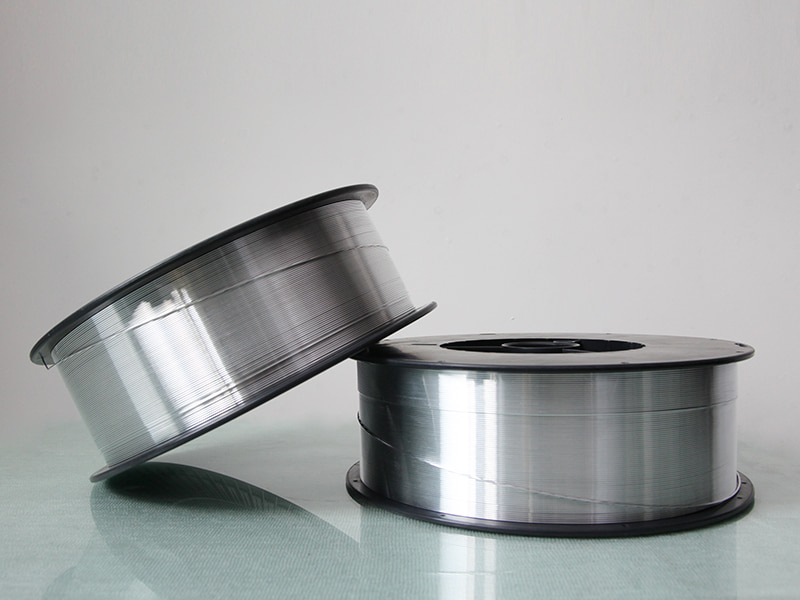
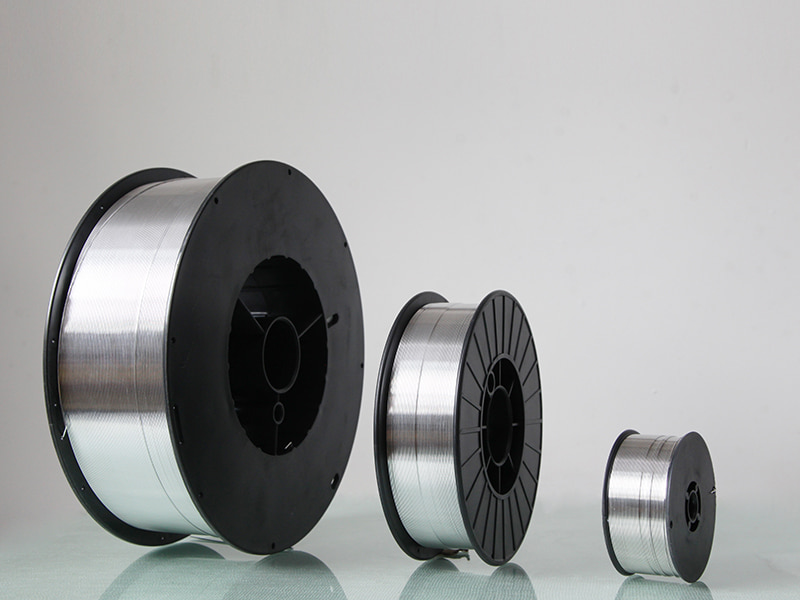
Industrial durability is defined by a material's ability to withstand punishment over a long service life. Our durable aluminum wires are engineered to create weld joints that resist cracking under dynamic loads, impact, and continuous mechanical vibration. By choosing ER5356 as the core of our durable line, we ensure the weld metal is ductile, strong, and highly resistant to the micro-failures that lead to fatigue cracking. This focus on long-term toughness makes our wire the preferred choice for heavy industrial machinery, material handling systems, and rugged outdoor equipment.
Specification
| Key Property | High Elongation, Impact Resistance, Fatigue Strength |
| Standard Alloy | ER5356 (High Al-Mg structural alloy) |
| Weld Type | Structural, Heavy-Duty, Dynamic Loading |
| Alternative | ER5183 (If higher strength is required for 5XXX base metal) |
| Compliance | AWS D1.2 (If structural code adherence is required) |
Applications and Solutions
Heavy Machinery Structures: Welding large structural components of excavators, cranes, and agricultural equipment.
Material Handling Systems: Fabrication of durable, lightweight conveyor frames, forklift parts, and storage racks.
Mining and Construction Equipment: Welding components exposed to impact and heavy wear in harsh environments.
Protective Housings: Fabrication of rugged electrical and mechanical housings that must withstand environmental and physical abuse.
FAQ
- Q: How does ER5356 provide better durability than ER4043?A: ER5356's Al-Mg microstructure is significantly tougher and more ductile, providing superior impact resistance and fatigue strength compared to the more brittle Al-Si microstructure of ER4043.
- Q: Is this wire suitable for welding thick aluminum plate?A: Yes. ER5356 is excellent for thick sections. Using larger diameter wire and multi-pass techniques can achieve high-quality, high-strength welds in plates up to 25 mm thick.
- Q: What is the main cause of failure in industrial aluminum welds?A: Fatigue cracking initiated by porosity or surface defects is the most common failure mode under continuous vibration and cyclic loading in industrial equipment.
English
Deutsch
English
Deutsch