Introduction
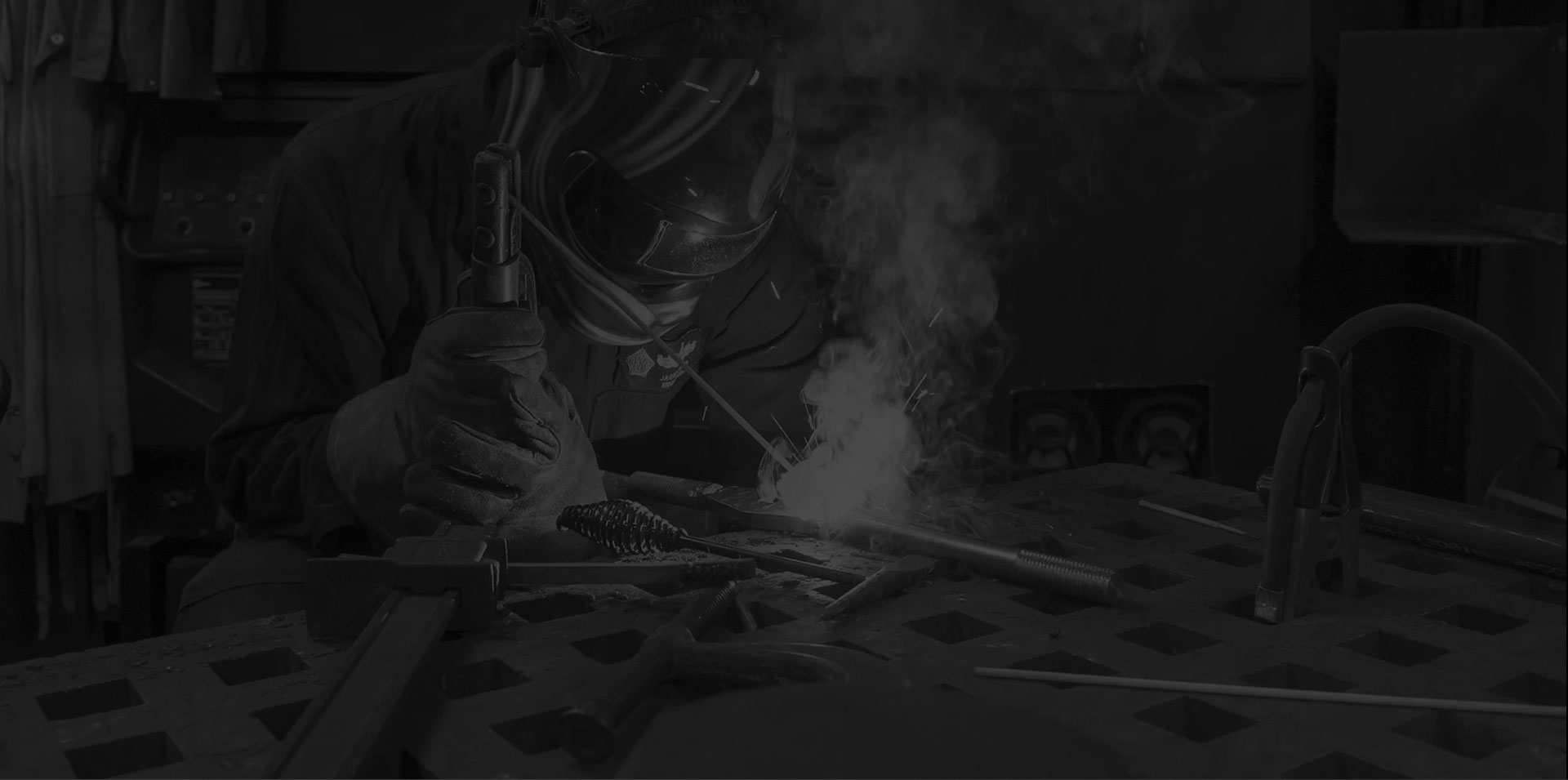
TIG welding remains the preferred method for high-precision, visually critical aluminum joints, particularly on thin gauge material or intricate assemblies. Our TIG rods are the product of decades of experience in drawing and cutting aluminum to the highest specifications. Each rod undergoes a proprietary cleaning and finishing process to ensure its surface is immaculate, which is vital for preventing arc wandering and porosity in the TIG weld. We offer packaging solutions designed to maintain this cleanliness, providing fabricators with the foundation for perfect, inspection-quality manual and automated welds.
Specification
| Alloy Forms | ER4043, ER5356, ER5183, ER1100, ER4047, etc. |
| Standard Diameters | 1.6mm, 2.4mm, 3.2mm (1/16 in to 1/8 in) |
| Standard Lengths | 914mm (36 in) is standard, with custom lengths available |
| Surface Finish | Brushed, bright finish, or chemically cleaned (low H2O residual) |
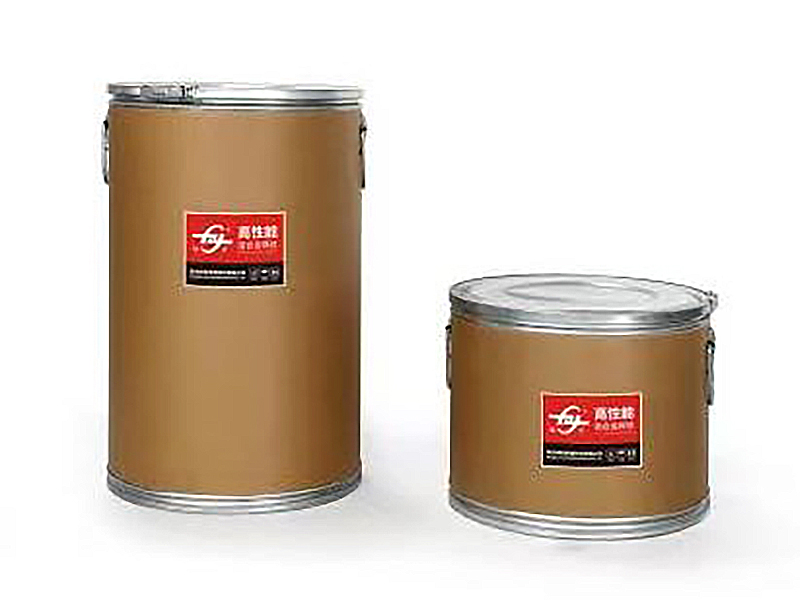
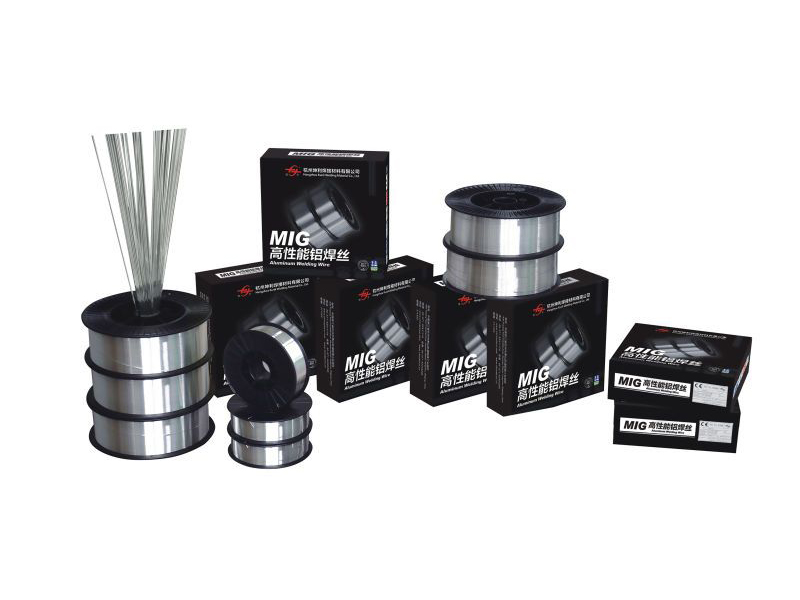
| Packaging | Sealed, moisture-resistant tubes (e.g., 4.5kg or 9.0kg packs) |
Applications and Solutions
Thin-Gauge Sheet Metal: Precision welding of aluminum panels, enclosures, and ducting where low heat input and minimal distortion are required.
Aesthetic and Cosmetic Welds: Ideal for architectural fittings, furniture, and specialty automotive parts where the weld bead appearance must be flawless.
Repair of Castings and Tooling: Manual repair of flaws, cracks, and wear in complex aluminum castings and molds using localized TIG heat.
Root Pass Welding: Used for high-integrity root passes in thick-section pipe and plate joints, often followed by high-deposition MIG filler passes.
FAQ
- Q: Why is cleanliness more critical for TIG rods than for MIG wire?A: In TIG welding, the filler rod is not automatically cleaned by the arc's heat. Any surface oxide or moisture on the TIG rod is immediately introduced into the weld pool, leading directly to porosity and weld defects visible to the naked eye.
- Q: Should I use a stainless steel brush on my aluminum TIG rods before use?A: No. High-quality rods (like ours) are chemically cleaned and protected. Brushing risks embedding small steel particles into the soft aluminum surface, which can cause severe weld contamination and defects.
- Q: What is the most common alloy for general aluminum TIG welding?A: ER5356 is the most widely used TIG rod for general purpose and high-strength welding, offering good flow and excellent strength for most 5XXX and 6XXX base metals.
English
Deutsch
English
Deutsch