Introduction
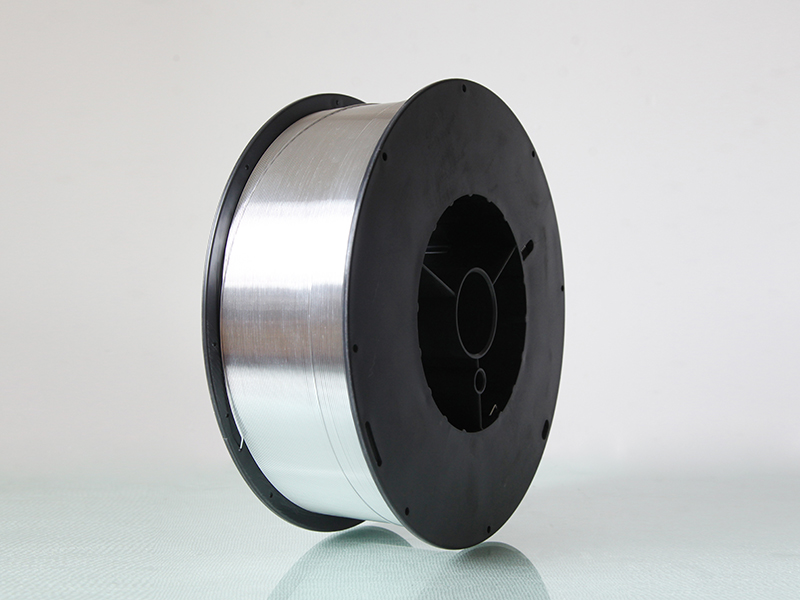
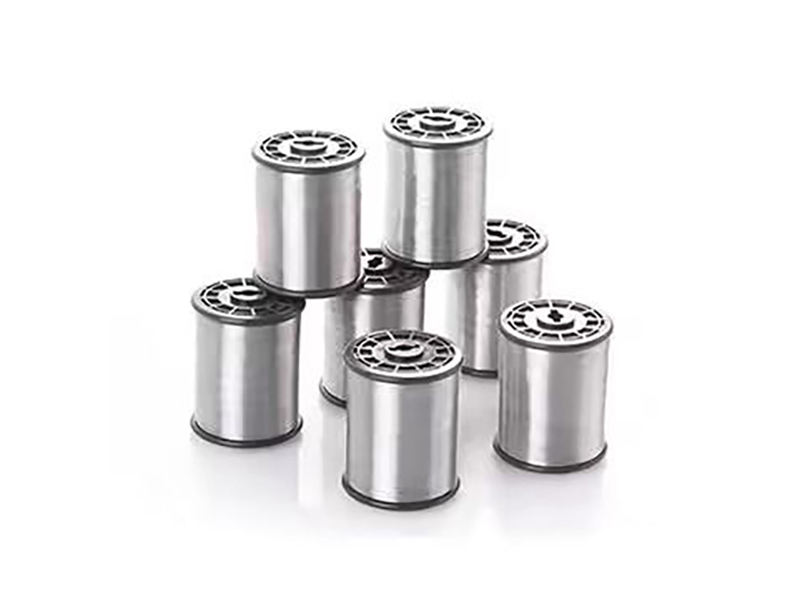
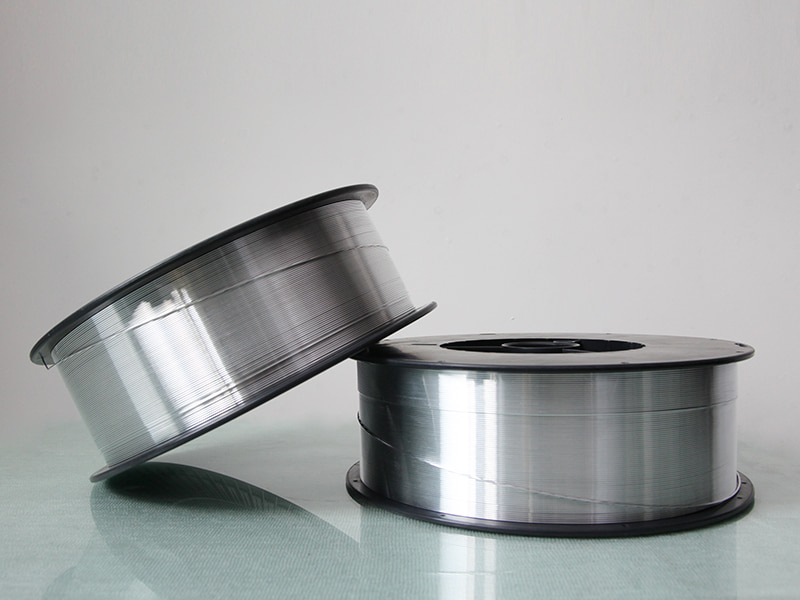
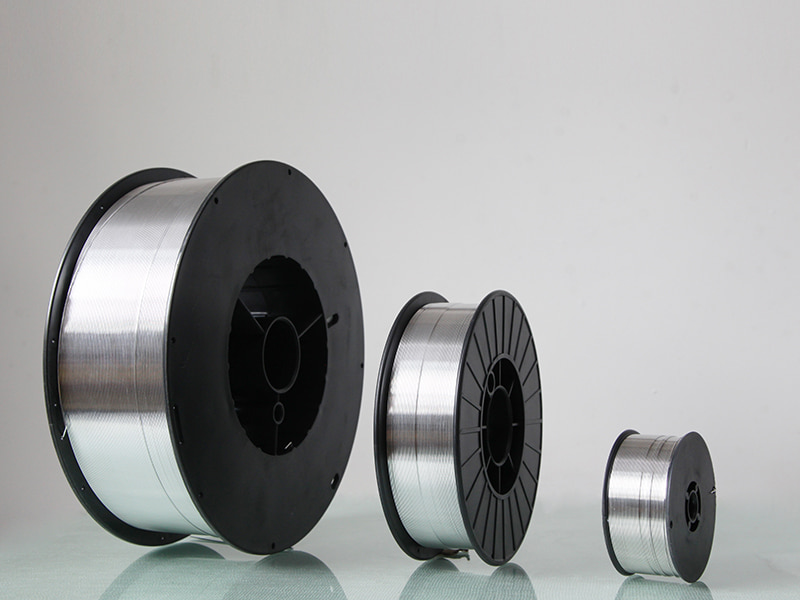
In aerospace, every kilogram saved translates directly into fuel efficiency and payload capacity. Our lightweight filler metals are critical enablers for next-generation aircraft and space vehicles. We focus on providing high-strength, low-density consumables, including advanced Al-Li wires that reduce density by up to 10% compared to traditional aerospace alloys. By guaranteeing material cleanliness and strict dimensional tolerance, we support automated welding processes that achieve defect-free joints essential for flight certification and maximum weight reduction.
Specification
| Key Metric | High Strength-to-Density Ratio |
| Alloy Focus | ER5183, Al-Li (Aluminum-Lithium) Wires |
| Required Standards | AMS 2417, MIL-STD-2219 (Traceability and Cleanliness) |
| Quality Focus | Low Oxide/Inclusion Content, Tightly Controlled Volatile Elements |
| Density Reduction | Up to 10% with Al-Li filler systems |
Applications and Solutions
Aircraft Fuselage and Wing Panels: Welding primary and secondary structures using Al-Li or high-strength Al-Mg alloys.
Space Launch Vehicle Tanks: Fabrication of cryogenic fuel tanks (Liquid Oxygen/Hydrogen) where toughness and minimal mass are non-negotiable.
Internal Aircraft Components: Welding seating tracks, bulkheads, and pressure domes where structural efficiency is critical.
Repair of Composite Structures: Used in hybrid joints between aluminum and carbon fiber components (when compatible coatings are present).
FAQ
- Q: What is the main challenge when welding Al-Li alloys?A: Lithium is highly reactive and volatile. The weld process must be extremely clean, use high-purity shielding gas, and the filler wire must be perfectly dry and oxide-free to prevent severe porosity and fuming.
- Q: Which conventional filler is used for general aerospace lightweight structures?A: ER5183 is the most common filler for high-strength, lightweight aerospace-grade 5XXX and 5XXX base metals due to its excellent strength and toughness.
- Q: Does lightweight wire mean less strong?A: No. The strength-to-weight ratio is maximized. The specialized alloys achieve high strength despite the lower density, sometimes exceeding the performance of traditional, denser structural alloys.
English
Deutsch
English
Deutsch