Introduction
Lightweighting is a core directive in the transportation industry, driving efficiency in rail cars, reducing CO2 emissions in vehicles, and increasing payload capacity. Our transportation-grade aluminum wires are the key to successfully joining the large aluminum extrusions and sheets that form modern vehicle bodies. We provide high-strength, fatigue-resistant consumables that meet the rigorous standards for passenger safety, structural performance, and longevity in both land and sea transport, ensuring millions of kilometers of reliable, efficient service.
Specification
| Key Metric | Strength-to-Weight Ratio, High Fatigue Life |
| Alloy Focus | ER5183, ER5356 (Structural), ER4943 (Heat-Treatable) |
| Welding Process | Optimized for High-Speed MIG / Pulsed MIG / CMT |
| Compliance Codes | EN 15085 (Rail), AWS D1.2 (Structural) |
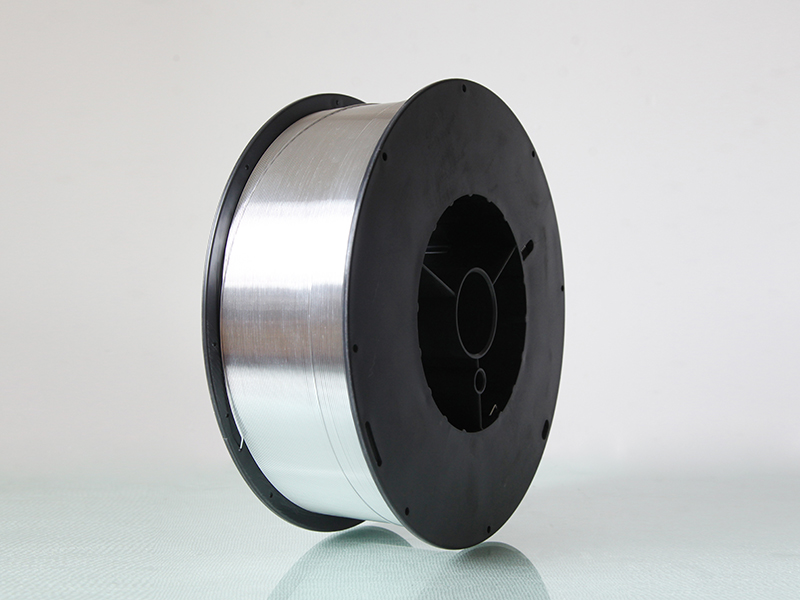
| Quality Control | Extremely consistent cast and helix for robotic systems |
Applications and Solutions
Rail Car Bodies: Welding the large aluminum extrusions that form the shell, roof, and floor of high-speed passenger trains and subways.
Automotive Structural Components: Fabrication of aluminum body-in-white (BIW), chassis, and battery enclosures for electric vehicles.
Truck and Trailer Bodies: Welding structural components, flatbeds, tankers, and refrigerated transport units.
Marine Vessels: Welding superstructures and high-speed hull sections where weight savings are paramount for speed and stability.
FAQ
- Q: Which aluminum base metals are most common in rail transportation?A: High-strength 6000 series extrusions (e.g., 6061, 6082) are dominant. ER5356 is the most commonly specified filler metal for these assemblies.
- Q: Why is consistent wire feeding so critical in transportation welding?A: Transportation component welding is heavily automated. Inconsistent wire feeding (poor cast or helix) causes arc wander, spatter, and stops, leading to expensive downtime and rework in high-volume, cost-sensitive production lines.
- Q: Is post-weld heat treatment (PWHT) used in transportation fabrication?A: Rarely for full assemblies (too large), but PWHT is used for smaller, critical cast components or sub-assemblies welded with heat-treatable fillers like ER4943 to regain T6 strength.
English
Deutsch
English
Deutsch