Introduction
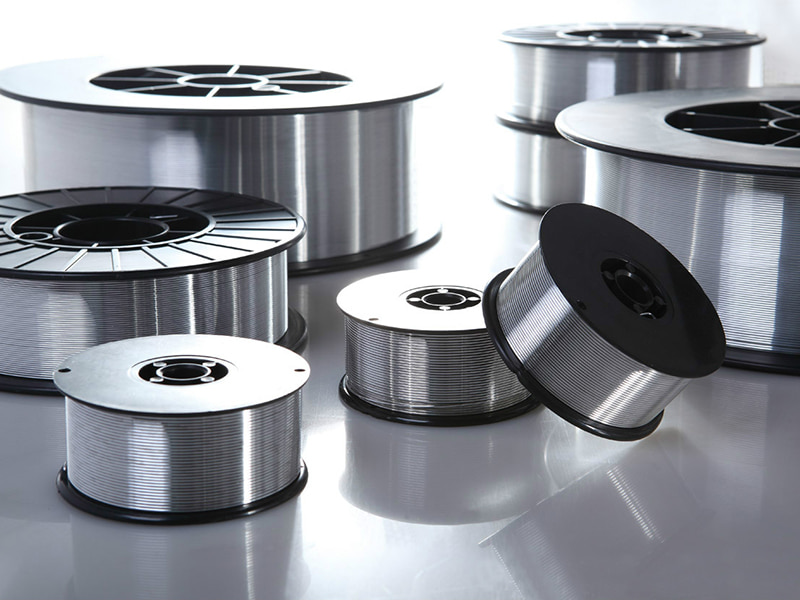
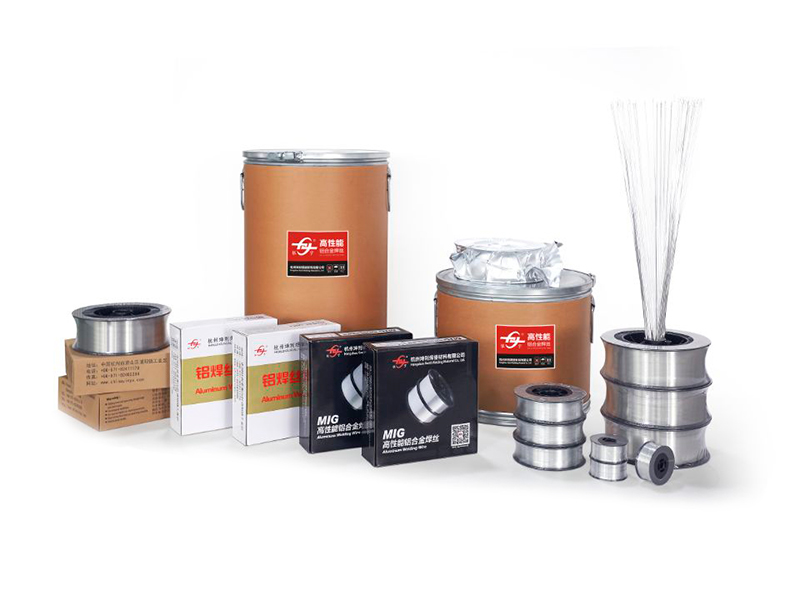
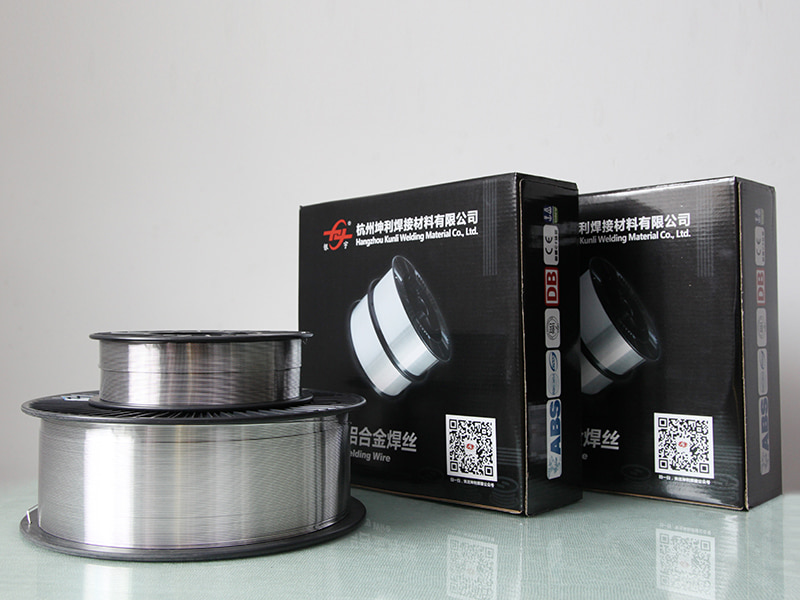
As a key supplier to the global marine, offshore, and structural fabrication industries, we specialize in high-performance 5XXX series consumables. Our production lineage includes meticulous billet casting and specialized shaving processes designed to minimize surface oxides and inclusion defects common in high-Magnesium alloys. This focus on material purity directly supports the use of our 5XXX fillers in safety-critical applications requiring full classification society approvals (e.g., DNV GL, ABS, CCS), reinforcing our role as a trusted partner where long-term durability is paramount.
Specification
| Alloy Grades (AWS A5.10) | ER5183 (4.3-5.2% Mg), ER5356 (4.5-5.5% Mg), ER5556 (5.0-5.5% Mg) |
| Key Additive Element | Magnesium (Mg) for strength and corrosion resistance |
| Tensile Strength (ER5183) | Typically 290 MPa (minimum) in as-welded condition |
| Yield Strength (ER5183) | Typically 135 MPa (minimum) in as-welded condition |
| Corrosion Focus | Optimized for high resistance to general and pitting corrosion in chloride-rich environments |
Applications and Solutions
Marine and Shipbuilding: Essential for welding aluminum ship hulls, decks, and superstructures utilizing high-strength 5083 and 5456 base metals, providing resistance to galvanic corrosion.
Cryogenic Service: ER5183 is the standard for joining LNG (Liquefied Natural Gas) tanks and pressure vessels, maintaining mechanical toughness down to −196∘C.
Structural and Transportation: Welding high-stress aluminum frames for railway carriages, large truck bodies, and crane booms where fatigue resistance is crucial.
Automotive Components: Used in the fabrication of high-strength structural components and battery enclosures for electric vehicles where crashworthiness is key.
FAQ
- Q: What is the main risk when using high-Magnesium 5XXX fillers at elevated temperatures?A: Alloys with high Mg content (above 3.0-3.5% Mg), particularly ER5356, can become sensitized to Stress Corrosion Cracking (SCC) if exposed to sustained temperatures above 65∘C. For these applications, lower Mg alloys like ER5183 or ER5087 are recommended.
- Q: Why is ER5183 often chosen over the more common ER5356 for critical marine welds?A: ER5183 offers slightly lower Mg content and often includes trace elements like Scandium or Zirconium (in the 5087 variant) for grain refinement and further mitigation of SCC risks, balancing strength and long-term environmental durability.
- Q: Are 5XXX welds color-matched for anodizing?A: No. 5XXX series welds typically turn a slightly different, often whiter, shade after anodizing compared to the 6XXX base metal, creating a visible color contrast due to the difference in the oxide layer composition.
English
Deutsch
English
Deutsch