Structural Integrity Experts
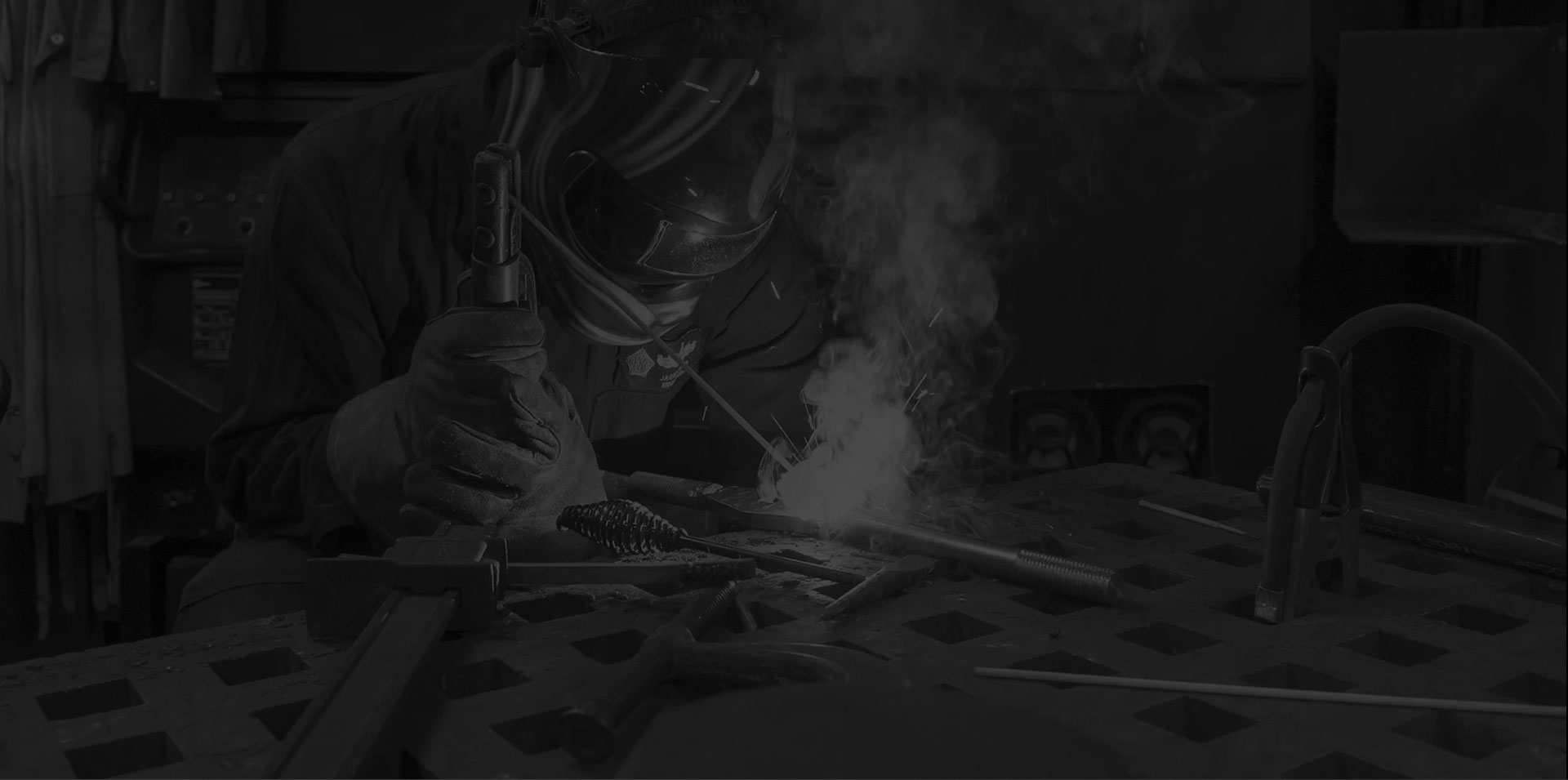
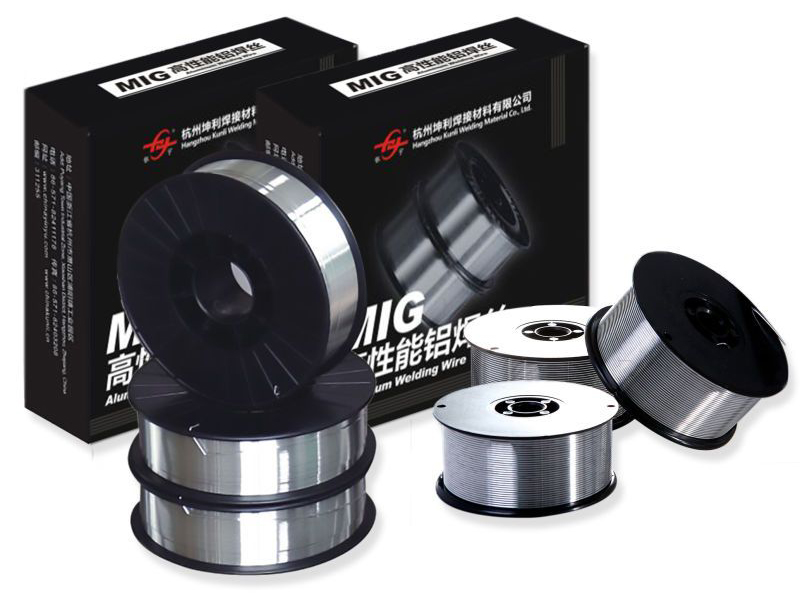
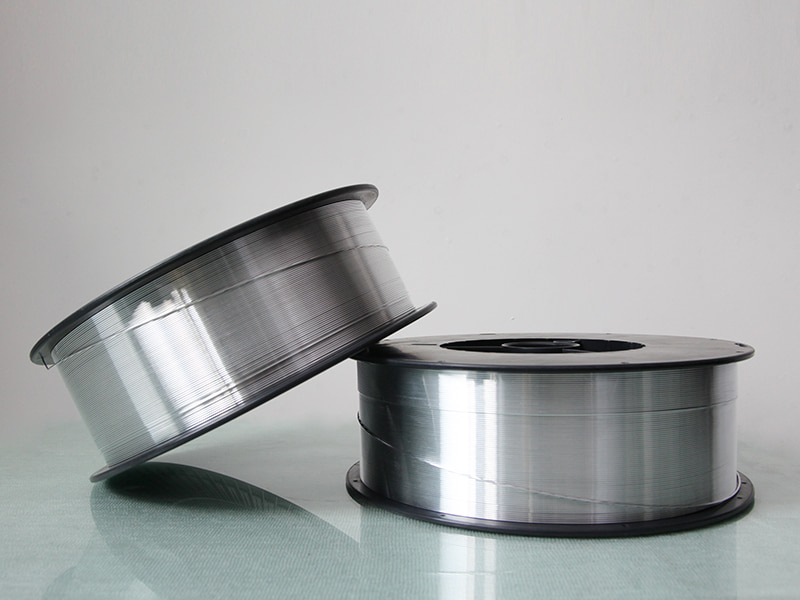
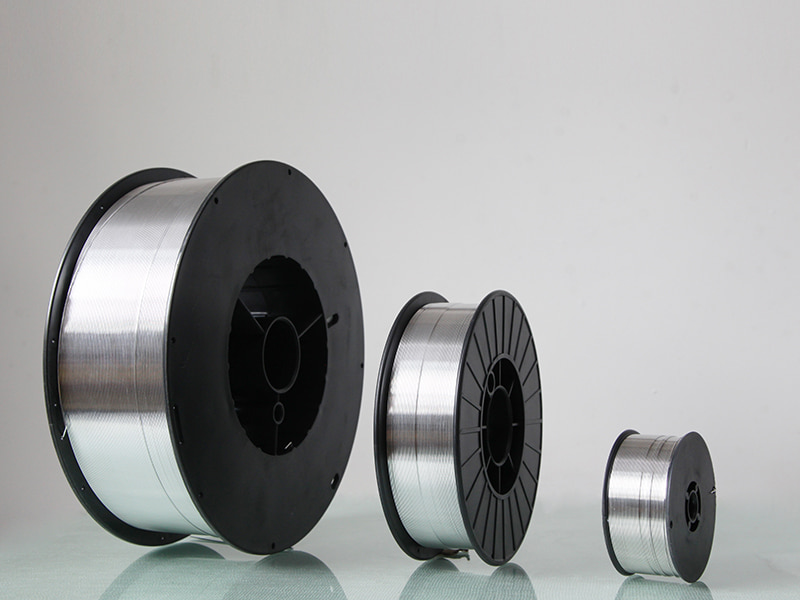
Our company specializes in the high-stakes world of structural aluminum welding. We recognize that 5154 is the "sweet spot" for engineers—providing the perfect balance between the workability of 5052 and the brute strength of 5083. Our welding solutions are designed to exploit these properties, providing a seamless transition from base metal to weld bead. We support global manufacturing by delivering 5154-specific procedures that ensure every joint meets the highest safety and performance metrics in the aerospace, defense, and industrial sectors.
Material Data Sheet
| Alloy Grade | AA 5154 / EN AW-5154 |
| Tensile Strength (UTS) | 215−285 MPa (As Welded) |
| Yield Strength | 100−195 MPa |
| Elastic Modulus | 70 GPa |
| Thermal Conductivity | 127 W/(m⋅K) |
| Melting Range | 593∘C−646∘C |
Industrial Solutions
Cryogenic Vessel Fabrication: Welding double-walled tanks for liquefied natural gas (LNG) where 5154 maintains toughness at −196∘C.
High-Pressure Fluid Lines: Fabrication of hydraulic conduits for aircraft and heavy machinery where vibration resistance is critical.
Architectural Cladding: Joining large-scale aluminum panels for high-rise exteriors that require high wind-load resistance and color-match anodizing.
Solution: Reducing hot-cracking in high-stress joints by utilizing optimized pulse-frequency MIG parameters tailored for the 5154 solidification range.
Professional FAQ
- Q: Why use 5154 instead of 5356 filler for all 5XXX welding?A: 5154 filler is used when you need to match the base metal's ductility and specific corrosion profile, especially for applications under 65∘C where high-Mg fillers like 5356 might be over-engineered.
- Q: What is the primary cause of porosity in 5154 welds?A: Hydrogen is the only gas with significant solubility in molten aluminum. Porosity is usually caused by moisture on the wire surface or contaminated shielding gas.