Introduction
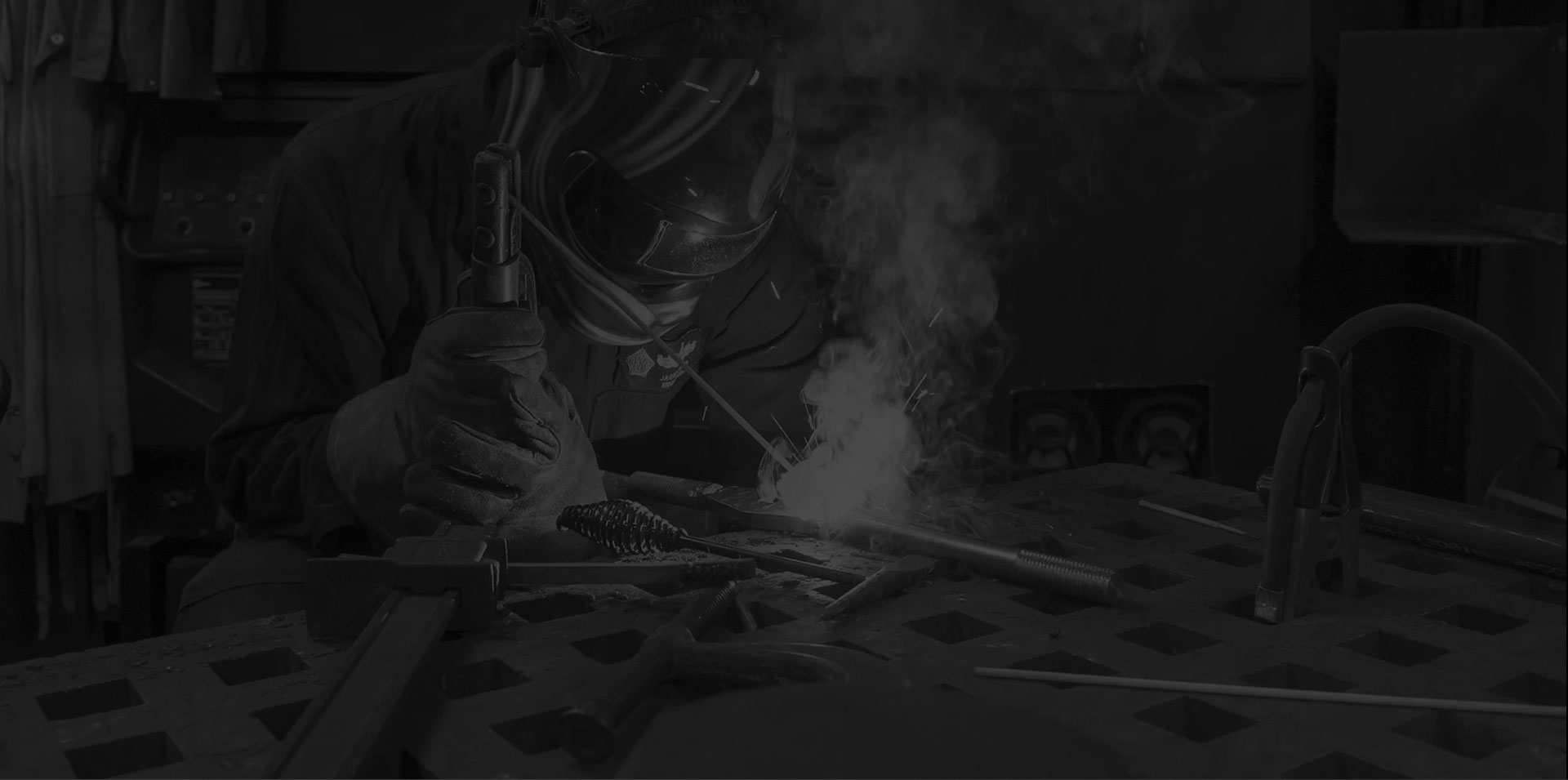
The integrity of structural aluminum frames, whether in buildings, transportation, or specialized machinery, depends entirely on the quality and strength of the welded joints. Our structural wire portfolio ensures that the filler metal contributes maximum strength and ductility to the joint, counteracting the strength loss that naturally occurs in the heat-affected zone (HAZ) of heat-treatable base metals like 6061. We provide the reliability needed to meet engineering safety factors and compliance standards for structural welding projects across heavy construction and civil engineering.
Specification
| Key Property | High Tensile and Yield Strength in the Weld Deposit |
| Alloy Focus | ER5356 (General), ER5183 (High Strength), ER4943 (Heat-Treatable) |
| Base Metal Compatibility | Optimized for 6XXX and high-strength 5XXX alloys |
| Compliance Standard | AWS D1.2 (Structural Welding Code—Aluminum) |
| Testing Focus | Transverse Weld Tensile Testing, Fatigue Testing |
Applications and Solutions
Architectural and Civil Structures: Welding load-bearing frames, columns, and trusses for buildings and canopies.
Vehicle Chassis and Subframes: Fabrication of aluminum undercarriage structures for heavy trucks, buses, and rail cars.
Bridge and Pedestrian Walkways: Welding large aluminum extrusions and plate in lightweight infrastructure projects.
Crane and Boom Manufacturing: Joining structural tubular members exposed to high cyclic bending loads.
FAQ
- Q: What is the strongest aluminum filler for general structural work?A: ER5183 generally provides the highest strength deposit among the non-heat-treatable fillers and is commonly used with high-strength base metals like 5083 or 5456. ER4943 can achieve high strength when post-weld heat treatment is applied.
- Q: How do I calculate the strength of a 6061-T6 weld joint?A: Due to HAZ softening, the design strength is governed by the softest part of the joint, often using the allowable stresses defined in structural codes like AWS D1.2, which are significantly lower than the base metal's original strength.
- Q: Why is porosity control important for structural welds?A: Porosity acts as a stress riser, drastically reducing the effective cross-sectional area and accelerating the initiation of fatigue cracks under cyclic loading, leading to premature structural failure.
English
Deutsch
English
Deutsch