Introduction
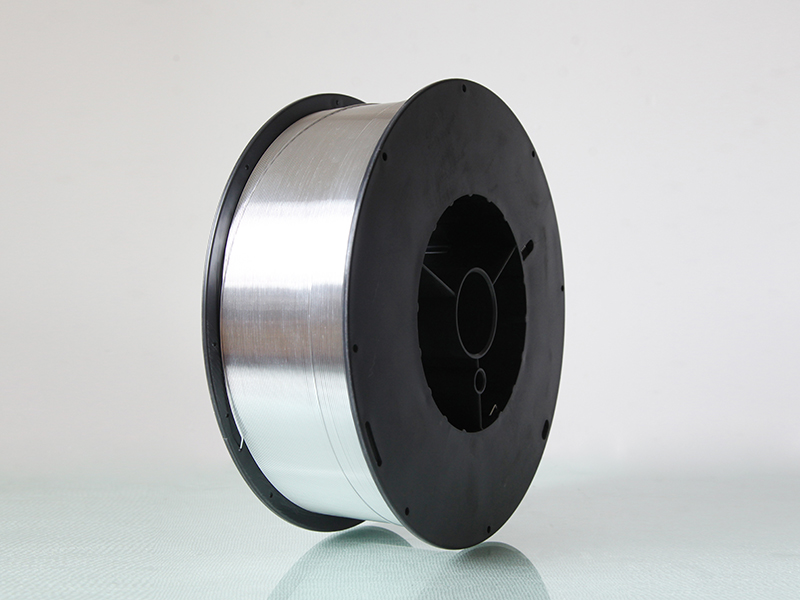
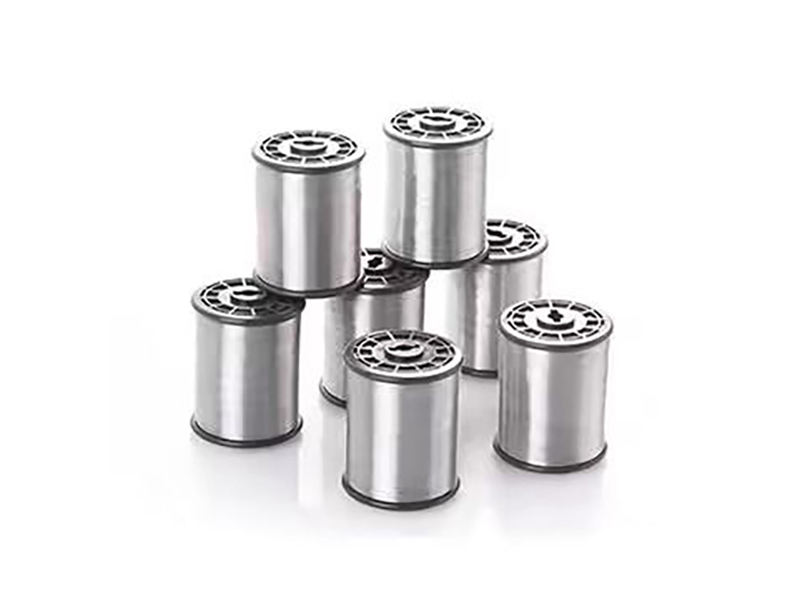
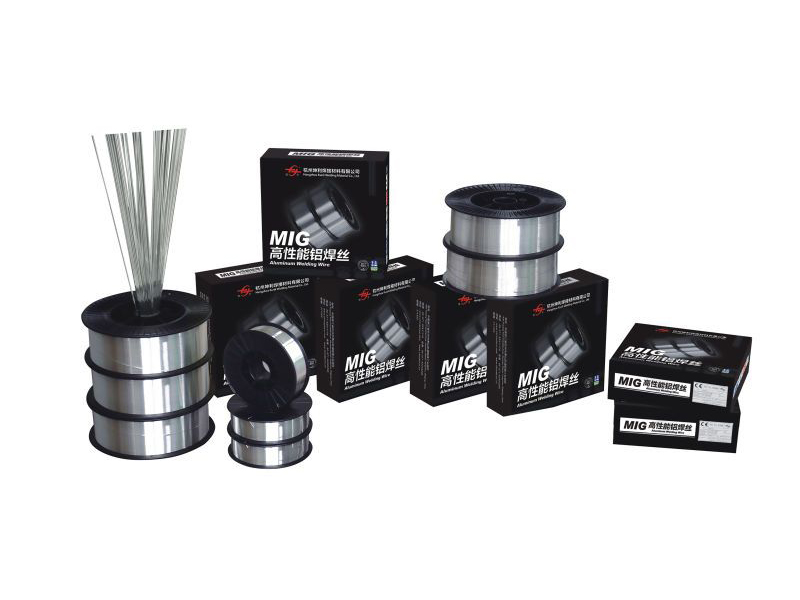
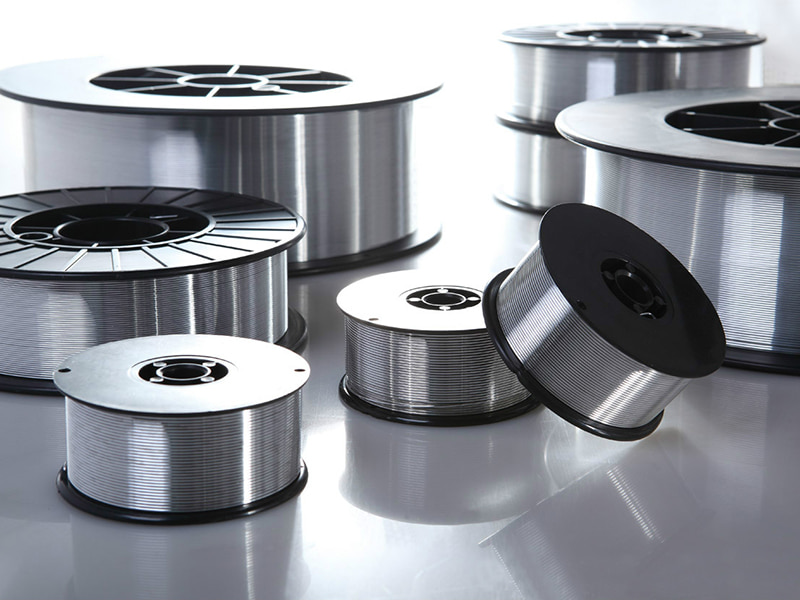
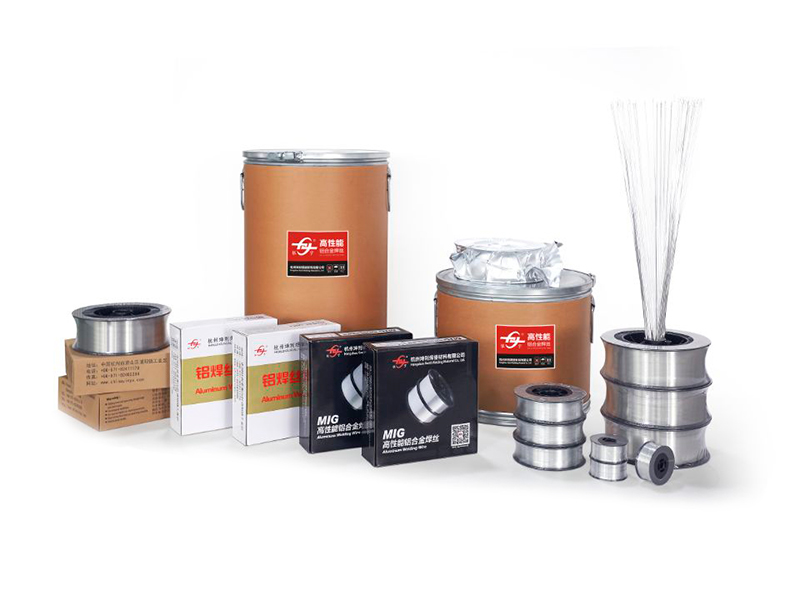
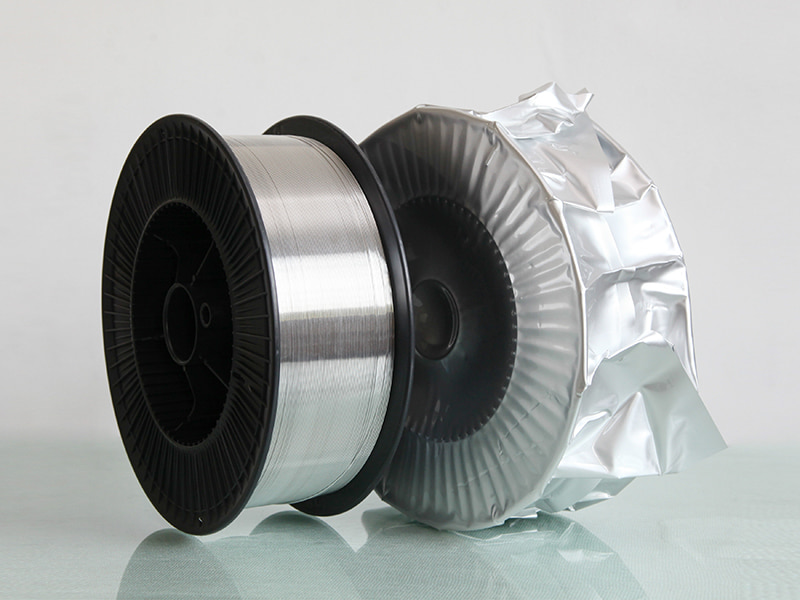
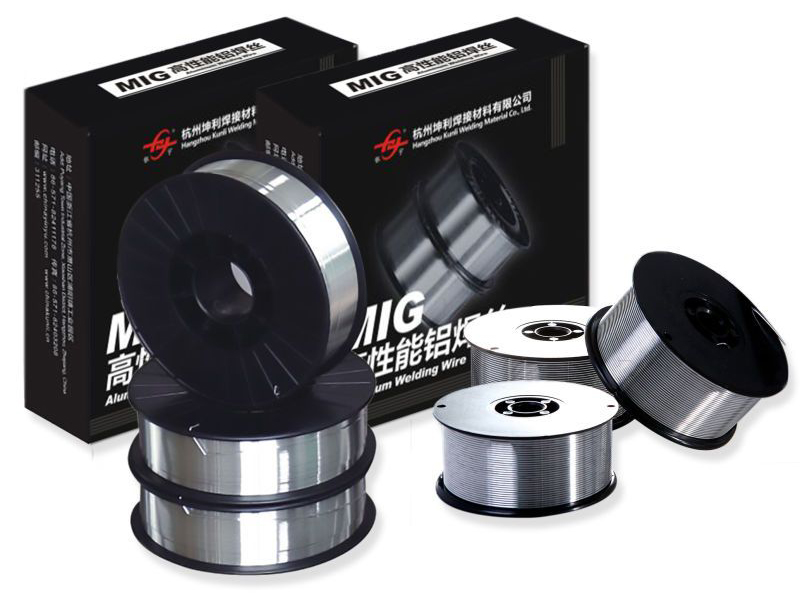
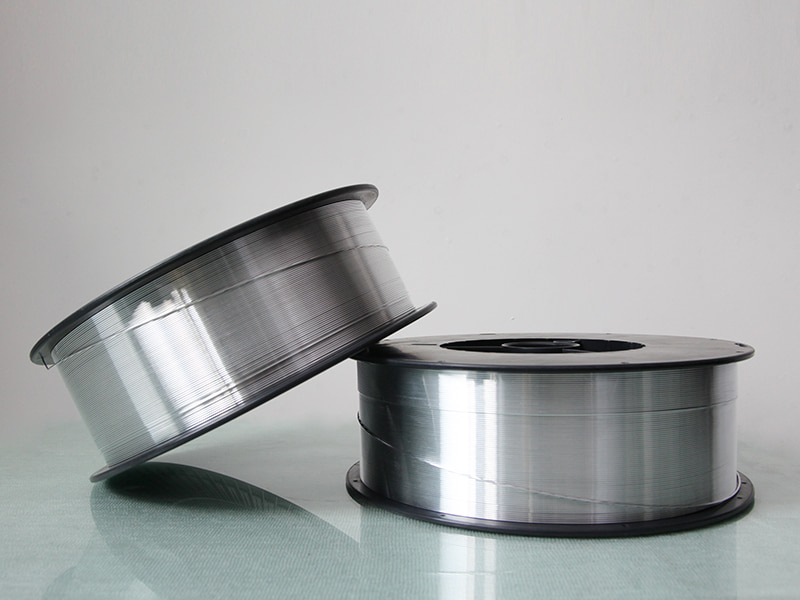
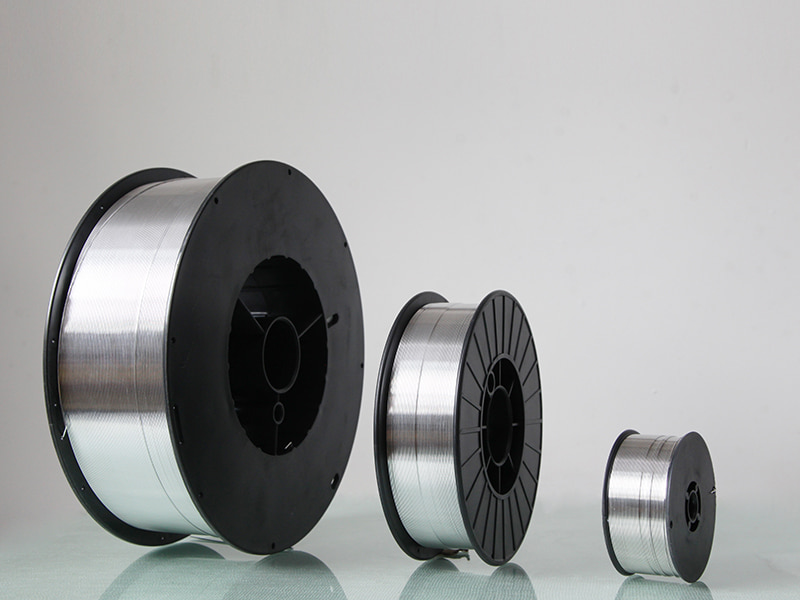
Precision engineering relies on flawless material performance, especially when component size is small or welding speeds are high. Our precision aluminum wire guarantees the sub-millimeter accuracy and cleanliness necessary for modern manufacturing. By controlling the wire's geometry and surface chemistry to unprecedented standards, we eliminate common arc instability issues, minimize spatter, and ensure repeatable weld bead profiles. This is essential for industries where component mass and geometry are tightly controlled, such as electronics, optics, and specialized automation systems.
Specification
| Key Parameter | Dimensional Tolerance (±0.005 mm typical) |
| Control Feature | Cast and Helix Control (Tight coiling and straightness) |
| Surface Requirement | Ultra-Low Oxide and Lubricant Residue |
| Alloy Focus | ER4043, ER5356 (High-purity variants) |
| Typical Diameter | 0.8 mm to 1.2 mm for automated systems |
Applications and Solutions
Automated Robotic Welding: Wire optimized for consistent feeding and low friction in automated high-speed MIG/MAG systems.
Miniature Component Fabrication: Welding thin-walled or small aluminum parts (e.g., electronic housings, small heat sinks) where heat input must be minimized.
Sensor and Instrumentation Housings: Fabrication of precision enclosures where geometric accuracy and pressure integrity are paramount.
High-Precision Repair: Used in laser welding and repair of complex, expensive aluminum molds and dies.
FAQ
- Q: What is "cast and helix" and why is it important for precision wire?A: Cast is the diameter of the loop the wire naturally forms, and helix is the deviation from a flat plane. For precision robotic welding, these must be extremely tight to ensure the wire tip consistently meets the weld joint at the exact programmed point.
- Q: How do you achieve the tight dimensional tolerance?A: Through specialized, slow-speed, multi-stage drawing dies and continuous laser micrometers that monitor and adjust the final diameter in real-time.
- Q: Can this wire be used for pulse welding?A: Yes, in fact, the stability and cleanliness of precision wire are particularly beneficial for Pulsed MIG welding, where consistent current density is crucial for droplet detachment.
English
Deutsch
English
Deutsch