English
 Deutsch



Aluminum Welding Wire After Opening: How Should the Spool Be Handled?
Article Directory
The delivery carton is opened, a spool is issued to production, and only part of the wire is used. What happens to the remaining spool when the job pauses? This everyday handling question deserves a defined process, particularly when several wire types and diameters move through the same workshop.
An unopened package and a partly used spool are different storage situations. Buyers should ask for guidance that addresses the actual consumable and packaging arrangement. The aim is to preserve identification and limit contamination during handling, without inventing a universal shelf life or recovery treatment.
Before an opened spool returns to stores
- Confirm wire identity before removing or issuing a spool.
- Follow the approved method for securing and handling it.
- Protect unused wire according to the applicable guidance.
- Keep the identification with the stored spool.
- Refer uncertain condition to the responsible welding or quality team.
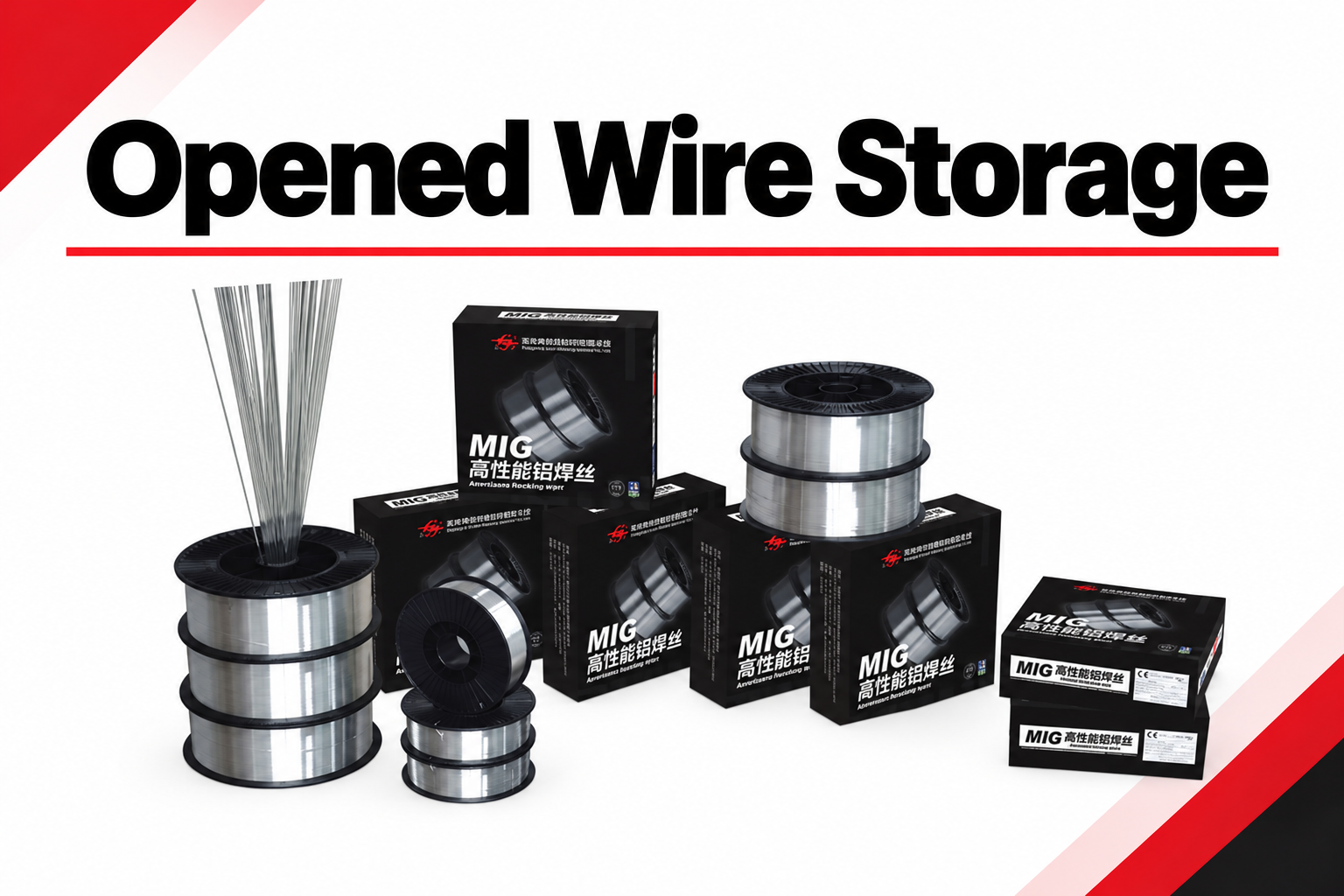
Keep the material identity with the spool
Start with the selected consumable in the aluminum welding wire range and its supplied identification. Record the alloy designation, diameter, batch or lot information and any relevant product reference shown by the supplier. A spool separated from its outer carton should remain identifiable through the workshop's approved system.
Do not rely on wire appearance to distinguish materials. Similar-looking wire can belong to different specifications. When a spool moves between a store and a machine, the issue record should connect it to the intended job without requiring the operator to guess which opened package it came from.
Keep the original product information available according to the organization's quality process. This supports later investigation and helps purchasing ask the supplier a precise question if storage or handling conditions become uncertain. Identification is useful even when no problem has occurred.
Ask for guidance on the opened condition
Request the supplier's handling and storage instructions for the actual wire and package. Ask whether the advice distinguishes unopened stock from a spool that has been exposed in the workshop. A general instruction to store in a dry place may need practical clarification for the site's operating routine.
Do not add an arbitrary maximum open period to the procedure. If the organization needs a time-based rule, it should be established through the applicable consumable guidance and responsible welding or quality review. An unsupported rule can create waste without establishing that the remaining wire is suitable.
| Handling point | Information to keep | Question to resolve |
|---|---|---|
| Spool identity | Alloy, diameter and lot reference | Can the wire be matched to the job? |
| Opened package | Date and relevant exposure record | Which condition needs review? |
| Storage arrangement | Supplier guidance and local process | How is unused wire protected? |
| Machine changeover | Issue and return identification | Could materials become mixed? |
| Uncertain condition | Observed issue and handling history | Who decides the next action? |
Limit unnecessary contact and exposure
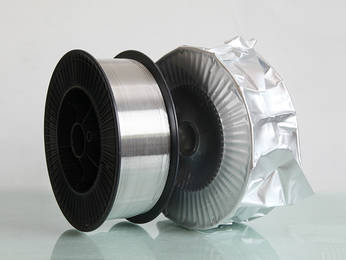
Use handling methods that avoid touching the wire surface unnecessarily and keep the spool away from workshop contamination. Follow the supplier's instructions and the site's approved process for protective packaging or storage. Do not assume that any available bag or container is appropriate simply because it covers the wire.
When wire is returned from a machine, identify whether the original package remains suitable for reuse. A damaged or dirty package may introduce a new concern. The responsible team should decide the appropriate arrangement rather than allowing each operator to improvise a different method.
Keep the spool secure during movement so loose wire does not unwind or become damaged. Use the approved retention method for the spool and feeding system. Avoid bending wire back into service after a handling incident without the review required by the welding process and quality procedure.
Coordinate the pause with the machine routine
A short production pause and removal of a spool for storage are different events. Define which action is expected for the operating situation. The machine and wire guidance should inform that decision, together with the workshop environment and planned downtime.
When a spool is removed, preserve enough information to return it to the intended process. Record the consumable identity and any relevant handling issue. Do not treat the remaining wire as anonymous stock simply because the original carton is no longer beside the machine.
Do not improvise a recovery treatment
If wire has been exposed to an uncertain environment or shows a concern, record what is known and seek the appropriate review. Do not prescribe heating, chemical cleaning or another recovery treatment from general workshop advice. Such action may be unsuitable for the consumable or the controlled welding process.
Photographs can help describe visible damage or packaging condition, but they cannot establish all aspects of wire suitability. Give the supplier or responsible welding specialist the product identification, exposure history and observed issue. Separate facts from assumptions about what caused the concern.
An uncertain spool should not silently re-enter production. Follow the organization's disposition process and make the status clear to the people issuing material. This is a traceability and quality decision; it should not depend on whether the spool still looks full enough to use.
Put opened stock into the purchasing discussion
If a workshop repeatedly leaves large partly used spools, review whether the ordered package size suits the production pattern. Compare available options with feeder compatibility, order requirements and handling practicality. Do not choose a smaller package solely on appearance without checking the complete supply and machine requirements.
Ask the supplier to provide consistent product identification and current handling guidance with repeat orders. Keep any revised advice connected to the consumable version it covers. A clear process for opened wire supports cleaner handovers between purchasing, stores and production without promising that storage practice alone guarantees weld quality.