English
  Deutsch


How to Reduce Porosity With 4943 Aluminum Welding Wire
Article Directory
- 1 Why Aluminum Welding Is Particularly Prone to Porosity
- 2 What Sets ER4943 Apart — and Where the Risks Are
- 3 Surface Preparation: The Step That Can't Be Skipped
- 4 Does Wire Storage Affect Porosity Outcomes?
- 5 Shielding Gas: Purity and Delivery Both Matter
- 6 Welding Parameters and Their Influence on Porosity
- 7 Equipment Maintenance: Small Problems, Large Consequences
- 8 Common Mistakes That Increase Porosity Risk
- 9 Application-Specific Considerations
- 10 Sourcing and Supply Chain Considerations
You call a weld clean, it passes visual inspection, and then it fails under load — or worse, fails at a customer site. Porosity in aluminum welds has a way of hiding until the moment it matters. If you're running aluminum fabrication and keep fighting this problem despite adjusting your parameters, you're probably dealing with overlapping causes that don't respond to single-point fixes. The frustration is real, and it's common. When working with 4943 Aluminum Welding Wire, understanding what actually drives porosity — not just surface-level symptoms — changes the way you approach the whole process.
Why Aluminum Welding Is Particularly Prone to Porosity
Here's the core issue: aluminum pulls hydrogen in when it's molten. As the weld pool cools and hardens, that hydrogen gets locked inside. No escape route. The result is trapped gas pockets — porosity.
What complicates things is that hydrogen doesn't come from one place. It comes from several at once:
- Surface moisture on the base metal
- Contamination carried on the filler wire
- Impurities or moisture in the shielding gas
- Ambient humidity around the weld zone
Patch one and the others keep feeding the problem. That's why a single corrective action often produces disappointing results — the remaining sources pick up the slack. Real improvement tends to come from addressing all of them together, systematically, rather than chasing one variable at a time.
What Sets ER4943 Apart — and Where the Risks Are
ER4943 is an aluminum-silicon filler developed to move past some of the limitations of older alloys. Compared to 4043, it delivers better flow behavior and lower hot cracking sensitivity — characteristics that make it a practical choice for automotive parts, thin-section assemblies, and structural aluminum work.
None of that, however, changes its fundamental relationship with hydrogen. The chemistry modification shifts how certain weld properties perform; it doesn't build in any immunity to contamination-driven porosity. Treating it with the same care you'd apply to any aluminum filler — clean conditions, proper storage, controlled process — isn't optional. It's just what working with aluminum requires.
Surface Preparation: The Step That Can't Be Skipped
The oxide layer on aluminum is tenacious. Remove it, and it starts coming back within minutes. Prepare a part an hour before welding, and the window you created may already be partially closed by the time the arc strikes. That's the nature of the material.
A practical preparation sequence:
- Wipe down the base metal with a clean solvent. Use a fresh, lint-free cloth each time — one that hasn't touched anything oily or contaminated on a previous job.
- Scrub the surface with a stainless steel brush used exclusively for aluminum. Brushes that have touched carbon steel carry iron particles. Those particles don't belong in an aluminum weld.
- Weld soon after cleaning. The longer the gap, the more oxide and moisture rebuild on the surface.
- For parts that were prepped earlier and left sitting in the shop — even overnight — clean them again. It doesn't matter what they looked like when they were cut.
Skipping any part of this sequence is one of the more reliable ways to introduce porosity into otherwise well-controlled welds. It sounds basic because it is. But basic steps get dropped under production pressure, and that's where the problems start.
Does Wire Storage Affect Porosity Outcomes?
More than many operators expect.
Aluminum filler wire absorbs moisture from the air around it — it's hygroscopic. A spool sitting on a shelf in an open shop environment picks up surface moisture over time, and that moisture goes straight into the weld pool when the wire feeds through the arc.
Storage habits worth building in:
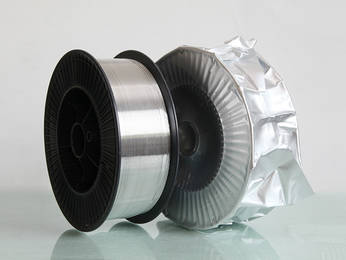
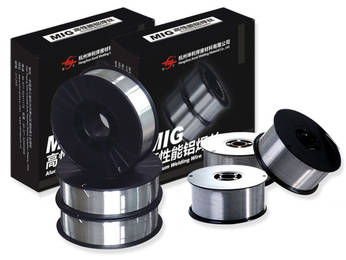
- Keep wire sealed in its original packaging until it's actually needed
- Store spools in a dry area with stable temperature — away from shop doors, HVAC vents, or anywhere condensation tends to form
- Before loading a spool, check the surface. Discoloration or visible oxidation on the wire is a sign it's been compromised
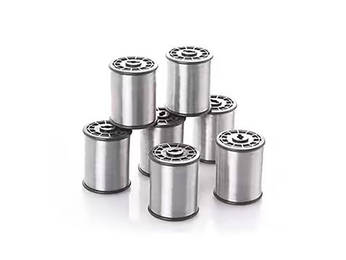
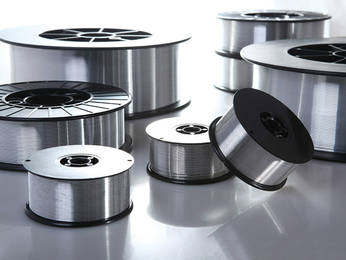
- For high-volume operations sourcing Aluminum Welding Wire for sale in bulk, make moisture barrier packaging a specific requirement in supplier conversations
There's a broader point here. Wire condition at the point of use reflects decisions made long before it arrived at your facility — how it was packaged, how it was warehoused, what conditions it traveled through. Supply chain hygiene matters in ways that don't always show up until a batch performs inconsistently.
Shielding Gas: Purity and Delivery Both Matter
Argon is the standard choice for aluminum MIG and TIG welding, and both its purity and the integrity of the delivery system shape what actually reaches the weld zone.
Things worth checking in the gas system:
- Confirm gas purity directly with your supplier. Trace moisture in the supply introduces hydrogen to the weld — exactly the element you're trying to exclude.
- Check every hose connection and fitting for air ingress. A small leak anywhere in the line contaminates the flow without triggering any obvious warning.
- Set flow rates with care. Too low leaves the pool exposed; too high causes turbulence that pulls in surrounding air rather than keeping it out.
- Be aware of airflow in the welding area. A fan, an open door, or a nearby HVAC vent can physically push the gas column away from the arc even when the flow rate looks right on the gauge.
One thing that trips up even careful operations: a gas hose that looks fine from the outside can still have small holes or a loose fitting that lets air bleed in. If porosity starts appearing in a process that was previously clean, checking the gas system before touching parameters is usually time well spent.
Welding Parameters and Their Influence on Porosity
| Parameter | Effect on Porosity | Practical Guidance |
|---|---|---|
| Travel Speed | Moving too fast traps gas before it can escape from the weld pool | Maintain a steady travel speed that allows gas to release before solidification |
| Heat Input | Low heat causes the weld pool to solidify too quickly | Consider preheating thicker sections to improve gas escape and fusion |
| Arc Length | Excessive arc length reduces shielding gas coverage | Keep the arc length short, consistent, and close to the workpiece |
| Contact Tip Condition | Worn contact tips can destabilize the arc | Replace contact tips on a scheduled basis, not only after obvious failure |
| Wire Feed Speed | Inconsistent wire feed disrupts arc stability | Regularly inspect and maintain drive rollers and liner condition |
Parameter interactions are easy to underestimate. A setting that delivers clean welds on freshly prepared, dry material may behave differently on parts with more surface contamination or on a humid day. When material batches change, revisiting parameter settings is a habit that tends to prevent problems rather than chase them.
Equipment Maintenance: Small Problems, Large Consequences
Equipment degradation contributes to porosity in ways that are easy to miss precisely because the change is gradual. A nozzle that's partially blocked with spatter, a liner worn enough to shed debris, contact tips used past their useful life — none of these announce themselves. They just quietly reduce quality over time.
Maintenance checks that belong in the regular schedule:
- Clean or swap out the gas nozzle often enough to prevent spatter buildup from narrowing the gas flow path
- Replace the wire liner when feed resistance goes up — a worn liner produces fine metal particles that contaminate the wire on its way to the arc
- Rotate contact tips on a defined cycle. Waiting for visible failure means welding with degraded tips longer than necessary
- Check that the wire feed mechanism applies even, consistent pressure. Too much pressure deforms the wire and changes how the arc behaves
- Periodically clean inside the gun and cable, especially in high-volume environments where debris builds up without being visible from the outside
Production environments make it easy to defer maintenance. The effect shows up as a gradual shift in weld quality that's hard to trace back to a specific cause — until a full equipment check reveals the accumulation of small neglected items.
Common Mistakes That Increase Porosity Risk
Experienced welders develop routines, and some of those routines quietly work against weld quality over time. A few patterns that tend to recur:
- Reusing preparation cloths and brushes that have already picked up oil, grease, or ferrous particles from other jobs
- Welding on cold base metal without accounting for how shop temperature affects condensation on the surface
- Pulling wire from old, partially used spools that have been sitting in ambient conditions between jobs
- Writing off intermittent porosity as normal variation rather than looking for what's actually changing
- Changing one variable at a time while the real cause involves multiple overlapping factors
That last point about intermittent porosity is worth dwelling on. When defects appear and vanish without a clear explanation, the cause is usually something that shifts over the course of a shift — wire condition degrading, a gas fitting loosening, equipment wearing. Fixed process errors produce consistent defects. Variable ones mean the root cause is itself changing. That distinction shapes how you investigate.
Application-Specific Considerations
Not all applications tolerate the same level of porosity, and not all carry the same risks. Where a weld lives determines how tightly the controls need to run.
Automotive and transportation parts frequently use thin-section aluminum under mechanical stress. Here, surface prep and shielding coverage carry particular weight — porosity in a fatigue-loaded joint has consequences that go beyond cosmetics.
Structural aluminum for architectural or industrial use typically involves heavier sections where preheat behavior and wire condition have a larger influence on consistent joint quality.
Energy storage and enclosed assemblies may carry leak-tight requirements that make even minor internal porosity a rejection condition. In those applications, process documentation and cleaning records aren't optional extras — they're part of how the quality system functions.
Marine and field fabrication adds the challenge of working outside a controlled shop environment. Humidity, temperature swings, and exposure during work all amplify the risks that are manageable in a factory setting. Wire handling and storage discipline becomes especially critical when you can't control the conditions around you.
Sourcing and Supply Chain Considerations
The wire's condition when it arrives at your facility reflects a chain of decisions that started long before it reached you. When reviewing Aluminum Welding Wire for sale, a few supply-side questions are worth asking directly:
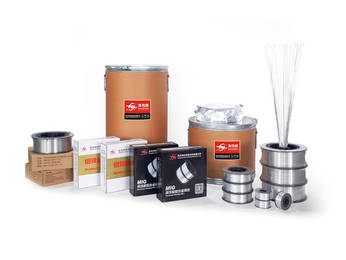
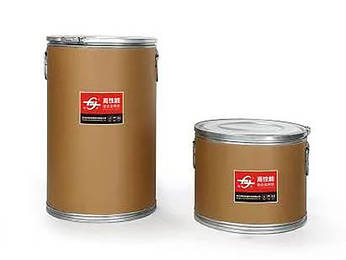
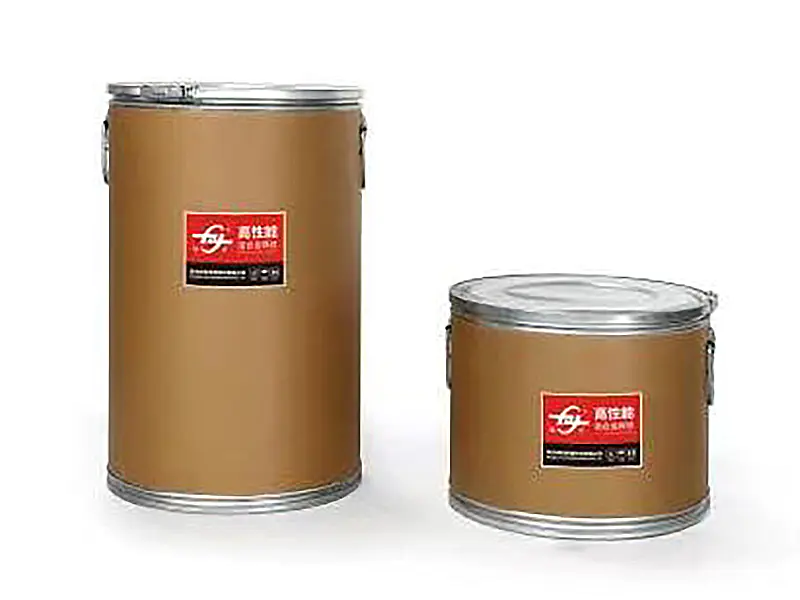
- Packaging format: Vacuum-sealed or moisture-barrier packaging maintains wire condition through shipping and storage in a way that loosely wrapped alternatives don't
- Distributor storage practices: Wire held in a poorly conditioned warehouse absorbs environmental moisture before it ever enters your production line
- Batch traceability: When a quality issue appears and seems material-related, being able to identify the specific production batch is what makes root cause analysis possible
- Batch-to-batch consistency: Variation in wire chemistry or surface condition between orders creates weld inconsistency even when the process settings haven't changed
Treating wire as a commodity — evaluated primarily on price — tends to introduce exactly the kind of variability that produces intermittent porosity. Supplier conversations that cover packaging, storage, and traceability up front reduce those risks before they reach the weld.
Porosity in aluminum welding rarely has a single cause, and it rarely responds to a single fix. What actually changes the outcome is bringing together clean base metal, properly stored wire, verified shielding gas, well-maintained equipment, and parameters set for the actual material in front of you — and then keeping those conditions consistent across shifts and batches. That combination is achievable; it just takes deliberate attention to each part of the chain. When it comes to the material side of that equation, sourcing wire from a supplier who treats packaging and handling as part of the product makes a real difference. Hangzhou Kunli Welding Materials Co., Ltd. supplies 4943 Aluminum Welding Wire with the consistency and packaging standards that professional welding operations depend on. If you're working to reduce porosity and want to discuss your specific application, volume, and supply requirements, getting in touch is a straightforward next step.
NEXT:ER4047 Aluminum MIG Welding Wire: Complete Guide